


This guide is for new moms needing help now. It focuses on Quick Postpartum Recipes that are easy for a busy day. They fit well with a breastfeeding diet and help with weight loss without affecting milk supply. The Centers for Disease Control and Prevention says most women gain 25–35 pounds during pregnancy if they start at a healthy weight. It’s common to have extra weight a year after giving birth. Losing weight after pregnancy should be slow and careful, not drastic.
The Academy of Nutrition and Dietetics suggests a 500-calorie daily deficit. This could help you lose about one pound per week once your food intake and activity level align with your recovery needs. Many breastfeeding moms need about 2,200–2,400 calories, as Marina Lane, MS RD CLC, points out. She recommends meals rich in oats, flax, nuts, seeds, lentils, and leafy greens. It’s not right to eat only 1,200–1,300 calories while breastfeeding, unless you add at least 500 calories.
Drinking enough water is easy but very effective. Choosing water over a 20-ounce sweetened drink can cut out 240 calories. Aim for roughly 2 liters of water daily, the “8×8” rule. This amount should increase if you are breastfeeding. For safety, the CDC recommends not drinking alcohol while breastfeeding. If you do drink, timing is key, but not drinking is the safest option. Choose fish with low mercury like salmon and trout, and avoid those with high mercury.
In this series, I’ll be sharing healthy postpartum meals and easy recipes. They’re good for new moms, focusing on protein, high in fiber, and low in added sugars and processed foods. Look forward to quick ideas, tips for freezing meals, and seven easy dishes your family will love. These meals help control hunger, give you steady energy, and help with weight loss. No crash diets here, just smart, feasible food that suits your life.

Postpartum Nutrition Basics for Safe, Sustainable Weight Loss
I aim to create steady habits that fit into real life. With postpartum nutrition in mind, I focus on meals that boost iron, protein, and fiber. It’s all about finding balance to allow for sleep, stress management, and healing. My aim is a safe and steady weight loss after having a baby, focusing on consistency over restriction.
Why gentle weight loss matters after birth
I make sure to lose weight slowly to keep my energy up and support core recovery. Gentle calorie reduction helps me avoid the energy crashes that harsh diets can cause. According to the Centers for Disease Control and Prevention, it’s common for women to retain weight for a while after birth. Hence, I take my time and stick to healthier eating habits instead of crash dieting.
Eating well helps me sleep better, stay more active, and be patient with my weight loss journey. This approach makes weight loss after pregnancy both sustainable and kind to my body.
How breastfeeding, hormones, and recovery affect appetite and fat loss
Breastfeeding affects weight loss in complex ways. Organizations like the World Health Organization and the American Academy of Pediatrics recommend breastfeeding for its health benefits. However, it can make me hungrier and less active early on. Hormones like prolactin can increase my appetite, and it’s normal to keep some extra weight for milk production.
Lack of sleep can increase cortisol levels and slow down weight loss. I plan my meals to align with breastfeeding schedules, focusing on proteins, produce, and whole grains. This helps create a gentle calorie deficit that doesn’t feel forced.
Calorie guidance and hydration for new moms
Marina Lane, MS, RD, CLC, provides guidance for breastfeeding moms. She says many maintain their milk supply on 2,200–2,400 calories a day. Breastfeeding itself burns about 500–670 calories. I cut about 300 calories from my diet for gradual weight loss without affecting milk production. I choose fish like salmon and trout for protein and avoid fish high in mercury.
Hydration is crucial for managing appetite and energy levels postpartum. I replace sugary drinks with water, saving around 240 calories. The “8×8” rule is just a starting point; I drink more when nursing or exercising. Alcohol is off-limits for me because it can affect my baby, following CDC advice that no amount is safe for infants.
What I Prioritize in Postpartum Meals (Protein, Fiber, Healthy Fats)
I follow simple rules for my meals. I aim for high-protein dishes, lots of fiber, and healthy fats that are good for breastfeeding. My diet focuses on whole foods and limits added sugar. This helps keep my energy levels steady and my cravings in check.

Protein to support metabolism and fullness
Protein helps me feel full and keeps my metabolism running smoothly. I eat eggs, Greek yogurt, chicken, turkey, tofu, beans, and lentils. To easily add more protein, I include nuts and seeds in my snacks and soups. This way, sticking to high-protein meals is simple.
High-fiber carbs to stabilize blood sugar
I choose high-fiber foods like oats, quinoa, brown rice, and various fruits and vegetables. Fiber makes digestion slower, helps control hunger, and can aid in losing weight gently. Pairing fruits and vegetables with whole grains makes my meals both light and satisfying.
Healthy fats and milk-supportive ingredients
I eat foods like salmon, avocado, olive oil, and nuts for healthy fats that support breastfeeding. These foods make meals flavorful and filling. I often add seeds to my oatmeal or yogurt and avocado to my dishes for extra creaminess.
Whole foods to limit added sugar and ultra-processed items
My diet is based on fresh produce, lean proteins, and whole grains. I avoid sugary drinks, choosing water or unsweetened ones instead. I also watch out for added sugars by reading food labels. This keeps my meals simple, balanced, and suitable for the whole family.
Quick Postpartum Recipes
I focus on making meals quickly that are also simple and well-balanced. This means I often use recipes that take 30 minutes or can be made ahead and frozen. By sticking to a few basic meals and changing the spices, I keep everyone happy.
30-minute-or-less, family-friendly ideas
My go-to meals include egg-and-spinach quesadillas, brown-rice stir-fries with tofu or shrimp, and wraps filled with chicken or lentils and hummus. For dinner, I love making salmon-and-quinoa bowls with avocado. They’re quick and make everyone happy. To finish, Greek yogurt bowls, smoothies, and bean salads are perfect.
These options are great for when I’m busy but still want to eat well. They’re also part of my weekly routine, making it easier to stick to my plan.
Make-ahead, freezer-friendly options for busy days
I like to prepare big batches of turkey or lentil meatballs, a quinoa-and-veggie bake, and burritos. I also freeze soups and chilis that are full of lentils and veggies. For a quick snack, I keep smoothie packs in the freezer.
Having meals ready in the freezer means I can avoid fast food even on busy days. It also means less time cooking each week.
Low-sugar swaps and smart snack pairings
I drink water or unsweetened sparkling water instead of soda to cut back on calories. For snacks, I prefer fruit-sweetened yogurt, air-popped popcorn, nuts, or string cheese over sugary options. These choices help me avoid extra sugar while staying full.
I also enjoy making non-alcoholic drinks like Virgin Piña Coladas or Berry Mojitos. These drinks fit well with my meal plan and help me avoid sugar.
Notes for breastfeeding safety (mercury, alcohol, caffeine)
I choose breastfeeding-safe foods such as salmon and trout and avoid high-mercury fish. I limit my caffeine intake and stay away from alcohol to keep my milk safe. I avoid artificial sweeteners, preferring natural sweetness from fruit or a bit of honey.
If my baby seems uncomfortable after I eat certain foods, I take note and make changes. This way, my meals remain safe for breastfeeding, and I keep my diet healthy.
7 Grab-and-Go Ideas I Make on Repeat
I rely on easy, nutritious combos for recovery and fitting into a hectic life. These grab-and-go meals are great postpartum, hitting my needs for protein, fiber, and fats with little sugar. They’re perfect for quick lunches or dinners and I make them breastfeeding-friendly with simple changes.
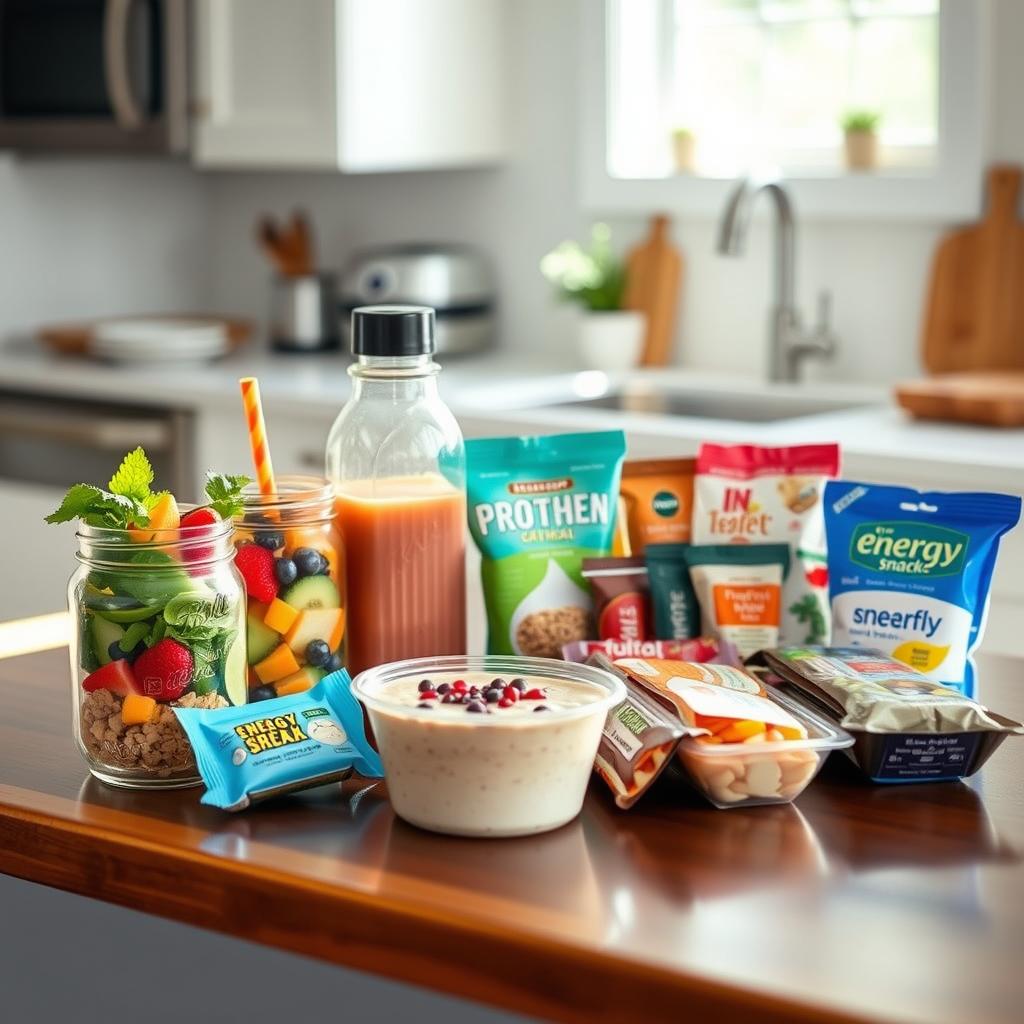
Oat and flax Greek yogurt bowl with berries
I mix 3/4 to 1 cup Greek yogurt (2% or whole) with 1/3 cup oats, 1 to 2 tablespoons ground flaxseed, and a cup of berries. A dash of cinnamon adds a cozy flavor. This breakfast is high in protein and stays creamy without being too sweet.
Egg-and-spinach breakfast quesadilla on whole grain tortilla
I cook 2 eggs with a cup of spinach, add them to a whole grain tortilla, and sprinkle a bit of cheese. Some salsa on the side adds freshness. It’s quick, rich in iron, and also great for healthy lunches.
Salmon, avocado, and quinoa power salad
I combine 3 to 4 ounces of baked salmon, 1/2 an avocado, and 3/4 cup quinoa over arugula. A drizzle of lemon and olive oil brings it all together. This dish is a breastfeeding-friendly favorite of mine for busy days.
Chicken or lentil veggie wrap with hummus
I spread hummus on a whole grain tortilla and add either chicken or lentils with crunchy veggies. Then, I roll it up and slice. This wrap is great for on-the-go and fills the need for postpartum snacks.
Protein-packed smoothie with oats, nut butter, and greens
I blend milk (or a dairy-free alternative) with half a frozen banana, oats, nut butter, spinach, and ice. If I have them, I toss in chia or flax seeds. This smoothie is high in protein and tastes like a treat.
Moong or mixed-bean salad with lemon and herbs
I mix cooked moong or mixed beans with cucumber, tomato, onion, cilantro, lemon, olive oil, cumin, and salt. The flavors really stand out, and it’s good for plant protein. It’s an easy choice for lunch.
Brown-rice stir-fry with tofu or shrimp and mixed veggies
I start with sautéing garlic and ginger, then add broccoli, peppers, and carrots. I mix in brown rice with either tofu or shrimp and a splash of tamari. It’s a favorite dinner that reheats well and is very satisfying.
Smart Snacking to Curb Cravings and Protect Milk Supply
I put healthy snacks where I can easily see them. Having fruit and snacks ready makes me choose them first. This change helps me stick to good snacks for energy and milk supply, avoiding sugar crashes.
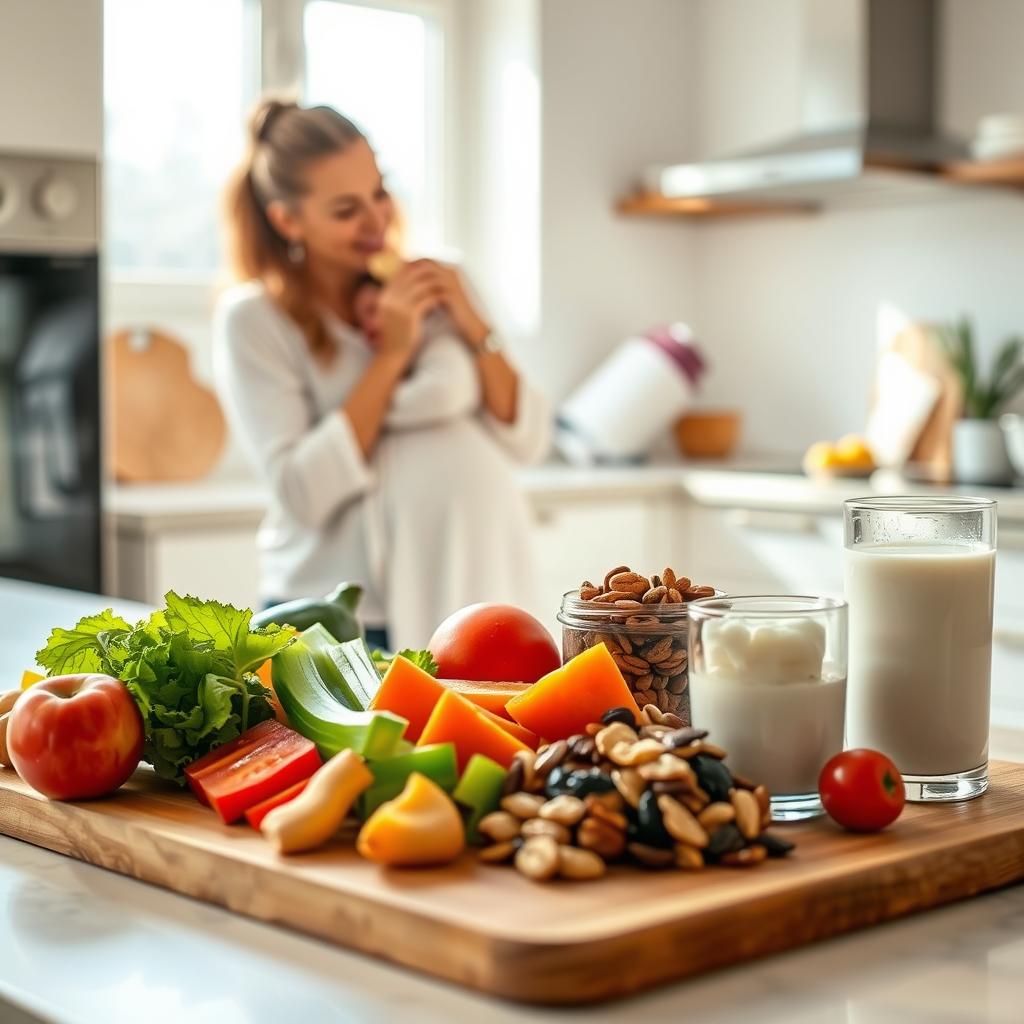
I prepare cut veggies with hummus for protein and fiber. Small jars of mixed nuts give me healthy fats and keep me full. String cheese offers quick protein and calcium, and I portion snacks to stop mindless eating.
Greek yogurt parfaits with berries and homemade granola are a delicious treat. They keep my snacks low in sugar. Air-popped popcorn is a whole-grain snack that’s better than chips, making it a regular choice for me.
I avoid artificial sweeteners like aspartame and sucralose. Instead, I use fruit or honey to sweeten my snacks. This keeps my breastfeeding snacks simple and on target.
I drink water, unsweetened sparkling water, and herbal teas for hydration. I love making alcohol-free drinks, like a Virgin Piña Colada or a Berry Mojito. They follow CDC advice for nursing and cut down on calories while keeping my milk supply up.
I keep savory snacks like seaweed and spiced nuts handy. With my fridge full and essentials ready, I can easily grab milk supply snacks, healthy snacks, and breastfeeding mocktails.
Time-Savers: Batch Cooking, Leftovers, and Pantry Staples
I use batch cooking after giving birth to lower stress and keep eating regularly. I follow a simple plan inspired by dietitian Marina Lane. It includes recipes that can be made ahead, and a grocery shopping list organized by sections. This way, I keep eating well and maintain my milk supply while slowly getting back to my pre-pregnancy weight.
I cook big pots of lentil chili and meatballs made of turkey or lentils. I also make quinoa-and-veggie bakes and stir-fries with brown rice. Then, I freeze half of it in single servings. These meals are easy to warm up and help me eat consistent portions. I prepare bags with ingredients for smoothies too, which I can quickly make with some milk.
I keep my pantry filled with essentials: beans, lentils, broth with less salt, and fish with low mercury. I also have crushed tomatoes, whole grain tortillas, oats, quinoa, and brown rice, plus nuts, seeds, olive oil, and spices. In my freezer, I store veggies, shrimp, bread, and homemade burritos, all chosen carefully. My fridge is stocked with yogurt, eggs, hummus, greens, and pre-cut vegetables for easy snacks.
I have a smart plan for using leftovers. Today’s roasted fish turns into a salad with quinoa tomorrow. I use leftover rice for a quick stir-fry and turn meatballs into wrap fillings. This way, I easily meet my nutrition goals without getting stressed over meal choices.
I also remind myself to drink plenty of water and aim for balanced meals. While breastfeeding, I usually need about 2,200–2,400 calories daily, but I adjust based on how hungry or active I feel. I avoid fish high in mercury and limit my caffeine intake. By relying on freezer meals and keeping healthy pantry items, I make sure I’m well-fed and stay on track.
Conclusion
Here’s what I’ve learned: losing weight after having a baby works best when it’s slow and with good food choices. Studies, like those from the CDC, show it’s normal for women to still have some extra weight after a year. I make sure my weight loss goals are attainable. I focus on meals rich in protein, fiber, and healthy fats, and I limit sugar and processed foods.
Breastfeeding and healthy eating go hand in hand for me. Breastfeeding moms often need 2,200 to 2,400 calories each day to keep up their milk supply. But, with a doctor’s OK, I cut back a bit for slow weight loss. I eat fish with low mercury, limit my caffeine, and avoid alcohol while nursing. Choosing water or unsweetened tea over sugary drinks saves calories, too.
To make things easier, I prepare meals ahead of time and keep my kitchen stocked. Foods like oats, nuts, and greens help me stay full and boost my milk supply. I also add in walking and exercises after my doctor says it’s okay. A good diet with exercise works best. Getting enough sleep and having friends support me is vital. Often, not sleeping enough can keep the weight on. So, I try to rest whenever possible.
In the end, it’s about creating a healthy lifestyle, not following strict rules. I plan my meals to meet both my dietary and breastfeeding needs. I set realistic goals for losing weight. I love finding quick recipes that I can make often. Over time, these habits lead to consistent progress and give me more energy to enjoy my life as it is now.