


I love quick and tasty desserts. These High-Protein Greek Yogurt Cheesecake Cups are quick, creamy, and perfect for a high-protein snack. They become smooth, no-bake cheesecake cups. Great for lunch boxes or late-night snacks.
I use two tasty recipes. One uses 0% Greek yogurt and fat-free cottage cheese, with honey, vanilla, and lemon zest. The other mixes Greek yogurt with cream cheese, maple syrup, lemon juice, and a dash of salt. Both have a graham cracker base and set up perfectly as cheesecake cups.
I put the mix into half-pint Mason jars for a quick, healthy treat. After chilling for an hour, they’re firm with a tasty lemon-vanilla flavor. Lighter versions have about 130 calories, richer ones about 350. Way less than an 800-calorie cheesecake slice, but still comforting.
It’s all about making something creamy, bright, and quick. Have crackers, citrus, and your favorite sweetener ready. That way, you can make these cheesecake cups anytime.

Why I Crave These Light, Creamy Cheesecake Cups for Quick Snacks
I reach for these no-bake Greek yogurt cups when I crave a quick, light cheesecake snack. They taste like classic vanilla-and-lemon cheesecake, but without the heaviness. After chilling, they become thicker and silkier, feeling like a creamy, high-protein treat I can enjoy anytime.
Making them is easy and soothing. It’s a blender dessert that’s ready in no time for sudden sweet cravings. I mix Greek yogurt with fat-free cottage cheese or a bit of cream cheese, then layer it over a graham cracker crust. A dash of lemon zest or juice adds brightness, and its fragrance is irresistible.
I place the mixture in mason jars for neat, ready-to-eat servings. These cheesecake cups are perfect for breakfast, a snack, or dessert. Depending on my mood, I use 0% Greek yogurt for lightness or full-fat cream cheese and 2%–5% yogurt for more richness. Either way, it’s a creamy, high-protein dessert with a fresh taste.
For me, it’s about the balance of real cheesecake flavor, easy steps, and the texture that improves as it cools. With just essential ingredients, these no-bake Greek yogurt cups are my go-to snack. Thanks to the make-ahead format, I always have a calm, satisfying treat close by.
Ingredients I Keep on Hand for a Healthier Cheesecake Fix
I keep a few key ingredients ready for making a healthier cheesecake. They help me make anything from a light snack to a rich dessert. I always have what I need for the crust, sweetness, a citrus touch, crunch, and topping.
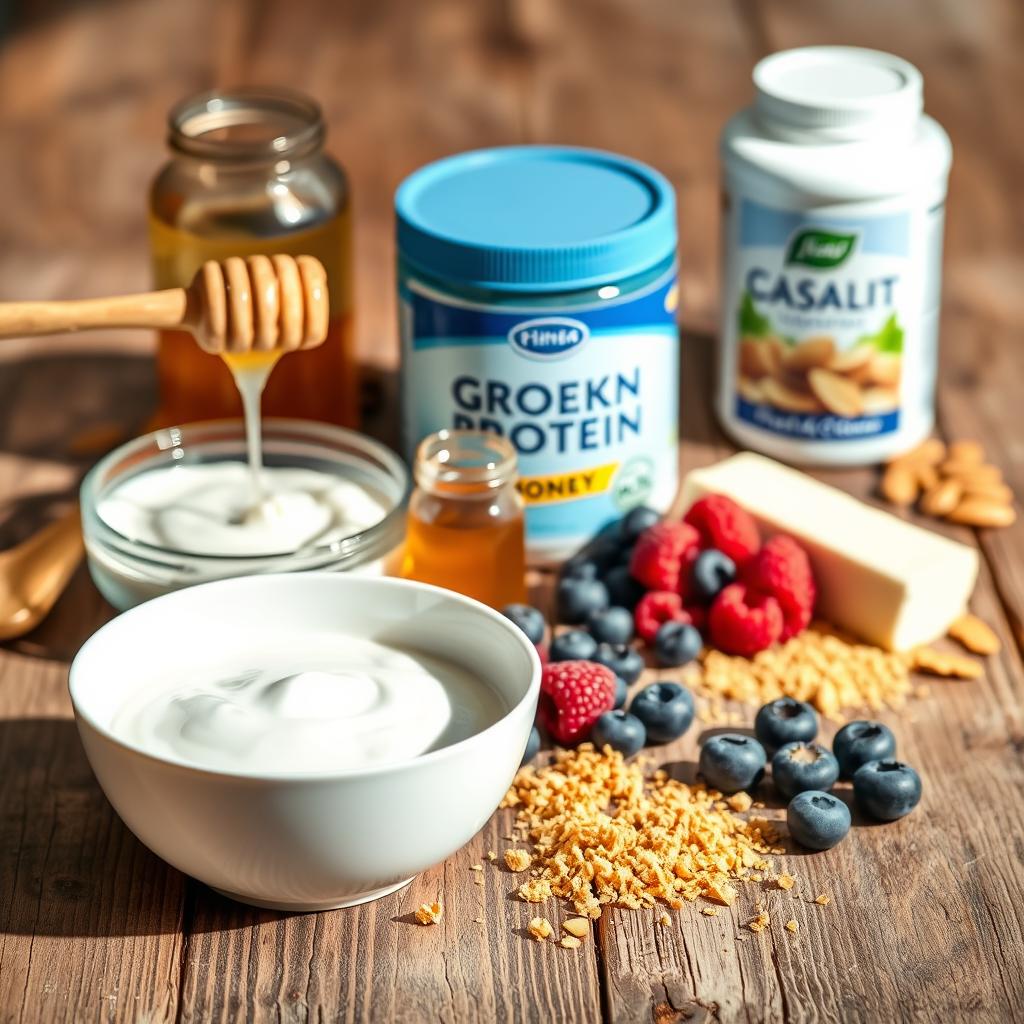
High-protein dairy base: Greek yogurt and cottage cheese or cream cheese
I stock up on thick plain Greek yogurt, fat-free cottage cheese, and full-fat cream cheese. This lets me decide if I want a leaner cottage cheese base or a richer cream cheese one. Mixing in Greek yogurt ensures the texture is smooth and enjoyable.
Sweeteners and flavor: honey or maple syrup, zero-calorie sweetener, vanilla
I use either 1 tablespoon of honey for a lighter taste or 4 tablespoons of maple syrup for depth. Adding a teaspoon of vanilla brings warmth. For fewer calories, I opt for zero-calorie sweetener, mimicking the sweetness of 2 teaspoons of sugar but keeping the flavor.
Bright finish: lemon zest or lemon juice for that cheesecake tang
Lemon zest from half a small lemon works well with cottage cheese for lightness. Or, I add 2–3 tablespoons of fresh lemon juice for a bolder tang. Either choice cuts through the sweetness, making each bite exciting.
Crunch factor: graham cracker crumbs and optional coconut oil or butter
I crush a whole sleeve of graham crackers or use 1/2 cup of crumbs for the base. If I want it sweeter, I mix in 1 tablespoon of sugar. Then, I choose either 3 tablespoons of coconut oil for a firm crust or butter for a traditional, toasty flavor.
Fresh toppers: mixed berries or easy fruit sauce
Mixed berries add a beautiful tart-sweet contrast on top. For a fancy touch, I go for a quick fruit sauce. Both options add delightful contrast without making the dessert too heavy.
5-Minute High-Protein Greek Yogurt Cheesecake Cups
I make these cheesecake cups quick and easy. Just mix, press down, and chill a bit. I use wide-mouth Mason jars for easy storage. For a smooth dessert fast, I use either a food processor or blender.
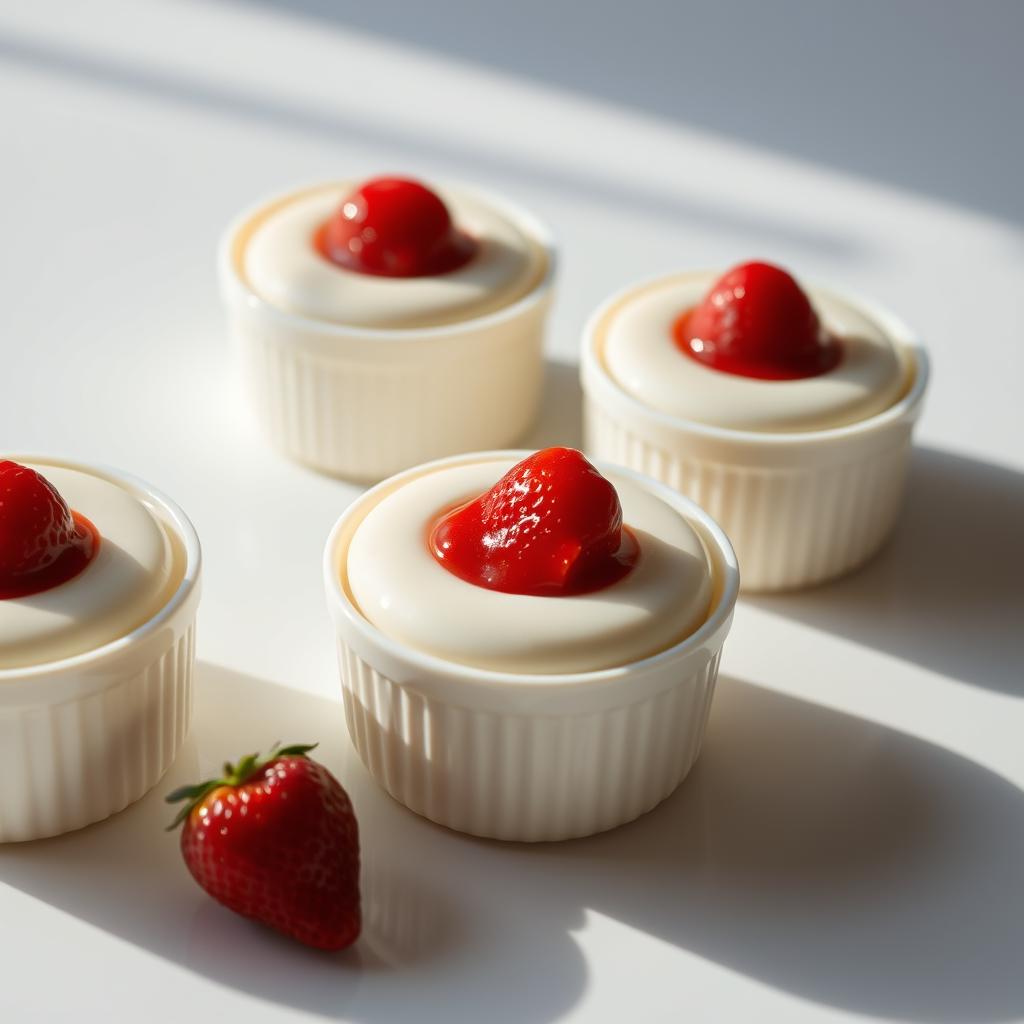
My blender method for silky-smooth filling
I blend 1 cup fat-free cottage cheese, 1/4 cup 0% Greek yogurt, and 1 tablespoon honey. I also add 1 teaspoon vanilla, sweetener, and lemon zest. After blending it’s ready to serve.
For a rich taste, I start with 8 ounces full-fat cream cheese and some maple syrup. Then, I mix in lemon juice, vanilla, and a pinch of salt. After blending in Greek yogurt, it’s both rich and light.
If I’m super rushed, I use my food processor. But the method is always simple: blend, portion out, and chill.
Quick crust prep with graham crackers
I crush graham crackers with a bit of sugar, then mix with melted oil or butter. This makes a quick crust for snack cups. I press 2 tablespoons of this mixture into each dish.
For mason jar cheesecakes, I evenly divide the crumbs between jars and press down. After adding the filling, I tap the jars to remove air bubbles and top with berries.
Make-ahead tips so the cups thicken as they chill
The cheesecakes get firmer after a few hours in the fridge. They’re best after chilling for 4 hours or more. When making ahead, I use half-pint Mason jars for convenience.
The cottage cheese version lasts for days if stored properly. I add the crust right before eating to keep it crispy. With everything prepped early, these cheesecake cups are a breeze for the week.
Nutrition, Calories, and Smart Swaps for Creaminess and Protein
I keep an eye on high-protein desserts to fit my eating plan. Greek yogurt lends a thick texture, and I add cottage cheese for more volume. Using small jars, I can prep servings for nearly a week.
High-protein profile from Greek yogurt; cottage cheese option
Fage yogurt, at 2%–5% fat, provides rich texture and flavor. By mixing in cottage cheese, I get a creamy, protein-rich dessert. This combo focuses on protein while enhancing creaminess and spoonability.
Calorie awareness: lighter cups vs. traditional cheesecake
I compare calorie counts in cheesecake cups. Using Gay Lea Fat Free Cottage Cheese and 0% Greek yogurt makes about 130 calories with crumbs, or 80 without. A richer mix with full-fat cream cheese, higher fat Greek yogurt, and maple syrup has about 350 calories per serving. Both are good low-calorie options.
Fat choices: full-fat for creaminess vs. fat-free for lower calories
Choosing between fat-free and full-fat dairy affects texture. High fat offers creaminess with less water. Fat-free is great for lighter days but isn’t as rich. I also swap fats in the crust for different flavors.
Sweetener swaps: honey, maple syrup, or zero-calorie options
I use honey or maple syrup depending on my preference. Honey brings a floral taste; maple syrup has woodsy flavors. For fewer calories, I opt for zero-calorie sweeteners. This lets me control calories without sacrificing taste.
Flavor Twists and Toppings I Love
I enjoy trying different cheesecake cup styles just like I would with a whole pie. For a classic diner feel, I top them with berry cheesecake topping or warm strawberry sauce. This fresh fruit balances the tangy filling, making each bite refreshing.
When I want something crunchy, I switch up the crust. Oreo cheesecake cups provide a cookies-and-cream flavor, while graham crackers offer a classic taste. I’ve used coconut oil for a coconut hint and butter for a traditional bakery flavor. Both work great after the cups are chilled.
For breakfast, I make cheesecake cups with a maple-sweetened Greek yogurt and cream cheese mix. I add berries or a quick compote on top. I store them in Ball half-pint wide-mouth Mason jars. There’s space for toppings before I seal them, ready for quick mornings.
On days I’m watching calories, I use cottage cheese blended with 0% Greek yogurt, honey, vanilla, and lemon zest. Sometimes, I even skip the crust to cut calories further. These cups firm up nicely in the fridge, keeping layers even and looking professional.
I enjoy seasonal flavors too. A warm cinnamon apple topping brings a pie-meets-cheesecake experience. For celebrations, I top them with whipped cream and sprinkles or use fruit compotes. It’s important to let the cups set before adding any juicy toppings.
For parties, I like to offer a variety. I arrange trays with strawberry sauce, Oreo cheesecake cups, and a vibrant berry topping. These simple changes help create a dessert that fits every occasion, from a casual dinner to a special brunch.
Conclusion
These high-protein cheesecake cups are exactly what I’m looking for in a quick snack. First, mix graham crumbs with coconut oil or butter. Next, combine Greek yogurt with cottage cheese or cream cheese. I also add vanilla, lemon, and a touch of honey or maple syrup. Sometimes, I use a zero-calorie sweetener instead. They become a creamy, tangy dessert in 5 minutes, tasting just like traditional cheesecake but without the long wait.
During testing, I noticed something interesting. Using full-fat dairy makes the cheesecake richer and smoother. But, using fat-free options lowers the calories, though it makes the texture less rich. If I use cottage cheese and skip the crumbs, each cup has about 80–130 calories. With cream cheese, it’s around 350 calories. That’s much less than a slice from a bakery. Also, letting them chill is key. It helps the filling set, making the texture perfect.
I make several no-bake cheesecake cups in advance and keep them in small cups with lids. I like to top them with mixed berries or homemade strawberry sauce. They’re versatile and can fit into any diet plan easily. This makes them a perfect, healthy treat. I can enjoy them at breakfast, as a snack, or after dinner.
Thanks to adjustable blender speeds and their ability to set well, these cheesecake cups are a must-have in my kitchen. They offer the quick satisfaction of a 5-minute dessert or can be prepared in advance. I always end up with a creamy, lemony treat that’s packed with protein. This satisfies my dessert cravings perfectly.