


I wrote this for the days when my coffee goes cold because my phone won’t stop buzzing. I still aim to feel like myself again, even with no time to hit the gym. The pressure to “bounce back” quickly is real and it’s tough.
This journey isn’t about quick fixes or 30-day wonders. It’s about reaching a healthy weight that boosts my energy and confidence. This way, I can fully enjoy every moment with my kids.
I’m sharing weight loss strategies that fit into real, busy schedules. You’ll find out how to shed the baby weight without leaving your home. It’s all about manageable changes that work, even on the toughest days.
Let’s talk about what post baby life is actually like, including the stress and adjustment to a new routine. I’m focusing on realistic food choices that are easy to maintain, not impossible workout goals. This is how sustainable weight loss happens.
Why postpartum weight loss feels so hard when you’re running on no sleep
I didn’t expect to feel this tired. Up often, my body feels puffy, sore, and hungry all at once. Saying it helps: postpartum weight loss issues aren’t about willpower.
On better days, sleep loss and weight seem connected. I want quick energy and lose patience easily. This makes even simple decisions seem huge.
What “baby weight” actually includes (it’s not just body fat)
Before worrying about the scale, I think about what “baby weight” really means. It’s not just fat. It includes the baby, placenta, and amniotic fluid.
There’s also increased breast size, more blood volume, and a bigger uterus. Often, bodies store extra fat for energy during birth and breastfeeding. If I put on more than needed, this is what’s often called “baby weight.”
In the U.S., the CDC says healthy weight women expecting one baby are advised to gain 25–35 pounds. This varies for those underweight, overweight, or expecting multiples. Advice from my clinician may vary, and the Institute of Medicine and the National Academies offer tools for a personal estimate.
Why stress and sleep deprivation can make progress feel slower
Life with a newborn keeps me always on alert. Managing feedings, soothing, and chores, stress and weight stick around easily. I end up eating on the go, skipping meals, or eating too much later.
I notice cravings and hormones more when I’m tired. That’s why weight can go up, even when I’m trying. Studies often show that lacking sleep can lead to keeping on weight after having a baby, which I’ve seen myself.
Mood is important too. Postpartum stress hits hard, and about 1 in 9 moms face postpartum depression. If I worry about my mental health, I know I can call Postpartum Support International at 800-944-4773. I shouldn’t let weight loss add to my stress.
Why I focus on “small wins” instead of an all-or-nothing plan
Feeling stuck, I aim for a small victory. A short walk, some bodyweight exercises, or a healthy breakfast get me going. This matches when I feel down and struggle to exercise, so I keep it achievable.
I don’t aim for perfection. Being steady without extremes works for me. I don’t need an intense workout plan to gain momentum. Simple steps help me relax as my body heals.
And I stay away from crash diets. They leave me tired and irritable. With a newborn, steady energy is key, not fast weight loss. Keeping things easy helps me be patient with my body’s pace.
Realistic timelines and safe expectations for losing baby weight
I need clear expectations, not hype, when I’m exhausted and short on time. My body changed for a reason. It heals at its own pace. Having a steady plan keeps me calm with weight fluctuations.
I think in months, not days, about losing postpartum weight. Sleep, stress, feeding, and my weight gain affect my timeline. Picking goals that protect my energy and recovery is key.
What a safe postpartum pace can look like (about 1 pound per week)
Clinicians often suggest losing 1 pound per week after giving birth. It feels achievable and doesn’t seem to harm milk supply or baby growth. This prevents me from rushing.
Envisioning safe weekly weight loss starts with cutting down on calories modestly. Reducing about 500 calories daily equals about 1.1 pounds lost per week. The Academy of Nutrition and Dietetics deems this safe for breastfeeding moms. I see it as a gentle push, not a strict diet.
What many moms lose early vs. what tends to take longer
The average weight gain during pregnancy is about 25 to 35 pounds. Many women lose 20 pounds in the first month, which seems quick. This initial loss often includes the baby, placenta, and extra fluid.
The remaining weight, usually close to 10 pounds, may take months to lose. This loss is more about consistency in meals, protein, fiber, and daily activity. It’s important to remember the difference between “easy” and “earned” pounds.
Why it can take months (or longer) and still be totally normal
Knowing about postpartum weight retention after 1 year helps. A 2015 study found 75% of women heavier than before pregnancy. In that group, 47% were at least 10 pounds heavier, and 25% kept 20 pounds or more.
If my weight loss is slow, it’s not a failure. I might lose about 10 pounds over 1 to 2 years, maybe staying above my pre-pregnancy weight. This perspective helps me stay realistic.
I also remember the health risks of keeping extra weight, like increased chances of being overweight, diabetes, and heart disease. And it can affect future pregnancies. That’s why I focus on steady habits and regular check-ups, avoiding extreme measures.
Postpartum Weight Loss for Busy Moms
As soon as my calendar is packed with baby care and house chores, my weight loss effort begins. I keep the plan simple for consistency. On hectic days, I skip aiming for a perfect workout; a doable one is good enough.
My “do something” rule helps me slim down without needing a gym. If leaving the house isn’t possible, I exercise at home for 10 minutes. This can be a quick yoga session, lifting dumbbells, or doing squats while waiting for my coffee.
Using minimal equipment a la BeyondFit Mom speeds things up for me. It cuts out travel time, gym daycare, and decision making. To keep it simple, I keep my gear where I can see it, aim for short workouts, and start before I change my mind.
I consider fat loss and shaping my body as two different goals. I’ve noticed that cardio alone doesn’t reshape my body. While walks are great for my mood and calorie burn, they don’t firm up my body the way I’d like.
Weight training during the postpartum period is crucial for me. It builds muscle, which increases my calorie burn, and gives me a metabolic boost post-exercise. Remember, exercise and smart eating go hand in hand for effective weight loss.
Breaking exercise into small chunks of time works better for me. I fit in walks, a quick weightlifting session during my baby’s nap, or a brief workout before bedtime. Even a brisk walk with the stroller adds up, especially with some hills.
Combining these short sessions lets me exercise under three hours a week and still see results. To stay consistent, I set a timer, focus on being active instead of sweating a lot, and track my active days. This approach keeps my fitness routine on track, even on busy weeks.
Nutrition first: the easiest wins when I don’t have time to work out
When days are packed with chores, I focus on what I eat. Eating right helps me lose weight postpartum. It’s all about making easy, repeatable food choices, even when I’m tired.
Why crash dieting backfires postpartum (especially for energy and recovery)
Crash dieting after having a baby just doesn’t work. My body needs energy and nutrients to heal, especially if I’m nursing. Eating too little can make me feel shaky and upset.
Diets like eating only 500 calories a day or just baby food seem quick but aren’t practical with a newborn. They can make me miss important nutrients and feel hungrier later on. Being low on energy is really risky when I’m already not getting much sleep.
A simple calorie approach that supports steady loss (like a ~500-calorie daily deficit)
I aim for a 500-calorie deficit each day postpartum. This helps me lose about a pound a week without feeling deprived. For instance, if I eat 2,000 calories, I might cut out 300 from my diet and burn an extra 200 by walking.
I don’t have to keep counting calories forever. Eating whole foods as the basics of my meals usually balances my hunger naturally. If I struggle, I might track my eating for a while or get a friend to help me stay on track.
If I’m breastfeeding: why I don’t go too low (commonly at least 1,800 calories/day)
While breastfeeding, I make sure to eat at least 1,800 calories a day. Nursing increases how many calories I need. I also make sure I drink enough water because being thirsty can make me feel tired quickly.
I focus on getting nutrients like calcium and zinc to eat well-rounded meals. Eating this way helps keep my energy level stable throughout the day.
What I prioritize on my plate: protein, fiber, and whole foods
I always aim for protein and fiber at every meal. Protein fills me up and helps my metabolism. It prevents me from wanting to snack later in the afternoon.
I choose simple proteins like eggs, beans, and fish, then add fiber-rich foods. A study showed that eating more fiber can lead to losing weight, which motivates me to keep it up.
I base my meals on veggies, fruits, and whole foods while keeping processed foods to a minimum. That’s how I manage to lose weight while still handling day-to-day life.
Simple food rules that make fat loss easier on autopilot
I have simple food rules because my day is unpredictable. I shop once, prepare my kitchen, and let the decisions work on their own. This way, I don’t need to track everything I eat.
High-fiber choices that help me feel full longer
Fiber helps me feel full longer and snack less. So, I always eat high fiber foods, especially when I’m tired. This way, I don’t need to plan every meal perfectly.
A 2019 study showed that 4 grams of fiber daily could help lose over 3 pounds in six months. I use this advice by eating oats, beans, berries, and frozen veggies every day.
I start shopping with healthy grains and veggies. Once they’re in the cart, meal planning is simpler.
Protein basics that reduce cravings and support metabolism
I have simple protein goals. Protein keeps me full, reduces cravings, and supports my metabolism. It also helps balance my hunger and satisfaction hormones.
I stick to quick protein sources: eggs, rotisserie chicken, canned tuna, cottage cheese, and Greek yogurt. For snacks, I prefer Greek yogurt with granola, string cheese, or nuts with dried fruit.
How I reduce added sugar and refined carbs without feeling deprived
I aim to cut back on sugar in a way that’s still enjoyable. I watch out for sugary drinks, fruit juice, and sweets made with a lot of sugar.
I also look out for refined carbs that make me hungry again quickly. One rule I follow: if sugar is one of the top ingredients, I skip it for something more filling.
Avoiding too much sugar isn’t about fear. Too much added sugar can lead to weight gain and health problems. So, I make healthier swaps when possible.
My strategy for avoiding highly processed foods (environment beats willpower)
I try to stay away from processed foods because they can hinder fat loss. This includes fast food, snacks, and anything with too much sugar or unhealthy fats.
My secret is to manage my environment. I keep fruit visible and hide junk food. This helps me not to eat it.
I fill my fridge with easy, healthy options like cut veggies and hummus. This way, when I’m hungry, I choose something good for me.
“No workout” movement that still counts (and still burns calories)
Sometimes, when life gets busy and sleep is short, I see movement as a choice, not a must. I look for small moments to lower stress, boost energy, and keep active. This includes my walking plan after having a baby and doing easy strength workouts.
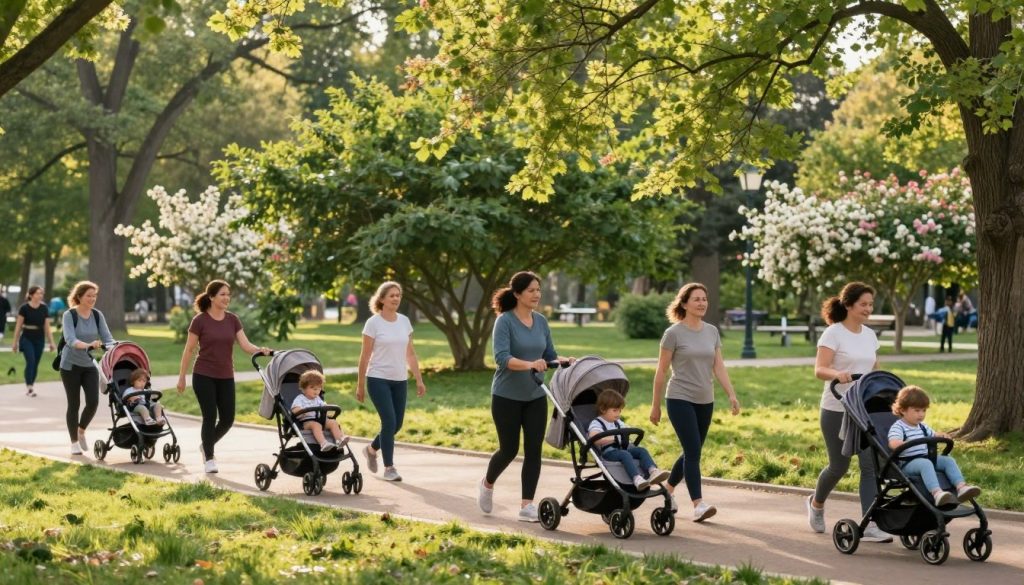
Short walks add up: how I use 10–20 minutes whenever I can
I go for 10 minute walks after having a baby, fitting them in when I can. Like after feeding, during baby’s cranky times, or just before dinner. If I’m feeling up for it, I’ll make it a 20 minute walk that’s brisk.
Once my doctor says it’s okay, I remember the CDC’s advice: aim for 150 minutes a week of moderate workouts like brisk walking. I don’t let this goal stress me out. Instead, I see it as a guide. Even short walks help with losing fat, keeping my heart healthy, and feeling happier.
At-home strength in tight time slots (why I aim for 30 minutes, 3x/week when possible)
When possible, I do 30 minute workouts at home, three times a week. I pick simple exercises that get my heart rate up and build strength. The best time for this is during nap time, so I keep it short and easy to follow.
For strength training at home, I stick to basic exercises. I add weights when I’m ready. Lifting weights helps me keep muscle, which is important for my health and how I feel. If I need a plan, I’ll find a workout on YouTube or join a mom and baby class.
Baby-inclusive moves: squats, lunges, overhead presses, and “baby chest presses”
Sometimes, my baby is my workout buddy. Holding my baby, I’ll do squats and lunges, focusing on calm breathing. For arm and shoulder workouts, I’ll press my baby upwards carefully.
My favorite exercises include “baby chest presses” on my back. Then, I carefully get up. If my baby sleeps, I might lift dumbbells quickly and feel good about it.
What I keep in mind before resuming exercise (especially after C-section or complications)
I remember healing is most important. My body needs time to heal after birth. The right time to start exercising again can vary. Following a C-section, I listen to my doctor and pay attention to how I feel before increasing my activity.
Focusing on core recovery is key, especially with diastasis recti. I start with breathing and core exercises for alignment before adding intensity. This approach helps my walking and strength workouts aid in recovery, not hinder it.
Recovery boosters that affect weight loss more than I expected
While focused on the scale, I overlooked the power of recovery on my decisions. Simple habits boosted my consistency more than any perfect plan.
Hydration basics I actually follow (the easy-to-remember 8×8 guideline)
I stick to the 8×8 water rule for weight loss after birth: eight 8-ounce glasses daily, roughly 2 liters. I don’t stress over it, just aim for consistent sipping.
Replacing a 20-ounce sweet drink with water cuts around 240 calories. Though research varies, staying hydrated reduces cravings for me. Plus, it helps replace fluids lost while breastfeeding.
Sleep and weight retention: why I ask for help so I can rest
Postpartum sleep affects weight because less sleep can mean keeping more weight post-pregnancy. With lack of sleep, I’m hungrier and less patient.
To get more rest, I ask for help with a feeding or chore from my partner or a friend. Cutting caffeine early helps, too, as being tired and caffeinated ruins sleep.
In tough weeks, I find 10 minutes for a stress-break with movement. A brief walk or quick exercises can lower stress, help sleep, and boost my mood.
Breastfeeding and fat loss: what to expect early vs. later
Breastfeeding might not lead to weight loss right away. The first three months can see an increase in weight due to more appetite and less activity.
As time goes on, it can aid weight loss when life gets more routine. Breastfeeding for six months is advised by health organizations. It gives babies nutrients and immunity support.
Breastfeeding lowers the risk of many diseases for babies and mothers. It reduces chances of high blood pressure, diabetes, and cancers in mothers.
Keeping in mind CDC advice, I avoid alcohol while breastfeeding. This helps remove barriers to recovery and maintaining good habits.
Support systems that keep me consistent (online groups, friends, classes)
Having support keeps me on track. Being part of weight loss groups postpartum makes a big difference, especially on tough days.
I join fitness classes that understand moms. It’s not about perfect exercise; it’s about feeling supported.
Group activities often help people lose weight, though it’s not always clear-cut. I pick what I can stick with, as consistency is key.
Conclusion
Getting back in shape after having a baby is less stressful when I avoid thinking in extremes. I focus on goals like losing around 1 pound every week. I understand that some weeks might be tougher, but any small progress counts. It’s important to be patient, especially when sleep is scarce and my body is still recovering.
I put healthy eating before exercising in my weight loss plan. Crash diets are a no-go for me. Instead, I aim for a gentle calorie reduction of about 500 calories a day. Eating plenty of protein, fiber, and whole foods helps me lose fat healthily. I also try to keep processed snacks out of my house to make better choices easier.
Even if I can’t make it to the gym, I keep active by walking for 10–20 minutes. I also try doing strength exercises at home, like squats with my baby, for about 30 minutes, three times a week. Using my body weight or resistance bands helps me maintain my muscle strength. This way, I feel better about how I look and feel.
Rest and recovery are key to losing weight after having a baby. I make sure to drink plenty of water and ask for help for better sleep. I also wait for a doctor’s okay before stepping up my physical activity, especially after surgery. Shedding pounds can be good for my health in the long run, but I won’t let the scale dictate my happiness. If I feel down, I don’t hesitate to seek professional support. Help is available through Postpartum Support International at 800-944-4773.