


I remember the first weeks after giving birth. I was always hungry, sleep was hard to come by, and dishes seemed never-ending. Having a simple meal plan was a lifesaver. It allowed me to eat comforting food that gave me energy and was easy to prepare. This way, I could rest and still feel taken care of.
My midwife said to eat food that was warm, soft, and easy on the stomach. I drank bone broth and smoothies every day. I also ate roasted vegetables, oats, and gentle proteins. If I was breastfeeding, I added about 500 extra calories a day to help with milk supply. Early on, I tried eating no soy and less dairy to see if it helped my baby.
I saved time by preparing meals ahead that were easy to freeze and reheat. Meals like chilis, casseroles, and breakfast bakes made things simpler. I made my own broth using chicken bones and kept store-bought bone broth ready. On really busy days, I went for quick recipes or bought sandwiches.
Friends were a big help by bringing over muffins, energy bites, and special cookies. I used clear containers and reusable bags to store everything. I made sure to label everything and eat it within a couple of months. This helped keep mealtime simple and focused on healing.

Why Nourishing Postpartum Meals Matter for Recovery and Energy
I see postpartum recovery nutrition as essential. It’s like fuel for my body to heal after the hard work of childbirth. I pick easy, warm meals that are simple to eat and make me feel full while being gentle on my stomach.
What your body needs after birth: protein, fiber, fluids, and electrolytes
I focus on getting protein and fiber at each meal to help with healing and staying regular. My go-to foods are eggs or chicken, beans or lentils, and whole grains along with roasted veggies. For hydration, I drink bone broth, coconut water, or electrolyte mixes and watch my sodium to avoid swelling.
Breastfeeding hunger is real: aiming for about 500 extra calories if nursing
Breastfeeding makes me much hungrier. To meet this need, I add about 500 more calories daily from healthy foods. Nutrient-rich smoothies or a bowl of chili with avocado fill me up. This supports milk production and makes sure I’m eating well.
Gentle-on-the-digestive-system meals and why they help
Meals that are easy to digest help my body recover internally. I start with smoothies, soups, and bone broth, choosing roasted veggies over raw. This approach keeps my energy up and works well with quick, hydrating drinks when I’m busy.
Foods to consider limiting early on: soy and sometimes dairy
In the beginning, I often skip soy and dairy if it upsets my baby’s stomach. I use almond, oat, or coconut milk instead. I also pick proteins like chicken or beans to keep my meals varied and comfortable.
Probiotic-rich and fermented foods to support gut health
After giving birth, I include probiotic foods to aid my digestion. Small servings of sauerkraut, kefir, or alternative yogurts with live cultures are great. I start with little amounts, pairing them with well-balanced meals to help my stomach adjust while I regain my strength.
Make-Ahead and Freezer-Friendly Staples I Rely On
I have a short list of quick-to-reheat, cozy postpartum meals. They include bone broth soups, ready-to-go casseroles, and easy breakfast options for postpartum eating. I’m also prepared with simple meal train ideas for friends who want to lend a hand.
Soups and bone-broth–based chilis for sip-able nourishment
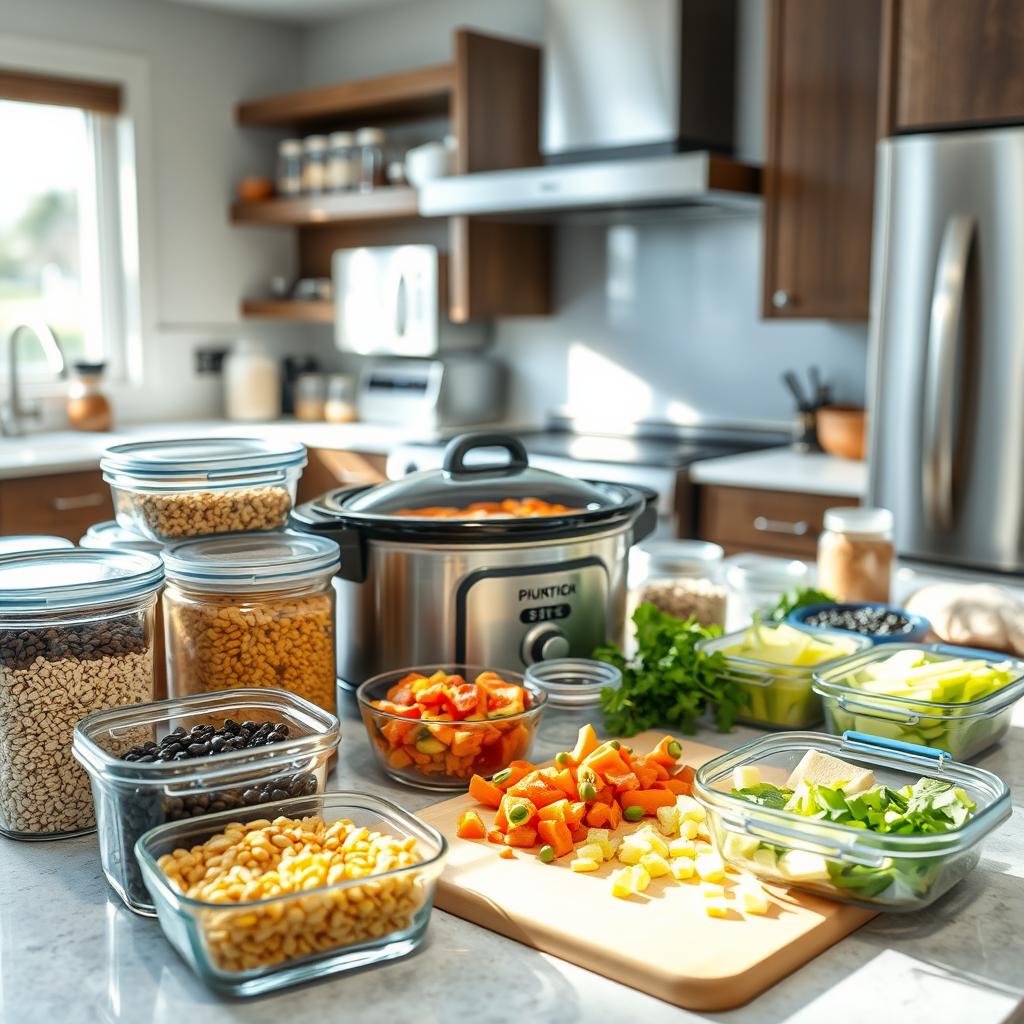
I make big batches of bone broth soups and chilis. Favorites like sweet potato chicken chili, sausage tortellini soup, and white bean soup freeze well. They’re easy on the stomach. I freeze them in individual portions using Souper Cubes, reducing waste and speeding up thawing.
For broth, I use rotisserie chicken bones in my Instant Pot. When I’m short on time, Costco’s store-bought cartons are great. These meals keep me hydrated, and provide protein, helping me stay balanced.
Energy-dense casseroles and bakes (eggplant parm, lasagna, enchilada bakes)
On exhausting days, make-ahead casseroles save me. Dishes like eggplant parm, lasagna, and enchilada bakes are full of calories and comfort. They support recovery and help with milk supply. I freeze them in family sizes or half pans, ready for any night.
These bakes still taste great after reheating. They’re perfect with a simple salad or some garlic bread. Making double means one meal now, and one saved for later.
Protein-packed breakfasts: sheet pan eggs, breakfast bars, muffins, overnight oats
Mornings are easier with postpartum breakfast prep. Sheet pan eggs, muffins, breakfast bars, and overnight oats are ready to grab and go. Adding chia or collagen boosts the protein.
This approach stops me from missing breakfast. Preparing the night before cuts down on morning decisions.
One-handed snacks: energy bites, lactation cookies, high-protein bars
Bites like energy bites, lactation snacks, and protein bars are great between meals. They easily fit in diaper-bag pockets or sit by my bedside. They manage hunger quickly without needing to clean the kitchen.
I use Stasher bags to organize snacks. Some bags stay in the freezer, ready for a cool snack on warm days.
What to stock: sturdy containers, freezer bags, labels, and reheating directions
Having the right gear keeps things running smoothly. Souper Cubes for soups, Pyrex for bakes, and Stasher bags for muffins and meats work well. Freezer bags and foil wrap make extra room by storing flat.
Labels showing dates and reheating directions keep meals organized. This system allows my freezer meals to be easily accessible. It’s especially helpful when I need something quick.
Healthy Postpartum Meal Ideas
I keep meals simple, warm, and easy to grab with one hand. My meals are based on quick recipes, staples made ahead of time, and flexible proteins. This way, I easily adjust for any cravings or allergies without feeling stressed.
Smoothies with greens, berries, and protein (almond, oat, or coconut milk)
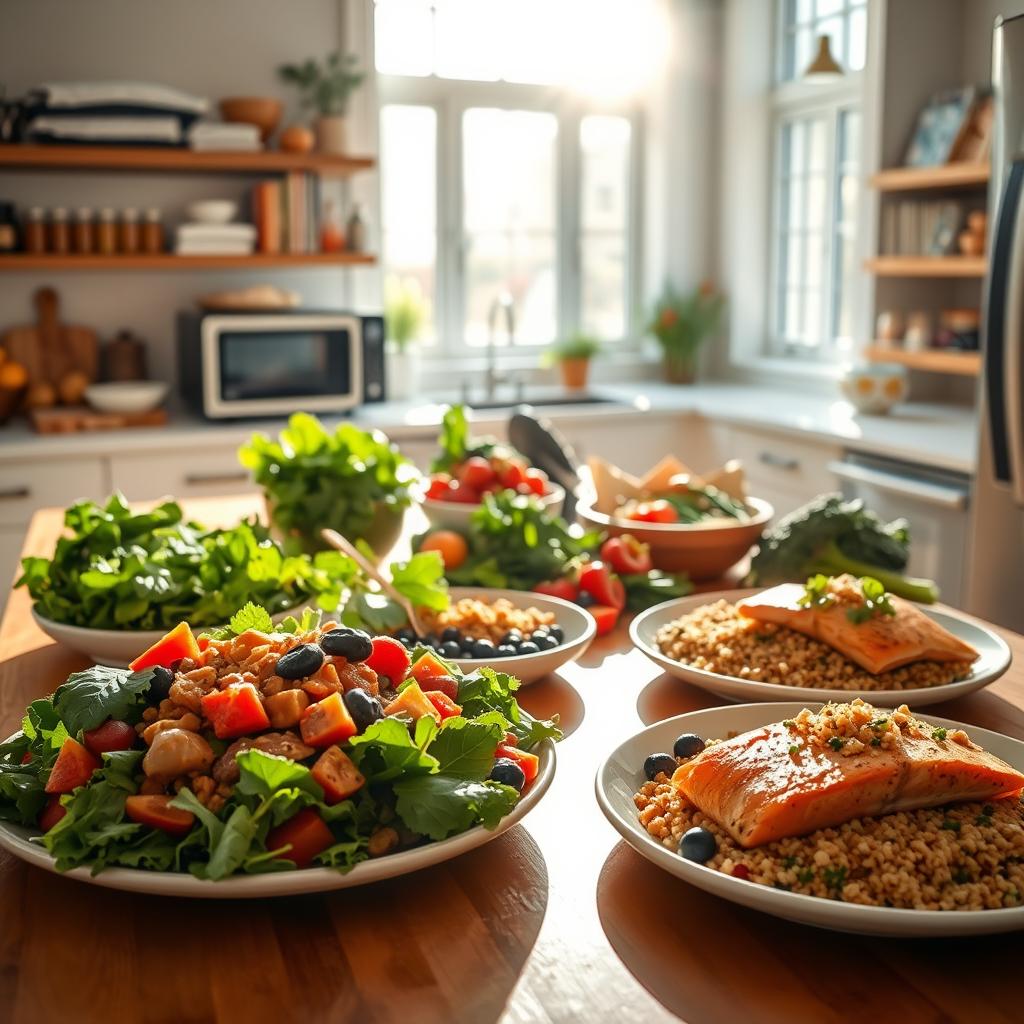
I make postpartum smoothies with spinach, blueberries, and collagen or whey protein. I choose almond, oat, or coconut milk because they’re gentle. Adding a banana or oats keeps me fuller longer, perfect for sipping while nursing.
Sip-able bone broth (homemade from rotisserie chicken bones or store-bought)
I heat up homemade bone broth from Costco chicken bones or grab a quality boxed one. Turning it into a quick soup with lentils and carrots is easy. It’s soothing, salty, and gentle on the stomach.
Roasted veggie bowls with whole grains and flexible proteins
I roast sweet potatoes, zucchini, and peppers for my veggie grain bowls. Then, I serve them over quinoa or brown rice. Adding rotisserie chicken, bison meatballs or tempeh offers protein. A spoonful of kimchi or sauerkraut tops it off for gut health.
Sheet pan dinners with a protein, sweet potatoes, and frozen veggies
Sheet pan dinners are a lifesaver postpartum. I mix chicken thighs or shrimp with sweet potatoes and frozen green beans. Seasoning with honey garlic or lemon herb makes it delicious. Plus, the leftovers reheat well.
Quick wins: deli or rotisserie chicken sandwiches, pasta or grain salads, instant pot meals
For quick meals, I make rotisserie chicken sandwiches with sourdough and Greek yogurt mayo. I also prep quinoa salad with roasted squash, arugula, and feta, or orzo with chicken and lemon. These are perfect for busy days.
Instant pot meals are great when I’m looking for comfort without effort. Sweet potato white bean soup or chicken chili are my go-tos. They’re easy to freeze, taste even better the next day, and save me from spending too much time cooking.
Stress-Free Meal Prep: My Friendly System for Busy Weeks
I depend on an easy meal plan after having a baby. It cuts down on decisions and saves energy. I pick three main meals for the week and add twists for variety. It makes grocery shopping quick and fits our life with a newborn.
Batch-cook and double up: one for tonight, one for the freezer
I double recipes to make meal prep simple for new moms. I might cook two lasagnas or a big soup. We eat one meal now and freeze the other for later. This makes cleaning easier and helps with meal planning.
Using an Instant Pot or Crock-Pot helps a lot. I use Pyrex, Stasher bags, or Souper Cubes for easy reheating on busy nights.
Meal train and care packages: what truly helps new parents
I organize a meal train with specific details. Friends bring dishes like casseroles or soups with heating instructions. Care packages have snacks that are easy to eat with one hand.
Putting names and cooking instructions on labels makes these gifts even better.
Timing tips: start in the third trimester and rotate within 2–5 months
I start prepping meals in the last part of pregnancy. I choose one day to cook or spread it out over weeks. Using the freezer meals in 2–5 months keeps them tasting great.
Organizing my freezer helps. I use a chest freezer and baskets to keep things in order. This reduces stress, especially when I’m tired.
Food safety basics: labeling, thawing, and separating raw vs. cooked
I follow the FDA’s safety tips for food after having a baby. I use separate tools for raw and cooked foods. Each container is labeled with what’s inside and the date.
I thaw food safely in the fridge, cold water, or the microwave. I cook it right away if I thaw it in water or the microwave. I never refreeze food that’s been thawed.
Flexible, simple-ingredient recipes to minimize store runs
I pick recipes that are easy to change up. I can use different meats or grains based on what I have. One week, I turn bone broth into chili and another week into soup. I also put collagen in smoothies for a quick protein boost.
Choosing simple recipes keeps my grocery list small and saves money. When things get busy, I get high-protein meals from Factor to make dinner easy.
Conclusion
I created a simple plan for less chaos and more nourishment after giving birth. Foods like smoothies, bone broth, and gentle soups help with recovery. Roasted veggies, foods rich in probiotics, and easy meals keep my digestion in check. When breastfeeding, I add 500 extra calories, focusing on protein-rich foods.
I found great tips in The First Forty Days by Heng Ou and advice from midwives. They all suggest warm, soft foods at the start.
Preparing meals ahead of time is my backup plan. I cook in bulk during the third trimester, label everything, and use the meals within 2-5 months. Easy options include sheet pan dinners, salads, and sandwiches when I’m too tired to cook.
I also make casseroles, muffins, and snacks that are easy to eat with one hand. These items provide comfort and are great for new moms.
To maintain my energy, I eat plenty of protein, fiber, fluids, and electrolytes. Continuing my prenatal vitamins is also important. I avoid soy and sometimes dairy, choosing yogurt, kefir, or kimchi for better gut health instead.
Overnight oats, chili, and veggies cooked in an air fryer keep me stress-free. I’m okay with using prepared meals or canned goods when I’m exhausted.
In the end, it’s the little things that make a big difference. Planning ahead, using durable containers, and picking simple recipes are key. These steps, along with the right foods and a good meal strategy, help me recover, relax, and feel like myself again.