


After giving birth, I longed to feel like my old self. I wanted to wear my old jeans and go back to my usual routines. But I quickly saw that the “snap back” is just a myth. Celebrities make it seem easy, but it’s not.
I wasn’t ready to still look seven months pregnant for weeks. My belly changed, and my proportions felt off. The first month brought swelling and water retention that changed my body in confusing ways.
I decided to stop seeing my body as something to fix. I focused on realistic recovery after having a baby. My body was healing from the amazing work of growing and delivering a baby.

I needed a plan that suited my new mom lifestyle, not an impossible schedule. So, I made a fitness routine with a simple 20-minute daily workout. I kept at it every day, without pushing too hard.
With time, this consistent effort helped me lose the pregnancy weight for good. I’ll share what helped me, including things people often overlook: eating habits, breastfeeding challenges, staying hydrated, dealing with less sleep, getting past weight loss stalls, and the importance of patience.
Why I Stopped Chasing a “Snap Back” and Started Focusing on Recovery
Snap back culture felt too loud and too close. It turned my mirror into a scoreboard. I didn’t want more pressure; I needed recovery that was real.
Once I recognized this, everything about postpartum shifted for me. I stopped wondering how quickly I could look “normal.” Instead, I focused on what my body needed to heal.
What postpartum really looks like for me (and why my body still felt “in transition”)
After giving birth, my body didn’t immediately bounce back. My belly was round, and swelling made me feel puffy. Some days, I still looked months pregnant, which was a shock.
Changes weren’t just in my stomach area. After my belly softened, my hips and thighs seemed different. Choosing clothes became more difficult than I thought it would be.
To reduce stress, I picked outfits that were comfortable. Maxi dresses and leggings with flowy tops helped. This small step helped me cope while my body was adjusting.
The reality check that nobody told me: early weight loss after birth isn’t the whole story
I quickly lost about 13 pounds after delivery. It seemed like progress. Most of this was the baby’s weight, the placenta, and amniotic fluid. But that wasn’t everything.
In the first week, I also experienced a lot of fluid changes. I peed and sweated more, and the scale dropped. Then, the weight loss slowed down because stored fat doesn’t just vanish quickly.
Remembering that the uterus takes time to shrink was useful. My midsection didn’t flatten immediately after the baby was born. My body was still working on it, even if the scale didn’t show it.
My mindset shift from “get my body back” to building a healthy, happy postpartum body
I stopped pushing myself to “get my body back.” My body was still with me, having stretched and changed. I started looking at postpartum as care, not punishment.
When tempted by snap back culture, I used simple phrases to fight it. I reminded myself that healing, rest, and nutrition were key. I allowed myself to wear what fit, including maternity jeans.
Patience became my new plan. My body kept changing, week by week. With more focus on care, postpartum swelling and daily changes bothered me less.
The 20-Minute-a-Day Habit That Helped Me Finally Lost the Baby Weight
I didn’t need a big change or a strict plan. I needed a small habit I could keep doing, no matter what.
So, I made a 20 minute postpartum workout part of my day. It was my go-to for losing weight postpartum, even when things were chaotic.
Why I chose 20 minutes: realistic movement when I was exhausted and short on time
Early on, I only had energy in short bursts. Twenty minutes was enough time I could find, even with a newborn’s schedule.
If doing it all at once was hard, I did two ten-minute blocks. This way, I wouldn’t push myself too hard and need a whole day to recover.
I also stopped trying to “earn” my rest. I focused on being regular, not intense, to avoid burning out.
What my 20 minutes looked like most days: walking, gentle core work, and low-impact strength
Walking was how most days began, even if it was just short. As I got more fit, I walked further, eventually going around the park.
When I felt up to it, I added gentle core work and basic back and hip exercises. I made sure to stop before I felt exhausted.
Some days, I did low-impact strength exercises while my baby napped. Simple exercises like squats and light presses made me feel strong, not tired.
How I built “incidental activity” into my day (every step counted more than I expected)
I used to think only planned exercise mattered. Then, I noticed how small activities added up over the day.
Planned exercise often meant a walk to boost my mood. Incidental movements included tasks like getting diapers or pacing with my baby. Even quick errands counted.
I tried not to sit for more than 45 minutes at a time. Standing, stretching, and sneaking in exercises during daily tasks helped keep me moving.
How I avoided the all-or-nothing trap and stayed consistent
I stopped waiting for the perfect moment to start. Even five minutes of exercise made a difference and often led to more.
Choosing exercises I liked helped, especially when life was unpredictable. This way, a bad day didn’t derail me.
If I missed a day, I didn’t overdo it the next time. I just went back to my routine, letting regular effort do its job.
What I Learned About Postpartum Weight Loss Timelines and Expectations in the US
As I looked back, I saw my body wasn’t lagging—it was healing. Understanding postpartum expectations in the US made me view weight differently. I stopped treating every pound as a final score.
What I lost right after birth and why it didn’t mean I was “done”
The scale dropped quickly after I gave birth, which seemed like a victory. This weight loss, about 13 pounds, is common and not just body fat.
The weight was mostly the baby, placenta, amniotic fluid, and water. I was sweating more and going to the bathroom all the time. But the big question remained: how long would losing the baby weight take?
How long it can take to lose baby weight and why six months to a year felt like a reasonable goal for me
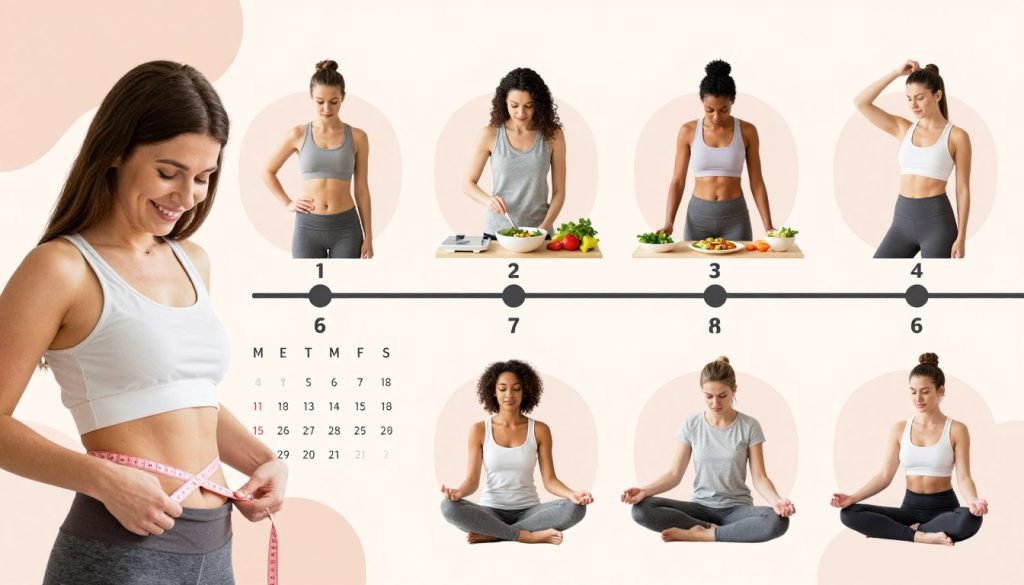
I began to think about my journey in terms of a timeline, not a deadline. Many say six months to a year is a good goal in the US, if your weight gain was within recommendations.
If you gain more, it might take longer—10 months to two years. For me, nine months seemed like a kinder goal. I didn’t want to risk my health or add stress with intense workouts. This mindset made the weight loss journey feel less pressured.
Why my body shape still changed even when the scale improved (uterus recovery and a softer midsection)
My weight started to improve, but my body shape kept changing. Learning about uterus shrinking for six weeks explained why my middle still looked round. It was all part of the recovery process.
My belly felt softer, and my hips wider. My chest changed with feeding patterns. Accepting these changes as recovery, not failure, helped me stay positive.
When it’s typically okay to start exercising again (vaginal delivery vs. C-section, plus doctor clearance)
I saw postpartum exercise clearance as a safety measure. For some, light exercise is okay shortly after an uncomplicated birth. But it always depends on how you feel and your sleep quality.
Recovery times for vaginal delivery and C-sections are different. After a C-section or complications, usually, you wait at least six weeks. Full clearance often comes around 6–8 weeks.
Once cleared, I started with gentle walking, then moved to basic strength. High intensity came later, once my core and pelvic floor were ready. This approach made my weight loss goals realistic and helped my body recover better.
Food, Breastfeeding, Sleep, and Plateaus: The Other Pieces That Made It Work
My 20-minute habit was helpful, but only part of my success. I also focused on my diet, sleep patterns, and overcoming weeks when I saw no changes.
How breastfeeding can affect weight loss (calorie burn and hormones) and why it wasn’t a guarantee for me
Breastfeeding might seem like a good way to lose weight since it burns calories. For me, it also helped with recovery, thanks to hormones.
However, losing weight wasn’t surefire. I felt hungrier, which made it hard to lose the last few pounds. Crash diets were risky for my milk supply and energy levels.
How I ate to support recovery and energy: nutrient-dense foods instead of crash dieting
I focused on recovery through nutrition, not just dieting. I made sure to eat regularly and kept snacks simple to avoid late-night pantry raids.
Oatmeal, eggs, yogurt, beans, quinoa, berries, salads, and frozen veggies were my main foods. I also had nuts, hummus, and fruit handy. This was crucial when I was too tired for anything else.
Portion changes after weaning or dropping feeds (what I had to adjust to keep progress going)
After weaning, I had to reduce portion sizes. I no longer needed the extra food meant for breastfeeding.
I still ate the same healthy foods but watched my portions closely. If I snacked between meals, I chose fruits or veggies. This strategy helped me break out of snacking out of boredom or tiredness.
Why hydration mattered more than I expected (and how I checked if I was drinking enough)
Staying hydrated was unexpectedly important. I often mixed up hunger with thirst.
I always had a big water bottle nearby and kept it filled. To check if I drank enough, I looked at my urine color. Pale yellow meant good hydration, darker meant I needed more water.
How sleep loss and a fitness plateau slowed things down, and how I gently nudged progress again
Lack of sleep definitely affected my weight loss. Bad nights made me crave more and feel less patient, no matter how much I exercised.
When progress stalled, I didn’t push myself too hard. Instead, I tried small changes like walking a bit faster or doing short workouts. If my body felt off, I’d take a step back and start over slowly.
Conclusion
I didn’t lose the baby weight because of a perfect plan or strict schedule. It was due to my 20-minute daily habit. Even on tough days, I stuck with it. Each session was a little win for me, adding up over time.
My journey got easier when I didn’t expect a quick fix. Losing some weight right after birth is normal, but it’s not everything. It can take around six weeks for the uterus to heal. I gave myself six months to a year to lose the weight. For some, it might take up to two years, but that’s okay.
My success came from focusing on achievable fitness goals and eating well, not harsh dieting. I chose low-impact exercises and small activities throughout my day. I ate healthy foods, kept an eye on portions, and drank plenty of water. Drinking at least 2 liters a day, I checked my hydration by the color of my urine.
I realized that getting back in shape is about recovery and establishing routines. My body was changing, not damaged. Even when I hit tough spots, I persisted kindly. Being patient with myself made my plan doable, which is why it worked in the end.