


As a mom, I need quick, healthy dinners for busy nights. I promise: easy one-pot meals for busy moms can help you lose weight without sacrificing taste or family happiness. With one pot, like a Dutch oven or Instant Pot, you get a full, balanced meal.
I love this cooking style because it’s simpler. It uses less oil and fewer sauces. Cooking grains, lean proteins, and veggies together means less fat and more taste. This way, I save time cleaning and stay on track with my weight loss goals.
I set aside 20–30 minutes for cooking and aim for 20–35 grams of protein per dish. I include lots of greens and smart carbs like quinoa. I use USDA MyPlate for balance, keep an eye on sodium with American Heart Association tips, and always read food labels to keep dinners healthy and hearty.
All my tips are tested at home and don’t break the bank. I find everything at places like Costco and Trader Joe’s for affordable, healthy meals. Soon, I’ll share 30-minute recipes, shopping advice, and ideas for meals that everyone will love. This includes options for vegetarians, dairy-free diets, and easy freezer meals. Let’s make dinner easy and fun again.

Why One-Pot Cooking Helps Me Lose Weight and Save Time
I rely on one-pot meals for healthier dinners during the week. They help me eat right without much trouble. Using just one burner and a lid, I can make tasty, portion-controlled meals that my family enjoys. The best part is, there’s hardly any mess, so I’m more inclined to cook at home.
How one-pot methods cut calories without cutting flavor
I begin with sautéing onion, garlic, celery, and carrots in a little olive oil, then add broth or vinegar. This method reduces fat and salt, following advice from America’s Test Kitchen and the American Heart Association. It makes the food flavorful and light.
Then I add flavor enhancers like tomato paste, mushrooms, and soy sauce in small amounts. These ingredients replace heavy creams but keep meals filling. By cooking grains and proteins together in a tasty broth, I avoid extra sauces yet still enjoy rich flavors in protein-packed dishes.
The time-saving domino effect: fewer dishes, faster cleanup
My routine is simple: one cutting board, one pot, and a quick dishwasher run. Easy cleanup means I cook more and avoid unhealthy takeout. Meals with less mess make it easier to stick to cooking, even when I’m super busy.
With less cookware to watch over, I keep an eye on the food, adding seasonings just right. This keeps dinner preparation calm and speedy, helping me maintain consistent meal habits.
My simple formula for balanced macros in a single pot
My one-bowl rule is straightforward: fill half with veggies like spinach or zucchini; add 25–35 g of protein from chicken or beans; and include 20–40 g of carbs from grains like quinoa. I mix in a bit of healthy fats from sources like olive oil for balanced nutrition.
I choose broth and lean proteins over heavier options and add salt sparingly. Using a cup for serving helps control portions. Incorporating fiber-rich foods keeps me satisfied longer. This way, my one-pot meals are hearty, healthy, and always delicious.
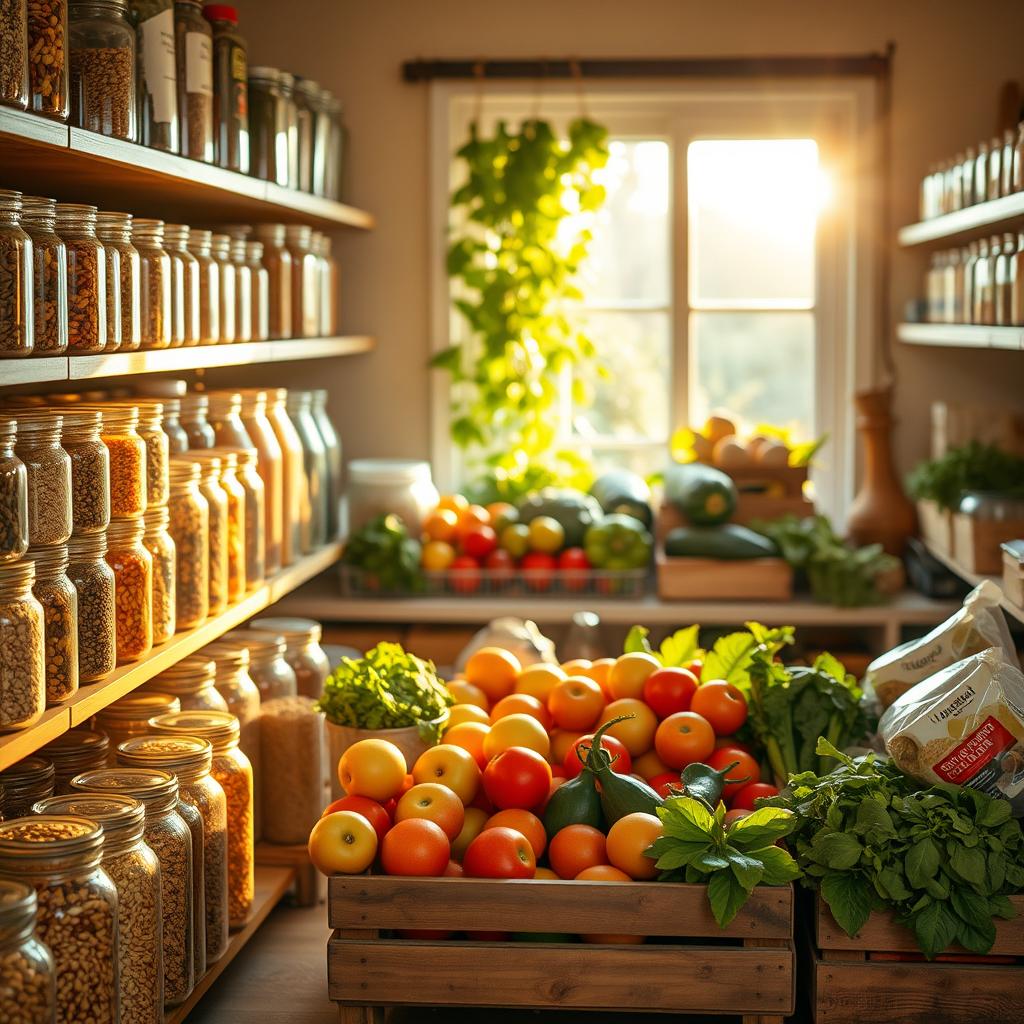
Pantry and Produce Staples I Keep On Hand
I keep healthy pantry items so I can whip up meals quickly. My shopping list includes reliable proteins like canned beans, lentils, tuna, salmon, chicken, tofu, tempeh, turkey sausage, and eggs. These proteins help me make soups, skillets, and bakes in no time.
I stock up on grains like brown rice, quinoa, farro, barley, polenta, and small potatoes. I also have whole-wheat or chickpea pasta for busy evenings. These are affordable, add taste, and keep me satisfied, making them key for weekday meals.
Liquids and flavors like broth, crushed tomatoes, coconut milk, soy sauce, fish sauce, vinegars, and lemon juice enhance dishes quickly. Just a spoonful can transform a meal from bland to flavorful effortlessly.
I use extra-virgin olive oil, avocado oil, and a bit of ghee for fats and taste. Then, I add Dijon mustard, harissa, gochujang, Thai curry paste, and various spices. These let me season once and enjoy delicious meals all week.
Aromatics like onions, garlic, ginger, celery, and carrots are crucial. They’re the foundation of many one-pot dishes and enrich my pantry without added calories.
My go-to vegetables include bell peppers, zucchini, and leafy greens, plus frozen veggies like cauliflower rice and peas. These help me make quick, balanced meals even when I’m pressed for time.
For finishing touches, I keep Parmesan, feta, Greek yogurt, and fresh herbs on hand. Adding a bit at the end makes any dish special and tasty.
On busy days, I rely on pre-washed greens, microwaveable grains, pre-cut veggies, and frozen gnocchi. These shortcuts reduce preparation time while maintaining a focus on health.
Simple storage tips ensure everything is ready to use. I organize my pantry by expiry date, keep grains in sealed containers, and freeze broth and tomato paste. Choosing low-sodium products and rinsing beans helps keep my meals healthy and easy to make.
One-Pot Meals for Busy Moms
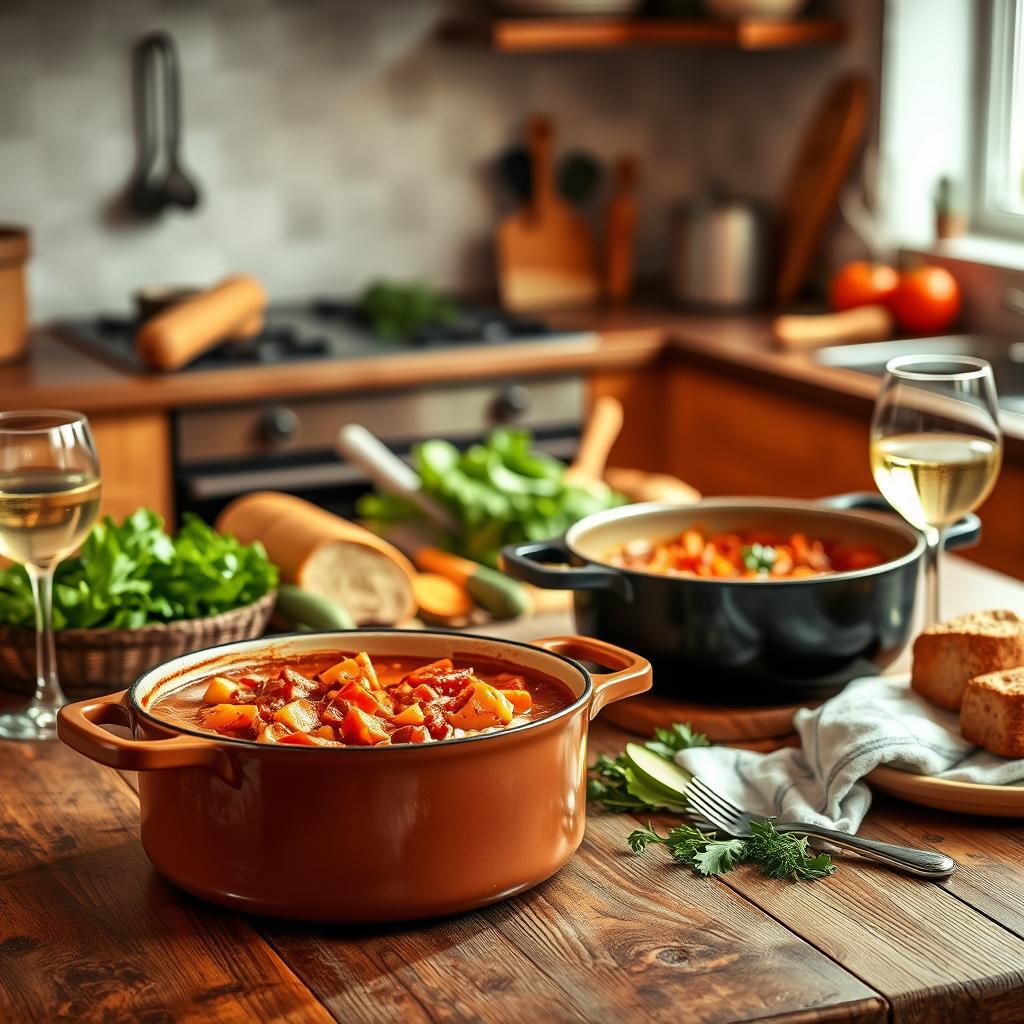
I rely on my Dutch oven, cast-iron pan, and Instant Pot to make dinner fast. These tools make cooking quick and clean-up easier. I focus on meals that take 30 minutes, tasty skillet dishes, and Instant Pot favorites to keep evenings smooth.
High-protein, low-effort dinner ideas
For a meal with about 30 grams of protein, I go for skillet lemon-garlic chicken with quinoa and broccoli. First, I brown the chicken, then add quinoa and broth, and steam the broccoli on top. A bit of lemon and parsley makes everything taste fresh.
The turkey taco rice pot is a high-protein favorite of mine. I cook turkey with onions and spices, mix in brown rice, tomatoes, and corn, and garnish with cilantro and Greek yogurt.
When I want seafood quickly, I make shrimp and cauliflower “risotto.” I start with garlic, add cauliflower rice, peas, and shrimp, and top it with Parmesan and lemon zest. It’s a quick, 30-minute meal that’s both light and satisfying.
Family-friendly options kids actually eat
One-pot cheeseburger pasta is a hit where I swap in healthier pasta and lean meat, adding tomato sauce and a bit of cheddar. I slip in some spinach for good measure. Kids love it, and there’s no fuss at dinner.
My version of chicken noodle soup includes extra veggies like carrots, celery, and peas. I choose egg noodles or a whole-wheat pasta and brighten it with dill and lemon. It’s a comforting, nutritious bowl everyone enjoys.
BBQ chicken and sweet potato skillet mixes sweet and smoky. I combine sweet potato cubes with chicken and a lower-sugar BBQ sauce, adding coleslaw mix for crunch. This skillet meal quickly disappears at the table.
Vegetarian and dairy-free swaps that still satisfy
Chickpea coconut curry with spinach and tomatoes is creamy without dairy. I cook it with light coconut milk and spices, serving over brown rice. This dish is a favorite among my vegetarian and dairy-free recipes.
Lentil Bolognese pasta is filling and easy on the wallet. I cook lentils with marinara and pasta, finishing with basil. Nutritional yeast adds a dairy-free cheesy flavor.
For a quick vegetarian meal, I make tofu and veggie teriyaki. I brown tofu, add frozen veggies, and use a sauce of tamari, ginger, and sweetener. It’s perfect for a fast weeknight dinner.
Freezer-friendly picks for hectic weeks
White bean chicken chili is great for freezing. I make a lot, cool it, then freeze it in portions. It’s easy to reheat and fresh herbs brighten it up.
A turkey and vegetable stuffed pepper skillet is full of flavor and freezes well. I freeze it flat in bags for easy storage and quick thawing.
Hearty minestrone with quinoa is perfect for the freezer. I use low-sodium broth and add greens and herbs. It’s compatible with my go-to Instant Pot recipes, quick dinners, and pre-made freezer meals.
Healthy Cooking Techniques That Make a Difference
I use healthy cooking methods that boost flavor while keeping calories low. With smart tools and low-oil tips, I can handle busy nights smoothly. These techniques help me create balanced meals easily.
Sweat, simmer, and steam: extracting flavor with less oil
I start by sweating onions and veggies in a little oil with some salt, then cover them to keep the steam in. To add more taste, I use broth, white wine, or apple cider vinegar. This lifts the fond and adds depth without much oil.
For proteins, I simmer them softly to keep them juicy without needing thick sauces. Near the end, I add greens to steam right above the pot, which keeps their color and nutrients. For creaminess, I reduce the cooking liquid and add Greek yogurt after turning off the heat.
Smart carb strategies: whole grains, legumes, and veggies
I pick whole grains like quinoa and brown rice for their fiber and energy. I also use beans and whole potatoes to help feel fuller. This way, I can cook everything in one pot without extra work.
I add lots of non-starchy veggies to make meals bigger without many calories. Using these methods, my dishes are both tasty and filling. Instead of butter, I rely on textures to keep things interesting.
Portion control with ladles, bowls, and meal-prep containers
I use a 1-cup ladle for even servings and measure oil with a teaspoon. My 28–32 oz bowls are great for making sure I eat lots of veggies, some protein, and a bit of starch. Simple tools like these keep my eating on track.
For lunches, I pack leftovers in 2-cup containers. Adding lemon, vinegar, or herbs at the end enhances the taste. Using these portion tips makes my daily cooking routine smooth.
My 20-Minute One-Pot Recipe Frameworks
I use simple formulas that change based on what’s in my pantry. These methods help me cook fast meals. I stay around 450–600 calories and make sure each serving has enough protein, fiber, and low sodium.
Framework 1: It’s all about mixing protein, grains, and green veggies in one pan. I quickly cook chicken, shrimp, or tofu. Then, I mix in quinoa or rice with low-salt broth. After 10 minutes, I add broccoli or peas and top it off with lemon and herbs. This is a top pick for a speedy meal.
Framework 2: This involves pasta, lean meat, and a tomato base. First, I cook turkey or heat beans. Then, I add pasta and tomatoes into the mix. The dish is simmered until perfect and finished with Parmesan. These templates make creating different meals a breeze.
Framework 3: For a quick stir-fry, I cook tofu or shrimp, then add frozen veggies. I make a simple sauce and simmer it all together. Lastly, I warm up cauliflower rice in the same pan. This keeps cleanup easy.
Framework 4: I start with onion, carrot, and celery for a fulfilling soup. Next, I put in beans, grains, and broth and cook. I finish with greens and lemon, adjusting the taste as needed. This way, I can enjoy different flavors without extra effort.
Framework 5: For a speedy curry, I cook onion with spices, then add meat or chickpeas and veggies. After simmering, I add lime and cilantro. Sometimes, I use an Instant Pot for quicker meals.
To cook faster, I slice proteins thinly, pick small pasta, and have pre-cooked grains ready. These strategies ensure my meals are quick, stress-free, and always tasty.
Time-Saving Meal Prep Tips I Swear By
Meal prep for moms is a small routine that makes dinner smooth and healthy. A simple plan, clear tools, and fridge organization turn busy nights into successes.
Sunday prep shortcuts that pay off all week
On Sundays, I have a prep checklist: I wash and chop onions, peppers, carrots, and celery. I portion them into zip-top bags. I also cook quinoa or brown rice, and roast mixed vegetables.
I make garlic-ginger paste and chili-lime marinade for easy meals. For snacks, I divide berries and nuts into portions. Plus, I have a bin with spice mixes for taco, Italian, curry, and chili nights, making dinners quick and guess-free.
How I batch-cook proteins for mix-and-match pots
I love batch cooking proteins. I grill chicken, simmer lentils, and hard-boil eggs using an Instant Pot or stovetop. I also prepare slow-cooker shredded chicken with seasonings for various dishes.
I store proteins in 3–4 ounce containers for quick dinners. This way, I quickly mix flavors and manage portions.
Labeling, storing, and reheating for peak freshness
I use clear glass containers and label them with painter’s tape and a Sharpie. I ensure food cools within two hours, keep the fridge cold per USDA, and use or freeze cooked food in 3-4 days.
To reheat, I warm soups and stews on the stove with broth. Pasta likes a bit of water, and rice revives in the microwave with a wet paper towel. I only reheat single servings to avoid spoilage.
For freezing, I lay food flat in zip bags to thaw quicker. I keep an inventory on the freezer door and use the oldest items first. This keeps my meal prep easy and the fridge organized.
Conclusion
One-pot cooking keeps my meals even, my portions just right, and my sink empty. This simple method helps me lose weight without taking over my night. With these tips, I cook easy, healthy meals that don’t feel like shortcuts.
I start with basics from the pantry and fridge, then choose a quick recipe to make twice a week. By changing between high-protein, kid-friendly, vegetarian, and meals you can freeze, everyone’s happy. Using less oil, choosing whole grains, and serving with a ladle help keep things tasty and healthy.
To make weeknights smoother, I stick to a simple plan: pick a pot, add meat or beans, throw in veggies, and flavor with herbs and lemon. This routine makes evenings less hectic and keeps me on track. Plus, these tips mean hardly any dishes to wash, so I’m more likely to keep it up.
Next, I’m planning to cook three one-pot meals this week with what I have at home, tag leftovers for later, and warm them up for quick meals. This strategy improves my energy, lowers stress, and fills the table with healthy meals. They support my weight loss and work well for a busy week.