


I didn’t see the changes to my body coming after childbirth. I knew I’d be tired. Yet, I hoped my body would quickly return to normal if I put in the effort. But, the weight increase and appetite changes made me question my efforts.
What I learned about after-birth body changes mostly came from Instagram. But scrolling through isn’t the same as real medical advice. It’s just content meant to get likes, not to teach new moms about the real changes that happen.
This article is my personal story about recovering after having a baby. It’s about the things I wish someone had told me about how my body would change, without making me feel bad. If you’re looking at your old clothes or your reflection and feel lost, know you’re not by yourself.

Why I Didn’t Recognize My Body After Birth
I expected to feel lighter quickly. Like my body would just snap right back. Instead, when I looked in the mirror, it was like meeting someone entirely new. The way I saw my body after giving birth changed a lot at first. This was tough, even though I knew I had accomplished something amazing.
My belly after giving birth wasn’t simply “still there.” It was tender, felt loose, and so unfamiliar. It was like my center had moved. I kept hoping for a sign that I was “back to normal.” But my body didn’t stick to any schedule.
The “bounce back” myth vs. what actually happened to me
We often hear about the bounce back myth: heal quickly, shrink, and move on. My experience was slower, messier. There were good days and hard ones. I didn’t feel broken, but felt pressure. As if I had to rush my recovery.
Even the smallest comments had me looking for flaws. I focused on fixing things, not on my healing. This mindset made feeling good about my body very hard.
What I noticed first: swelling, softness, and a different shape
The first thing I noticed was swelling—not weight. My feet, hands, and face all looked puffy. My midsection was soft. I couldn’t make it firm, no matter how I tried.
I became really aware of my core. It was most noticeable when sitting up or coughing. Learning about diastasis recti was a big help. It made things clearer than just being told to do crunches.
How social media before-and-after posts warped my expectations
It often started with opening Instagram. In no time, I’d see pictures setting tough timelines for recovery. It made me think of recovery as a competition. I viewed those pictures as the standard, not just the best moments.
The trend of postpartum bodies on social media highlights quick changes. This skewed my view of what’s “normal.” Real life was more about diapers and stitches, not rapid transformations. The most noticeable stories seemed aimed more at selling an image than showing reality.
Postpartum Hormones & Weight Gain: The Real Connection No One Explained to Me
I thought losing weight after having a baby was all about eating less and exercising more. But my body seemed to play by its own rules, and my hunger didn’t stick to a schedule.
Early on, I got a lot of my information from Instagram, starting from the “Log In / Sign Up” screen and scrolling through short posts about hormones. The problem was that these posts simplified things too much. They made it seem like all I needed was discipline, not time to heal.
Over time, I realized that Instagram mixes real health advice with ads. The tips sounded sure of themselves but often didn’t match my daily experiences.
Estrogen and progesterone drop fast after delivery and my appetite felt unpredictable
After giving birth, the sudden drop in estrogen caught me off guard. I had random cravings, it was hard to tell when I was full, and I didn’t stay full for long.
Progesterone changes also made my body feel different, softer and more sensitive. The swings in my appetite felt real, hitting me out of nowhere.
Cortisol and stress: why I craved quick carbs when I was overwhelmed
When I lost track of day and night, the endless stress and cortisol made me crave simple carbs. I needed comfort food that was quick and easy.
I wasn’t just lacking motivation. I was barely getting by on little sleep, endless notifications, and a stress level that was always dialed up.
Prolactin and breastfeeding: why “nursing melts fat” didn’t match my reality
They say breastfeeding burns calories fast. I waited for this to kick in. Instead, I felt hungrier, needing snacks more than ever.
Yes, some people lose weight while breastfeeding. But for me, the scale hardly moved. Plus, I felt like my body held onto every pound and ounce of water, more than any Instagram story could say.
Thyroid shifts after pregnancy: why my energy (and metabolism) felt off
Later, I wondered if my constant tiredness was due to more than just being a new mom. Changes in my thyroid after childbirth seemed worth looking into, instead of just trying to push through.
Feeling slow made me think about my metabolism and its complexities. Generic advice didn’t cut it. I needed care tailored to my own symptoms.
The Postpartum Timeline That Made Weight Loss Feel Impossible
Once I saw my body as more than a quick fix, everything made sense. Social media made me think recovery would be quick. But in reality, days went by slowly, and my body healed at its own speed.
The scale was not kind in the first few weeks. My ankles and fingers swelled up because of the fluid. Even eating like normal, my jeans were tighter. This was due to swelling from giving birth, getting stitches, and achy muscles.
I started to see this time as healing, not for losing weight. Some days I would wake up feeling less swollen. But by night, I felt swollen all over again. It was tough to trust my body when the scale changed for reasons beyond my control.
Then, three months passed, and I was always hungry. I ate at weird times and chose quick snacks. With little sleep, my cravings were intense. Trying to diet strictly just didn’t work or feel safe.
Months went by, and my hormones were all over the place. Friends would ask if I felt like my old self yet. But my hunger, mood, and even bloating changed often. Social media only showed quick fixes, making my slow recovery seem wrong.
The timing in those online posts confused me the most. A picture could be labeled “after baby” without saying when it was taken. Lacking context, my body’s natural changes made me feel like I was failing instead of just healing.
Sleep Deprivation, Hunger Hormones, and My All-Day Snacking Cycle
After having a baby, I felt both alert and exhausted. I looked for easy fixes, and food was quick to reach for. With only short breaks of sleep, my hunger turned into a constant, unclear feeling.
Normal meals became rare for me. Eating was spread throughout the day: a little after changing diapers, a bit more when heating bottles, and then a quick snack while texting. It was a continuous cycle that slowly added up.
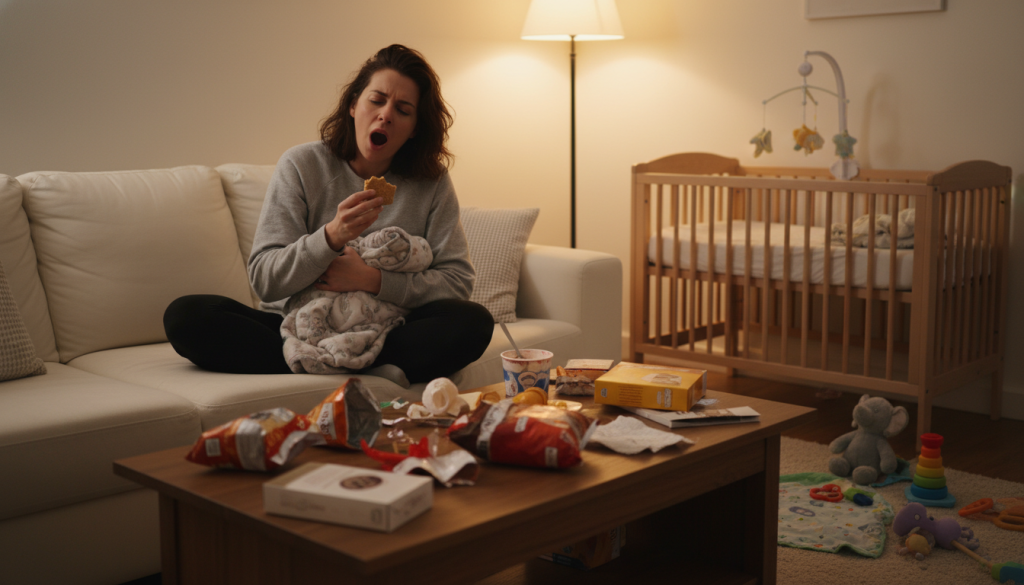
My hunger signals, driven by hormones called ghrelin and leptin, were off. Even when full, I still wanted to eat, as if my body was confused. This made snacking feel automatic, not really a choice.
The emotional aspect was unexpected. My cravings were for comfort and a little break as much as for taste. Snacks provided a quick escape during the tough moments.
At night, I’d mindlessly scroll through Instagram while feeding. The pressure from posts about productivity and getting fit weighed on me. It increased my stress and snacking. Instead of resting, I got stuck in a cycle of scrolling and snacking.
On days after tough nights, I barely moved. This wasn’t from laziness. My body was saving energy. With unpredictable sleep, I relied on snacks to get by, even when I wasn’t sure if I was hungry.
Breastfeeding, Bottle-Feeding, and Weight: What I Wish I’d Heard Without Judgment
Feeding my baby felt like a public debate, especially on Instagram. There, opinions fly fast and sense often gets lost.
Amid that chatter, my body became a topic. And this made my feelings about my body worse in ways I didn’t expect.
Why breastfeeding can increase hunger and make weight loss slower for some moms
Many said breastfeeding would help me lose weight like magic. In reality, I was always hungry and tired.
Hunger from breastfeeding was intense for me. After feeding, I needed more than just snacks to feel full.
Lack of sleep and fuzzy days meant I grabbed easy food. It wasn’t about low willpower; I just needed quick calories.
The perfect images online made feeding look stylish. This made me feel like I had to look a certain way while breastfeeding, creating pressure I didn’t need.
Why stopping breastfeeding can shift appetite and water retention
When I began to wean, my weight started to fluctuate. Nothing big changed, but my body felt different every week.
The weight change during weaning caught me off guard. My hunger, daily habits, and even where I felt bloated shifted.
Online, the hard parts were rarely shown. Things like constant feeding, exhaustion from pumping, or guilt about formula weren’t talked about. So, feeling alone during weaning was tough.
How I learned to separate feeding choices from my body image
I realized that my view of feeding was affecting how I saw myself. What I thought made a “good mom” started to define what I thought a “good body” looked like.
The stigma around formula feeding hit me hard. It can make a sensible choice feel wrong, and that guilt affects a lot more.
What helped was reminding myself that feeding is about care. My value wasn’t tied to how I fed my baby. My body image after giving birth deserved the same kindness.
Postpartum Mental Health, Body Image, and the Scale Obsession
After giving birth, my mind was a lot noisier than my body. Sometimes, I managed the chaos well. On other days, postpartum anxiety made me feel like everything was an emergency, including my appearance.
This caught me off guard: my feelings about my body changed quickly after childbirth. A single picture, comment, or snug piece of clothing could ruin my day.
How anxiety and low mood changed my eating patterns
When anxiety hit, I ate to feel better. But afterward, I’d feel guilty, as though I had messed up again. On tough days, I skipped meals and felt even worse later.
Postpartum depression and worrying about my weight made each other worse. Feeling sad led me to seek quick fixes. If the scale showed a higher number, I felt even lower.
Looking through Instagram made things tougher. Seeing everyone’s best moments made me feel like I was falling behind.
Why I stopped using the scale as my only “progress” metric
The scale became a way to judge my self-worth every day. That obsession with the scale weakened my self-esteem, as a single number could ruin my mood.
Social media posts about quick fitness achievements added extra pressure. They made my postpartum anxiety worse, even though I was recovering and hardly got any sleep.
Instead, I started tracking other things. I paid attention to how my clothes fit, if climbing stairs became easier, and whether I had energy in the afternoon. I also noticed if my mood was stable and if I could maintain healthy routines.
What helped me feel like myself again (without toxic positivity)
I didn’t need false cheerfulness. Pretending everything was fine felt wrong, considering the panic, pain, and hormonal changes.
What really helped was honest self-talk: I’m recovering, and it’s okay to exist freely. I avoided content that made me feel worse, ignored accounts that were too extreme, and took breaks when I needed them.
Asking for help made a big difference, even though it was tough. Talking about my postpartum depression and concerns about weight helped me find support. That support helped me regain my confidence step by step.
What Helped Me Most: Gentle, Realistic Habits for Hormone-Supported Weight Change
I stopped following the “perfect” plan I saw online and chose what worked for me, even on little sleep. Shifting my focus to recovery as my goal was a big change. This mindset simplified postpartum nutrition for me.
Protein + fiber basics that kept me fuller during hormone swings
After giving birth, I made sure to have protein and fiber at most meals. My go-to choices were eggs with toast and berries, Greek yogurt with chia seeds, or a simple rotisserie chicken salad. This helped control my cravings and kept my energy levels stable.
I didn’t obsess over tracking every meal. Instead, I focused on filling snacks, like cottage cheese with fruit or hummus and crackers. This balanced approach was manageable, even on tough days.
Walking, light strength work, and rebuilding core stability safely
My walking routine started with just a few minutes outside, gradually increasing as I felt able. It boosted my mood without wearing me out. Plus, it was a nice break from scrolling through unrealistic workout plans.
Adding light strength training, I focused on form and how I felt afterwards. To improve my core safely, I avoided intense abs workouts and watched for any unusual pressure.
Hydration and electrolytes for postpartum fluid shifts
Staying hydrated meant more than just drinking water. It was crucial to spread my fluid intake throughout the day and add electrolytes, especially on hot days or after long nights. This helped reduce headaches, dizziness, and swelling.
Keeping a water bottle near my feeding spot and another in the kitchen was a simple but effective strategy. It also made understanding my hunger signals easier.
When I decided it was time to ask my doctor about labs and symptoms
After a while, my exhaustion was more than just typical new-mom tiredness. I experienced ongoing fatigue, confusion, and a feeling that something was off. So, I asked my doctor for tests on my thyroid and other areas to stop guessing and reduce my stress.
Social media remained a helpful community source, not a guidebook. Going for a checkup felt like taking charge of my health, supporting my eating and exercise habits post-baby.
Conclusion
My key lesson is quite clear: understanding biology is crucial for postpartum hormone and weight gain issues. I realized my journey wasn’t a failure. It showed my healing process, stress, lack of sleep, and the effort to keep my baby and me safe.
Writing this helped me express a side of postpartum recovery I wish I knew earlier. Changes can be slow and chaotic, which is perfectly normal. The best support came from those who encouraged me without shame and accepted my body, allowing for both softness and strength.
Small habits made a big difference for me. This includes eating protein, fiber, and drinking water. I also took gentle walks and did some light strength exercises. It helped me feel more balanced.
I learned to not let Instagram’s “Log In / Sign Up” screen push me to prove myself on postpartum health. What looks good online isn’t always the best or safest option after having a baby.
I now use social media less and look for real support instead of endless scrolling. When I feel tired or notice changes in my mood, hair, or appetite, I talk to a doctor. Asking direct questions is a key part of caring for myself after giving birth. This approach helps me focus on care, not comparison.