


I thought losing postpartum weight was simple. Just add more cardio and wait for the scale to drop. But I was wrong. Cardio sometimes made me feel more tired, more sore, and less like myself.
Still, I believe exercising after pregnancy is a great gift for my body and mind. The Mayo Clinic says postnatal exercise helps with weight loss if you also eat less. It boosts energy, improves sleep, eases stress, and can lessen symptoms of postpartum depression.
But I’m not against cardio. I’m for using the right tool at the right time, especially during postpartum recovery. My missing piece was fixing my pelvic floor and strengthening my core for impact.

I also made some basic rules. The Mayo Clinic and the U.S. Department of Health and Human Services stress to start slow. Warm up, cool down, gradually increase the pace, drink plenty of fluids, and stop if it hurts. I follow these steps for postpartum fitness, even on days when I feel energetic.
Bodies are different and don’t follow a single path. HealthPartners shows that recovery can differ after vaginal births or C-sections, affecting safe workouts. So, I’m first focusing on strength training after giving birth. Then I’ll add walking, short movements, and realistic nutrition.
Why Cardio Isn’t Working for Postpartum Weight Loss
I thought sweating more and working harder was the answer. Yet, postpartum weight loss was different this time. Trying to beat it with more cardio made me feel weak, not strong.
After having a baby, my core felt weak, like a deflated balloon. Cardio involves many quick changes in pressure which didn’t help.
My core and pelvic floor aren’t a “stable platform” yet (and cardio asks them to be)
For core stability postpartum, I need my deep core muscles working well together. This includes the diaphragm, transverse abdominals, and others. They help me move powerfully when in sync.
Without this coordination, I felt out of control. Even if my pelvic floor was healing, it couldn’t keep up during cardio. My form would quickly break down.
Cardio is great for heart health and stress relief, but it doesn’t rebuild the foundation pregnancy changed
Cardio boosts my mood and helps with fitness and stress. However, it doesn’t fix the muscles stretched during pregnancy.
Running or cycling improves breathing and endurance but not muscle growth. Resistance training helps rebuild strength. Skipping it for quick cardio means I’m missing crucial stability.
| Training style | Primary stimulus | What it can do well for me postpartum | What it won’t fix by itself |
|---|---|---|---|
| Steady-state cardio (running, cycling) | Cellular systems tied to respiratory capacity; muscular endurance | Supports heart health, stress relief, and daily stamina | Doesn’t retrain coordination of the deep core system or restore pelvic support |
| Resistance training (weights, bands) | Protein synthesis linked to hypertrophy; maximum strength | Rebuilds strength and control so movement feels steady again | Doesn’t replace gentle re-connection work if breathing and pressure control are off |
When I push intensity too soon, I risk the “speedbumps” I don’t want (leaking, pain, pressure, doming)
Ramping up HIIT too soon brought problems. I noticed leaking, pelvic and back pain, and feeling heavy. Effort spikes even caused my belly to dome.
This warned me about risks like prolapse and joint issues. Pain or fatigue meant I needed to stop and not push through.
Instead of just wanting to sweat it out, I realized I needed a solid foundation. Rebuilding core stability made intense workouts a choice, not a struggle.
What postpartum weight loss really looks like (and why my expectations needed a reset)
I thought I’d lose weight quickly with extra cardio. But I learned that understanding the postpartum weight loss timeline and aligning my plan with recovery helped more.
Knowing what my body was going through, I stopped seeing slow weeks as failures. I began to aim for steady, realistic progress instead.
What usually drops right away after delivery
When I wondered about the weight loss right after birth, I found a specific answer. Most women lose around 10–13 pounds from the baby, the placenta, and amniotic fluid.
Then there’s the shift in the first week that’s not really “fat loss.” When my swelling went down, I noticed the retained fluids postpartum started to leave. This made the scale drop fast, even without changing my routine.
Why “rapid” weight loss isn’t typical postpartum
I had to learn that quick weight loss isn’t common while the body is healing. It might take up to a year to get back to pre-pregnancy weight for some, which is normal.
My aim shifted to slow and steady progress. Trying for 1–2 pounds a week postpartum is advised. Pushing too hard can lead to problems, especially when you’re not sleeping much and stress is high.
| Time window | What the scale often reflects | What I focus on instead |
|---|---|---|
| Right after birth | 10–13 pounds after delivery from pregnancy tissue and fluid | Rest, gentle walking, and letting my core settle |
| First week | Shifts from retained fluids postpartum as swelling eases | Protein, regular meals, and short movement breaks |
| Weeks to months | Slower change as fat loss competes with recovery and sleep | A sustainable pace of 1–2 pounds per week postpartum, if weight loss is a goal |
Breastfeeding calories: real, but not a free pass
Breastfeeding is helpful, but it’s not a magic solution. Despite hearing breastfeeding burns 500 calories, cutting too much food made my energy and mood plummet.
The best approach for me is moderate, consistent exercises while breastfeeding. I watch my milk supply and stay hydrated because dehydration can worsen how I feel and complicate feeding.
When I do intense workouts, I plan them carefully. I’ll feed or pump before or wait a while after if taste affects feeding.
Starting to exercise after birth, I keep things simple. I might go for walks a few days after an uncomplicated vaginal delivery. But after a C-section, I wait until my doctor says it’s okay to avoid straining my abdomen.
What I do instead of more cardio: strength training for postpartum recovery and fat loss
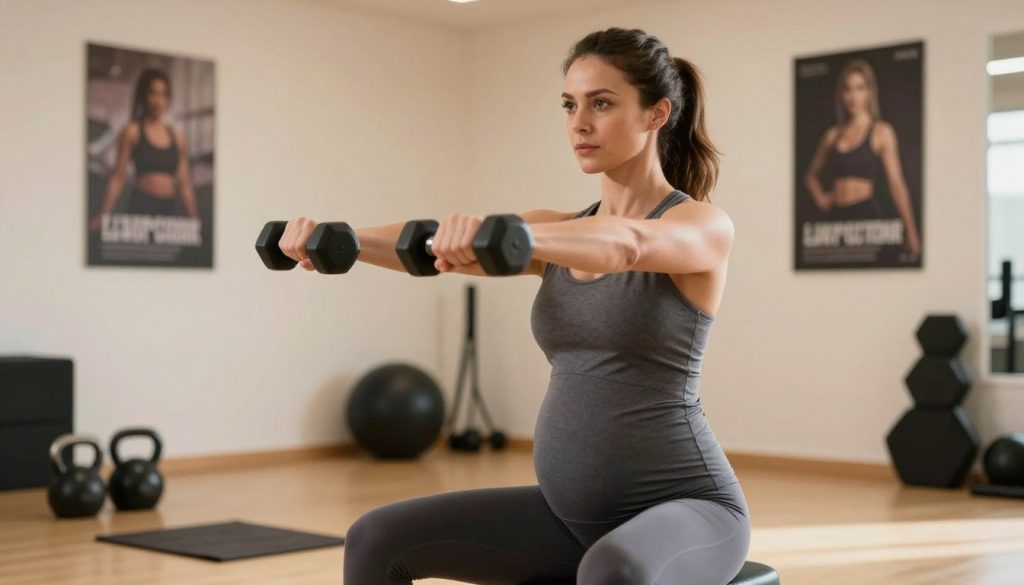
I don’t just add more cardio for postpartum weight loss. I focus on strength training. It helps fix changes from pregnancy and increases my stamina.
I take real recovery seriously from the start. For the first two weeks after giving birth, I rest a lot. I only take short walks if they feel good to me. Later, about six weeks in and with advice from my doctor, I begin simple strength exercises I can control.
Why I prioritize resistance training first
Resistance training helps me reconnect with my core after giving birth. It teaches me control and alignment without overdoing it.
It also improves my posture and strengthens me for everyday tasks. It lowers my injury risk, too. It benefits me differently than just running would.
When I train, I watch out for leaks, pain, strange pressure, and bulging muscles. If I notice any, I take it easy and might get help from specialists.
The early moves I lean on to rebuild my foundation
I see core and pelvic floor work as practice, not a tough workout. I start with deep breathing exercises lying down, doing this several times a day.
Next, I use Connection Breath to sync my body parts on purpose. It helps me balance tension and relaxation.
To work on pelvic tilts, I lie down and adjust my pelvis with my muscles, then hold. I start with a few reps and increase them as I get smoother.
Doing Kegels correctly is key for me postpartum. I practice them carefully, not rushing, and adjust the routine based on how I feel each day.
On days I feel stiff, I turn to gentle yoga. Happy Baby Pose helps me relax and refocus.
With my doctor’s okay, I add more moves like bridges and bird dogs. I’m careful to avoid anything that strains my middle section.
| Foundation focus | What I do | My form cue | How I dose it early |
|---|---|---|---|
| Breath + pressure control | Deep breathing + Connection Breath | Ribs expand on inhale; long exhale without gripping my neck | 5–10 minutes, 2–3 times per day |
| Core control | pelvic tilts postpartum | Low back gently presses down; no butt clench | Hold up to 10 seconds; 5 reps, build to 10–20 |
| Pelvic floor strength | Kegels postpartum | Lift and release fully; no breath holding | 3 sets/day: either 10x (10-sec hold/10-sec rest) or 10–15x (3-sec/3-sec) |
| Mobility + calming | gentle yoga postpartum (Happy Baby Pose) | Jaw and belly soft; breathe into the stretch | Hold about 90 seconds |
How I progress toward “real workouts” without rushing
When I feel ready, I start with bodyweight and bands. I focus on doing more reps and sets first. Then, I slowly increase the weight.
I work on strengthening my back, glutes, and legs. I also stretch my chest and hips. This improves my posture and makes daily tasks easier.
I practice movements I do every day, like squats and lifting. I wear a comfy sports bra and use nursing pads if needed.
How I combine safe cardio, daily movement, and nutrition so weight loss actually happens
Once I get the ok from my doctor, I think of cardio as an important part but not the only focus. I aim for 150 minutes of medium-level aerobic exercise each week after having a baby. This goal is split throughout the week to make it manageable even with a little one around. I keep my exercise moderate on purpose because doing too much isn’t always the best approach.
Starting with a simple post-baby walking plan helps me fit exercise into my busy life. Some days I might do a long walk with the stroller, and other days I do three short walks that add up. Breaking it into three 10-minute walks makes it easier for me to manage my energy and stick with it.
When I feel strong enough, I start doing activities that are easy on my body. I wait to start swimming until after my post-baby bleeding stops, and I make sure the first few times in the pool are easy and fun. I find water aerobics really good because it’s gentle on my body but still gets my heart rate up.
To make sure I keep getting better, I increase my exercise time or distance by just 10% each week. This approach helps even when I want to do more. I also make sure to warm up, cool down, drink plenty of water, and stop if something hurts.
Sometimes my body sends signals that I need to take it easier. If I feel pressure in my pelvis, leak, have sharp pains, get really tired, or see my belly bulge oddly, I know it’s time to slow down. I’d rather have small successes regularly than miss out because I overdid it and got hurt or too tired.
| What I do | How I keep it safe and realistic | What I watch for |
|---|---|---|
| Daily walk | Use my postpartum walking plan with 10-minute blocks; add steps during errands or around the house | Pelvic pressure, leaking, heavy legs, or pain that changes my stride |
| Weekly cardio goal | Aim for 150 minutes moderate aerobic activity postpartum across 4–6 days; keep most sessions easy to moderate | Excessive fatigue later that day, poor sleep, or soreness that lingers |
| Pool workouts | Start with swimming after postpartum bleeding ends; try water aerobics postpartum for low-impact cardio | New discomfort, increased bleeding, or feeling wiped out after a short session |
| Progression | Follow the 10% rule postpartum for distance or time; add only one “bigger” change per week | Any return of core doming, pelvic heaviness, or pain during the increase |
Eating right helps me see the results of my efforts. I eat plenty of protein and fiber at meals, like eggs and fruit or beans with rice and veggies. Protein keeps me full and supports recovery, while fiber helps prevent constipation after having a baby.
I try to eat fewer processed foods because they’re easy to have too much of when I’m tired. I also eat fewer refined carbs by choosing whole grains instead. When craving sweets, I pick options with fruit, nuts, whole grains, or a little dark chocolate.
Drinking enough water is essential for me, especially when breastfeeding. It keeps me feeling good and helps with my workouts. I try to drink five to eight extra glasses of water or other non-caffeinated drinks daily. To make sure I don’t forget, I leave a water bottle where I nurse my baby, especially on busy days.
To maintain my routine, I don’t skip meals and try to eat at the same times every day. I use meal kits, pre-cut veggies, and precooked chicken to make things easier. If someone offers to help, I ask for groceries or prepared meals. This support helps me keep everything on track.
Conclusion
I don’t just say no to cardio. It’s just not my main choice for losing weight after having a baby, especially when I need to fix my core. A smart plan to lose weight after baby involves fixing my core and pelvic floor first. This makes everything else feel safer and more manageable.
I start with simple steps: breathing right, controlling my core, and strengthening my pelvic floor. Then, I move on to lifting weights gradually. This helps me become stable and strong before I dive into cardio. I pick mild cardio activities like fast-paced walking, light biking, or short runs. My goal is to be fit for cardio, not use it to get fit.
Going too hard too soon can lead to issues like leaking, pain, pressure, and bulging muscles. I also want to avoid injuries and other setbacks that might keep me from working out. A good fitness plan after having a baby helps me keep exercising without getting hurt. That’s way better than pushing too hard for just a week.
Keeping expectations real is key. Right after giving birth, many people lose about 10–13 pounds and extra fluid in the first week. Then, losing weight usually takes time, even up to a year. So, I try not to lose more than 1–2 pounds each week. Choosing consistent, gentle workouts, staying hydrated, and following doctors’ advice works best. This approach also brings benefits the Mayo Clinic talks about, like sleeping better, feeling less stressed, having more energy, and improving heart health.