


I wrote this guide to help map out a simple diet plan for after having a baby. It focuses on healing, steady energy, and gentle fat loss. I want to be strong for taking care of my newborn, not looking for quick fixes. With tips from nutrition expert Dara Godfrey, MS, RD, the plan includes drinking plenty of water, eating balanced meals, and being patient with my body.
I start with the plate method: half the plate with veggies that aren’t starchy, a quarter with lean protein, and a quarter with whole grains. This keeps my meals balanced and makes losing weight manageable, even when I’m busy. I focus on foods that boost energy like oats, salmon, Greek yogurt, beans, berries, avocado, and leafy greens.
How many calories I need varies. If I’m breastfeeding, I need about 2,000–2,800 calories a day, according to the CDC. If not, I need about 1,600–2,400 calories. Breastfeeding means I need an extra 400–500 calories. But, I make sure to never go below 1,800 calories to keep my milk supply and energy up. Losing about 1 pound a week is a good goal, says the Academy of Nutrition and Dietetics.
Carbs are important for healing after childbirth, milk production, and balancing hormones. I stay away from very low-carb diets. Instead, I make sure carbs make up 45%-65% of what I eat. My doctor helps adjust this if needed. I also make sure to keep taking vitamins for important nutrients. And if I’m breastfeeding, I watch my caffeine intake and alcohol use.

Drinking enough water is key. I make sure to drink water every time I feed my baby and check that my urine is pale yellow. When things get busy, I rely on simple meals, cooking in batches, and eating leftovers. I use the slow cooker, Instant Pot, and oven for easy meals. With these habits, making a postpartum meal plan is doable. It helps me stay energized and reach my long-term goals.
Postpartum Nutrition Essentials for Recovery, Energy, and Healthy Weight Loss
I focus on what to eat after having a baby. This helps me heal and stay energized. I also aim to return to a healthy weight. I choose foods that are not only good for me but also quick to prepare. Making small dietary changes works well when caring for a newborn. These changes are also easier to keep up with over time.
Balanced macronutrients: proteins, fiber-rich carbs, and healthy fats
I make sure to eat protein with every meal and most snacks. Good sources include eggs, chicken, and lean beef, along with plant-based options like beans and tofu. Seafoods like salmon and sardines, and dairy like Greek yogurt, also help my body heal.
I eat fiber-rich carbs like quinoa, oats, and whole wheat pasta. Fruits and vegetables are also important for fiber. I add them slowly to my diet to keep my stomach happy.
Healthy fats give me stable energy. I add avocados, olive oil, and nuts to my meals. Omega-3 fats from fish and seeds help my mood and my baby’s development.
Key micronutrients: iron, calcium, choline, iodine, vitamin C, zinc, and selenium
For key vitamins and minerals, I mix lean meats, beans, and leafy greens. They give me iron. I get calcium from dairy or fortified nut milks. This is very important after giving birth.
I find choline and iodine in eggs and fish like cod and sardines. For vitamin C, I eat citrus fruits and berries. Zinc comes from seafood and beans. Brazil nuts give me selenium. These nutrients help my immune system and recovery.
Hydration targets and signs you’re well-hydrated
Hydration is key, especially for breastfeeding. I aim to drink up to 3 liters of water a day. Some signs of good hydration include light urine color and feeling energetic. I also count liquids like broths and smoothies. Foods with high water content, such as cucumbers and tomatoes, help too.
Breastfeeding vs. non-breastfeeding calorie needs
When breastfeeding, I need about 2,000 to 2,800 calories each day. This includes an extra 400 to 500 calories for nursing. If I’m not nursing, 1,600 to 2,400 calories usually works. To lose weight without affecting milk supply, I don’t go below 1,800 calories unless my doctor says it’s okay.
Safe caffeine and alcohol guidance during lactation
When it comes to caffeine, I limit myself to 300 mg a day. For alcohol, moderation is key. I time it well around breastfeeding sessions. I’m careful with seafood too. I avoid ones high in mercury like king mackerel. Instead, I choose safer options like salmon and shrimp.
By focusing on proteins, carbs, fats, and vitamins, I keep myself well-fed and energized. This helps me stay sharp and prepared for my day.
How to Create a Postpartum Meal Plan
I keep my routine simple for busy days. I use the postpartum plate method for balance. It matches the ChooseMyPlate postpartum guidance perfect. This keeps my energy up while I care for my baby.
Use the plate method: 1/2 non-starchy veggies, 1/4 lean protein, 1/4 whole grains
My plate at meals? Half is non-starchy veggies like greens and carrots. A quarter is lean proteins – think eggs or fish. The last part? Whole grains or starchy veggies like quinoa or sweet potatoes. This makes portion control easy and prevents energy drops.
Build meals around whole foods and minimally processed staples
My meals focus on whole foods like fruits, veggies, and lean proteins. I cut down on added sugars and fried foods. I pick healthier options like rotisserie chicken instead of chips. And I use simple swaps, like Greek yogurt instead of sweetened varieties.
Align portions with gradual weight loss while maintaining energy
I go for slow weight loss to stay strong. If breastfeeding, I consult my doctor for a safe calorie plan above 1,800 daily. I eat regularly—three meals, two snacks—to manage portions. I also adjust based on hunger, activity, and sleep.
Incorporate omega-3s for mood and recovery support
I include foods rich in omega-3s like salmon and walnuts often. They boost mood, fight inflammation, and support breastfeeding. It’s about rotating between fish and plant-based sources to get benefits.
Continue prenatal/postnatal vitamins with clinician guidance
I keep up with prenatal vitamins postpartum for essential nutrients. I check with my doctor to adjust as needed based on diet and health changes.
Here are some meal ideas: apple-cinnamon oatmeal or chia pudding for breakfast. For lunch, a quinoa salad with chicken, or a chickpea pasta salad. Dinner? Lemon-garlic chicken with veggies fits the postpartum plate method. These choices are practical and healthy.
Breastfeeding, Hormones, and Sustainable Weight Loss Strategies
I aim for slow progress so my body can heal and my energy stays steady. My plan respects the day-to-day shifts of postpartum hormones like estrogen and cortisol. I keep choices simple, consistent, and mindful of my milk supply and mood.
Why slow and steady loss (about 1 lb/week) protects milk supply
I follow a plan to lose about 1 pound per week. This guards my milk supply and prevents energy crashes. I consume at least 1,800 calories and monitor hunger cues, diaper counts, and my baby’s growth with my clinician’s guidance.
Gentle changes allow me to lose weight while nourishing my baby.
Carbohydrates for milk production and hormone regulation
I rely on carbs because they power milk production and help balance hormones. I try to get 45%–65% of my calories from whole grains, beans, fruits, and starchy veggies. This keeps my energy even as my hormones, estrogen and cortisol, adjust after birth.
Managing hunger and satiety hormones with protein + moderate carbs
To control my hunger, I combine protein with moderate carbs in my meals and snacks. This strategy helps manage spikes and maintains postpartum rhythm in hormones like ghrelin and leptin. Including fiber and healthy fats helps me stay full and avoid processed foods.
Personalizing calories and macros based on activity, health status
My needs change based on my body size, sleep, and breastfeeding frequency. Therefore, I set my macros postpartum on a personalized basis. I use the CDC’s calorie ranges as a starting point and then adjust for my activity, medications, and blood sugar targets.
If I exercise more, I increase carbs to support my energy output and recovery.
Movement ideas that support recovery and energy
Once I get the green light, I start with low-impact activities like walking, yoga, Pilates, and swimming. I keep exercise sessions short and easy to repeat, focusing on walks with the stroller and gentle flows. As I get stronger, I add light interval training or strength exercises, always checking that my energy level and milk supply remain stable.
Time-Saving Meal Prep, Snack Ideas, and a 5-Day Framework
I make my postpartum meal prep easy to have time to rest and still eat healthy. Having a 5-day plan lets me map out meals, enjoy my favorites more than once, and cuts down on last-minute decisions. I focus on making large amounts of a few dishes and choose high-protein snacks to keep my energy up.
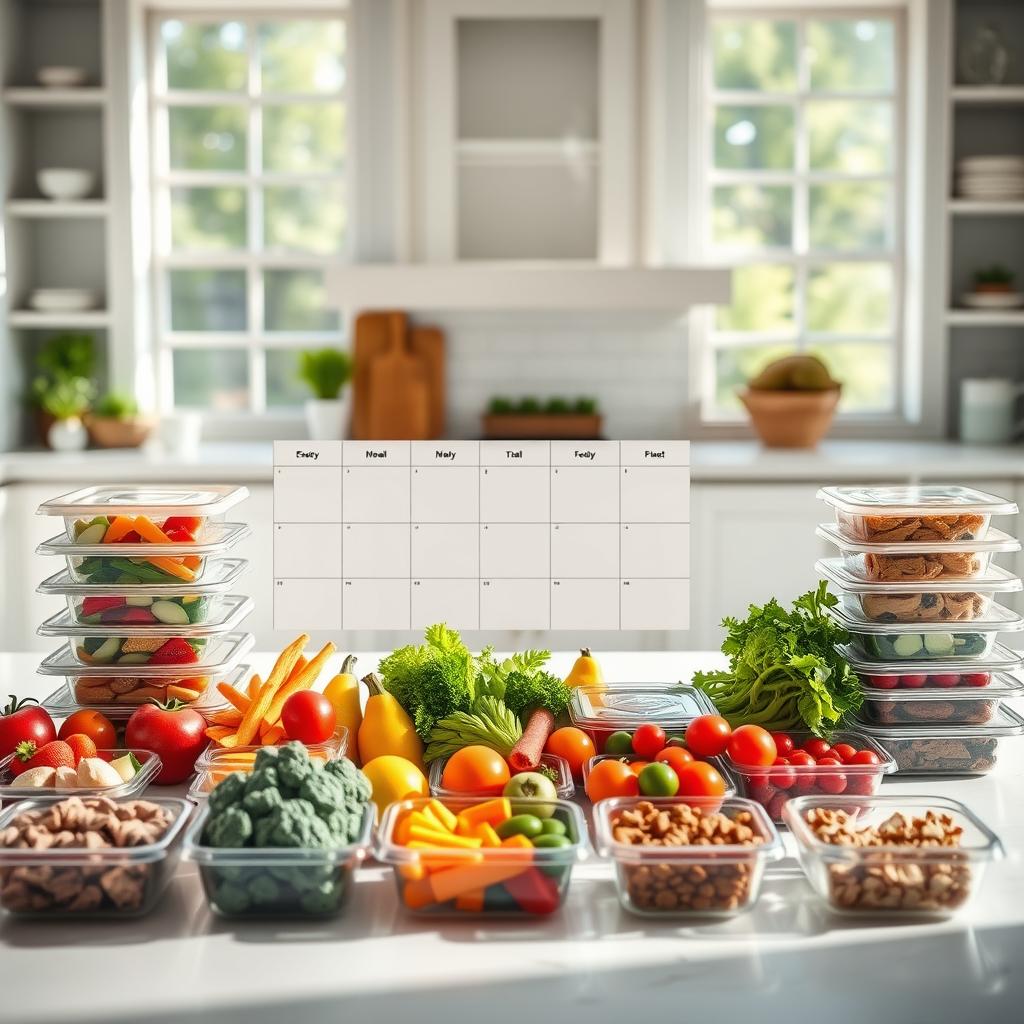
Batch-cook and rely on leftovers: slow cooker, sheet pan, and Instant Pot
I use my slow cooker, Instant Pot, and sheet pan to make cooking and cleanup quicker. Cooking big amounts means I freeze some for later, so I don’t get tired of what I’m eating. I switch between slow cooker steel-cut oats, chicken soup, and one-pot pasta dishes that are simple and filling.
These meal options are quick for lunch or dinner, just add some greens or fruit. Keeping some meals frozen means I’ve got backup plans for busy days.
Grab-and-go snacks: Greek yogurt, nuts/seeds, trail mix, cottage cheese, smoothies
For busy days, I stock up on snacks high in protein. I pick things like Greek yogurt with berries, cottage cheese with fruit, and nuts. Trail mix, cheese with apples, and hummus with pita are also on my list.
Smoothies are easy to make ahead of time, and peanut butter protein bars are a freezer-friendly snack. A banana with peanut butter helps keep hunger away until dinner.
Sample meal ideas: oatmeal, chia pudding, rotisserie-chicken salads, soups, one-pot pasta
Day 1 starts with oatmeal; lunch is a chicken quinoa salad, and dinner is chicken tortilla soup. I make enough salad for a couple of days.
Day 2: I have chia pudding for breakfast, a Mediterranean pasta salad for lunch, and a stuffed pepper casserole at dinner.
Day 3: It’s carrot cake oatmeal for breakfast, a chicken salad sandwich for lunch, and for dinner, a turkey burger with sweet fries.
Day 4: I eat a mango smoothie bowl, have “egg roll in a bowl” for lunch, and one-pot pasta for dinner.
Day 5: Breakfast is protein pancakes; lunch is a salmon bagel, and dinner is lemon-garlic chicken with veggies.
Smart swaps and convenience: precut produce, frozen grains, mason-jar salads
I use precut veggies, ready-to-eat chicken, and quick-cook grains to save time. Making salads in mason jars keeps them fresh longer.
Accepting help with meals and choosing convenient options helps me stay on track during busy times. These smart choices make meal prep doable.
Hydrating foods and beverages to reduce fatigue and support digestion
I eat foods that help me stay hydrated and support digestion. Favorites include watermelon, cucumbers, and juicy fruits like peaches and kiwi. I also drink broths, smoothies, and plenty of water to stay hydrated.
Drinking water regularly, especially when nursing, keeps me feeling good. I enjoy coffee or tea in moderation, keeping it away from feeding times.
This meal plan makes eating well and resting easier in the postpartum period. With simple slow cooker meals and salads ready to go, I don’t have to spend too much time cooking.
Conclusion
My postpartum meal plan is all about recovery and keeping my energy up. I make sure half my plate is filled with veggies that are not starchy. I also include lean protein and whole grains. To top it off, I add healthy fats and fiber.
I don’t skip carbs because they help with hormones and milk production, if I’m nursing. Eating regularly, choosing balanced snacks, and foods rich in omega-3 boost my mood and energy.
If I’m breastfeeding, I aim for 2,000 to 2,800 calories a day. If breastfeeding is my baby’s only food source, I add 400-500 calories. But, I never eat less than 1,800 calories when trying to lose weight. Losing more than one pound a week is a no-go.
I keep caffeine under 300 mg a day. I’m careful with alcohol, waiting two hours after a drink before nursing. I choose fish that’s low in mercury, like salmon and shrimp, and avoid those high in it, like shark and king mackerel.
To stay energized and hydrated, I drink lots of water, sometimes up to 3.8 liters when nursing. The color of my pee, pale yellow, helps me know I’m drinking enough. I continue taking vitamins to get enough iron, calcium, and other essential nutrients. My meal portions depend on what my body needs. I also work closely with my doctors, especially if I have health conditions.
Life with a new baby keeps me on my toes. So, I use tricks like batch cooking and easy-to-prepare meals. This way, I can stick to my meal plan even on tough days. With a bit of patience and good habits, I’m able to take care of myself and my baby. A dietitian’s advice helps me keep my weight loss goals realistic and healthy.