


I’m working on getting my strength and energy back, one meal at a time. After giving birth, my body needs constant nutrition to heal. Especially if I’m breastfeeding, I need foods that help with milk supply. It is possible to follow a Postpartum Diet on a Budget. This means eating real foods, smart shopping, and quick prep. I’m focusing on eating healthy with simple changes. I look for budget-friendly options and quick, healthy recipes.
I make sure to include carbs because they help with milk production and balance hormones. I get my protein from eggs, beans, and canned salmon. I also include healthy fats, like avocados, nuts, and seeds. These foods help in postpartum recovery by keeping me full and energized. I drink plenty of water to stay hydrated, aiming for light yellow pee. I also cut down on added sugars and heavily processed snacks.
When it comes to breastfeeding nutrition, I focus on affordable meals. I use oats, brown rice, yogurt, leafy greens, and frozen veggies. I pick fish with low mercury, like salmon, shrimp, tilapia, and light canned tuna. I make sure to continue with my prenatal or postnatal vitamins. I also watch my caffeine intake. Eating small, balanced meals helps me stay calm and ready for my baby, all while keeping my spending low.
Nourishing My Postpartum Body: What to Eat, How Much, and Why It Matters
I feed myself as if I’m recharging from a huge effort, similar to a marathon. I create balanced meals after birth to keep my energy up, aid healing, and ensure good milk. My plan for eating each day is straightforward and doable.
Why balanced meals help my recovery, energy, and milk supply
Eating every few hours keeps my mood and energy even. Balanced meals offer me fiber, protein, and fats, preventing my blood sugar from dropping during feedings. I include carbs because they help balance hormones and boost milk production.
Variety is key for me: I eat leafy greens, fruits like oranges and berries, whole grains, protein-rich foods, and seafood low in mercury. These foods provide essential nutrients such as iron, calcium, vitamin D, and omega‑3s.
How many calories I really need postpartum (breastfeeding vs. not breastfeeding)
I adjust my calorie intake based on my daily needs. For breastfeeding, I consume between 2,000–2,800 calories. Without breastfeeding, 1,600–2,400 calories covers it for most days.
Some days, I need an extra 400–500 calories for breastfeeding. If I want to lose weight gently, I never eat less than 1,800 calories while nursing to support my baby’s growth.
Carbs, protein, and healthy fats: what my plate looks like
My meals are built on carbs, protein, and fats. Half my plate has carbs like oats or sweet potatoes. Then I add protein and healthy fats from foods like eggs, dairy, and avocado.
Breakfast might be oatmeal with berries. Lunch could be a big salad with protein and fats. Dinner often includes fish, grains, and vegetables. These meals give me energy and keep me full.
Hydration goals and easy ways I stay on track
Staying hydrated is crucial, especially for breastfeeding. I aim for about 3 liters of water daily. Keeping a bottle nearby helps me remember to drink often.
Water is my main drink. Sometimes, I add flavor with juice or eat foods high in water content. This keeps me and my milk supply in good shape.
Smart limits: caffeine, alcohol, added sugar, and highly processed foods
I limit my caffeine to about 300 mg daily while breastfeeding. That’s around two to three cups of coffee. I choose decaf if I want more.
I’m careful with alcohol, waiting a couple of hours before nursing if I have a drink. I eat less sugar and processed food. And I choose fish low in mercury to maintain good omega‑3 levels.
Postpartum Diet on a Budget
I shop smart to make my postpartum grocery budget stretch. My shopping list is short and filled with store brands. Affordable, healthy foods that are easy to make keep me going through feedings and nap times.
My budget-friendly pantry staples: beans, eggs, oats, brown rice, frozen veggies, and canned fish
Beans and lentils are cheap but rich in fiber and protein. Eggs are great for quick meals, and oats can be breakfast or snacks. Brown rice makes meals like stews and stir-fries go further. Frozen vegetables save time and waste.
Canned fish like light tuna and salmon are low in mercury and high in DHA. They’re great in salads and sandwiches. These staples keep healthy eating simple and budget-friendly.
Affordable protein picks for busy days (including plant-based options)
In the morning, I reach for Greek yogurt or peanut butter with fruit. At lunch, I switch between eggs, tofu, and beans. Rotisserie chicken can be used in many meals throughout the week.
For seafood, I buy shrimp or tilapia when it’s on sale. Mixing different plant proteins helps me save money while still eating well.
Seasonal and frozen produce hacks to save money without losing nutrients
I buy fruits like peaches or apples in their season and freeze any extras. When it’s not their season, I use frozen veggies to keep my meals full of vitamins. This way, I don’t lose out on nutrition.
I also buy long-lasting veggies like carrots and cabbage. Comparing prices and picking store brands helps my budget go further.
How I batch-cook and meal-prep with a newborn
Meal prep is simple: one pot of rice, roasted veggies, and a protein source. Then, I divide them into portions for easy reheating. This saves a lot of time.
Breakfasts and snacks are easy with overnight oats and hard-boiled eggs. Using simple ingredients like olive oil and spices keeps flavors high without spending much.
Using WIC, SNAP, and store apps to stretch my grocery dollars
I use WIC and SNAP benefits for items like milk and whole grains. I also use store apps to find the best deals. Buying in bulk saves money on things like yogurt and cheese.
Deals on low-mercury canned fish and frozen veggies are great for stocking up. With good planning, I can keep my kitchen stocked with healthy, affordable food every week.
Milk Supply Support on a Budget: What I Eat and Avoid
I keep things simple and budget-friendly. My diet helps maintain milk supply with pantry staples. I make sure to eat enough for energy. I choose filling foods, drink plenty of water, and aim for gradual weight loss.
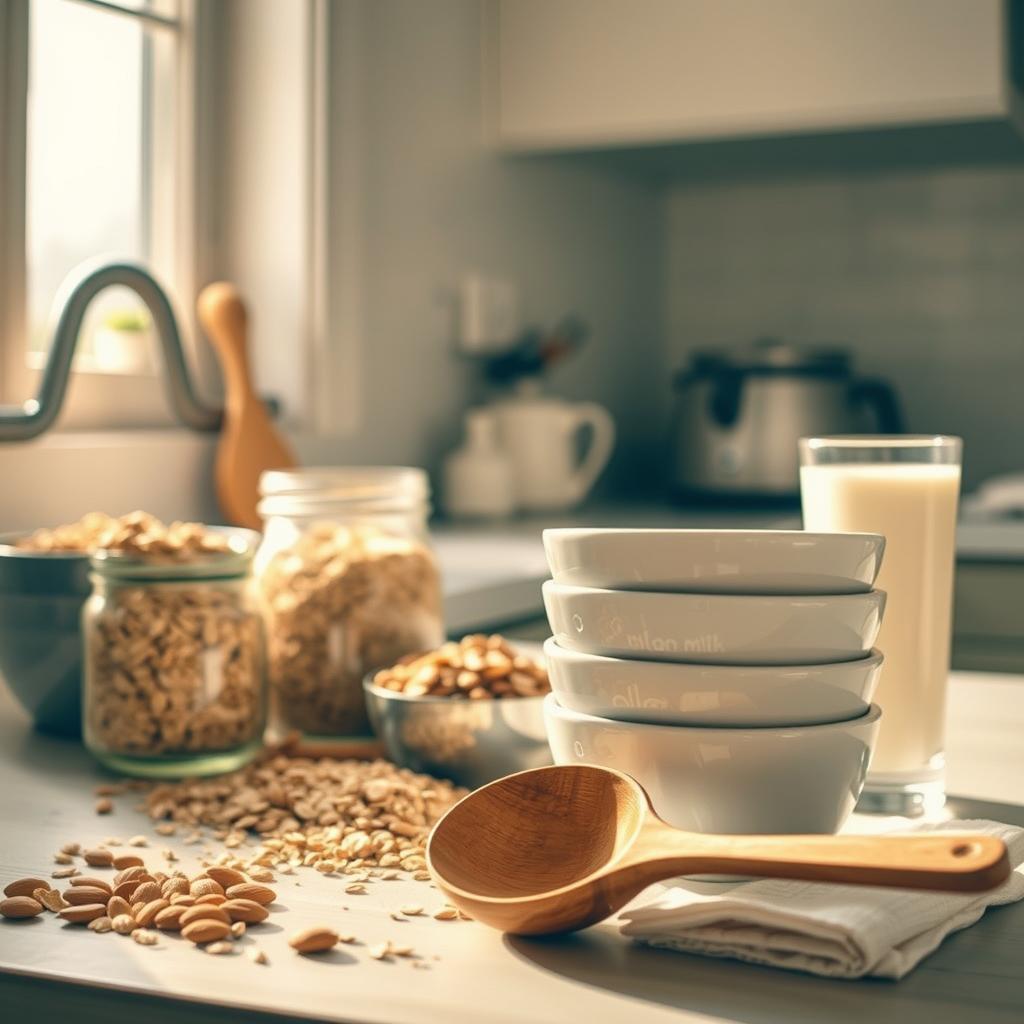
Calorie targets that protect my milk supply while allowing slow weight loss
I try to eat between 2,000 and 2,800 calories a day, which is good for breastfeeding. If my milk supply is good, I cut back by about 500 calories but never go below 1,800. This approach helps me lose weight slowly without feeling hungry.
Carb choices that keep my energy up (whole grains, fruit, starchy veggies)
I eat carbs like oatmeal, brown rice, and sweet potatoes at every meal. They keep my energy up and help with milk supply. I also eat protein and healthy fats to stay full longer.
Fish low in mercury I buy on sale (like salmon, shrimp, tilapia, and canned light tuna)
I look for deals on salmon, shrimp, tilapia, and canned light tuna, since they’re low in mercury. I eat up to 12 ounces a week for the omega-3 benefits. I avoid fish like king mackerel and swordfish to keep my baby safe and save money.
Quick snack ideas for one-handed eating (yogurt, nuts, fruit, whole-grain toast)
For snacks, I go for Greek yogurt, bananas with peanut butter, and more. These are easy to eat with one hand while breastfeeding. They’re also budget-friendly.
Continuing my prenatal/postnatal vitamins without overspending
I stick to store-brand prenatal vitamins to save money. I look for sales and use my flexible spending account if possible. Vitamins like iron and folate are important for my diet and losing weight after having a baby.
Hormone and Energy Helpers: Simple, Healthy Habits I Rely On
Postpartum hormones need time to find their balance. Dara Godfrey, MS, RD, highlights the risk of estrogen dominance afterwards as progesterone levels remain low. Steady meals help keep my insulin and mood in check.
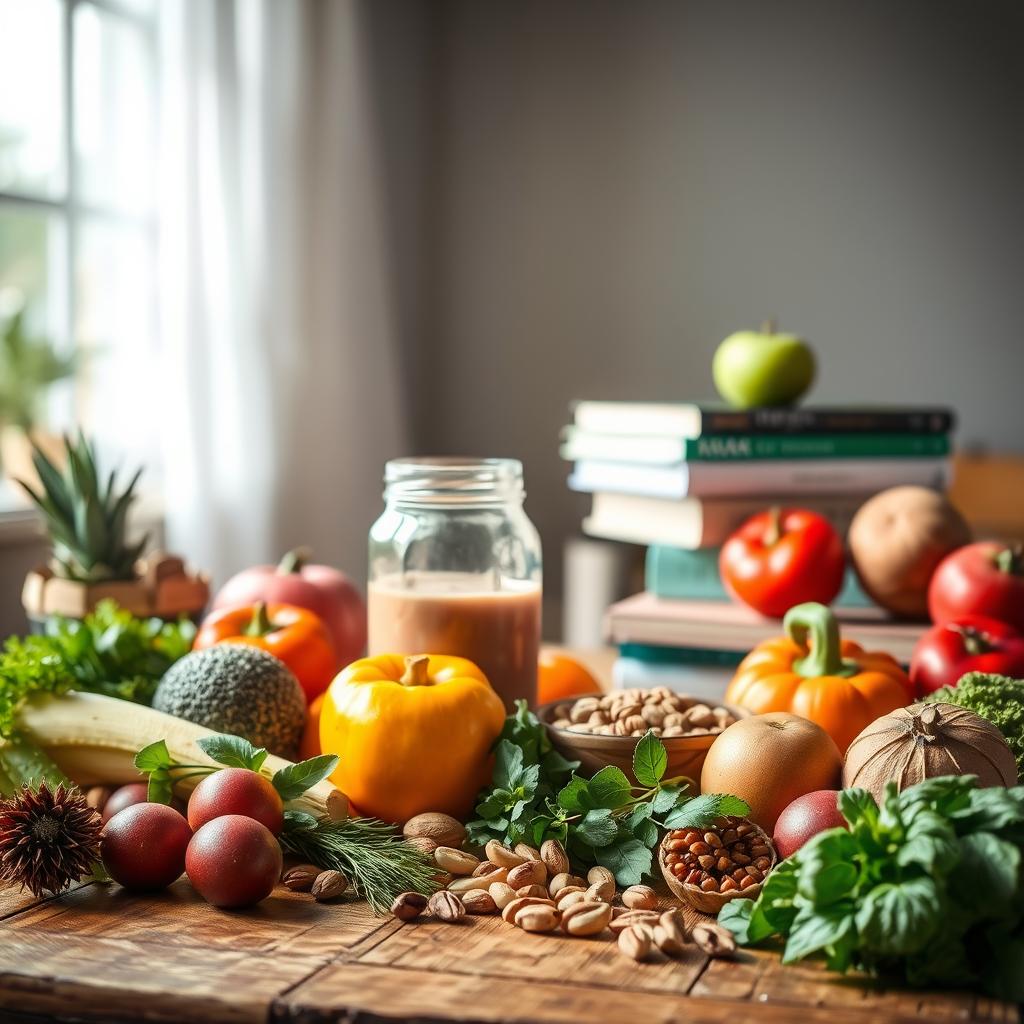
Stress impacts so much, leading me to closely watch my cortisol and sleep. Establishing a regular bedtime routine, ditching the phone early, and ensuring a dark, cool room can be game changers. Even a short 20-minute nap can help me be more patient and control my hunger.
I focus on balancing protein with carbs to avoid energy spikes. Favorites include eggs, Greek yogurt, beans, oats, and plenty of greens. Mood-boosting foods like salmon and vitamin C-rich oranges and berries are also key. These choices provide lasting energy for new moms.
Eating mindfully is my goal by taking the time to sit and enjoy meals. Choosing snacks like whole-grain toast with peanut butter or yogurt with fruit makes a difference. By doing so, I feel fuller sooner and more satisfied.
Gentle exercise after giving birth is crucial. I enjoy walks, stretching through yoga, and Pilates. Just a few minutes most days can boost my energy and reduce stress.
I focus on fiber for breakfast, veggies for two meals, and protein every time I eat. Foods rich in omega-3s like nuts, seeds, and fatty fish are staples. I also ensure enough calcium and vitamin D from dairy or fortified sources.
Staying hydrated is key. I keep water nearby, especially during feedings. Limiting myself to two cups of caffeine or switching to decaf helps stabilize my sleep. This habit supports hormone balance and helps avoid afternoon crashes.
I take a prenatal or postnatal multivitamin with key nutrients like iron, folate, and vitamin D. Including zinc and selenium through foods like beans and tuna keeps me on track while my body adjusts post-baby.
On tough days, I focus on basics: balanced meals, ready-to-eat produce, serene routines, and mindful eating. Over time, these practices help me maintain steady energy and a peaceful mindset.
Conclusion
I focus on eating for recovery, energy, and helping my milk supply, then think about losing weight slowly after giving birth. I usually get about half my calories from carbs and include proteins in all my meals. I also pick healthy fats like olive oil and salmon.
I drink plenty of water to keep my urine light in color, aiming for up to 3 liters daily. I stick to less than 300 mg of caffeine, limit my sugar intake, and eat low-mercury fish like salmon and shrimp.
While breastfeeding, I make sure to eat at least 1,800 calories a day as the CDC recommends. I wait a bit after drinking alcohol before I nurse. I keep taking vitamins rich in iron, folic acid, and vitamin D.
For breastfeeding, I rely on dairy or soy that’s fortified, DHA-rich eggs when possible, and iron from lean beef or beans. Foods high in vitamin C, like oranges, are great for absorbing these nutrients.
My go-to budget-friendly groceries include oats, brown rice, and whole wheat pasta. I also stock up on beans, eggs, and frozen veggies. Leafy greens, canned fish, yogurt, and nuts are also must-haves.
I buy seasonal fruits and veggies to save money, and bulk packs of chicken or beef. Cooking in bulk saves time, too. I start my day with oatmeal and fruit, have tuna toast for lunch, and a veggie stir-fry for dinner to keep meals balanced without spending a lot.
It’s important to maintain healthy habits after giving birth, not to be perfect. I focus on eating whole foods, controlling portion sizes, and staying active. I’m patient with myself, knowing there will be good and bad days.
These small, patient steps help maintain my milk supply, provide constant energy, and support gradual weight loss. All this fits into our family budget too.