Blogs
Meal Prep Ideas for Postpartum Recovery

10 Nourishing Meal Prep Ideas for Postpartum Recovery

Discover 10 easy, nourishing meal prep ideas for postpartum recovery to help new moms

Getting ready for after giving birth means planning well, especially with your diet. New moms, especially if they are breastfeeding, need meals that are quick to make and full of nutrients. Did you know breastfeeding moms use about 500 extra calories a day for the first six months?

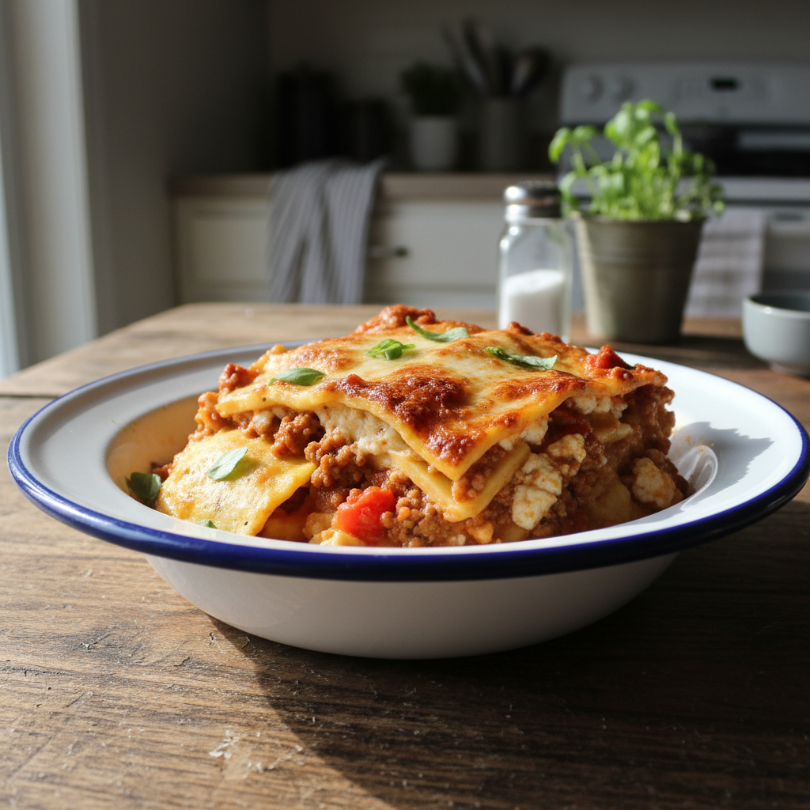
In a lot of old cultures, eating a lot of protein from meats helps healing after birth. Foods rich in protein are key for fixing tissue and recovery. You’ll also see a lot of broth-based soups and stews, perfect for feeling warm and comforted.
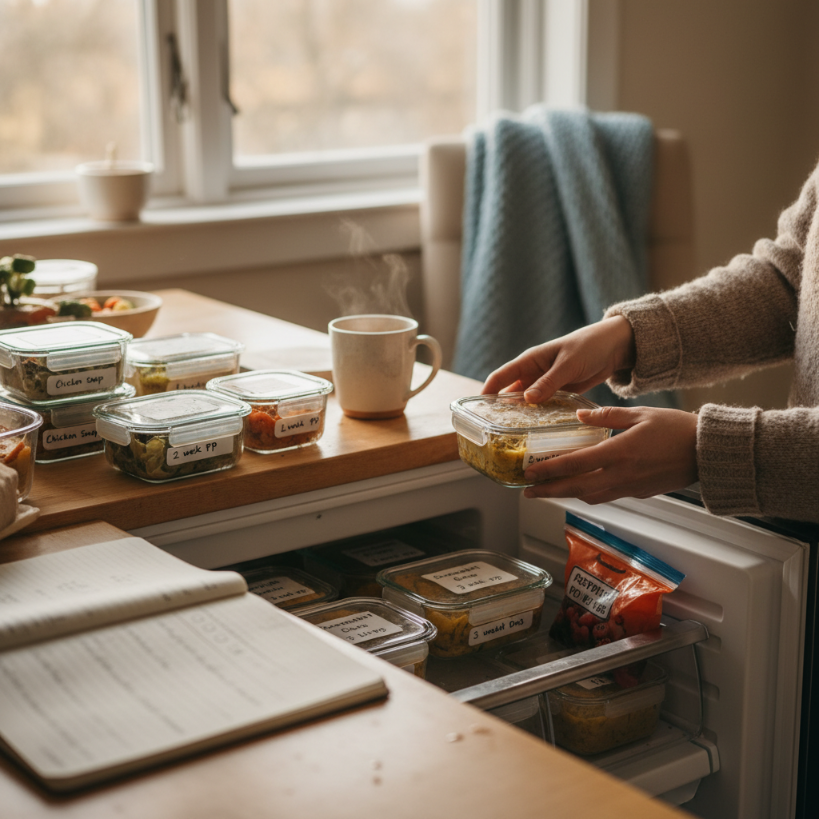
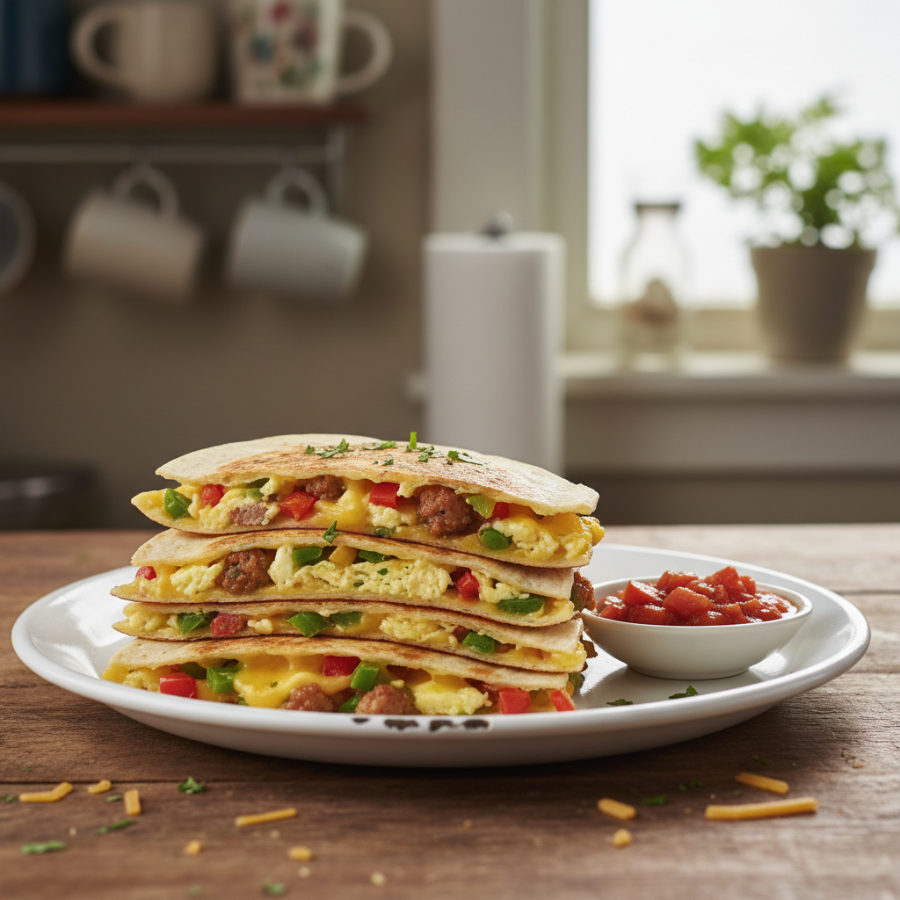
Meal prepping shines in being practical. It helps reduce time spent cooking. Studies show families that prep meals eat up to 50% more fruits and veggies. You can cook and freeze meals like casseroles and soups for three months. This makes it easy to eat well without stress. Also, having meals ready can be a big help from friends or family.

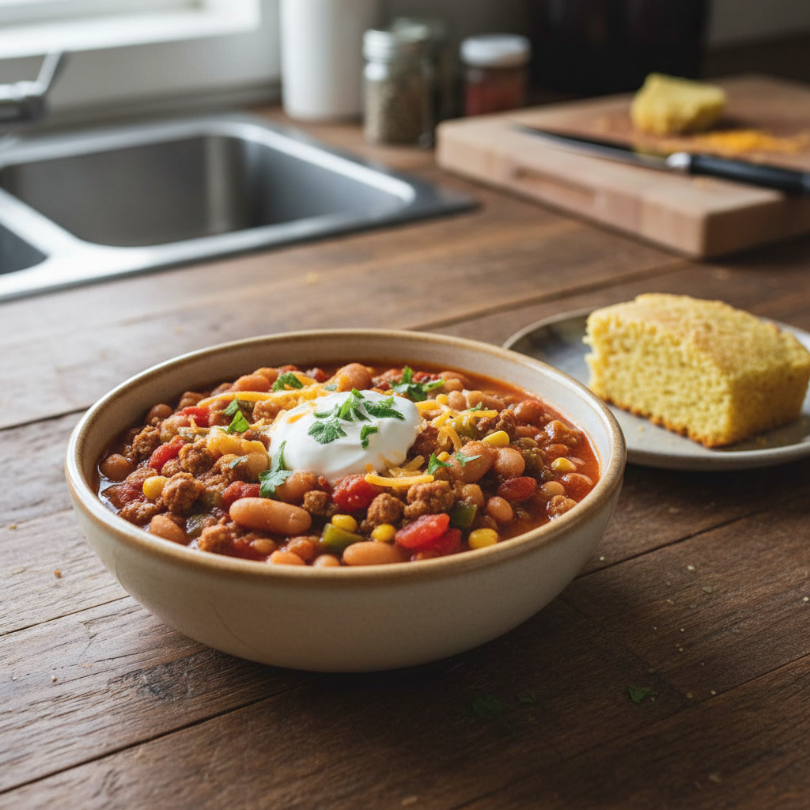
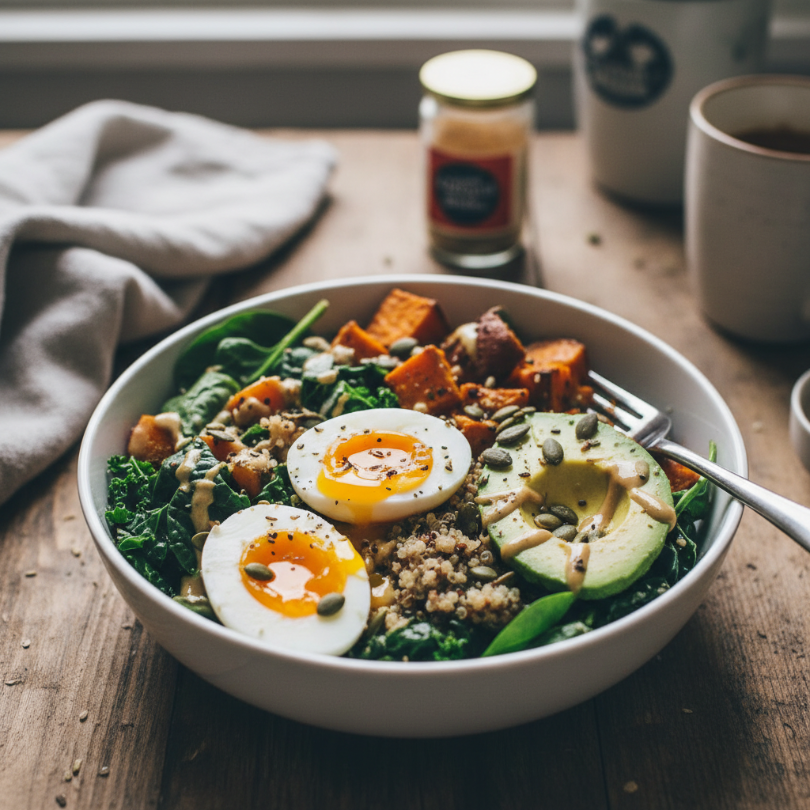
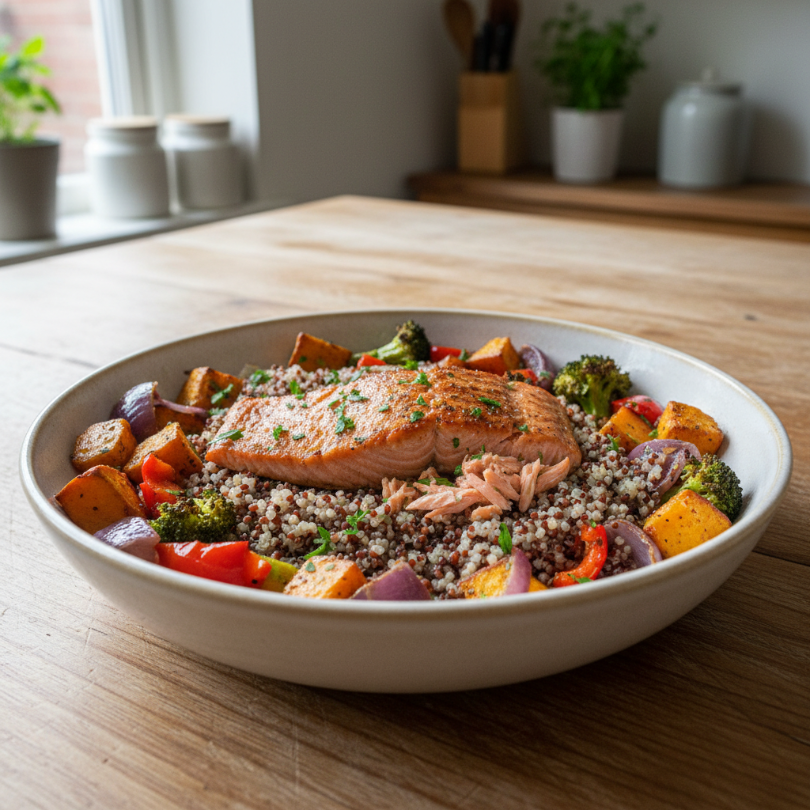
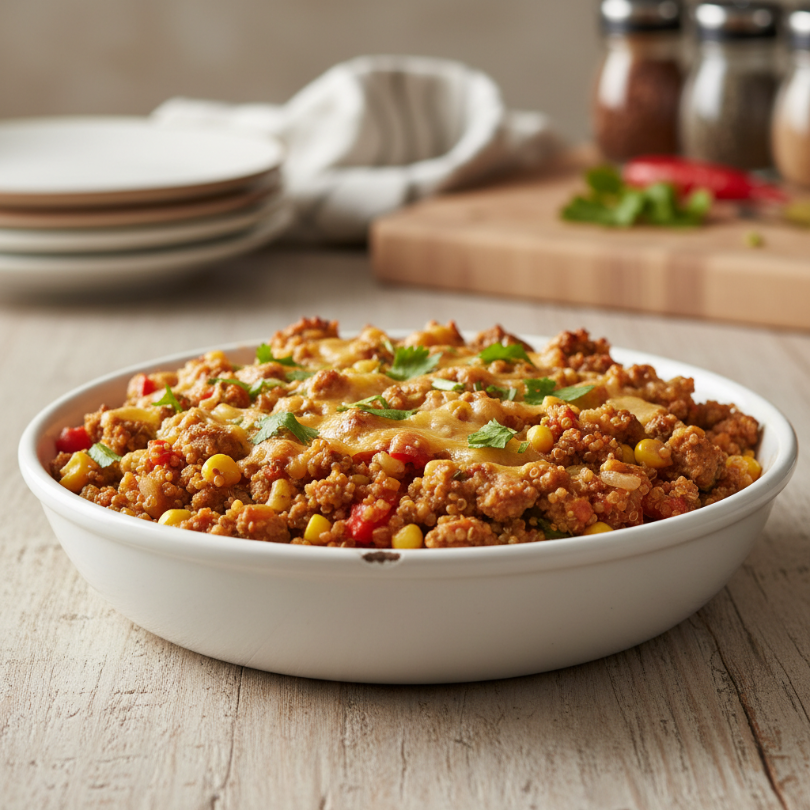
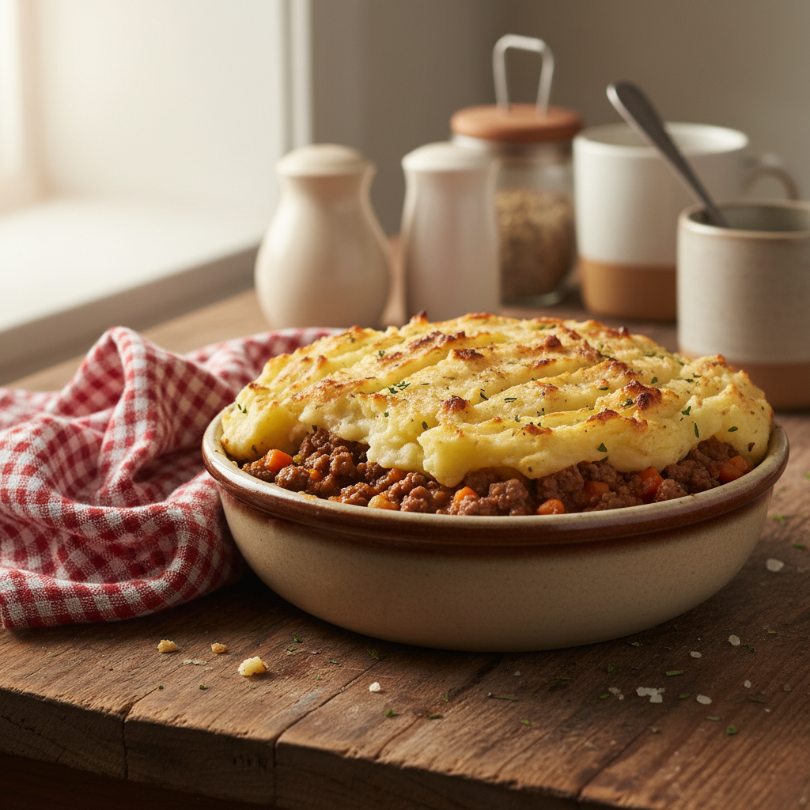
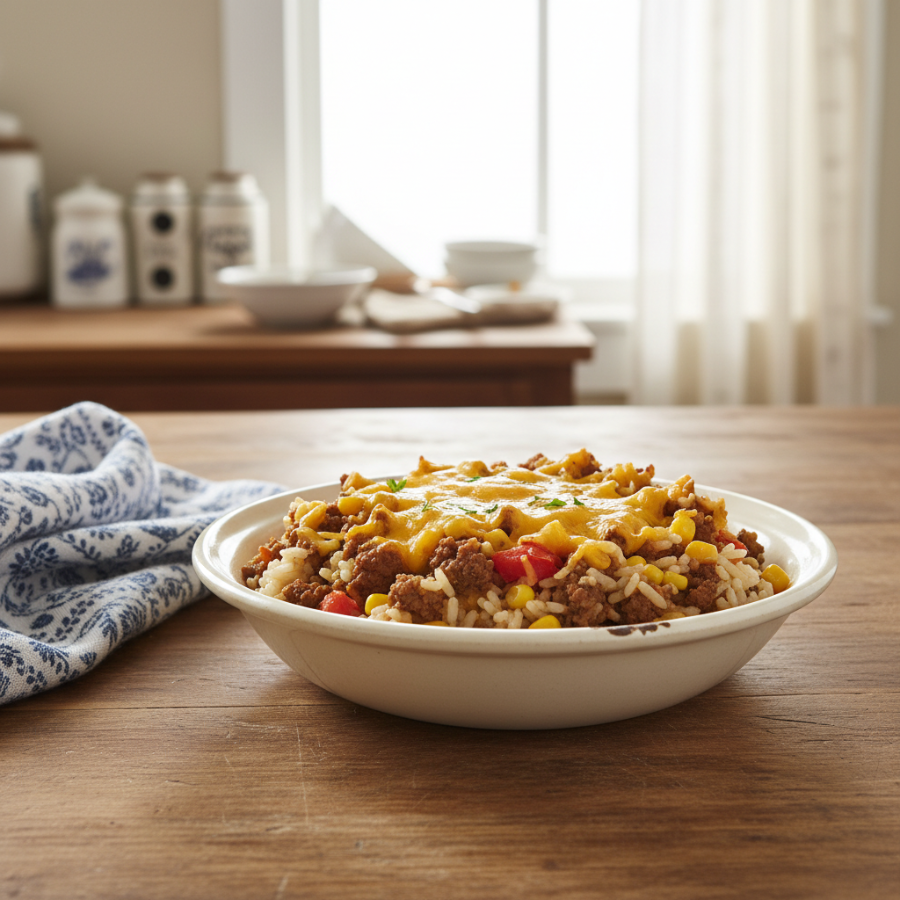
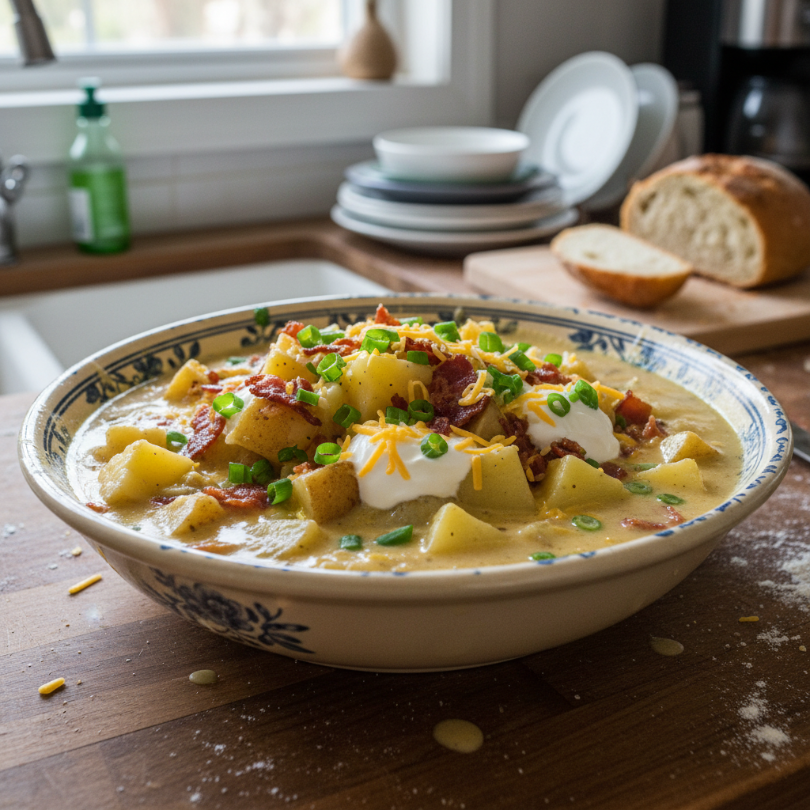
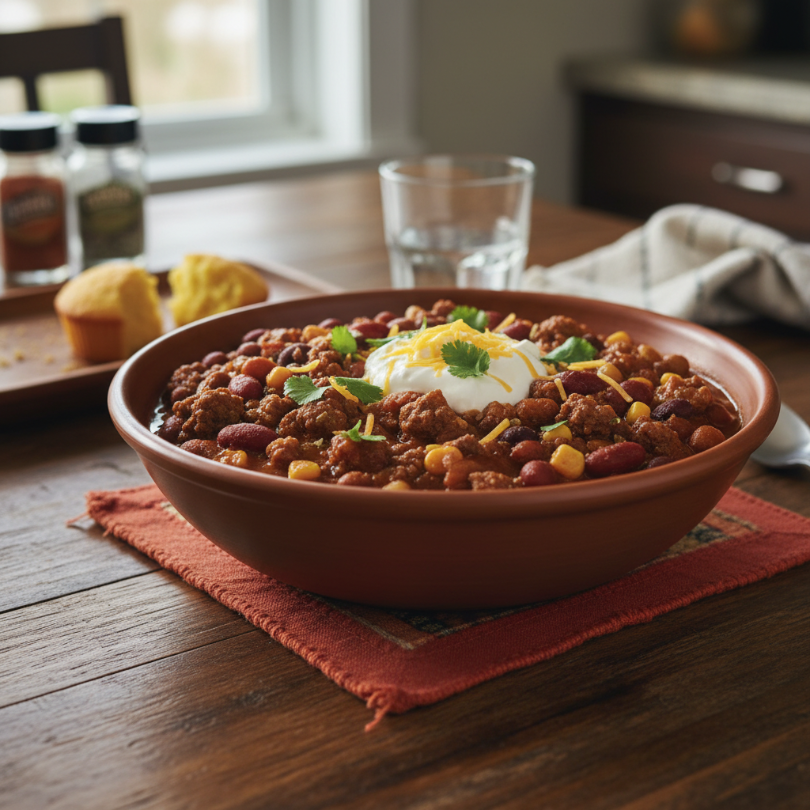
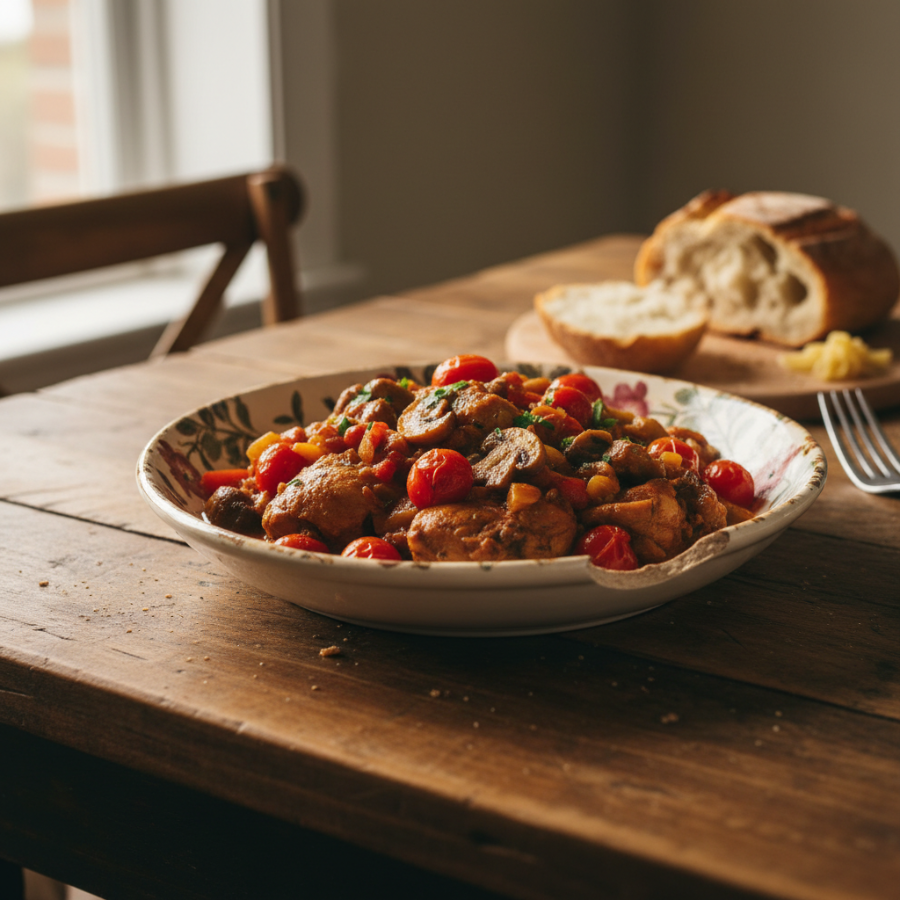
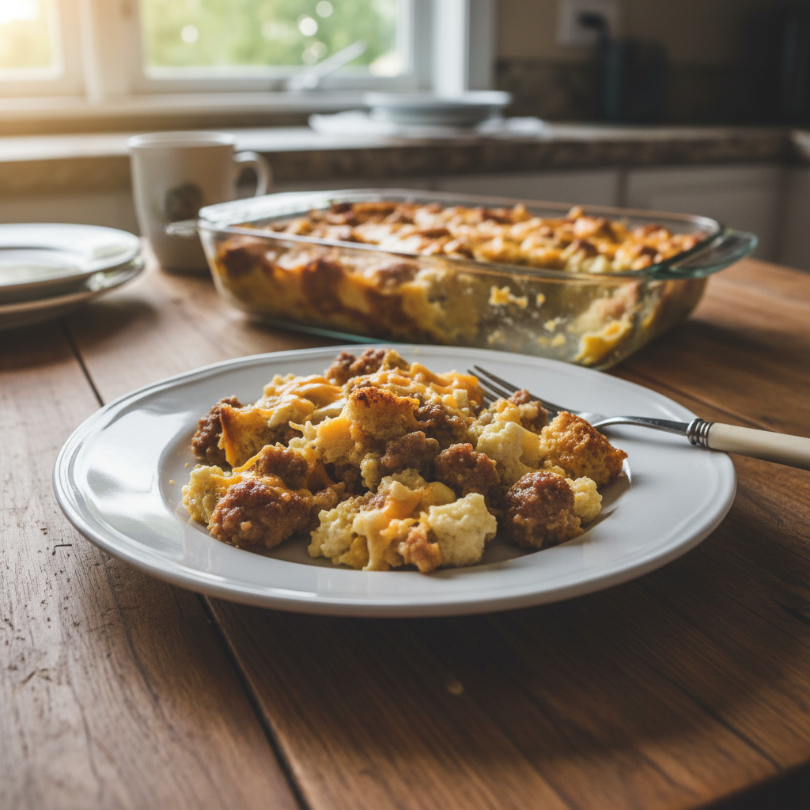
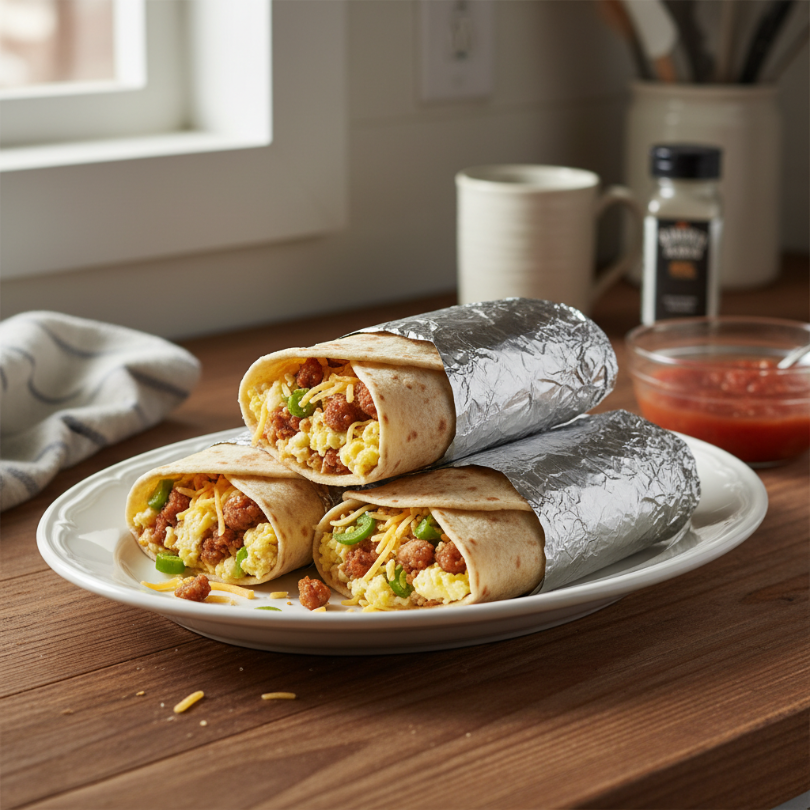
Imagine quick and nutritious breakfasts, lunches, dinners, and snacks during early motherhood. Think about lactation cookies from frozen dough, big casseroles, and soups full of protein. These ideas don’t just feed you well. They also save time and effort when you need it most.

The Importance of Nutrition During Postpartum Recovery

Nutrition is key after having a baby. This time is known as the “fourth trimester.” It needs careful eating to help with healing, feeling good emotionally, and dealing with new parenting tasks. This is extra important for moms who are breastfeeding.

Why Postpartum Nutrition Matters

After birth, the body needs special nutrients to heal. Good food helps fix tissues, fill up on iron, and balance hormones. It helps with healing from any tears or surgery, and keeps energy and mood levels up.

Key Nutrients Needed for Postpartum Recovery

New moms need to eat foods packed with certain nutrients. Some are very important right after having a baby:

Nutrient Importance Recommended Sources
Protein Promotes tissue repair and muscle health Lean meats, eggs, dairy, legumes
Iron Replenishes blood loss and prevents anemia Tofu, white beans, lentils, quinoa, pumpkin seeds
Calcium Supports bone health Dairy products, fortified cereals, leafy greens
Vitamins A, C, D Boosts immune system and promotes healing Fruits, vegetables, sunshine (for Vitamin D)

Breastfeeding Nutritional Requirements

If you’re breastfeeding, you need more calories and nutrients. The CDC says to eat about 2,300 to 2,500 calories a day. That’s 400 to 500 calories more than if you’re not breastfeeding. Choose foods full of nutrients like whole grains, lean meats, and healthy fats.

Staying consistent with what you eat helps make enough milk. Breastfeeding moms should get 25 extra grams of protein each day. Taking prenatal or postnatal vitamins can also help keep your nutrients balanced. Even though iron needs drop after pregnancy, it’s still important to eat iron-rich foods like lentils, tofu, and dark chocolate.

It’s also essential to watch how many carbs you eat to keep insulin and hunger in check. Pick complex carbs because they help make serotonin, which is good for your mental health. Try to get 45-64% of your calories from these types of carbs every day. And, try to keep caffeine under 300 milligrams each day.

Freezer-Friendly Meal Prep Ideas

Getting meals ready before baby arrives is a game changer. Below are some meal prep ideas that are easy and healthy. They’re perfect for the postpartum period.

Breakfast Options

A good breakfast can start your day right. Here are quick, nutritious options:

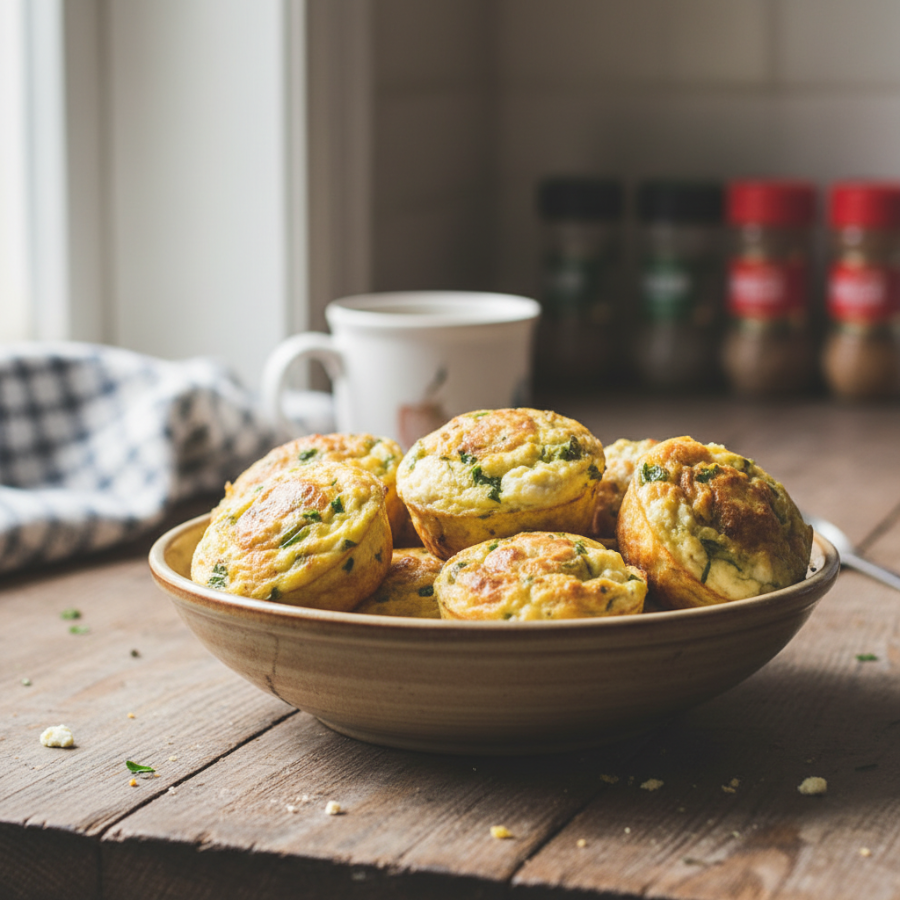
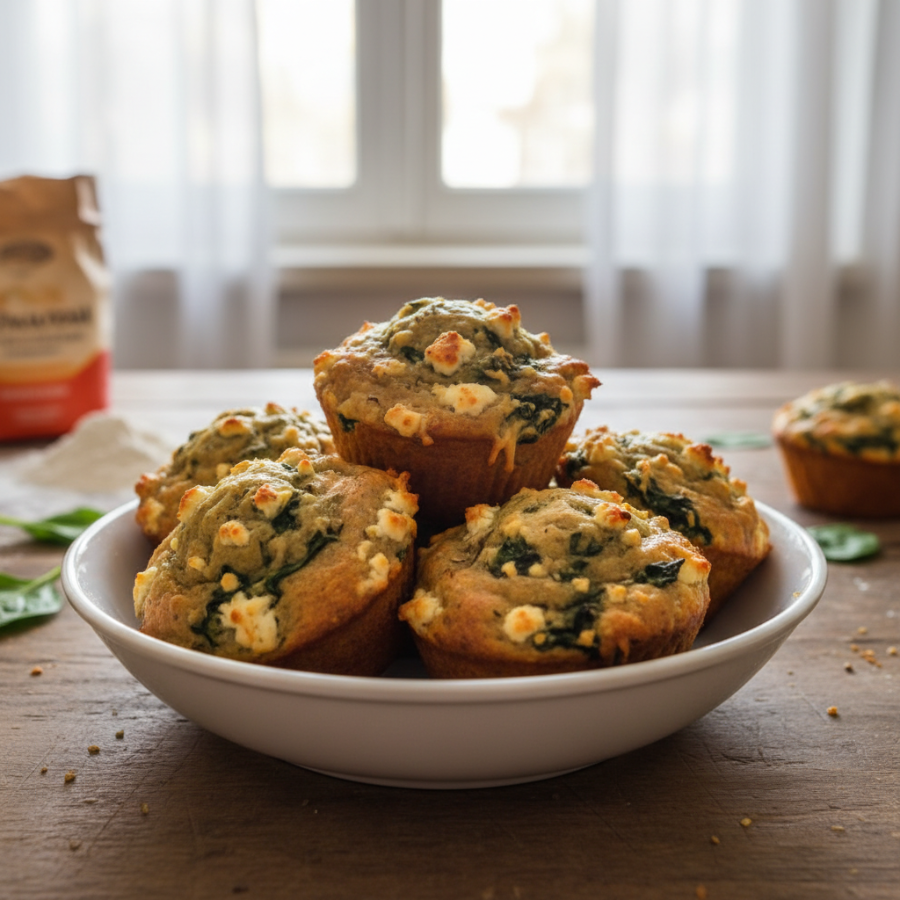
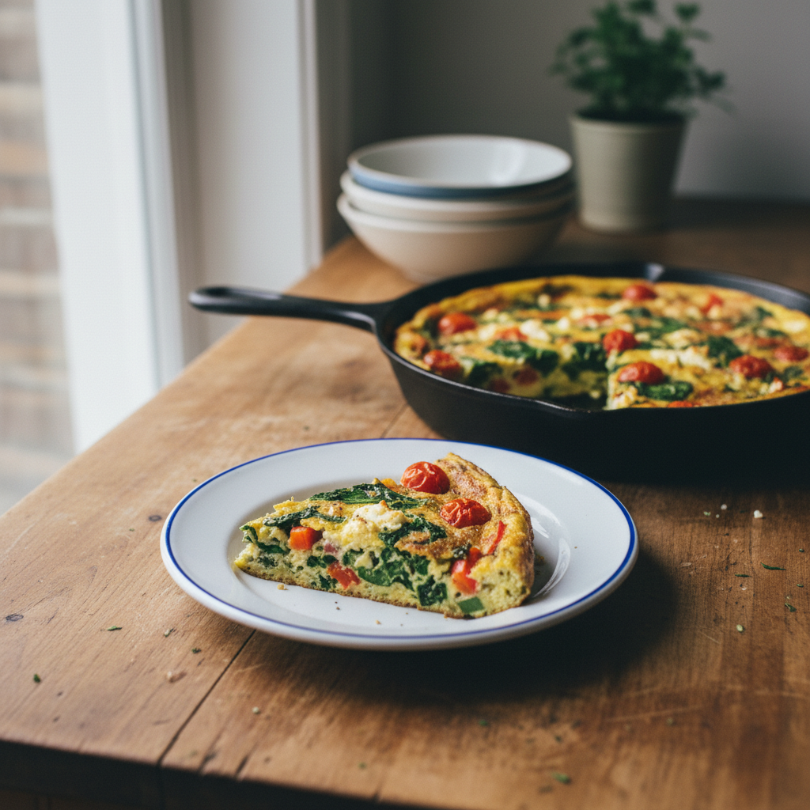
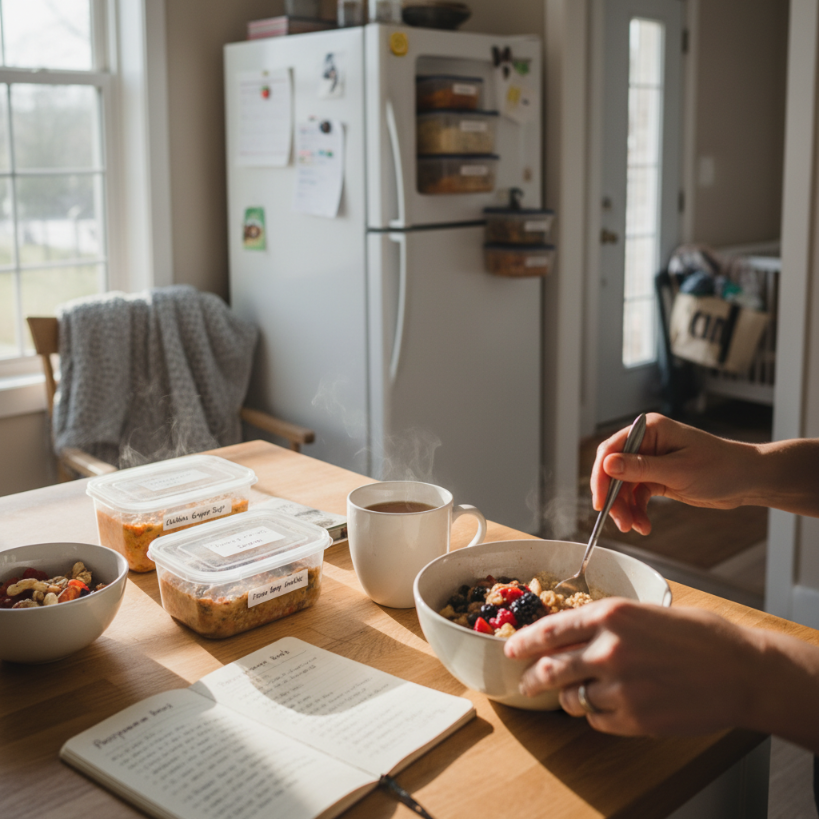
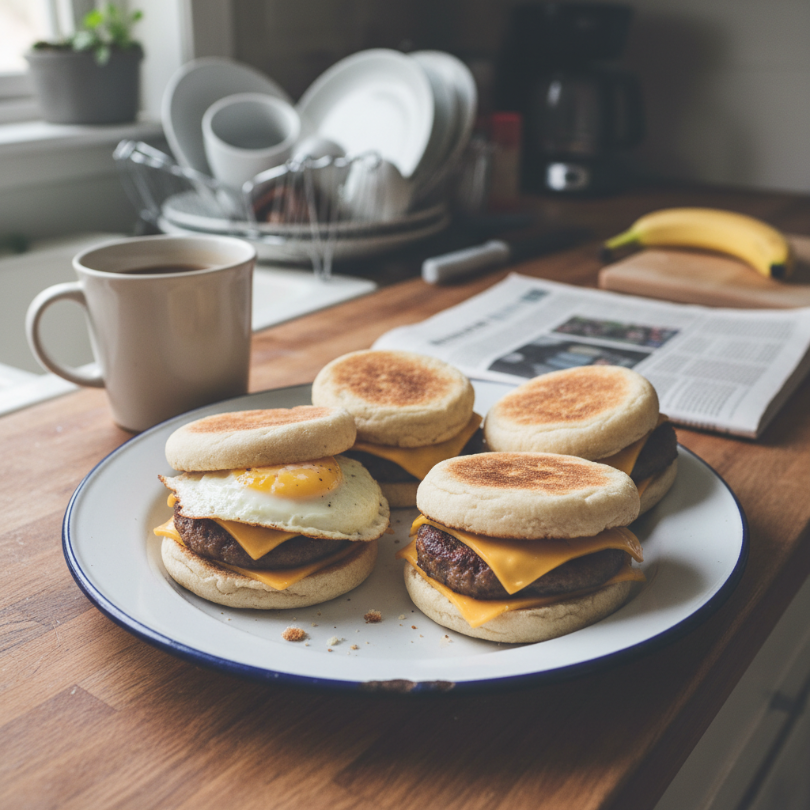
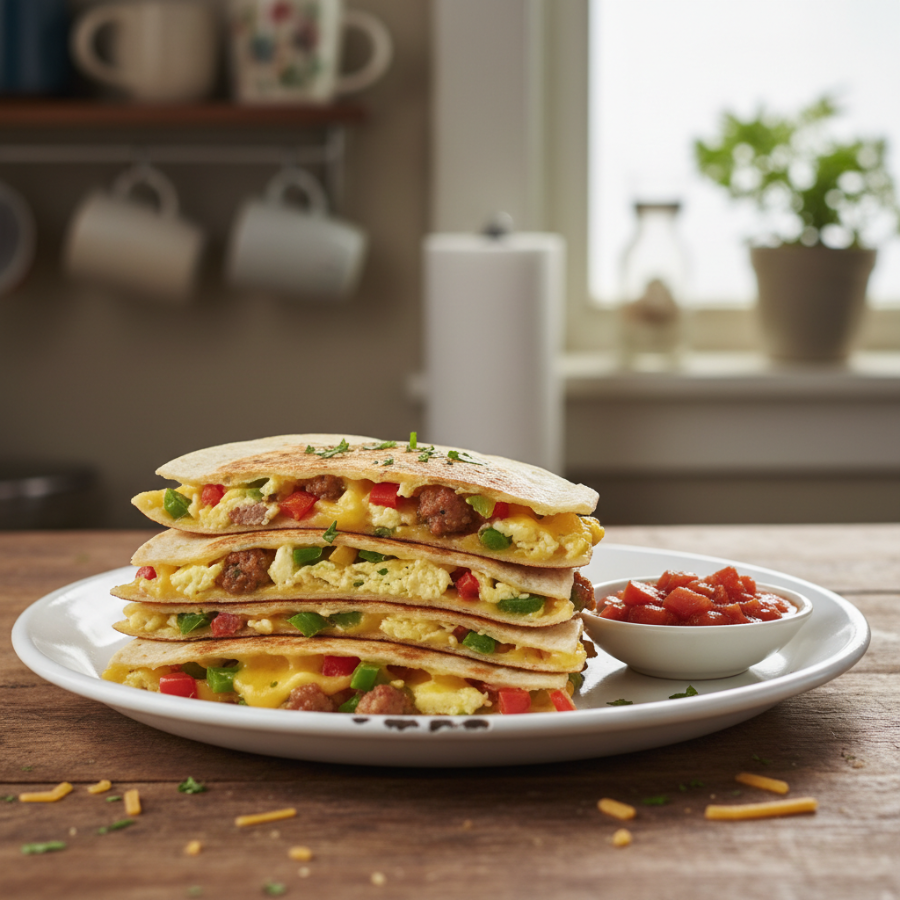
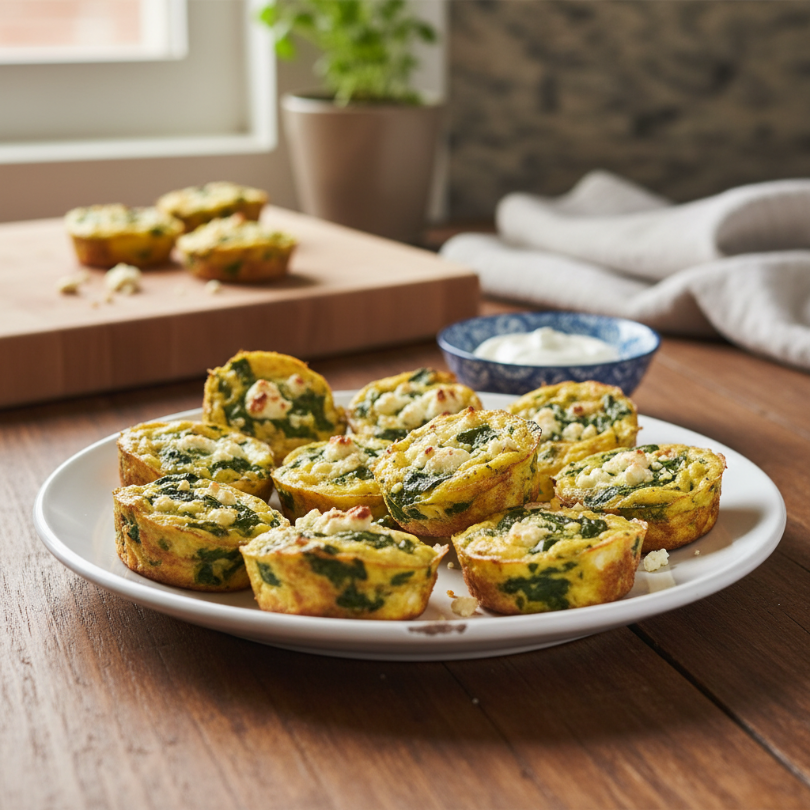
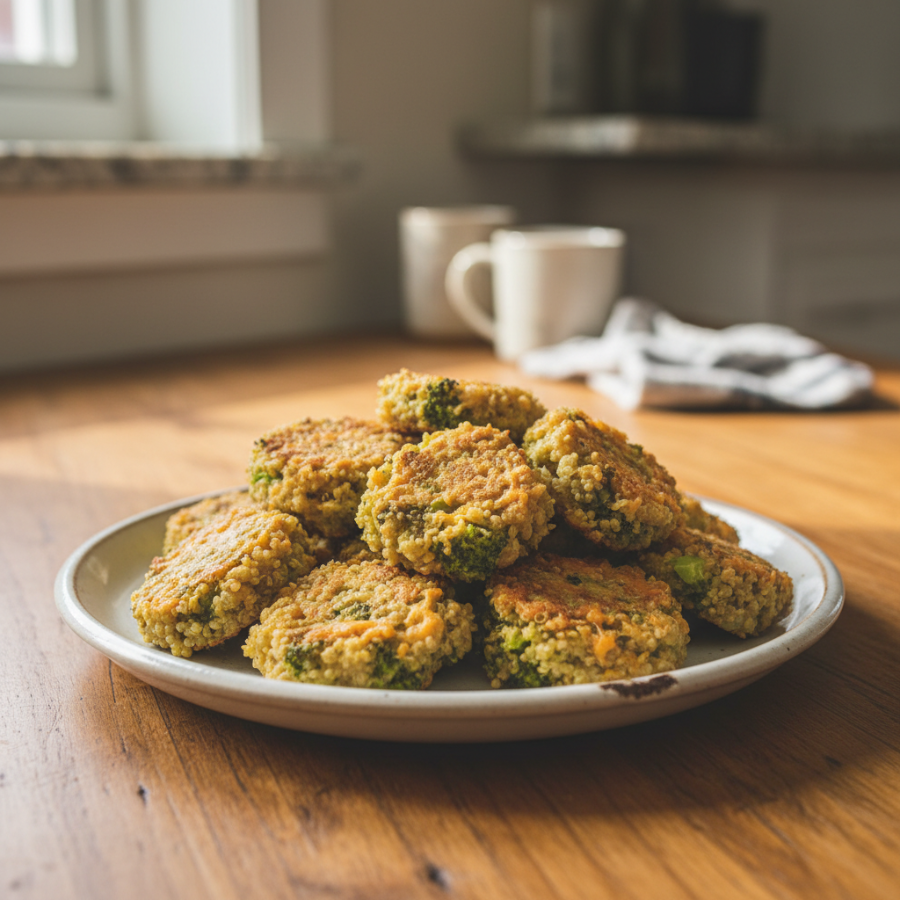
  • Egg Muffins: Filled with protein and veggies, these muffins are simple to make in large amounts and freeze well.
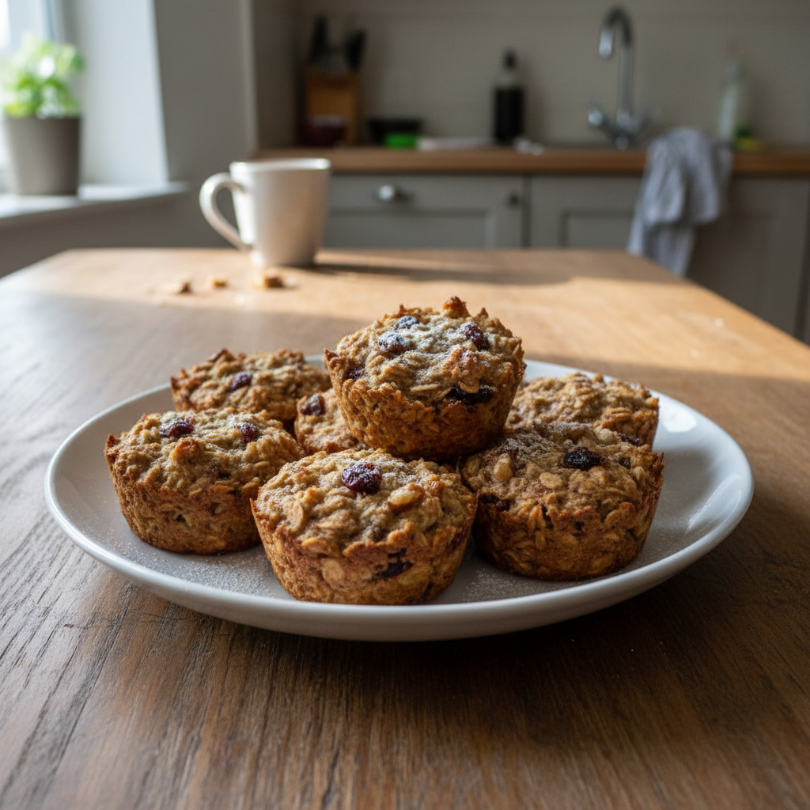
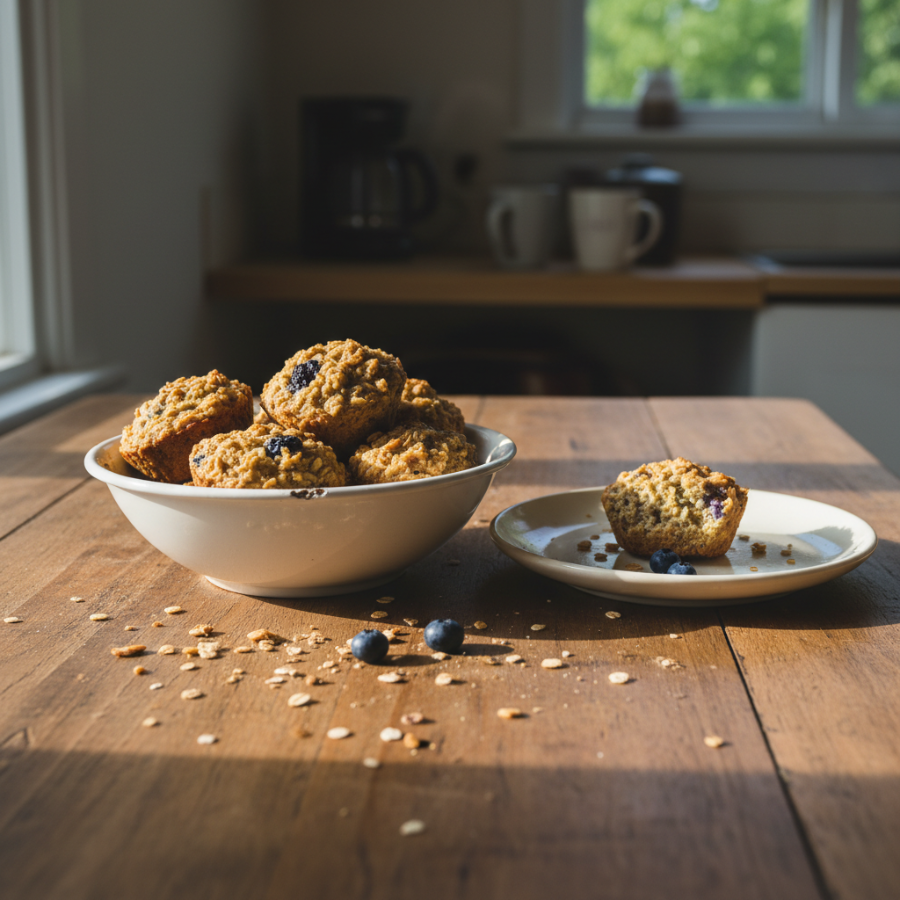
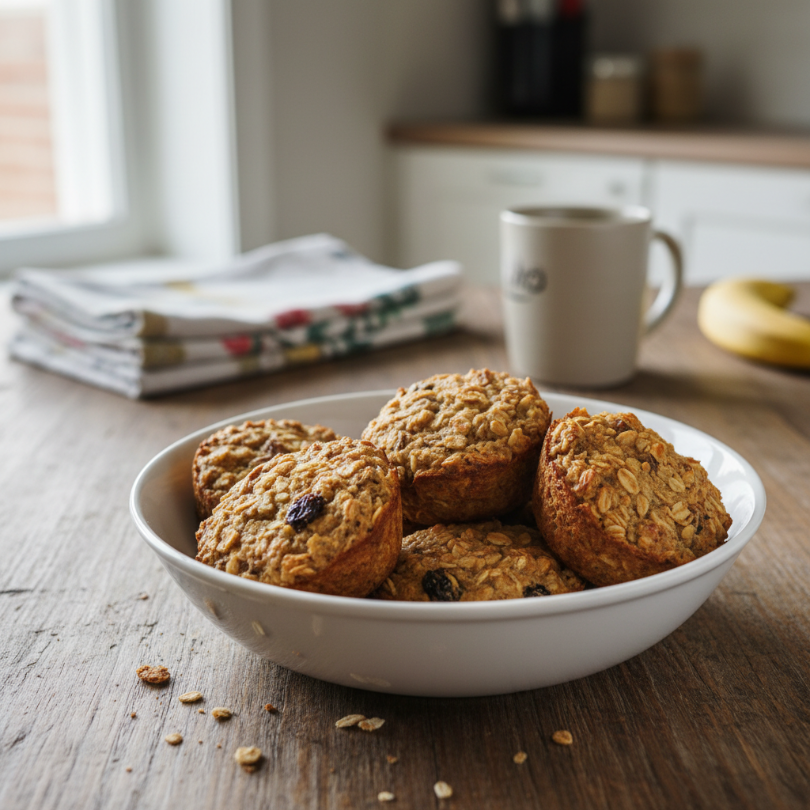
  • Oatmeal Bakes: Made with fruit, nuts, and seeds, they’re a filling start to your day.

Lunch and Dinner Entrees

Finding meals that are good for healing and feeding everyone is key. Here’s what works:

Recipe Description Cooking Method
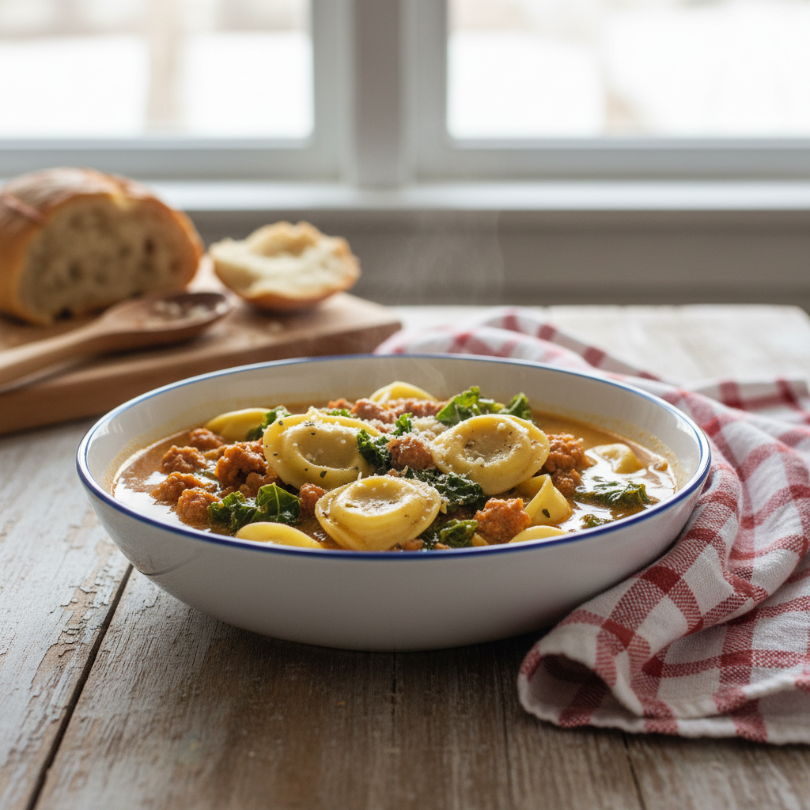
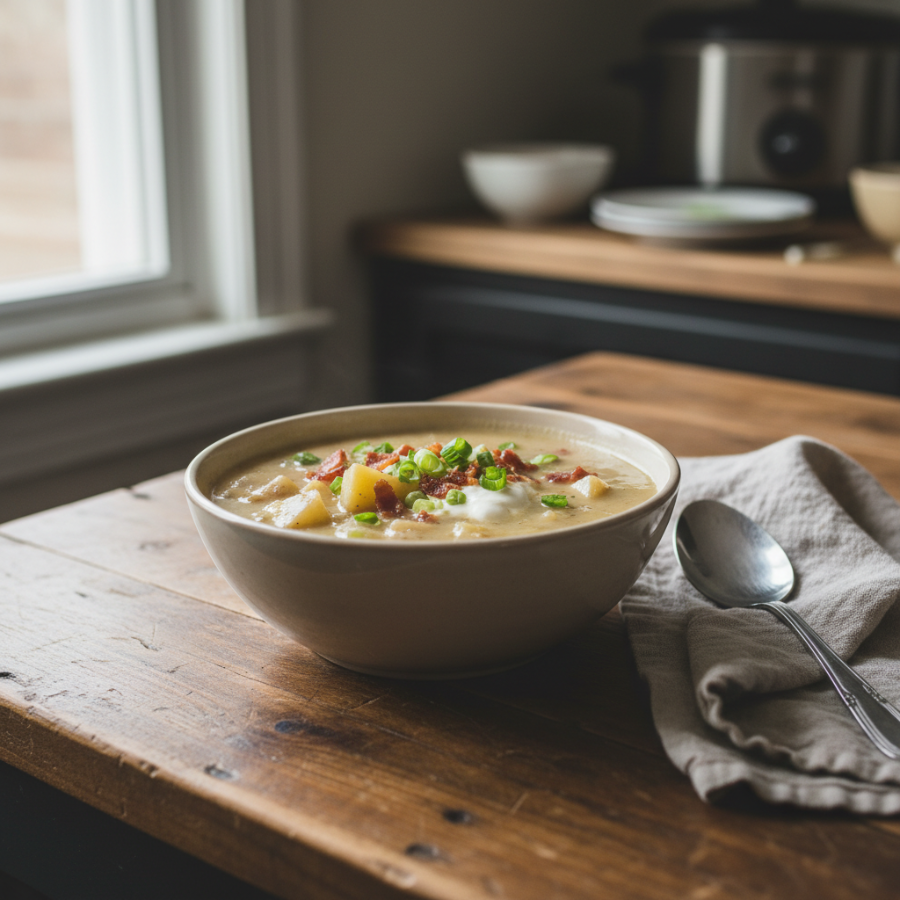
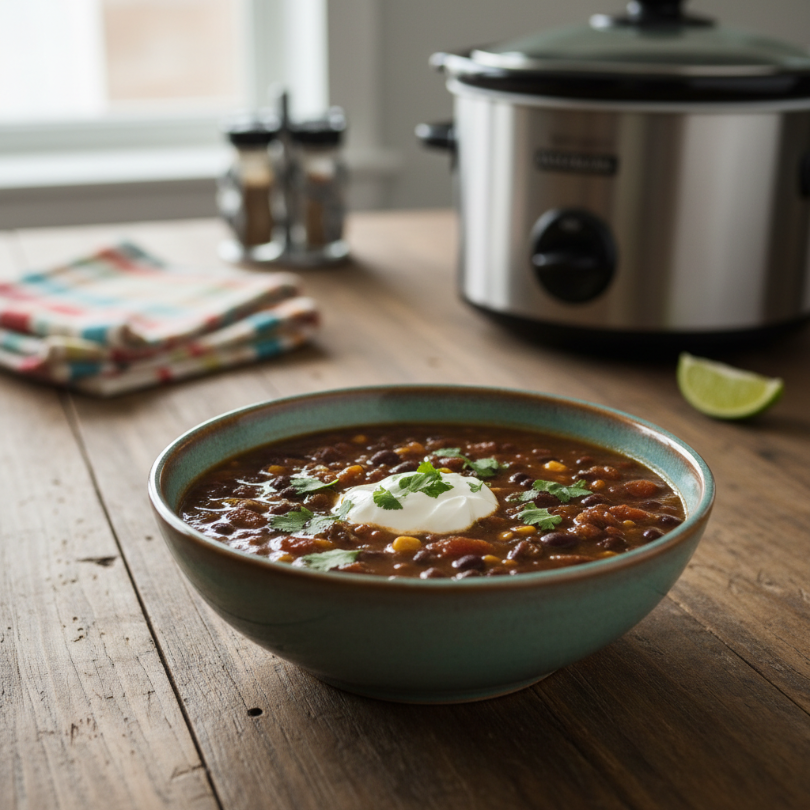
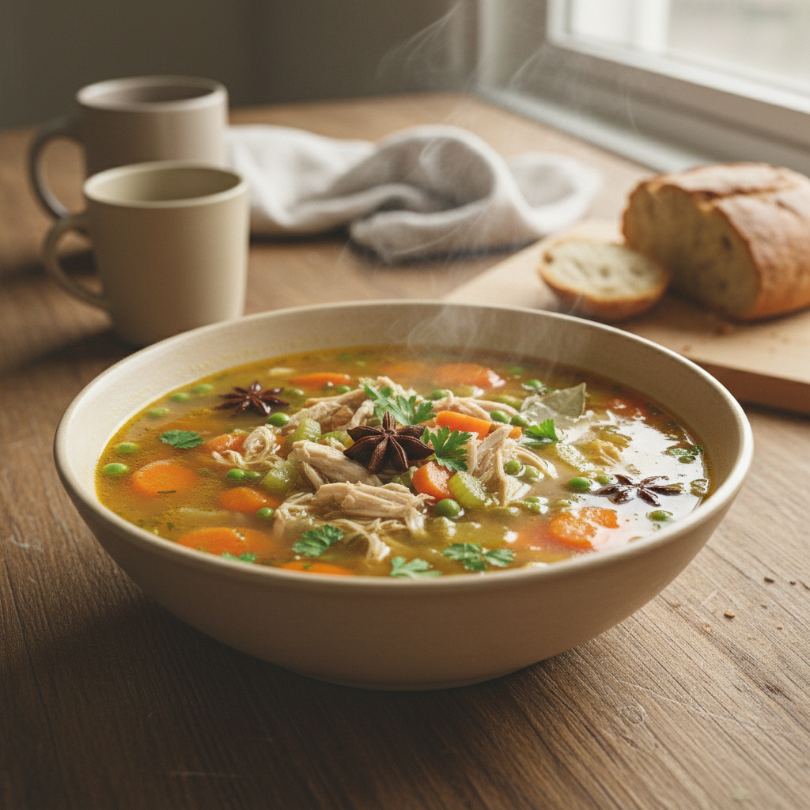
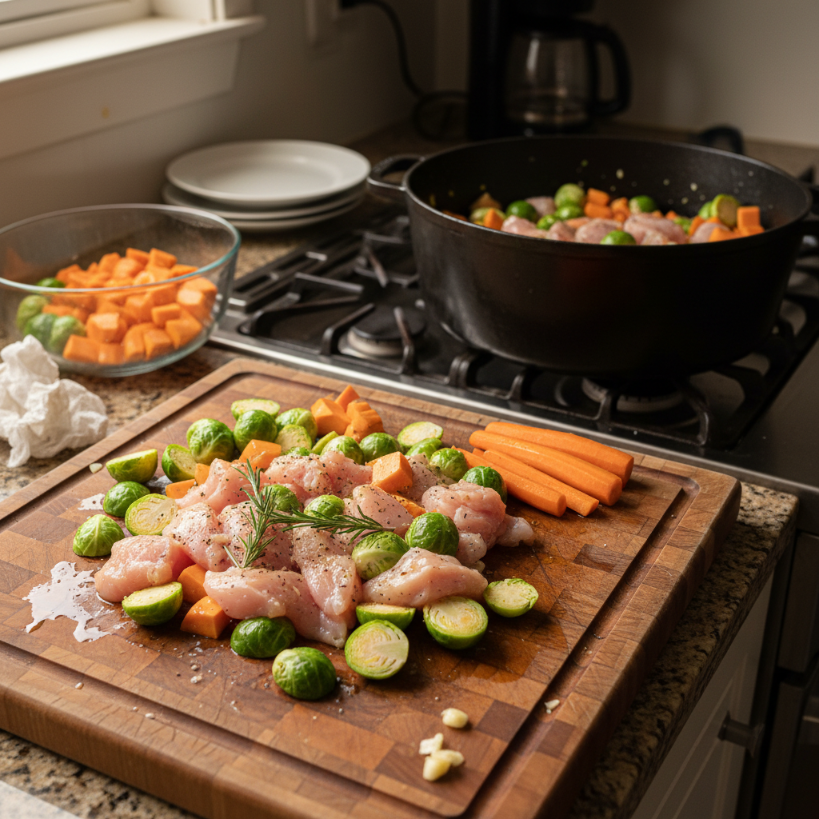
Chicken and Vegetable Soup It’s a comforting soup that’s packed with nutrients. Plus, it’s easy to make in a Crock Pot. Crock Pot
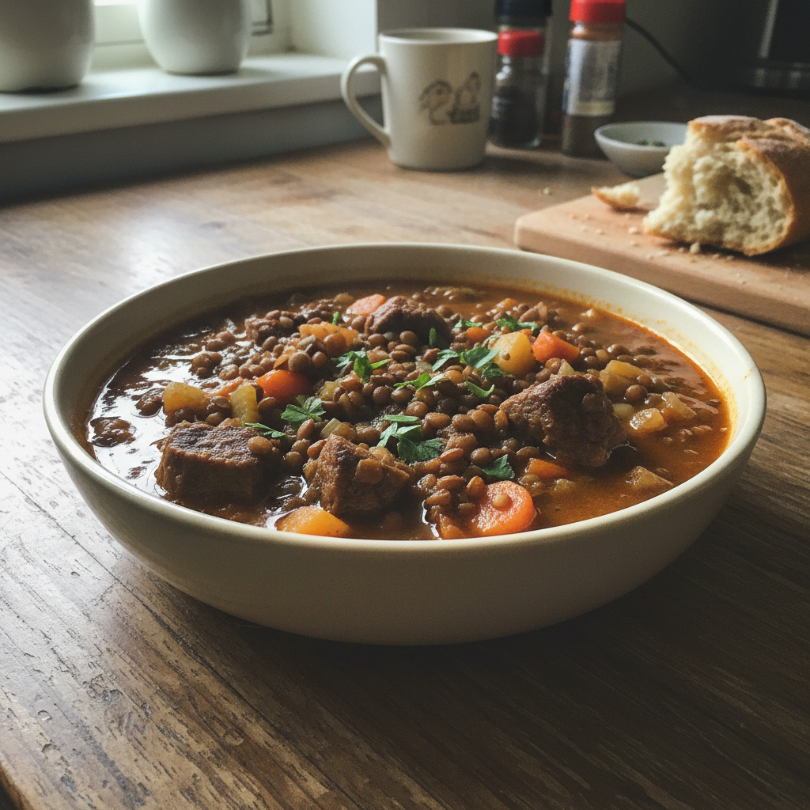
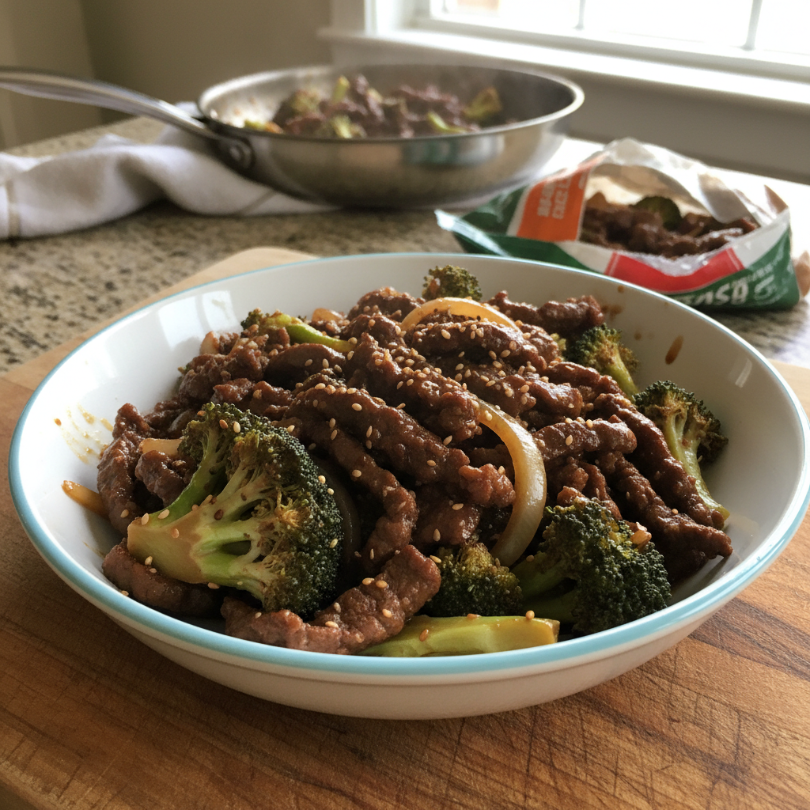
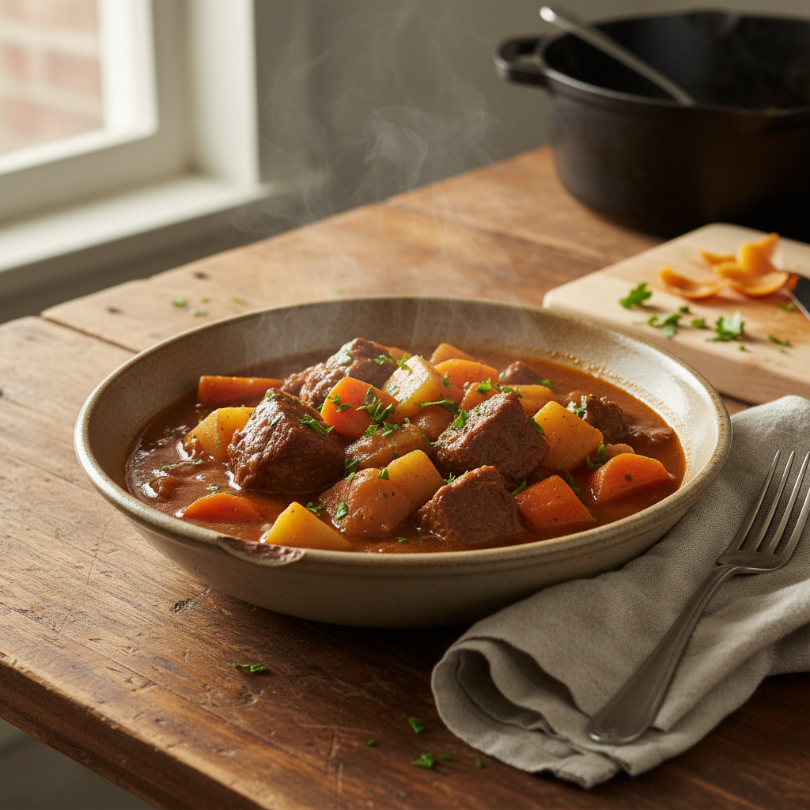
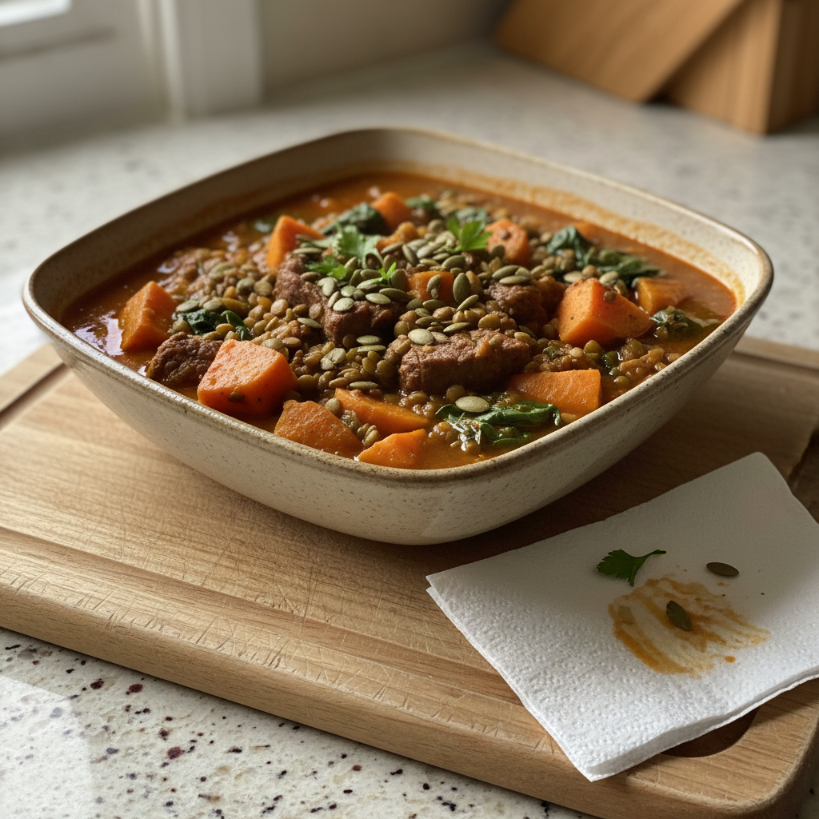
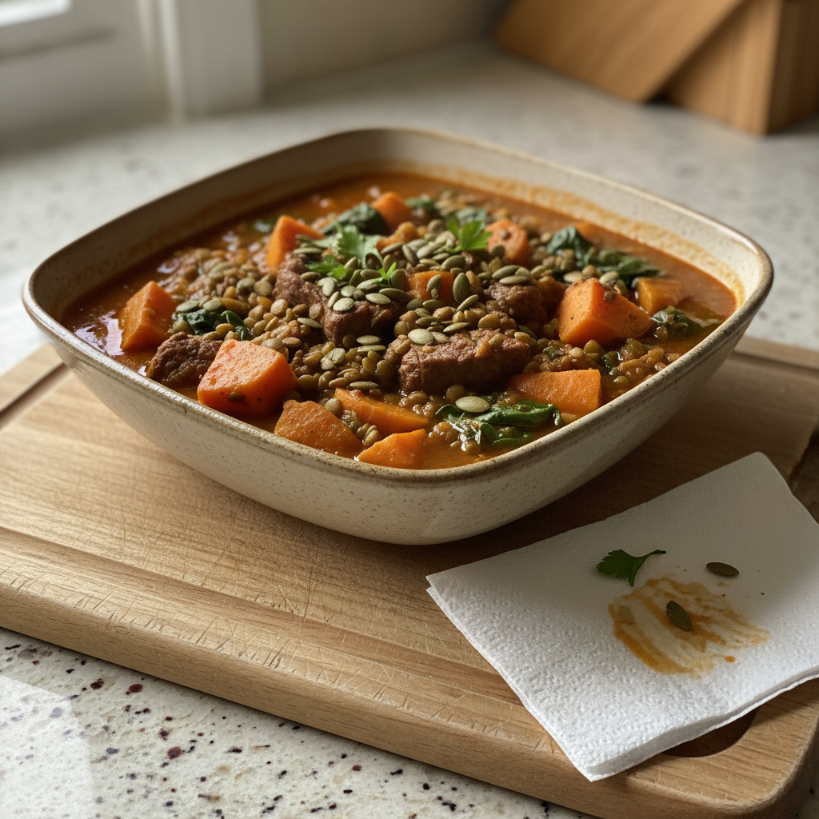
Beef Stew This stew is full of protein and iron, which helps with muscle recovery. Pressure Cooker
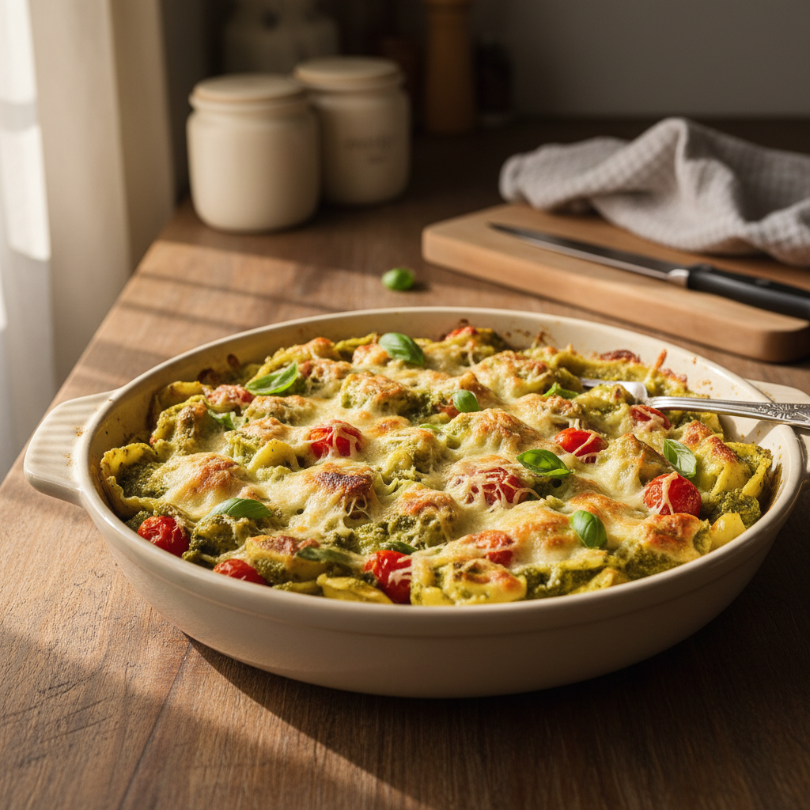
Vegetarian Casserole It’s a delicious mix of veggies and legumes, full of flavor and fiber. Oven

Snacks and Desserts

For your postpartum cravings, here are some tasty and healthy options:

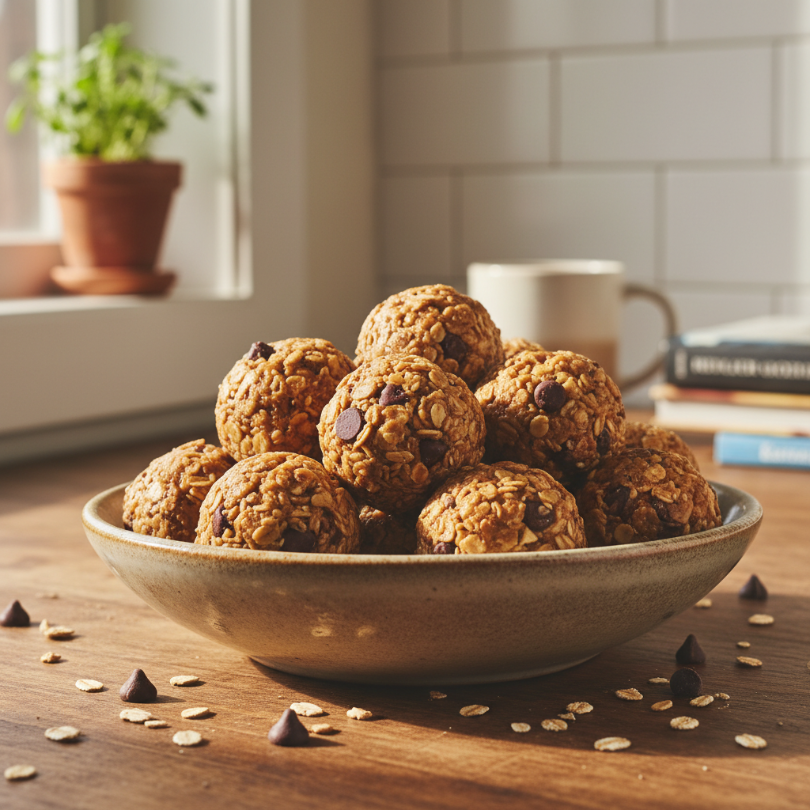
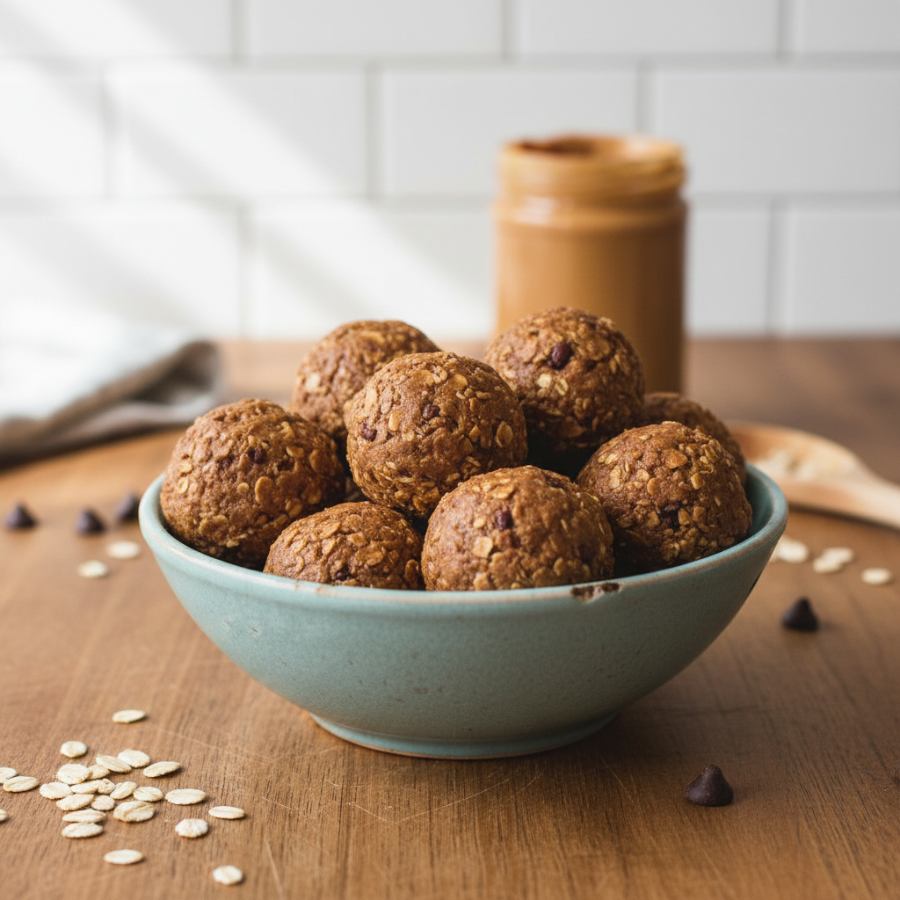
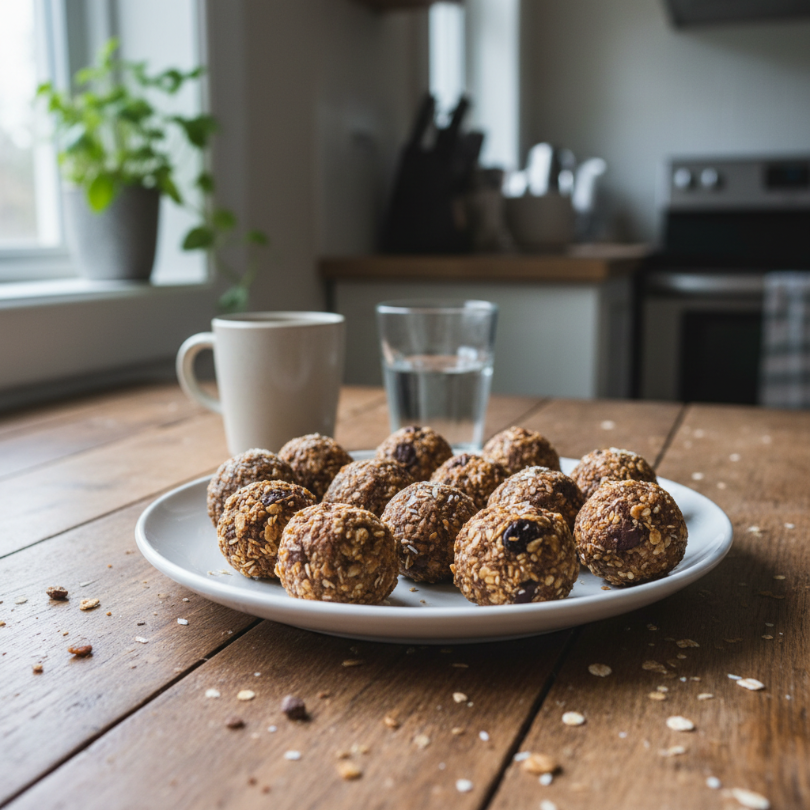
  • Lactation Cookies: These cookies have oats, flaxseed, and brewer’s yeast to potentially increase milk production.
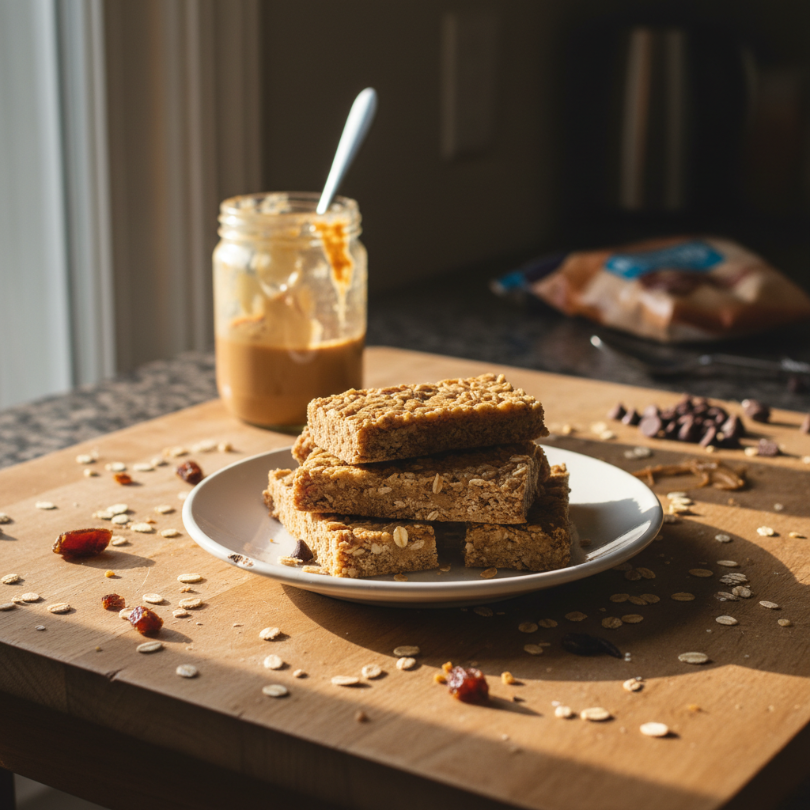
  • Fudge Bars: A sweet mix of dark chocolate and nuts, giving you iron and healthy fats.

freezer-friendly meal prep ideas

Meal Prep Ideas for Postpartum Recovery

Recovering after having a baby is tough, both in body and mind. Planning meals in advance can really help cut down on stress, make sure you’re eating well, and save time as a new mom. I’ll talk about the good things that come from this, give tips on how to store food, and suggest the best ways to warm up these meals to make your postpartum period smoother.

Benefits of Prepping Meals Ahead of Time

Getting meals ready early has a lot of plus points. Studies show that about 70% of new moms are thankful for pre-made meals in those first hectic weeks with their baby. These meals meet the need for more food post-baby and ensure moms get the vital nutrients they need. Also, making your own meals can save families up to 25% compared to eating out.

Tips for Efficient Meal Storage

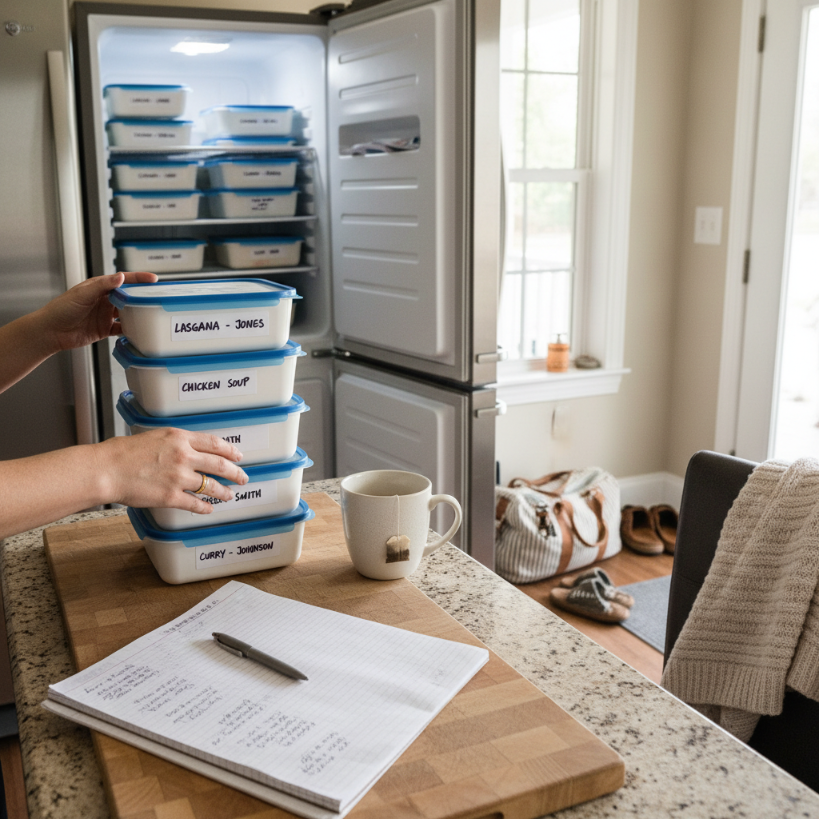
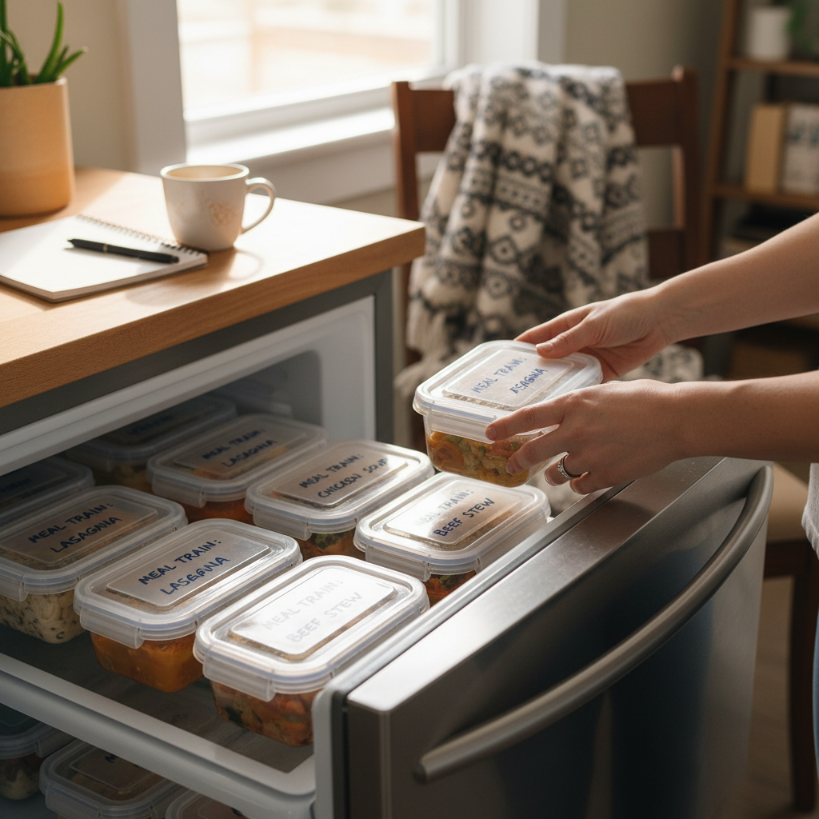
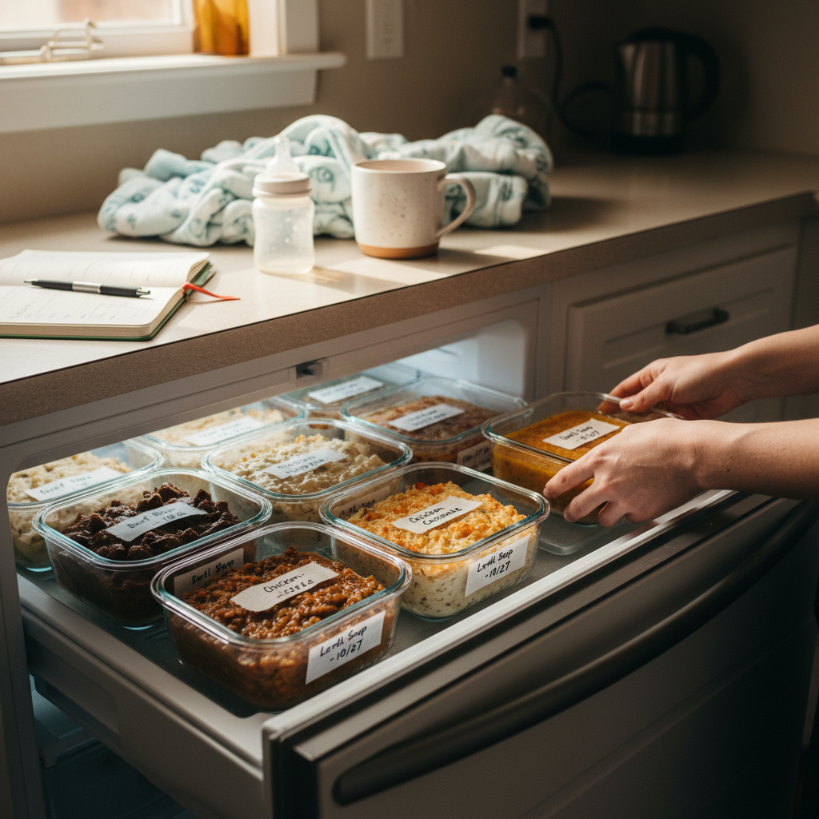
It’s key to store your meals well to keep your freezer neat and the food fresh. Many moms try to have 10-15 meals prepared before the baby arrives to get through the first part of recovery. Putting labels with the meal name, the date it was made, and how to warm it up helps a lot. Over 70% of moms say this makes things simpler and cuts down on waste.

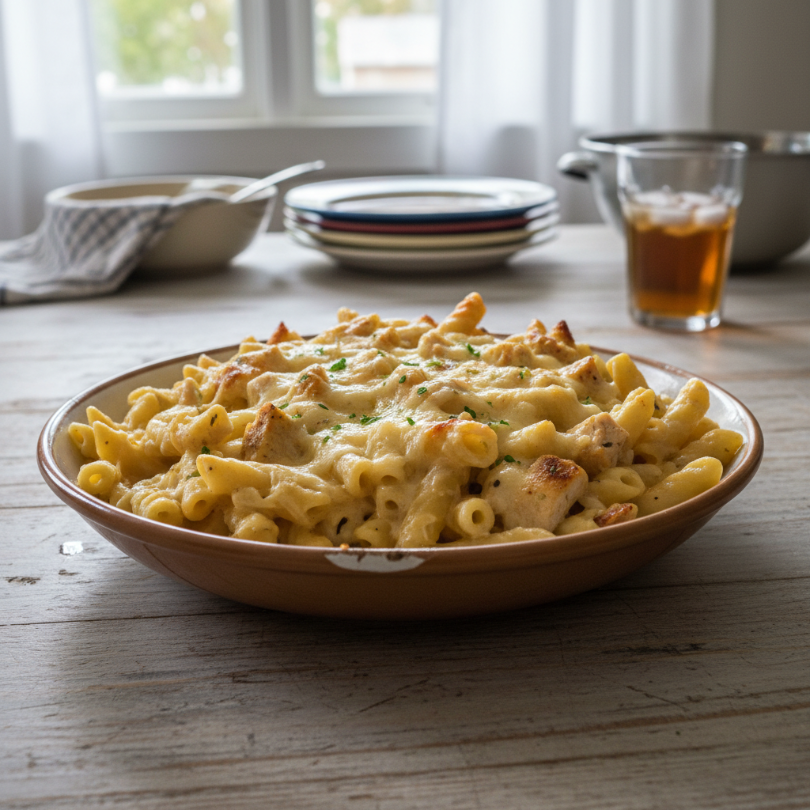
Using containers that save space and tracking what you’ve stored can help manage your freezer better. Choose dishes like casseroles, soups, and stews. More than 80% of moms say these are the best for freezing.

Reheating Tips for Prepped Meals

Warming up your meals right is key to keeping them tasty and nutritious. The safest way is to let them thaw in the fridge overnight. Around 70% of moms recommend this method because it’s safe and works well. When heating food, go for dishes that are quick to prepare. Over half of moms say they prefer these meals.

Meal Prep Ideas for Postpartum Recovery

Eat healthy by adding fruits and veggies like carrots, apples, and broccoli to your diet. Don’t forget whole grains like oats and quinoa, and protein from lean meat and beans. Foods like avocados and nuts are great for healthy fats, which are good for recovery.

Traditional Postpartum Recovery Foods

Looking into traditional foods after childbirth shows us how cultures support new moms’ health. In areas from Asia to the Mediterranean, these foods focus on being full of nutrients, easy to digest, and helpful for healing. They include many recipes and ingredients known for helping moms recover.

Traditional Postpartum Recovery Foods

Cultural Insights on Postpartum Nutrition

Cultures around the world have their own ways of feeding new moms but share some common ideas. For instance, in Korea, moms eat seaweed soup because it’s rich in iron and iodine, which helps them recover. In China, the practice of “Zuo Yuezi” includes foods like chicken soup, focusing on warmth and nourishment. Meanwhile, in Mexico, new moms drink atole, a warm drink made from cornmeal, for hydration and nutrition.

Recipes and Ingredients from Around the World

Here are some examples of traditional recipes that help with postpartum recovery from different countries:

Country Recipe Main Ingredients
Korea Seaweed Soup Seaweed, beef, garlic, sesame oil, soy sauce
China Chicken and Ginger Soup Chicken, ginger, goji berries, rice wine, black vinegar
Mexico Atole Cornmeal, milk, piloncillo, cinnamon
India Khichdi Rice, lentils, ghee, turmeric, cumin
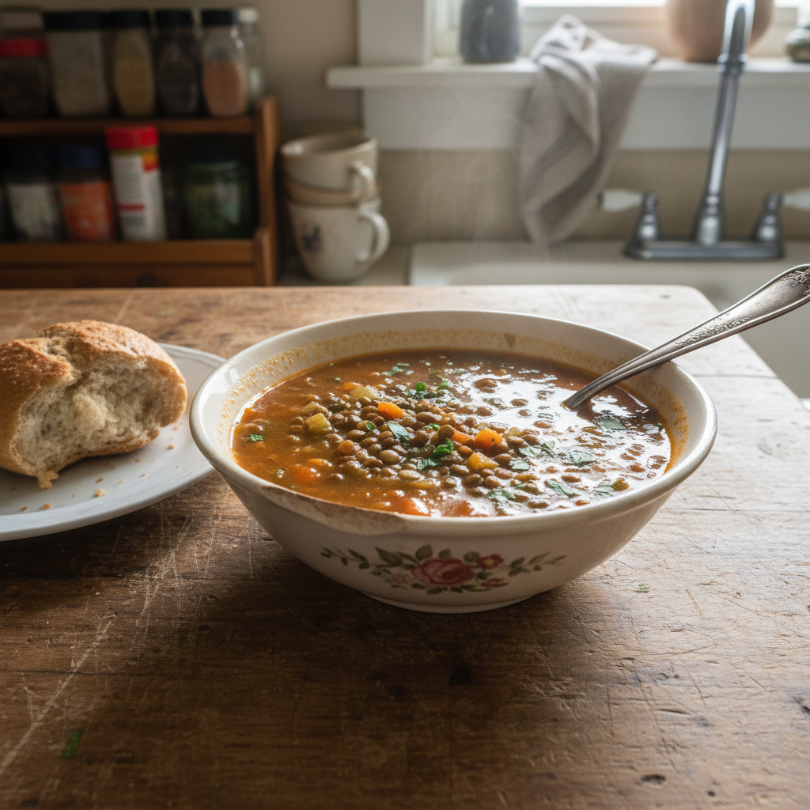
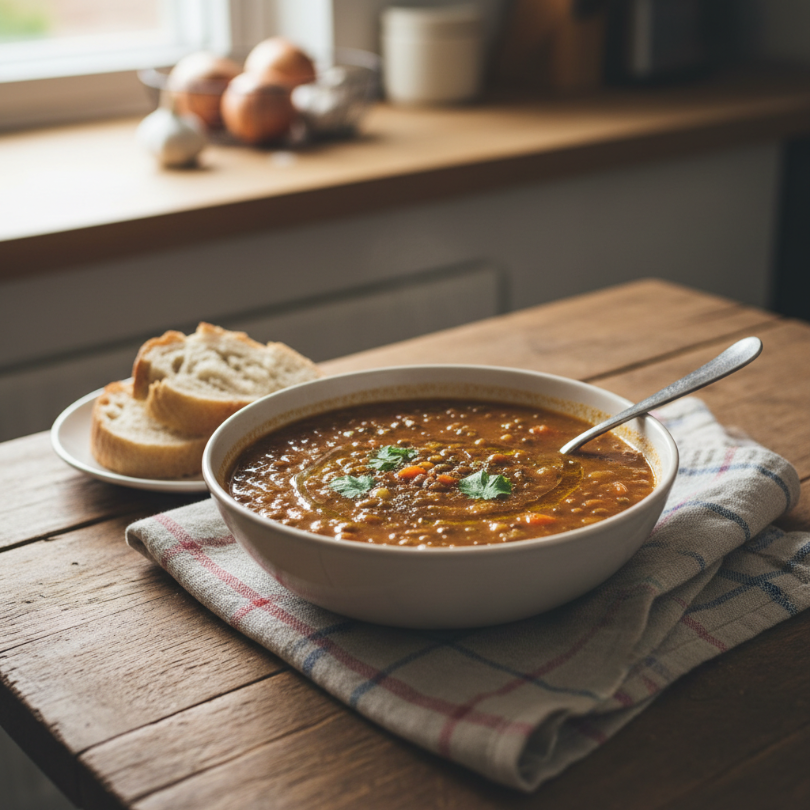
Italy Lentil Soup Lentils, carrots, celery, onions, tomatoes
Morocco Harira Tender lamb, tomatoes, chickpeas, lentils, fresh herbs

Nutritional Benefits of Traditional Foods

Traditional foods for after childbirth are packed with vital nutrients. They aim to offer nutrients in a form that’s easy to digest, aiding healing and boosting energy. Foods rich in collagen and healthy fats, like grass-fed butter and coconut oil, help repair tissues and maintain energy.

Taking these traditional foods into your diet after giving birth can provide a balanced and rich nutritional plan. It’s interesting to see how ancient foods from different areas focus on the same goals: helping new moms recover and feel better.

Conclusion

Entering motherhood is a special journey. Good nutrition is key to a smooth recovery after giving birth. In this article, we talked about many foods and meal prep ideas from around the world to help new moms.

Meal prepping saves time and boosts energy. It helps keep your mental health and overall well-being good. Eating foods rich in proteins, calcium, iron, omega-3s, and vitamins helps heal, brings back nutrients, and makes breast milk better.

Freezer meals and traditional dishes meet the special nutritional needs of new moms. By prepping meals ahead, you can reduce stress about cooking. This gives you more time with your baby. Eating small, healthy meals and drinking plenty of water, while avoiding junk food, is the base for good health after birth. Talking to doctors or dietitians for advice is always smart. Good nutrition and planning meals are key in your recovery journey.

FAQ

What are some effective meal prep ideas for postpartum recovery?

Great meal prep ideas for after childbirth include meals packed with nutrients that are also easy to freeze. Think egg muffins, oatmeal bakes, soups, and stews. Also, don’t forget lactation cookies and fudge bars. They’re simple to make in large amounts, freeze, and warm up. This makes them perfect for new moms needing nutrition and convenience.

Why is nutrition crucial during postpartum recovery?

Good nutrition helps with healing after giving birth. It fixes tears, aids in surgery recovery, and tackles blood loss. Eating well also helps balance hormones and cope with new motherhood. For moms who breastfeed, it boosts milk production. This supports both the baby and mom’s health.

What key nutrients should be included in a postpartum diet?

Key nutrients for postpartum recovery include protein, calcium, iron, and vitamins. These are essential for healing, replenishing the body, and boosting energy. For moms who nurse, they help with producing healthy milk and keeping both mom and baby well.

What are some specific meal prep ideas for breakfast?

Try freezer-friendly breakfasts like egg muffins and oatmeal bakes. You can cook them in big batches and freeze them. This provides a quick, healthy start to any day.

How should I store prepped meals efficiently?

Store meals in airtight containers to keep them fresh. Remember to label each container with the date and what’s inside. Organizing your freezer by meal type saves space and makes finding meals easy.

What are some traditional postpartum recovery foods from different cultures?

Different cultures have their special postpartum foods. For example, in Korea, new moms eat seaweed soup. In China, they prefer rich bone broths. These foods are chosen for their nutrients that help mothers recover and feel stronger.

How can meal prepping reduce stress for new moms?

Meal prepping means nutritious meals are always ready, cutting down the need to cook daily. It gives new moms more time to recover and bond with their baby, rather than being stuck in the kitchen.

What are the nutritional requirements for breastfeeding mothers?

Nursing moms need more calories, protein, calcium, iron, and vitamins. This supports milk production and keeps mom healthy. It ensures both mom and baby get the nutrients they need.

What are some nutritious snack ideas for postpartum recovery?

For snacks, think lactation cookies, fudge bars, yogurt with fruit, and nuts. These snacks are simple to make, store, and offer the nutrients needed to maintain energy and aid in recovery.

How can I maintain the flavor and nutritional value of reheated meals?

When reheating meals, prefer steaming or baking over microwaving to keep flavors and nutrients. Heating food slowly at low temperatures also helps to preserve its taste and health benefits.

7 Simple Workouts to Strengthen Your Body Postpartum (No Equipment Needed)

Discover 7 simple workouts to strengthen your body postpartum, perfect for new moms, with

Having a baby is a fantastic moment, yet it also challenges getting back in shape. There are many good things about getting fit after having a baby. I’m excited to show you seven easy and useful workouts to do at home, no gear needed. They help new moms at different fitness levels get stronger, even with a packed schedule.

Getting into shape after having a baby helps a lot. It lowers the chances of feeling down, helps with losing baby weight, and boosts your mood and body health. If you work on building strength, you can get your muscle tone back. These workouts are good for new moms, no matter how your baby arrived.

Around 70% of new moms feel better working out with belly bands. Plus, did you know planks are way better than sit-ups for burning calories? These workouts are a perfect way to get strong and energized again.

You’ll find exercises here that make your core strong, like planks and V-ups. There’s also cardio like mountain climbers for a full workout plan. These are made to focus on important muscles and be easy on your body as it heals. Start easy, listen to your body, and enjoy every bit of progress.

Stay with us as we explore more about how to exercise safely, the perks, and the best workouts for your post-baby fitness journey.

Understanding Postpartum Exercise Guidelines

Getting started with post-birth fitness might seem hard, but knowing the rules can make it easier. The American College of Obstetricians and Gynecologists (ACOG) says getting back to exercise helps with recovery after having a baby.

When to Start Working Out After Birth

If your delivery was simple and without issues, you might start light exercises a few days after giving birth. Women who had more complex pregnancies or cesarean sections may need to wait longer. It’s very important to get a doctor’s ok before beginning exercises to make sure your body is ready.

Factors Influencing Your Exercise Start Date

The right time to start exercising again after having a baby depends on several things. Your physical state, the kind of birth you had, and any health issues after birth affect this. For those who had a cesarean section, a longer rest might be needed due to the healing from surgery.

Becoming more active slowly is key to avoid getting hurt, which happens to a small percentage of new moms. It’s also vital to work on strengthening your belly and pelvic floor muscles, as pregnancy makes these areas weaker. Paying attention to approved workout guidelines and listening to what your body tells you is the best way to safely get back into exercise.

Benefits of Postpartum Workouts

Postpartum recovery workouts help new moms in many ways, both in body and mind. These exercises assist in getting back to pre-baby fitness, lowering stress, and improving life quality.

Boosting Energy Levels and Mood

Postpartum exercises are great for increasing energy and making you feel happier. With a new baby, moms often feel drained. Working out releases endorphins, boosting mood and fighting off the baby blues. Regular exercise helps moms feel more awake and less tired.

Improving Sleep and Reducing Stress

New parents often don’t get enough sleep. Postpartum workouts can really help. They make sleep better and help you deal with night-time baby care. Exercise also lowers stress, offering a way to let go of tension and worry. This leads to a more positive postpartum period.

postpartum recovery exercises

Strengthening Abdominal Muscles and Core

Working out after having a baby also strengthens your stomach and core. These areas get weak and stretch during pregnancy. Core exercises are key in getting back muscle tone and stability. Special exercises help fix separated abdominal muscles, reducing problems like bladder leaks. A strong core prevents back pain and makes everyday tasks easier.

Simple Workouts to Strengthen Your Body Postpartum

Getting back into exercise after having a baby is both exciting and a bit scary. The American College of Obstetricians and Gynecologists (ACOG) says how soon you can start depends on your pregnancy. If you had a healthy pregnancy, you might start light, no-equipment workouts just a week after giving birth. But, if you had a cesarean delivery or other complications, you might need to wait longer. Here are some simple workouts to try that are easy on your recovering body.

Walking is a great first workout. It’s easy to do and doesn’t need any special equipment. If walking for 20 minutes is too hard, start with just 10 to 15 minutes, twice a day. You can walk more as you feel better and recover.

You can also start diaphragmatic breathing exercises a few days after having your baby. Focus on breathing deep with your diaphragm and tightening your transverse abdominis. Breathe in deeply through your nose and breathe out slowly through your mouth. This strengthens your core from the inside.

Pelvic floor exercises, like Kegels, are really important for getting back into shape. They’re easy and you can do them anywhere. Tighten your pelvic floor muscles for about 10 seconds and do this throughout the day. These exercises help with recovery, bladder control, and making your core stronger.

Try the cat-cow stretch, too. It’s a yoga move that helps stretch your spine and make your belly muscles stronger. Be on your hands and knees, then move between arching your back and rounding it, breathing deeply. This is good for making your spine flexible and healthy.

Close to 6 to 12 weeks after the baby comes, try adding gentle squats and lunges. Start with small moves and slowly do more to not stress your body.

These workouts are safe and good for starting to get active again after your baby is born. They prepare you for harder workouts later. Always listen to your body and get a doctor’s okay before trying new exercises.

Pelvic Floor Exercises (Kegels)

New moms find doing postpartum pelvic floor exercises essential. Kegels are crucial for making the pelvic area strong after giving birth. They speed up recovery and help avoid future pelvic health problems.

How to Perform Kegels Effectively

To benefit from Kegels, you must do them the right way. First, find your pelvic floor muscles. They’re the ones you use to stop peeing. Squeeze these muscles for 5 seconds, then rest for 5 seconds.

Start with two sets of 10 reps, twice a day. Gradually, hold the squeeze longer, up to 10 seconds. Increase to three sets when you can. Doing Kegels often can enhance bladder control in four to six weeks.

postpartum pelvic floor exercises

Benefits of Kegels for Postpartum Recovery

Kegel exercises have many postpartum benefits. Many women deal with urinary incontinence during or after pregnancy. Kegels can lessen this issue. They also lower the risk of bowel incontinence postpartum.

Moreover, they help with pelvic pressure when you cough, sneeze, or lift things. Adding Kegels to your routine improves pelvic stability and muscle health for the better.

Diaphragmatic Breathing Techniques

Diaphragmatic breathing is very helpful after giving birth. It aids in recovery and lowers stress for new moms. By gaining control over their breath, moms can strengthen their core and pelvic floor muscles. This method improves oxygen flow and reduces stress.

diaphragmatic breathing postpartum

Step-by-Step Guide to Diaphragmatic Breathing

To start diaphragmatic breathing, lie on your back with knees bent. Your feet should be flat on the floor. Put one hand on your chest and the other on your belly. Breathe in slowly through your nose, letting your belly rise while your chest stays still. Breathe out through your mouth, letting your belly fall. Try this for 5 to 10 minutes, three to four times a day.

Soon, diaphragmatic breathing will become second nature. It makes your lungs work better and helps manage stress postpartum. As you keep practicing, it helps you stay calm by engaging the nervous system that relaxes you.

Why Deep Breathing is Crucial for New Moms

Deep breathing is very important for new mothers. It helps relax by lowering blood pressure and heart rate. This practice supports healing the core and pelvic floor muscles, key to postpartum recovery. It also helps moms build a soothing bond with their babies.

If you’re dealing with pregnancy-related issues like diastasis recti, incontinence, or organ prolapse, this breathing is especially helpful. It lowers stress and makes breathing easier, improving postpartum health. This technique can empower and offer support shortly after the baby is born.

Walking: The Perfect Postpartum Cardio

Walking is great for new moms wanting to get back into shape. It’s easy to do and fits into your day. Usually, it’s best to wait about 6 weeks before starting serious workouts after having a baby. But, you can start walking a few days after if you had a normal delivery. This helps you safely get back into being active.

Walking is a top cardio workout for new mothers. It can be planned around your time, making it perfect. The ACOG advises aiming for 20–30 minutes of walking a day, aiming for 150 minutes a week. If that’s too much, try doing 10-minute walks throughout the day. This approach makes it simple to keep moving, even with a new baby.

Walking not only boosts your heart health but also helps your mind. Working out after having a baby can make you feel happier and less anxious. About 30-40% of women feel more upbeat after exercising. Walking with your baby helps you lose pregnancy weight too. People often lose 5-10% of their pregnancy weight in six months by walking.

Also, walking regularly after having a baby can increase your fitness by 15-30%. Moms who walk often feel up to 60% more energetic than those who don’t. Making walking a habit can give long-term health benefits as you get through the postnatal phase.

Cat-Cow in Tabletop Position

The Cat-Cow exercise is great for moms after having a baby. It’s a yoga stretch that starts you off on all fours. It helps make your spine more flexible, strengthens your back, and helps get your core strength back.

To do the Cat-Cow stretch, I get on my hands and knees. I make sure my wrists are right under my shoulders and my knees are under my hips. This is important for balance and working the right muscles. I breathe in and let my stomach relax, arching my back and lifting my head and tailbone up. This is the “Cow” part. When I breathe out, I pull my belly in, rounding my back and putting my chin to my chest, which is the “Cat” part.

Doing the Cat-Cow pose for about a minute really helps with my spinal flexibility and movement. Adding this stretch to my daily routine also eases back pain, which is common after having a baby. The movement also gently massages my insides, helping with circulation and digestion.

Adding the Cat-Cow exercise to my workouts not only makes my back stronger but also helps wake up my core muscles after giving birth. It also helps fix my posture, which often gets worse during pregnancy because of how my body changes and the extra weight.

The Cat-Cow stretch is an awesome exercise for getting back in shape after having a baby. It’s gentle, works well, and fits with the goal of getting stronger and more balanced after pregnancy. Doing this exercise with deep, careful breaths makes it even better, taking care of my body and mind after having a baby.

Swiss Ball Glute Bridge for Core Stability

The Swiss Ball Glute Bridge is key for postpartum recovery. It’s great for strengthening the pelvic floor and improving core stability. I’ll show you how to do it and talk about its many benefits.

How to Perform the Swiss Ball Glute Bridge

To do the Swiss Ball Glute Bridge right, start by lying down with your feet on a Swiss ball. Your knees should be bent. Keep your arms flat on the ground to stay balanced. Then, lift your hips up, using your core and glutes. Stay up for a few seconds, then lower back down. Do 10 to 20 reps, up to 3 or 4 sets in your workout.

Benefits of This Exercise for Postpartum Moms

For postpartum moms, the Swiss Ball Glute Bridge is super helpful. It works the abs, glutes, quadriceps, and hamstrings. This is key in routines after having a baby. Doing these exercises often helps with core stability and pelvic floor strength. This is important for recovery and avoiding lower back pain. Always check with your doctor before you start a new exercise plan.

Postpartum Planks for Total Body Strength

Postpartum planks are awesome for mothers looking to get strong after having a baby. They work your core, back, and shoulders. It’s important to do them right, especially just after giving birth.

Steps to Perform a Standard Plank

To do a standard plank the right way, follow these steps:

  1. Start in a kneeling position on a yoga mat.
  2. Place your forearms on the ground, elbows under your shoulders.
  3. Stretch your legs back, using your toes and forearms for support.
  4. Keep your core tight by pulling your belly in.
  5. Keep a straight line from your head to heels. Don’t let your hips drop.
  6. Hold for 20 to 30 seconds. Increase the time as you get stronger.

Modifications for Beginners

For new moms, starting with easier versions of planks helps. These changes help you get strong without overdoing it:

  • Knee Plank: Keep your knees on the ground instead of straightening your legs. This lessens the load on your core.
  • Incline Plank: Do the plank with your arms on a raised surface like a bench. It’s easier but still works your core.
  • Shorter Holds: Start with 10-15 second holds. Increase the time as you build strength.

Adding postpartum planks to your workout boosts your strength and helps with a healthier, more vibrant motherhood. Always adjust the exercise to stay safe and effective.

Side Plank Leg Lifts for Advanced Core Strength

New moms who want to get their core strength back can try side plank leg lifts. This exercise focuses on the obliques and deep transverse abdominal muscles. It helps deal with back pain, hip pain, and sciatica that come from pregnancy. Watching your Intra-Abdominal Pressure (IAP) is key to avoid problems like diastasis recti. Doing side plank variations carefully is very beneficial.

Make sure you are good with the basics before adding side plank leg lifts to your workout. You should start these exercises about 6 weeks after having a baby. At this time, you can safely make your core stronger while keeping an eye on IAP. This can prevent problems like urinary incontinence. Doing these exercises the right way helps your pelvic floor, diaphragm, and core.

It’s important to move to these exercises when you feel your body is ready. Side plank leg lifts not only make your core strong but also improve your balance and stability. Start off slowly and increase the difficulty gradually for a safe recovery. Let this exercise show the amazing resilience and strength of your postpartum body.

Conclusion

When wrapping up tips on fitness after childbirth, remember, it’s crucial to start slow and listen to your body. Gentle exercises like pelvic floor trainers, yoga, and walking can often start right after giving birth if you had a vaginal delivery. But, if your delivery was by cesarean section, it’s vital to talk to a doctor before starting any exercise.

Beginning with light activities helps with healing. Then, you can slowly make your workouts harder based on your body’s reaction. You can usually start more organized exercises six weeks after childbirth, if your doctor agrees. Being active during this time can help you manage your weight, improve heart health, and may lower your chance of feeling depressed after giving birth.

To get back into shape, try to exercise for at least 150 minutes each week at a moderate pace. Adding different exercises like Swiss ball exercises, Cat-Cow stretches, and modified side planks helps build your fitness and supports gentle recovery. Always pay attention to how your body feels, particularly to signs like ongoing pain or excessive bleeding, which means you might be pushing too hard.

In closing, remember that getting back to fitness after having a baby is not just about exercising. Eating right, resting enough, and drinking plenty of water are just as crucial. By doing all these things, new moms can regain their strength and vitality. This way, you can fully enjoy motherhood with a healthy and fit body.

Postpartum Self-Care Checklist

The Essential Postpartum Self-Care Checklist for New Moms

Discover vital tips with my Essential Postpartum Self-Care Checklist, crafted to support new moms

Becoming a mom is a huge change with lots of new challenges. This guide is for new moms in the fourth trimester. It’s important to look after yourself as well as your baby during the first 12 weeks. This checklist has everything you need to take care of yourself properly.

The fourth trimester lasts about 12 weeks. It’s key to take care of your body and mind. You need to manage things like bleeding, which goes on for 4 to 6 weeks. It’s also important to know about baby blues or postpartum depression that many new moms face.

This guide covers many topics to help you during postpartum recovery. It will help you feel confident and informed about taking care of yourself. From healing physically to getting emotional support, this checklist is here to make becoming a mom a little easier.

Understanding the Postpartum Period

The postpartum period is also called the fourth trimester. It’s a key time that brings hormonal, psychological, and physical changes in a new mom’s life. These 12 weeks after childbirth need a lot of care and understanding.

What is the Postpartum Period?

The postpartum period starts right after childbirth. In these weeks, a mom’s body heals from labor and delivery. It’s essential to know this term includes hormonal changes, healing, and dealing with new emotions.

Common Challenges During Postpartum

After childbirth, new moms face many challenges. One is breast engorgement, where too much breast milk causes discomfort. This usually happens in the first few days.

Constipation is common, too, especially after a C-section. Moms might also notice vaginal discharge and night sweats as their body adjusts. Furthermore, about 14% of new moms experience postpartum depression, feeling sad and anxious, which affects taking care of their baby.

The Importance of Postpartum Care

Postpartum care is crucial for the health of both mom and baby. It’s vital to go to all postpartum check-ups. These visits help manage symptoms and monitor healing.

New moms should follow care advice closely, like not using tampons for the first weeks and drinking plenty of fluids. Breastfeeding can help with weight management by using extra calories.

Physical Healing and Recovery

After childbirth, your body changes a lot. These changes need careful attention for a good recovery. It’s important to manage postpartum pain well and use the right hygiene products. This makes the recovery period more comfortable and safe.

Managing Postpartum Pain

Managing pain well is key to recovering fast and effectively. Over-the-counter medicines like ibuprofen and acetaminophen are great for mild pain. If the pain is worse, doctors may give stronger medicines.

Ice packs help with soreness and swelling in the vaginal area. Witch hazel offers relief too. It can go on pads or in sitz baths to ease soreness and itching. Epsom salt baths are also good. They reduce swelling and help with stress during this tough time.

postpartum pain management

Essential Hygiene Products

Good hygiene is very important after having a baby. This helps prevent infections and supports healing. Special postpartum pads are made to be bigger and more absorbent for postpartum bleeding. This bleeding can last up to six weeks or more.

Peri rinse bottles are great for gentle cleansing. Sitz baths can heal the perineal area. For new moms who breastfeed, nursing pads, nipple balm, and nursing bras are essential. They offer comfort as you adjust. Using these hygiene products will help you heal faster and feel better.

Emotional and Mental Well-being

The well-being of new moms is just as important for their minds as it is for their bodies. After giving birth, they may face lots of ups and downs emotionally and mentally.

Recognizing Baby Blues and Postpartum Depression

Many new moms, about 80%, feel sad and overwhelmed soon after their baby is born. This is known as “baby blues” and it usually gets better on its own in two weeks. But, about 20% might get postpartum depression, which can show up anytime in the first year, especially around the fourth week.

Postpartum depression can make moms feel really tired, anxious, hopeless, and nervous. In worse cases, it could lead to scary thoughts about harming themselves or the baby. It’s really important to notice these signs early to get help quickly.

postpartum depression

Seeking Mental Health Support

If a new mom is feeling down or thinks she might have postpartum depression, it’s crucial to get help. Talking honestly with doctors about how she’s feeling can make a big difference. Doctors might suggest medicines, therapy, or both, which can help a lot. They also check for depression during baby’s check-ups to make sure both mom and baby are okay.

Staying Connected with Loved Ones

Keeping in touch with family and friends is super important. They offer a lot of emotional and practical help. This support can make new moms feel less alone and help them deal with their feelings. Sharing their experiences with others can build a caring circle around the mom and baby.

Daily Self-Care Practices

New moms face a challenging time after childbirth. It’s crucial to focus on self-care every day. This helps improve both body and mind fast. Adding small, positive practices can make a big difference in adjusting to motherhood.

Research says doing self-care for 20 minutes daily boosts happiness and health. Simple things like sleeping enough and eating healthy foods matter a lot. Drinking plenty of water is essential, as it fights tiredness in new moms.

Using mindfulness or meditation can lessen stress significantly. About 65% of new moms who meditate feel emotionally better. Even five minutes of meditation helps. Writing down what you’re thankful for also improves your mood.

Being active is key to getting better after having a baby. Soft stretching or yoga after 4-6 weeks helps 75% of women feel more comfortable. Spending time outside can also make you less stressed and happier.

postpartum daily self-care routines

Having help like postpartum doulas or meal support boosts happiness by 40%. Doing fun things for 15 minutes a day raises daily joy by 30%. When partners help with the baby, it makes the relationship stronger. This shows how teamwork is important.

For new moms, managing many things at once is tough. Tech tools like apps for personal assistance make life simpler. This gives you more time for self-care. Starting with small steps in self-care can greatly improve your life over time.

Postpartum Self-Care Checklist

Entering motherhood is wonderful but tough. It’s key to take good care of yourself after giving birth. Here’s what you need to do to stay healthy and happy during this period.

Rest and Sleep

With a new baby, sleeping enough is hard. But sleep is vital for your recovery and mental health. Try to nap when you can.

Experts say you should rest whenever possible. This helps fight tiredness and stress. Taking short naps during the day is recommended.

Healthy Eating Habits

Eating well is crucial for your recovery and staying energized. Eat plenty of fruits, veggies, nuts, and lean meats. This helps you heal better.

You should eat 20-30 grams of protein in each meal. Don’t skip meals. Having meals ready to eat can also really help.

Gradual Physical Activity

Exercise is great for your body and mind after birth. Begin with easy activities like walking to improve your mood and lower stress.

A 9-week workout plan after giving birth can be helpful. It will show you the right exercises to do as you recover.

Staying Hydrated

Drinking enough water is very important, especially if you’re breastfeeding. It keeps your milk supply up and improves your health.

Try to drink 2 to 3 cups of water every hour. This is even more important when you breastfeed. It helps with skin health and energy.

Using this checklist can help new moms take care of their baby and themselves. Your health is as crucial as your baby’s. These steps will aid in your recovery after birth.

Balancing Baby Care and Self-Care

For new moms, striking a balance between baby care and personal well-being can be tough. It’s vital to manage both without getting overwhelmed. By sharing tasks and setting up routines, stress can be greatly reduced.

Delegating Tasks and Accepting Help

It’s okay to ask for help from those around you. Some moms feel bad for putting their needs first, but taking care of yourself helps you take better care of your baby. Sharing duties with others means you can rest and focus on your health.

delegating tasks postpartum

A lot of new moms feel swamped soon after having a baby. A strong support network can lessen these feelings. Being active or hiring a postpartum doula can also make a big difference in reducing stress.

Creating a Routine

For new moms, having a routine can make life easier. It helps manage stress by bringing structure to daily life. A good plan includes time for you and your baby, like resting, exercising, and writing in a journal.

Remember, motherhood is not about perfection. It’s about finding what fits you and your baby best. Small steps like getting help and following a routine can improve your health during this big change in your life.

Conclusion

The postpartum period is a time of big changes. New moms need lots of support and care to get through it. Following a postpartum self-care checklist can really help. This way, moms and their babies get what they need to do well during this time.

Many women, over 40%, skip their postpartum visits. This can lead to worse health outcomes. The issue is even bigger among those with fewer resources. Since a lot of pregnancy-related deaths happen after birth, we can’t ignore postpartum care. Talking about its importance early on and using tech for reminders can make more moms show up for their visits.

The mental health of new moms is super important. With most experiencing the “baby blues” and 15% facing postpartum depression, getting help early matters. Doing things like resting, staying hydrated, and slowly starting to exercise can make a big difference in how moms feel mentally. Moms who take care of themselves this way feel 25% better emotionally.

To wrap things up, a full-circle approach to postpartum care is key. This includes healing physically, getting emotional support, and using practical helps like meal delivery. These steps set the stage for a successful start to motherhood. I believe that following a detailed checklist and getting complete care is crucial for new moms to flourish during this important time.

ngredients for Healthy Meal Prep Success

10 Must-Have Ingredients for Healthy Meal Prep Success

Discover my top 10 ngredients for Healthy Meal Prep Success that'll make your weekly

Having the right ingredients is crucial for nutritious meal planning. A guide to successful meal prep includes choosing versatile and healthy items. These staples let you create delicious meals quickly.

Meal prep containers, Mason jars, and instant pots can save you time. They also help lessen food waste.

Key Takeaways

  • Meal prep containers enhance efficiency and reduce food spoilage.
  • Mason jars save up to 10 minutes in the morning.
  • Flat-stored meals in gallon freezer bags increase freezer capacity by 25%.
  • Using sectioned containers reduces food waste by 30%.
  • Quality knife sets like Rachael Ray’s can last over 10 years.
  • Food processors cut prep time by 50%.
  • Instant pots reduce cooking times by up to 85%.
  • Organized refrigerators with storage bins increase space functionality by 30%.
  • Labeling containers improves meal retrieval efficiency by 40%.

With these key ingredients and tips, meal planning becomes easy. You can stay on track with healthy eating all week long.

Why Fresh Fruit is a Meal Prep Staple

Using fresh fruit in meal prep boosts nutrition and convenience. Adding fresh fruit to my cooking has made meals tastier and more varied. Let’s look at how using seasonal fruits and quick, fresh fruit snacks can improve our diets.

Choosing In-Season Varieties

Selecting seasonal fruit is key for better nutrition and saving money. Seasonal fruits like strawberries and blueberries are cheaper and full of nutrients. They are ideal for meal prep because they’re tasty and healthy.

Quick Snacks and Breakfast Options

Fresh fruit is perfect for quick snacks and breakfasts. I keep sliced fruits like apples and watermelon ready to eat. These snacks give me a fast energy boost.

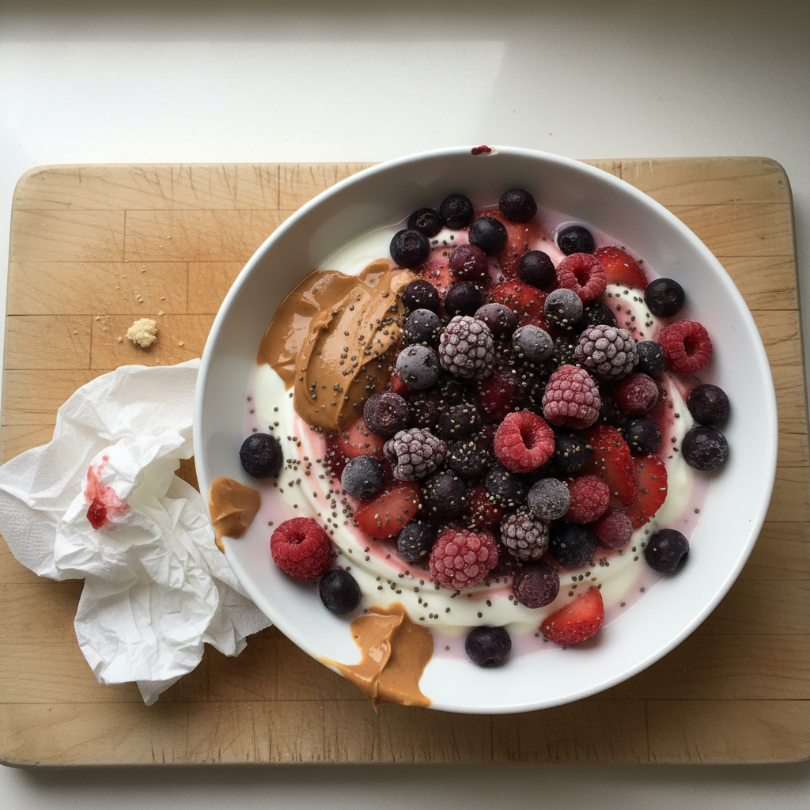
Fruit is great on yogurt or in smoothies for breakfast. This method ensures I eat different fruits and saves me time in the mornings.

Adding fresh fruit to my meal prep has improved my diet and made it easy to enjoy seasonal tastes all year. By preparing fruits on a set day, I make my week simpler and keep my meals healthy.

Ready-To-Eat Protein: A Time Saver

Using ready-to-eat protein options can really save you time spent cooking. These quick and easy protein solutions are perfect for those with busy lives. Prepared meats, seafood, and eggs offer the protein you need without the long cook times. Let’s look at some key ready-to-eat proteins and what makes them great.

Pre-cooked Meats and Fish

Pre-cooked meats and fish like grilled chicken or smoked salmon are perfect for quick meals. They stay fresh in the fridge for 3 to 4 days. That’s why they’re great for folks who only have time to meal prep once or twice a week. Let’s dive into the good stuff these protein sources offer:

Protein Source Protein Content Serving Suggestion
Grilled Chicken Breast 35g per 5 oz Salads, wraps, pasta
Smoked Salmon 40g per 6 oz Bagels, salads, avocado toast
Turkey Wrap 28g per wrap Wraps, sandwiches
Stir-fried Shrimp 34g per serving Stir-fries, salads, grain bowls

These options are not just packed with protein. They also help you stay away from unhealthy last-minute food. By adding them to your meals ahead of time, you’ll always have quick, healthy food ready.

The Versatility of Eggs

Eggs are super adaptable and loaded with nutrients for your meal prep. You can enjoy them boiled, scrambled, or as an omelette, providing protein anytime. With just two hard-boiled eggs, you get about 12g of protein. This makes eggs a fantastic way to boost your protein easily. Check out these egg meal ideas:

Egg Dish Protein Content Meal Suggestion
Hard-Boiled Eggs 12g per two eggs Snack, breakfast side
Scrambled Egg Whites 18-20g per serving Breakfast, brunch
Omelette Up to 20g per omelette Breakfast, lunch
Frittata Up to 22g per serving Lunch, dinner

By using eggs in your meal prep, you can make your food fun and healthy. Eggs are an easy-to-carry protein source for breakfast or snacks. They help keep your energy up and support your health. Mixing pre-cooked meats, fish, and eggs in your meals gives you tasty protein rich options. All without giving up your time or variety.

Vegetables: Nutrient-Packed Essentials

Vegetables are key for any healthy meal, packed with nutrients important for a balanced diet. They are nutrient-dense, offering lots of nutrients for few calories. This is great for those trying to get the most nutrients without consuming too many calories.

A meal should have half its portion as vegetables. This way, everyone can enjoy their nutritional benefits. From leafy greens like spinach to crunchy carrots and bell peppers, a variety of vegetables makes meals colorful and full of necessary vitamins, minerals, and fibers. They can be raw, roasted, or added to salads and wraps.

Using fresh vegetables in your meals can greatly improve your diet’s quality. Zucchinis and Brussels sprouts, for example, are versatile in cooking. Adding different colorful vegetables to your diet helps meet nutritional needs and keeps meals interesting.

Vegetable Type Nutritional Benefits Preparation Methods
Leafy Greens (Spinach, Kale) High in vitamins A, C, K, and folate Salads, Smoothies, Sautéed
Cruciferous Vegetables (Broccoli, Brussels Sprouts) Rich in vitamins C, K, and fiber Roasted, Steamed, Raw
Root Vegetables (Carrots, Beets) Packed with antioxidants and fiber Roasted, Raw, Pickled

Adding colorful and nutrient-rich vegetables to your meals isn’t just good for your diet. It also boosts your overall health and wellness.

Comparing Fresh and Frozen Produce

Choosing between fresh and frozen vegetables requires considering the benefits of both. Frozen vegetables offer nearly the same nutrition as fresh ones. Plus, they are convenient for busy days or when fresh produce isn’t great. By using frozen veggies like corn, broccoli, or green beans in your meals, you keep eating healthy all year round.

The Benefits of Frozen Vegetables

benefits of frozen vegetables

Frozen vegetables keep their quality really well. They are frozen soon after being picked, keeping in all the good stuff. Fresh veggies, though, can lose nutrients while they wait to be eaten. Frozen veggies also create less waste since almost all parts are used. This is better for the planet than the waste fresh veggies can make.

Maintaining Nutritional Value

Studies show that frozen produce can be as nutritious as fresh ones. Fresh produce can lose half of its worth after trimming and going bad, raising its cost. Frozen fruits and veggies waste less, saving money. A study found that fresh and frozen produce are not that different in nutrition, proving that frozen can be just as good as fresh.

Factors Fresh Produce Frozen Produce
Quality Maintenance Decreases over time in the supply chain Maintained through quick processing and freezing
Usability Often less than 50% due to trimming and spoilage 100% usable with minimal trim waste
Food Waste Contribution High, especially with spoilage Low, often repurposed as animal feed
Cost Consideration Higher due to labor, trimming, and spoilage Lower with consistent quality
Nutritional Value Declines after a few days post-harvest Maintained or sometimes better than fresh

Essential Dairy and Alternatives

Adding dairy to your meal prep can really up the nutrition and taste. Milk, cheese, and yogurt are key for lots of dishes. Let’s explore how to best use dairy and its alternatives in your meals.

Greek Yogurt: A Protein Rich Option

Greek yogurt stands out among dairy for its high protein. It’s great for upping protein intake. You can use it in parfaits, smoothies, or as a healthier swap for sour cream. It’s also easier to digest, thanks to the fermentation process. This is good news for those who struggle with lactose. Plus, Greek yogurt brings a creamy taste and a bit of tang to recipes, without taking over the flavor.

Choosing Between Milk and Milk Alternatives

Choosing between regular milk and its alternatives depends on your diet and nutritional needs. Regular milk is loaded with calcium and protein, good for bones and muscle repair. Yet, because 65% of folks worldwide are lactose intolerant, many need alternatives.

Options like almond, soy, and coconut milk are packed with nutrients, including calcium and Vitamin D. They offer similar benefits to dairy milk but are lactose-free. This is a relief for people with dairy allergies, which is common among young children. These alternatives work well in recipes, like cereal, drinks, and baking. Each milk alternative has its own taste and texture. For example, almond milk is lighter, while soy milk is better for baking because of its thickness.

Nutrient Regular Milk Almond Milk Soy Milk
Calcium 300 mg 450 mg (fortified) 300 mg (fortified)
Protein 8 g 1 g 7 g
Vitamin D 2.5 mcg 2.4 mcg (fortified) 2.9 mcg (fortified)
Saturated Fat 4.5 g 0 g 0.5 g
Lactose 12 g 0 g 0 g

Quick and Healthy Snacks

Prepping meals means you need quick, healthy snack options. Let’s talk about how hummus and the right cheeses can help.

The Versatility of Hummus

Hummus is full of protein and great as a dip or spread. It tastes good with veggies like carrots and cucumbers, and with whole-grain crackers. Using hummus can help you have tasty, healthy snacks all week.

healthy snacks

Cheese Choices for Healthy Eating

Healthy cheeses include mozzarella, feta, and cheddar. They offer different tastes and health benefits for your snacks. Mozzarella is lower in calories, great with tomatoes and basil.

Feta adds a tangy flavor to salads or quinoa. Cheddar, filled with calcium and protein, is great with apples or crackers. This makes your snacks both healthy and enjoyable.

By adding these to your meal prep, you’ll always have healthy snacks ready. This supports your healthy lifestyle goals.

Ingredients for Healthy Meal Prep Success

Successful meal planning is all about variety. It involves different foods like protein, vegetables, and dairy for a balanced diet. Using many ingredients meets various nutritional needs and keeps meal prepping fun and lasting.

Adding many vegetables gives you vital vitamins and minerals. Pair fresh veggies with proteins like cooked meats, fish, or eggs for meals full of nutrients.

Using different proteins in your meals adds taste and meets various eating habits. For dairy, choose Greek yogurt for a protein boost or pick milk alternatives to fit your diet.

Ingredient Type Examples Benefits
Vegetables Broccoli, Spinach, Carrots Rich in vitamins and minerals, boosts immune health
Proteins Chicken, Salmon, Eggs Essential for muscle growth, high in essential amino acids
Dairy and Alternatives Greek Yogurt, Almond Milk, Cheese Offers calcium and probiotics, supports bone health
Fruits Berries, Apples, Bananas High in antioxidants, provides natural sweetness

Choosing the right ingredients is key to meal prep success. By mixing food groups, you get meals that are good for you, taste great, and have variety. This makes every meal exciting and nutritious.

Conclusion

Our journey through meal prep success has taught us the importance of choosing the right ingredients. Fresh fruits, proteins, nutrient-rich vegetables, and dairy are key for a balanced meal plan. Incorporating these ingredients ensures meals last longer. This way, you can enjoy a healthy diet that meets your goals.

To build muscle or lose fat, following macronutrient ratios helps. For example, eating 30% protein, 30% grains, and 40% veggies is beneficial. Use good containers for easy portion control and keep meals fresh. A well-organized freezer means less waste and always having something good to eat.

Despite the convenience of food delivery, making your meals is empowering. Limit your meal prep research to 30 minutes to save time. Consider getting help from a meal planning expert. Benjamin Franklin said, “Failing to plan is planning to fail.” With these tips, meal prepping becomes a rewarding routine, leading to a healthier lifestyle.

FAQ

What are the benefits of having fresh fruit for meal prep?

Fresh fruit is loaded with nutrition and can be very flexible in use. You can save money and get more nutrients by choosing fruits that are in season. By storing them cut up in clear containers, they’re ready to eat as snacks, or you can add them as toppings to yogurt or blend them into smoothies for breakfast.

Why should I include ready-to-eat proteins in my meal prep?

Adding things like cooked chicken, smoked salmon, and eggs can make meal prep faster. They’re easy to mix into salads, create quick dishes, or eat by themselves. Eggs are especially good because you can make a variety of meals with them, including boiled eggs, omelettes, or frittatas.

What makes vegetables an essential part of meal prep?

Vegetables are super important because they’re full of nutrients and can be used in many ways. Having a variety like greens, carrots, and zucchinis makes your meals look and taste better. They can be enjoyed raw, roasted, or added to salads, wraps, or side dishes.

How do frozen vegetables compare to fresh ones?

Though many prefer fresh vegetables for their taste, frozen ones offer similar nutrients and are often more convenient. They are a good choice when you can’t find fresh veggies, helping you eat healthily all year round.

How can dairy products and their alternatives enhance meal prep?

Dairy items and substitutes are great for adding protein to your meals. Greek yogurt works well in parfaits, smoothies, or as a sour cream replacement. Using milk or alternatives like almond or soy milk is great for cereals, drinks, and cooking. They give you calcium and protein.

What are some healthy snack options to keep on hand?

It’s important to have quick, nutritious snacks ready. Hummus is a good choice for a dip or spread because it’s high in protein. Cheeses such as mozzarella, feta, and cheddar offer various tastes and health benefits. They are perfect for enhancing snacks or meals.
High-Protein Snacks That Support Weight Loss

10 High-Protein Snacks That Support Weight Loss (And Keep You Full

Discover my top 10 high-protein snacks that support weight loss and keep you satisfied

Discover ten amazing high-protein snacks that aid in weight loss and keep you full. These healthy snacks are great for stopping hunger and giving your body the nutrients it needs. Each high-protein snack offers a mix of protein, fiber, and other important nutrients. This helps with your health and weight loss. Whether you need to fight off hunger or want healthy foods on the move, these choices are great for your diet.

High-protein snacks are key for those looking to lose weight but stay full. Enjoy tasty foods like Greek yogurt parfaits or roasted chickpeas. They keep you full and give you energy without losing out on taste or health benefits. Keep reading to find these protein-filled snacks that help with weight loss.

Key Takeaways

  • High-protein snacks help you feel fuller for longer, aiding in weight management.
  • These snacks offer a balanced mix of protein, fiber, and essential nutrients.
  • Options include Greek yogurt parfait, tuna with whole-grain crackers, and more.
  • Convenient and nutritious, they are ideal for those with busy lifestyles.
  • Incorporating these high-protein snacks can boost your overall health and well-being.

Introduction to High-Protein Snacking

High-protein snacking is very important, especially for busy people or those looking to control their weight. Consuming enough protein is key for good health and well-being.

Why High-Protein Snacks?

High-protein snacks offer many benefits. They help you feel full by activating hormones that suppress hunger. This makes it easier to keep your blood sugar steady and digestion slow. For example, Greek yogurt can have up to 15 grams of protein, keeping you satisfied for longer.

The Benefits of Protein for Weight Loss

Eating protein helps with weight loss. It makes you eat fewer calories by reducing hunger, so you avoid unhealthy snacks. Healthy options like low-fat cheese sticks or cottage cheese, with about 23.5 grams of protein per cup, aid in weight management. Protein also burns more calories than fats and carbs, helping you lose weight. It even helps active people recover faster from workouts and feel less sore.

Choosing the Right Snacks

Picking the right snacks is crucial for high-protein snacking. Go for snacks that are rich in nutrients but low in refined sugars and high in protein. A serving of roasted chickpeas, for example, has 12 grams of protein and keeps you full with few calories. Combining protein with fiber-rich food makes snacking even more satisfying. But remember, watching how much you eat is important to not overdo it on calories.

  1. Greek Yogurt: 12 grams of protein; 188 calories per serving.
  2. Egg Salad on Cucumbers: 12.6 grams of protein; under 200 calories for two hard-boiled eggs on cucumber.
  3. Peanut Butter Celery Sticks: 11.5 grams of protein; 289 calories for one large celery stick with toppings.

Greek Yogurt Parfait

Greek yogurt parfaits are tasty and full of nutrition. They’re perfect for a high-protein snack during your weight loss journey. The star, Greek yogurt, makes these parfaits not just delicious but also very good for your health.

Why Greek Yogurt?

Greek yogurt is full of protein and good for your health. It’s thicker and has more protein than regular yogurt because of how it’s made. This helps with muscle repair and keeps you feeling full.

It also makes your digestion better thanks to probiotics. Plus, it’s great for strong bones because of its calcium. And, it can help reduce tiredness because it balances carbs and protein.

How to Make a Greek Yogurt Parfait

Making a Greek yogurt parfait is easy and you can change it up to fit what you like. Here’s how to do it:

  1. Start with 1 cup of low-fat or non-fat Greek yogurt as the base.
  2. Add 1/4 cup of fresh blueberries for sweetness and antioxidants.
  3. Put 1/2 cup of granola on top for a crunchy texture. Make sure it’s fresh for the best taste.
  4. Throw in 1 tablespoon of chia seeds for fiber and omega-3s.
  5. Drizzle with 1 tablespoon of honey or maple syrup for sweetness.
  6. If you want more protein, add some protein powder.

Benefits and Nutritional Value

A Greek yogurt parfait packs a lot of nutrition. A typical serving includes:

Component Amount Per Serving
Calories 250
Protein 25 grams
Fat 10 grams
Carbohydrates 25 grams
Fiber 9 grams
Sugar 10 grams

It’s low in calories and high in protein, making up about 30.6% of its total calories. This parfait is a great choice for those trying to keep their weight in check. It’s flavorful and fills you up without sacrificing taste. Plus, it provides important vitamins, minerals, and fiber, making it a well-rounded snack for any time.

Hard-Boiled Eggs

Hard-boiled eggs are amazing for quick protein snacks. They have 6 grams of protein each. This makes them perfect for staying full between meals. They’re also easy to take with you and simple to make.

Hard-boiled eggs give you high-quality protein. This protein helps keep your energy up, makes you feel fuller, longer, and helps your muscles repair and grow. They’re also full of important nutrients like B vitamins and selenium, boosting overall health.

Each egg has 186 milligrams of cholesterol. The 2020–2025 Dietary Guidelines for Americans advise eating as little cholesterol as possible. So, eating eggs in moderation is smart. Still, eggs are good for you, especially when you eat them with other healthy foods.

Hard-boiled eggs have 1.6 grams of saturated fat. This is quite low. But remember, it’s best to keep saturated fat under 10% of your total calories. For a 2,000-calorie diet, that means less than 22 grams a day. Eating eggs as part of a well-rounded diet is a good way to get their benefits while taking care of your heart.

Hard-boiled eggs are a super choice for anyone looking for good protein snacks. They’re easy, packed with nutrients, and help meet many dietary needs. They keep you feeling good and full of energy all day.

Tuna and Whole-Grain Crackers

Mixing tuna and whole-grain crackers makes a snack that’s tasty and fills you up. It’s a great source of protein and fiber, helping in losing weight. This combo is perfect for staying healthy.

Tuna and Whole-Grain Crackers

Benefits of Tuna

Tuna offers many health perks. It’s full of protein and omega-3 fatty acids, boosting heart health and energy. Pairing a 3-ounce serving of light tuna with crackers gives you about 20 grams of protein. This combo keeps muscles strong and you satisfied.

Also, omega-3 in tuna helps your heart, lowers inflammation, and improves brain function.

Whole-Grain Crackers for Fiber

Eating whole-grain crackers is good for you, too. They add important fiber, which helps digestion and keeps you feeling full. With tuna, crackers bring about 3 grams of fiber to your snack. Their crunchiness makes snacking fun and healthy.

Combining Tuna with Crackers

Tuna and crackers together are a balanced snack that’s simple to make and easy to take with you. This mix of protein and fiber helps control hunger and keep blood sugar stable. It’s a tasty, healthy choice that can help you stay energized and meet your weight loss goals.

High-Protein Snacks That Support Weight Loss

Are you looking for snacks that fill you up and help reach your weight goals? Try high-protein snacks. They’re great choices for snacking on the move and can help with weight loss:

Jerky

Healthy jerky is a great on-the-go snack, packing about 10 grams of protein. You can choose from beef, turkey, or plant-based types. Jerky is not only easy to take with you but its chewy feel can help with snack cravings.

Trail Mix

Trail Mix is a tasty mix of nuts, seeds, and dried fruits. It’s a little sweet, a little salty, and provides at least 7 grams of protein per serving. Its variety in textures and tastes makes it a good snack for many, and it helps you feel full.

Turkey Roll-Ups

Turkey roll-ups are easy to make and high in protein. Wrap turkey slices around some veggies or a bit of cheese for a snack that’s not only tasty but also low in calories. With at least 7 grams of protein, it’s a smart pick for anyone looking to lose weight without sacrificing flavor.

Snack Protein per Serving Calories per Serving Benefits
Healthy Jerky 10 grams Varies Portable, chewy texture, various flavors
Nutritious Trail Mix 7 grams Varies Sweet and salty, rich in healthy fats
Turkey Roll-Ups 7 grams Low-calorie Lean protein, customizable with veggies

Veggies and Greek Yogurt Dip

Eating veggies with Greek Yogurt Dip is a tasty way to eat more protein and nutrients. The dip makes the veggies taste better and adds a creamy touch. It’s packed with protein and probiotics. Eating this blend fills you up and gives you nutrients, helping your gut and metabolism stay healthy.

The Role of Veggies in Snacking

Adding Healthy Veggies Snacks to your meals boosts your nutrition. Veggies like cherry tomatoes, bell peppers, baby carrots, and cucumber slices go great with Greek Yogurt Dip. They’re low in calories but full of fiber, vitamins, and minerals. They help digest your food and stop you from snacking on junk food.

Benefits of Greek Yogurt Dip

Greek Yogurt Dip is a great choice for a snack. It’s made with non-fat Greek yogurt and whipped cream cheese. Each serving has 10 grams of protein. This helps keep your muscles strong and makes you feel full. The dip also has probiotics for a healthy gut. When mixed with ingredients like chicken broth and minced garlic, it becomes a tasty dip for any veggie.

How to Prepare Veggies and Greek Yogurt Dip

It’s easy to make Veggie Snacks with Greek Yogurt Dip. Here’s how to do it:

  1. Get your ingredients ready: 1 cup non-fat Greek yogurt, 1/2 cup whipped cream cheese, 1/4 cup chicken broth, 1 minced garlic clove, and a pinch of salt.
  2. Mix everything in a bowl by hand. It only takes about 10 minutes.
  3. For better taste, put the dip in the fridge for 10-15 minutes before you serve it.
  4. Cut fresh veggies into small pieces.
  5. Put the dip in a bowl and surround it with colorful veggies like cherry tomatoes and bell peppers.

Keep the dip in a tight container for up to 5 days. It stays fresh. Whether you’re snacking or having friends over, Healthy Veggies Snacks with Greek Yogurt Dip are great to eat.

Nutrition Facts (Per Serving of Dip) Amount
Calories 113
Protein 10g
Total Carbohydrates 6g
Total Fat 6g
Saturated Fat 4g
Sodium 386mg
Dietary Fiber 1g

Cottage Cheese with Berries

A Cottage Cheese Snack with berries is a top choice for a snack that’s both light and filling. Adding fruits like strawberries or blueberries not only makes it tastier but also healthier. It’s a perfect Healthy Dairy Snack.

A 1/2 cup of low-fat cottage cheese has 90 calories, 2.5g of fat, and 13g of protein. Protein helps keep muscles strong and makes you feel full. Berries add natural sweetness, vitamins, and antioxidants. This makes a Cottage Cheese Snack with Berries a treat you can’t say no to.

Cottage Cheese & Addition Protein (g) Carbohydrates (g) Fat (g) Calories
Cottage Cheese (1/2 cup) 13 4 2.5 90
With 1/2 cup chopped strawberries 13.5 10 3 121
With 1/2 cup blueberries 13.5 11 3 125

Adding Cottage Cheese with Berries to your diet is great. It’s versatile and packed with protein. This Healthy Dairy Snack is full of goodness from berries and protein. It helps you stay healthy and energized all day.

Want to try something new? Mix cottage cheese with a medium-boiled egg or add sea salt and cucumbers. Whatever way you prefer, your Cottage Cheese Snack will be delicious and nutritious.

Roasted Chickpeas

Roasted chickpeas are a great choice if you’re looking for high-protein vegan snacks. They are not just tasty and crunchy. They also offer many nutritional benefits.

Why Choose Chickpeas?

Chickpeas have lots of benefits. They pack in fiber and protein. This makes them perfect for better digestion and stable blood sugar levels. They are often called a ‘longevity superfood’. That’s because people who eat them in certain areas tend to live longer, healthier lives.

Roasting Chickpeas

How to Prepare Roasted Chickpeas

It’s easy to roast chickpeas, turning them into a tasty, healthy snack. Here’s a quick guide to making perfect roasted chickpeas.

  1. Preheat your oven to 375°F.
  2. Drain and rinse four 15.5-ounce cans of chickpeas. Pat them dry and let them air-dry for about an hour.
  3. Spread the chickpeas on a baking sheet. Roast for 35 to 45 minutes. Shake the pan every 10 minutes for even cooking.
  4. While roasting, mix your seasoning: 1/8 tsp kosher salt, 1/4 tsp each of chili pepper powder, ground cumin, paprika, ground coriander, curry powder, and garlic powder.
  5. When golden and crispy, toss the chickpeas with about a tablespoon of seasoning per cup of chickpeas.
  6. Let them cool before serving or store in an airtight container for up to 1 week at room temperature.

Here’s what you get in one serving (1/3 cup) of roasted chickpeas:

Yield 3 servings
Calories per serving 144 kcal
Total Carbohydrates per serving 26 g
Protein per serving 8 g
Fat per serving 1 g
Sodium per serving 84 mg
Fiber per serving 6 g
Sugar per serving 1 g

Adding roasted chickpeas to your snacks gives you a delicious, fulfilling option. It’s one of the top high-protein vegan snacks out there.

Conclusion

In this summary of high-protein snacks, we’ve explored snacks that are great for managing weight. We looked at Greek yogurt parfaits and roasted chickpeas, among others. Each one gives you protein, fiber, and vital nutrients to help on your weight loss path and keep hunger at bay. Adding these to your everyday meals can control hunger and keep you energized all day.

Research tells us that snack consumption has gone up over time. For instance, US adults snacked one more time per day between 1997 and 2006. It’s very important to choose healthy snacks because poor choices can lead to obesity and heart issues. Sticking with whole foods rich in protein and low in sugar is the best strategy for weight management.

It’s essential to pick the right snacks to stay healthy. High-protein foods help you feel full longer compared to ones high in carbs or fat. Including options like jerky, tuna with crackers, and cottage cheese with berries can keep your diet varied and full of nutrients. Healthy snacking is not just about the right food. It’s also about making choices that benefit your health and weight loss in the long run.

FAQ

What are some high-protein snacks that support weight loss?

Try Greek yogurt parfaits, hard-boiled eggs, or tuna with whole-grain crackers. Jerky, trail mix, turkey roll-ups, veggies with Greek yogurt dip, and cottage cheese with berries are good too. Don’t forget roasted chickpeas, which are also great for shedding pounds.

Why choose high-protein snacks?

High-protein snacks keep you feeling full for a longer time and help manage blood sugar. They also encourage the body to release hormones that reduce hunger.

How does protein benefit weight loss?

Protein helps you stay full, cuts down on cravings, and keeps muscle mass while you lose weight. This can speed up your metabolism and support better weight management.

What makes Greek yogurt a good high-protein snack?

Greek yogurt is not just high in protein and calcium; it’s also good for your stomach. Add some granola and fresh berries for a tasty and nutritious treat.

How many grams of protein does a hard-boiled egg typically provide?

A hard-boiled egg offers about 6 grams of quality protein. It also gives you B vitamins and selenium, which are key nutrients.

What are the health benefits of tuna and whole-grain crackers?

Tuna, packed with protein and omega-3s, is great for heart health and lasting energy. Whole-grain crackers bring fiber into the mix, which helps digestion and keeps you feeling fuller.

What are some portable high-protein snack options?

Jerky, trail mix, and turkey roll-ups are all portable snacks high in protein. They’re perfect for keeping hunger away when you’re out and about.

How can I prepare a Greek yogurt dip with veggies?

Mix Greek yogurt with your favorite seasonings for a creamy dip. It’s perfect with a variety of raw veggies, delivering a snack rich in vitamins, minerals, and fiber.

Why are cottage cheese and berries a good snack combination?

Cottage cheese is a protein powerhouse, while berries offer antioxidants and sweetness. This combo makes a nutritious snack that can help with weight control.

What makes roasted chickpeas a healthy snack option?

Roasted chickpeas provide fiber and protein, aiding digestion and blood sugar control. They are crunchy, tasty, and perfect for healthy snacking on the go.
ostpartum Recovery Checklist for New Moms

The Ultimate Postpartum Recovery Checklist for New Moms

Discover essential tips with my Ultimate Postpartum Recovery Checklist for New Moms, designed to

Getting ready for your new baby is exciting with lots of happy times. But, it’s just as important to know about and get ready for the time after birth. Up to 85% of new moms feel a bit down or have “baby blues” after their baby is born.

Having a good plan for after birth helps you take care of yourself and your baby. In this guide, I’ll share tips and must-haves for new moms during this big change.

Knowing about the changes in your body and emotions helps you focus on your baby. This guide has all you need for healing and caring for your baby, like hygiene products and things to make breastfeeding easier.

Key Takeaways

  • Up to 85% of new mothers experience “baby blues” shortly after childbirth.
  • A well-prepared postpartum care checklist can greatly ease stress for new moms.
  • Drinking plenty of water, eating well, and taking vitamins are key for healing.
  • The first three months, or the “fourth trimester,” are very important for recovery.
  • You’ll need things like pads, comfy clothes, items for cleanliness, and stuff for pain.
  • Kin’s Postpartum Vitamins help with the loss of nutrients during this time.

Understanding the Postpartum Period

Becoming a new mom changes you, both inside and out. The time after giving birth is important for healing and getting used to life with your baby. This phase, often called the fourth trimester, brings big changes as the body gets back to how it was before being pregnant. Knowing what happens during this time helps moms handle the changes better.

What is the Fourth Trimester?

The first three months after giving birth are known as the fourth trimester. It’s a time when new moms start to heal from giving birth and connect with their babies. Knowing about this period shows why rest and adjustment to new daily life are key. Most new moms feel very tired during these months, with about 80% reporting feeling this way.

Key Changes in Your Body

After giving birth, every mom’s body changes differently. For instance, postpartum bleeding is normal and can last up to six weeks. Moms who deliver vaginally might feel discomfort near the vaginal area, especially if there was tearing. Usually, recovery takes about three to six weeks. But, moms who have a C-section might need up to six weeks to recover.

Physical Changes Duration
Postpartum Bleeding (Lochia) Up to 6 weeks
Recovery for Vaginal Birth 3 to 6 weeks
Recovery for C-Section 4 to 6 weeks
Daily Water Intake 64 ounces

Staying well-hydrated is also very important. Moms should drink at least 64 ounces of water every day. Doing light exercises, like Kegel exercises, helps recovery and reduces urinary issues. Aiming for three sets of 20 repetitions a day is a good start.

Hygiene and Healing Essentials

Recovering after having a baby is tough. Having the right hygiene and healing products is key. They help ease pain and make recovery smoother.

Pain Relief Options

After giving birth, it’s normal to feel pain and discomfort. There are many ways to help new moms during this hard time:

  • The Organic Post-Birth Relief Spray provides quick relief for perineal pain. It’s safe and works well because it’s been clinically tested.
  • The Cold & Warm Post-Birth Relief Pad works for both hot and cold therapy. Heat it in the microwave according to its instructions, or freeze for at least four hours. Use it for 20 minutes with an hour break in between.
  • Post-Birth Wash Bottle helps gently clean the perineal area. It brings relief to common postpartum discomforts.

Perineal Care

Looking after your perineal area after birth is essential for healing and comfort. Using the right products lessens pain and helps you heal faster:

  • Taking Sitz baths for 10 to 20 minutes can soothe pain from tears or cuts. This speeds up the healing process.
  • Witch Hazel Pads reduce swelling and fight off bacteria. This prevents infections and lowers pain after delivery.
  • Many sprays offer fast pain relief. They’re really important for new moms dealing with perineal discomfort.

Menstrual Pads and Disposable Underwear

After childbirth, women experience bleeding that can last up to six weeks. During this time, the right menstrual pads and disposable underwear are very important:

  • Since tampons aren’t an option, pads become the go-to for hygiene care.
  • Disposable underwear is convenient and keeps you feeling fresh. Ultra-absorbent pads are key for handling heavy bleeding.

Adding these hygiene products to your routine can greatly help your recovery. They ensure more comfort and quicker healing as you start your journey into motherhood.

Breastfeeding Supplies

Having the right tools for breastfeeding is super important. It helps make the journey smoother and more comfortable. Supportive nursing bras, creams, and pads are key items that can really help.

Nursing Bras

A good nursing bra is essential for breastfeeding moms. They’re made to give the best support and make feeding easier. Over 60% of moms say nursing bras make things more comfortable. These bras have special cups that open easily. This lets you breastfeed without having to take the bra off.

Lanolin Cream

Lanolin cream is a must-have for new moms. It soothes sore or cracked nipples. This cream moisturizes and protects, helping the skin heal quicker. It makes breastfeeding less painful, keeping the experience positive for you and your baby.

Nursing Pads

More than half of breastfeeding moms deal with leaks. Nursing pads help manage this by absorbing extra milk. They fit inside your bra to keep you dry all day. You can pick from disposable or reusable pads, depending on what you like.

To wrap up, the right breastfeeding supplies are crucial. They include nursing bras, lanolin cream, and nursing pads. These items greatly improve your breastfeeding comfort and ease.

Comfort and Recovery Must-Haves

New moms get ready for the baby, but nearly half feel unprepared for what comes after. It’s key to be comfortable during recovery. I’ve put together a list of must-have items that offer comfort and support to new mothers. They make becoming a mom a bit easier.

Comfortable Clothing

After having a baby, feeling comfortable is super important. About 65% of new moms choose comfy clothes like joggers and yoga pants. These clothes allow moms to move freely and support them gently.

comfortable postpartum clothing

  • Joggers and Yoga Pants: A favorite choice for new moms. They stretch well and help moms relax.
  • Nursing Tanks and Bras: Nearly all breastfeeding moms start with nursing bras early on. Cotton spandex is comfy and makes feeding easier.

Pillows and Cushions

Recovery pillows and cushions also play a big part in postpartum comfort. They offer extra support when sitting to nurse or rest. It really helps postpartum moms feel better.

  1. Recovery Pillows: These are made to help with back and belly support after giving birth. Their design helps reduce discomfort and improve posture.
  2. Cushions: Cushions are great for moms who had a vaginal birth or stitches. They ease pressure on sensitive spots by spreading out weight.

Choosing the right comfort items after birth is vital. Whether it’s soft clothes or supportive pillows, these things help moms heal and feel better faster. A good recovery is all about comfort and care.

Postpartum Recovery Kit Essentials

Getting ready for after childbirth means having the right items on hand. It’s key to pick things that ease pain and help your body heal. Here are some top essentials every new mom should have ready.

Acetaminophen and Ibuprofen

Acetaminophen and ibuprofen are must-haves in your kit. They help with the soreness and pain that comes after having a baby. While acetaminophen tackles general pain and fever, ibuprofen also lowers swelling, which is great for any swollen spots.

Many choose Advil Liqui-Gels, with 200 capsules costing about $24, or $0.12 each. They’re good for easing cramps and discomfort during recovery.

Sitz Bath and Peri Bottle

A sitz bath can really help new moms with pain in the perineal area. It’s a shallow bath that brings down swelling, eases soreness, and boosts blood flow. Pairing a sitz bath with a peri bottle, like the Frida Mom Upside Down Peri Bottle, makes recovery even better.

The Post-Birth Wash Bottle is also a great pick for staying clean and easing discomfort after birth. It helps by diluting urine to soothe post-birth pains, making it a practical addition to your recovery kit.

Witch Hazel Products

Witch hazel is terrific for after-birth care. Its healing properties are ideal for the perineal area, easing swelling and soreness. Tucks Cooling Pads, at $13 for 100, or about $0.13 each, are a popular and affordable choice.

The Organic Post-Birth Relief Spray is another product worth adding. It’s been tested and shown to help with post-birth pain, making it a valuable part of your kit.

Healthy Eating and Hydration Tips

Eating well and staying hydrated are key for postpartum recovery. It’s vital to eat a balanced postpartum diet that meets your increased nutrient needs. This helps you heal faster and boosts your energy. Aim to include lean proteins, whole grains, and lots of fruits and veggies in your diet. Eating high-fiber foods like oats and berries can reduce constipation and hemorrhoids.

New moms need to drink lots of water. Staying hydrated is important for your health and for making breast milk. Keep water close by and sip on it all day. Eating water-rich foods, like cucumbers and watermelons, also helps with hydration. Remember, hydration tips for new moms are crucial.

postpartum diet

Night feeds can make you tired, as they happen every few hours. Have snacks like yogurt or nuts ready for energy. Eating smaller, frequent meals helps keep your energy up and your blood sugar stable. This makes looking after your baby easier.

Adding iron and protein to your diet is important after giving birth. Foods like red meat, eggs, and leafy greens fight postpartum anemia and help with healing. Foods high in fat, such as avocados and nuts, improve the quality of breast milk.

Below, we compare high-fiber and high-protein foods. We look at why they’re important for a postpartum diet:

Type of Food Benefits Examples
High-Fiber Foods Relieves constipation and hemorrhoids, supports digestive health Oats, berries, legumes
High-Protein Foods Essential for tissue repair and muscle recovery Lean meats, eggs, dairy

Finally, focusing on a balanced postpartum diet and good hydration can really help your recovery. Eat well and drink plenty of fluids to have a healthier start to motherhood.

The Role of Family Support and Care

Every year, 600,000 women give birth in England. They all need a strong support system. Family and friends are crucial for new moms during this time. They help them handle the challenges of motherhood. This support greatly benefits both the mom and baby’s health.

Partner Support

The partner’s role in helping after birth is very important. They should help with both physical and emotional tasks. This means helping with baby’s feedings and diaper changes. It also includes providing support to reduce the risk of postpartum depression. Over 53,000 new moms got help for mental health issues last year. This shows the need for good mental health care.

The NHS plans to expand mental health services for new moms by March 2024. So, it’s crucial for partners to watch for any signs of mental health struggles in new moms.

Help from Friends and Family

Friends and family also play a big role in helping new moms. They can help when the partner is busy. This support can include doing chores, looking after the baby, or making healthy meals. Eating right and taking vitamins like iron and folic acid after birth is important.

Nutrition advice is very helpful for families during this time. It helps them choose healthy foods even when money is tight. Different cultures have their own rules about when to start being intimate again after the baby is born. Families need to be understanding and respect the mom’s recovery process.

Postnatal Visit Time Frame Purpose
First Visit Day 3 Initial health check for mother and baby, monitor for complications
Subsequent Visits 7-14 days & 4-6 weeks Assess ongoing recovery, mental health check, hygiene practices emphasis

When to Seek Professional Help

It’s key for a new mom to know when to seek help after having a baby. After childbirth, feeling a mix of emotions is normal, but some signs need more attention. These signs may show the need for professional help for a better recovery.

Recognizing Postpartum Depression

About 15% of new moms face postpartum depression in the first year after giving birth. It shows up as lasting sadness, losing interest in things, and big mood changes. It’s crucial to notice these signs early.

If you or someone close is showing these symptoms, getting professional help quickly is important.

Keep an eye out for these warning signs:

  • Feeling really worried or anxious
  • Having trouble feeling a connection with your baby
  • Thinking about harming yourself or the baby

Noticing these signs early and getting help can make a big difference. It can help lessen the effects of postpartum depression and aid in a quicker recovery.

Physical Recovery Considerations

Healing physically after having a baby involves going to regular check-ups. Doctors usually check both mom and baby 6 to 8 weeks after birth. Making sure you go to these appointments is key to check how you’re healing and catch any issues like urinary incontinence early. This problem can affect up to half of new moms.

Teamwork with healthcare professionals, like health visitors, is vital for recovery. Women with a BMI of 30 or higher might get weighed during their check. Plus, if it’s time for your cervical screening, they’ll schedule it for 12 weeks after birth if you were pregnant when it was due.

Postpartum Check-ups Timeframe
Postnatal Check 6-8 weeks postpartum
Baby’s Health Check 6-8 weeks postpartum
Cervical Screening 12 weeks postpartum

About 80% of breastfeeding women are advised to take vitamin D supplements. This helps both the mom and baby stay healthy. If you notice anything unusual, call your healthcare provider right away. This ensures problems are dealt with quickly and aids your recovery.

Conclusion

Ending postpartum care correctly is vital for new moms during the tough fourth trimester. It’s a time filled with big emotional and body changes. About 80% of new moms go through “baby blues,” and 15-20% might face postpartum depression. This shows how important it is to have good support and get help if needed.

Understanding things like hygiene and how to heal is crucial. Things like taking care of your perineum and knowing your pain relief options help. Having the right breastfeeding gear is also key to a good recovery. Moms need comfy clothes and pillows that support them. Studies show that the right support can lower stress and make breastfeeding easier by 42% with help from lactation experts.

Having a kit ready for after birth, eating right, keeping hydrated, and getting support from people you love helps a lot with becoming a mom. Meals made ahead of time keep you nourished and can cut down on stress by 30%. Having friends and family around can also halve your stress and anxiety levels. Knowing when to get help for things like postpartum depression is very important for your health later. As we end this guide, remember, postpartum recovery is different for every mom and might last longer than you think. Always putting your health, self-care, and getting support first will help make recovery smoother and more successful.

FAQ

What is the Fourth Trimester?

The fourth trimester is the first three months after a baby is born. It’s key for the new mom and baby as they adjust. They go through many big changes during this time.

What are the key changes in my body postpartum?

After giving birth, your body goes through a lot. You’ll have hormone changes, uterus contractions, and different breast feelings. Mood swings, tiredness, and aches are also common. Knowing about these can help you take care of yourself.

What are some pain relief options available postpartum?

For pain relief, you can use medicines like acetaminophen and ibuprofen. Warm baths, sitz baths, and cushions offer extra help. Always talk to your doctor before taking any medicine.

How do I take care of my perineal area after birth?

Keeping the perineal area clean and dry is important. Use witch hazel pads or sprays and cold packs to lessen swelling. A peri bottle with warm water can clean gently.

What menstrual hygiene products should I use postpartum?

Use menstrual pads and disposable underwear during postpartum bleeding. Pick items made just for after birth to be comfortable and clean.

What breastfeeding supplies do I need?

You’ll need nursing bras, lanolin cream for sore nipples, and nursing pads for leaks. These will make breastfeeding easier and more comfortable.

What should I wear for comfort during postpartum recovery?

Choose loose, breathy clothes for comfort. Special postpartum items like high-waisted leggings, nursing tops, and soft pajamas help a lot.

What are recovery must-haves for postpartum?

For a better recovery, get hold of supportive pillows and cushions, pain relievers, and use sitz baths or peri bottles. These can increase your comfort and speed up healing.

How can I maintain a healthy diet and stay hydrated postpartum?

Eating well and drinking lots of water are vital after birth. Eat green veggies, proteins, grains, and drink water. This helps with milk for breastfeeding too.

How important is family support during the postpartum period?

Having your family’s support is very important for your mental and physical health after the baby comes. Support from your partner, friends, and family makes things easier. It’s alright to ask for help.

When should I seek professional help postpartum?

Get help if you feel very sad, anxious, or extremely tired. Also talk to a doctor if you have any unusual physical symptoms or severe pain.
Healthy Pancakes

Healthy Pancake Recipes with Simple Ingredients

Indulge in my healthy pancake recipes, perfect for an easy, nutritious breakfast with simple

Who doesn’t love quick breakfast pancakes? Today, I’m thrilled to show you healthy pancakes that taste amazing. They use whole, easy-to-find ingredients. So, they’re good for you and easy to make. Perfect for weekend breakfasts. Enjoy oatmeal, banana, or blueberry pancakes that are tasty and healthy.

With just 10 minutes of prep and 5 minutes of cook time, fluffy pancakes will be yours. They have around 108 calories each, making them ideal for those watching their health. We use whole wheat flour, unsweetened applesauce, and milk. These ingredients ensure your pancakes are nutritious.

Excited to try these healthy sweet treats? Let’s dive into the recipes!

Nutritional Benefits of Healthy Pancakes

Enjoying a plate of healthy pancakes is both tasty and good for you. These pancakes are loaded with health benefits, making them a great choice for a healthy breakfast. They are high in fiber, rich in protein, and low in sugar.

High in Fiber

Starting your day with fiber-rich whole-wheat pancakes is ideal. One serving of whole-wheat pancakes has about 6 grams of fiber. That’s 20% of your daily needs, much more than white flour pancakes.

This high fiber is great for your digestion, keeps your blood sugar stable, and gives you energy all morning.

Rich in Protein

Breakfast rich in protein supports muscle strength and metabolic health. Whole-wheat pancakes provide around 12 grams of protein per serving. That’s more protein than in traditional white flour pancakes.

Adding eggs, nuts, or protein powder increases this even more. This turns these pancakes into a filling meal that keeps you satisfied for longer.

Low in Sugar

Whole-wheat pancakes also have less sugar than regular pancakes. They only have about 6 grams of sugar per serving.

Less sugar helps control your blood sugar levels and prevents mid-day crashes. For sweetness, try adding fruits like bananas or berries instead of sugar.

Main Ingredients for Healthy Pancakes

Creating nutrient-rich pancakes starts with choosing the best ingredients. These ingredients make sure the pancakes are tasty and healthy.

Whole Wheat Flour

Whole wheat flour is my top pick for fiber-rich pancakes. It’s packed with good nutrients and adds a hearty texture. This makes whole wheat pancakes stand out from regular ones.

Using whole wheat flour means a healthy start to your day. It makes these pancakes unique and delicious.

whole wheat pancakes

Eggs

Eggs are a must for making pancakes rich and fluffy. They add high-quality protein, which keeps you full and helps repair muscles. Whipped egg whites make pancakes light and airy, which I love.

Unsweetened Applesauce

Unsweetened applesauce adds natural sweetness without extra sugar. It works well with whole wheat flour, boosting health and taste. It also cuts down on added sugars, which is great for breakfast.

Milk

Dairy or plant-based milks are key for the right batter. Almond milk is a low-calorie option that adds creamy texture. It makes the pancakes delicious and healthy for everyone.

How to Make Healthy Pancakes

It’s not hard to make pancakes that are both yummy and good for you. You can add whole grains and natural sweeteners for a guilt-free meal. Just follow these easy steps for healthy, fluffy pancakes that taste amazing.

Step-by-step Instructions

Start by getting your dry ingredients ready: whole wheat flour, baking powder, and a pinch of salt. Then mix your wet ingredients in a different bowl, like eggs, milk, and unsweetened applesauce. Keeping the wet and dry ingredients separate at first makes the batter smooth. Add the wet mix to the dry mix slowly, stirring gently. This will help keep your pancakes light and fluffy.

Warm up a griddle to 325-350 degrees Fahrenheit and give it a little butter or oil. Use about 1/2 cup of batter for each pancake. Cook each side for 3-4 minutes. Wait for bubbles to show before flipping them.

Tips for Fluffy Pancakes

Let the batter sit for a few minutes before you cook it if you want really fluffy pancakes. This trick lets the baking powder work its magic, making your pancakes rise and be fluffy. Remember, don’t mix the batter too much. Mixing too much makes the pancakes tough.

Want more protein in your pancakes? Add some Greek yogurt or protein powder. This can make your pancakes more filling and nutritious.

Making fluffy, healthy pancakes is easy, whether for yourself or a big family breakfast. With the right balance and technique, you can make tasty pancakes every time.

3-Ingredient Banana Pancakes

Looking for a quick, healthy breakfast? Try these easy banana pancakes. They need just a banana, an egg, and flour. I’ve made them many times, and they always hit the spot.

Ripe bananas add natural sweetness, eggs provide protein, and a little flour binds it all. Mash a banana, mix in an egg, and stir in two tablespoons of flour. Sprinkle in some cinnamon if you like. These pancakes are great for when you’re short on time.

These pancakes aren’t just easy. They’re also nutritious. Each serving is packed with over 20 grams of protein. This boosts energy and supports muscle health. Plus, they’re so sweet you won’t need added sugar. They’re safe for anyone over six months old.

Making them takes less than ten minutes. Mash the banana, then mix in the egg and flour until smooth. Let it rest for 3 to 5 minutes. Cook each side for 2-3 minutes on low heat. Use about one tablespoon of batter for each pancake.

Feel free to add extras like chocolate chips or blueberries. These pancakes keep in the fridge for 4 days or freeze them for 3 months.

Whether it’s a busy morning or a slow one, these pancakes are perfect. Try them out. They might become your new morning favorite!

Healthy Oatmeal Pancakes

Enjoy a mix of whole oats and sweet bananas with these healthy oatmeal pancakes. They’re perfect for a protein-packed breakfast. This recipe is simple, nourishing, and likely to be loved by everyone in your family.

Ingredients

You will need these ingredients for your oatmeal pancakes:

  • 2 cups of whole rolled oats (certified gluten-free if necessary)
  • 1 medium ripe banana
  • 2 large eggs, beaten
  • ½ cup of unsweetened almond milk (adjust as needed)
  • ½ cup of whole milk Greek yogurt
  • 2 tablespoons of maple syrup (plus extra for serving)
  • 2 tablespoons of melted butter (or coconut oil for a dairy-free option)
  • 1 teaspoon of salt
  • 2 teaspoons of baking powder

Cooking Instructions

Here’s how to make your pancakes:

  • Start by turning the rolled oats into a fine flour in a blender.
  • Mash the banana in a big bowl. Mix it with eggs, almond milk, Greek yogurt, maple syrup, and melted butter.
  • Stir in the oat flour, salt, and baking powder with the wet mix. Let it sit to thicken for a bit.
  • Heat an electric skillet to 375 degrees Fahrenheit or a non-stick skillet on medium-high. Use a bit of oil or cooking spray to grease it.
  • For each pancake, pour about ⅓-cup of batter on the skillet. When you see bubbles and the sides look done, flip it. Cook the other side until it’s golden brown, about 1 to 2 more minutes.

Top your warm pancakes with more maple syrup, fresh fruit, or Greek yogurt. You can keep leftovers in the fridge for 3 days or freeze them for 3 months. Enjoy your delicious oatmeal pancakes!

Gluten-Free Healthy Pancakes

Gluten-free pancakes are great for those avoiding gluten due to sensitivities or celiac disease. These pancakes use flours like buckwheat, oat, or almond. This makes your morning meal tasty and healthy. They’re also full of nutrients and can be made in many ways.

gluten-free pancakes

Try this easy, celiac-friendly recipe for fluffy, delicious gluten-free pancakes:

  • 2 cups (200 g) of certified gluten-free old-fashioned rolled oats
  • ½ cup (70 g) of basic gum-free gluten-free flour blend
  • 2 teaspoons of baking powder
  • ¼ teaspoon of baking soda
  • ¼ teaspoon of kosher salt
  • 4 tablespoons (56 g) of melted virgin coconut oil
  • 2 eggs (100 g without shell)
  • 3 tablespoons (63 g) of honey
  • 1 cup (240 mL) of unsweetened nondairy milk

Mix dry ingredients in one bowl, wet ingredients in another, then whisk them together until smooth. Let the mix sit for at least 10 minutes for thicker pancakes. Use medium-low heat on your skillet, about 325°F. Cook each side for about 2 minutes, until bubbles appear, then flip and cook for another minute.

This will make about 10-12 pancakes. Leftovers can be frozen for 2 months. They make a quick, healthy breakfast. Warm them in a microwave for 15-30 seconds, or in a toaster oven.

These gluten-free pancakes are a great start to your day. They’re easy to make celiac-friendly. You can add things like berries or nuts. This makes them a favorite breakfast choice for anyone wanting a tasty, nutritious meal.

Protein-packed Pancake Recipes

Start your day strong with high-protein pancakes. They’re great for building muscles and taste amazing. Perfect after a workout, they keep you going all day. Use Greek yogurt, hemp seeds, or protein powder to make your pancakes even better.

Adding Protein to Your Pancakes

It’s easy to add more protein to your pancakes. Just mix in things like Greek yogurt, protein powders, or egg whites to up the protein. For instance, two scoops of protein powder (that’s 40 grams) can add about 32 grams of protein per serving.

Try adding ½ cup of Greek yogurt or ½ cup of egg whites for muscle-building pancakes. Use 1 cup of almond milk instead of regular milk for fewer calories. And keep your pancakes just as delicious and healthy.

Best Protein Sources

For your pancakes, go for whey, casein, or plant-based proteins. They mix well in your batter and keep the great taste. Whey protein gets absorbed fast, which is ideal after working out. Casein releases amino acids slowly, fueling you all day.

Hemp seeds or Greek yogurt are great too. They add both texture and flavor. Plus, they make your breakfast even healthier and still delicious.

By adding 2 large eggs, 1 teaspoon of baking powder, and a teaspoon of stevia to your recipe, you’ll get light, fluffy pancakes. Be sure to cook them just under a minute on one side and 10-20 seconds on the other.

Use these tips and ingredients for your protein-packed pancakes. They’ll make your breakfast hearty, helping you meet your fitness goals.

Conclusion

Healthy pancake recipes are a tasty and good-for-you way to start your day, becoming a favorite for nutritious family mornings. By using simple, healthy stuff, you can make pancakes that please everyone. They use things like whole wheat flour, eggs, and unsweetened applesauce, giving you fiber, vitamins, and protein without much sugar.

Whether it’s 3-ingredient banana pancakes or options filled with protein, these meals give you energy and help muscles grow and repair. Adding fresh fruits on top, like berries and bananas, ups the health benefits with antioxidants and a sweet taste. Plus, pancakes can be tweaked to fit many diets, like gluten-free or protein-rich, perfect for everyone in the family.

Also, making these nutritious dishes usually takes less than 30 minutes, perfect for when you’re in a rush in the morning. Adding things like nuts, Greek yogurt, or whole grains boosts nutrition and keeps you going all day. You can still enjoy a drizzle of maple syrup, just don’t overdo it. Include these healthy pancake recipes in your morning meals for a mix of great tastes and perks that help keep you and your family healthy.

High-Protein Smoothies

High-Protein Smoothies to Start Your Day Right

Energize your mornings with high-protein smoothies! Perfect for muscle recovery and breakfast bliss with

Looking for a quick, nutritious morning kickstart? High-protein smoothies might be your answer. They’re packed with nutrients to fuel your day. If you need breakfast ideas to keep energized or help with muscle recovery, try protein shakes. Let’s dive into the benefits of high-protein smoothies, from popular recipes to key nutrition powerhouses.

By drinking protein shakes regularly, you ensure your muscles get the protein they need. Healthy smoothies can also keep you full longer, helping you stay focused till your next meal. Let’s check out delicious mixes like Peanut Butter Banana Smoothie and other nutrient-packed options for better mornings and health.

Why Start Your Day with High-Protein Smoothies?

Starting your day with high-protein smoothies can really make a difference in your health. Every serving gives you at least 15 grams of protein. This helps jump-start your morning. It’s also ideal for those on the go, as you can whip up most recipes in less than 5 minutes.

High-protein smoothies aid in muscle recovery, perfect for fitness enthusiasts. They blend ingredients like whey protein and Greek yogurt, providing all the amino acids your muscles need. They also help boost your metabolism and keep you full, thanks to the protein’s digesting requirements.

Another key benefit is blood sugar level stability. High-protein diets help avoid those energy crashes seen with carb-heavy breakfasts. Adding almond butter can pack an extra 7 grams of protein. It also helps with digestion and provides healthy fats.

Adding high-protein smoothies to your day also increases your veggie and nutrient intake. You can blend in spinach and flaxseeds for omega-3s or ginger for heart health. Using frozen fruits keeps the smoothie creamy and thick.

The ease of using pre-portioned smoothie packs from brands like Revive Superfoods makes it even simpler. They offer a variety of flavors like the High Protein Cherry & Choco and High Protein Mocha smoothies, catering to different dietary preferences.

Choosing high-protein smoothies is more than just picking a breakfast choice. You’re choosing a healthier lifestyle. These shakes boost satiety, give lasting energy, and help with muscle recovery. They set you up for a successful day ahead.

Essential Ingredients for High-Protein Smoothies

Choosing the right ingredients is key for a nutritious high-protein smoothie. Whether you prefer shakes or traditional protein sources, aim for flavor and nutrients.

Protein Sources

Greek yogurt is a great choice, with about 18 to 20 grams of protein per cup. Cottage cheese offers more, with 25 grams of protein per cup. For those avoiding dairy, cooked quinoa and kefir are good options. Quinoa adds 2 grams per 1/4 cup, while kefir gives 9 grams per cup. Plant-based options like edamame and hemp seeds offer 17 grams and 10 grams of protein, respectively.

Fruits and Vegetables

Bananas and guava make your smoothie tasty and are rich in protein. Guava, for instance, has 4 grams of protein per cup. Leafy greens and avocados add nutrients and a creamy texture. For a surprise protein boost, consider adding white beans, which have 7 grams per 1/4 cup.

Healthy Fats

Nut butter and seeds are good for taste and health. Peanut butter adds 3.6 grams of protein per tablespoon. Chia and flaxseed offer a significant protein boost too. Adding almonds or pumpkin seeds, along with protein powders, increases the benefits.

To sum up, mixing protein, fruits, veggies, and fats makes your smoothies healthier. This creates a powerful drink that meets your nutritional needs.

Popular High-Protein Smoothie Combinations

Starting your day with the right smoothie can change your breakfast game. I’ve found some top high-protein smoothie mixes that taste amazing and give you the energy boost you need. They’re perfect for quick mornings or after exercising.

Peanut Butter Banana Smoothie

This smoothie is a hit because it’s so tasty. It mixes peanut butter’s creaminess with banana’s sweetness. Just blend a banana, a spoon of peanut butter, a cup of almond milk, and some spinach. Spinach brings in 3 more grams of protein, while almond milk adds about 1 gram per cup. With this, you’re well on your way to hitting the daily protein goal of 68 to 82 grams.

Greek Yogurt Berry Smoothie

Love berries? Then the Greek Yogurt Berry Smoothie is for you. It’s full of antioxidants and protein, thanks to Greek yogurt. Mix half a cup of Greek yogurt with berries, a spoon of chia seeds, and a splash of oat milk. You get a tasty and nourishing drink. It’s a great way to kickstart your day.

Almond Joy Smoothie

If you’re into chocolate and coconut, try the Almond Joy Smoothie. It blends almond butter, cocoa, and coconut milk for a unique flavor. Mix a spoon of almond butter, a cup of coconut milk, a spoon of cocoa powder, and a spoon of ground flaxseed. It’s easy to make and also very healthy. Almond butter brings about 7 grams of protein per spoon, making this smoothie both filling and good for you.

These smoothie ideas not only taste great but also meet your protein needs, helping you start your day right. Whether you want new breakfast options or simple drinks for your routine, these smoothies are a great way to up your protein.

High-Protein Smoothies for Muscle Recovery

Adding high-protein smoothies to your routine can really help after a workout. They lessen muscle soreness and speed up recovery. Here are two great recipes to try.

Workout Recovery Smoothie

This smoothie is great after working out. It has tart cherry juice to reduce inflammation and help muscles recover. Vanilla protein powder repairs muscle tissues. Here are the ingredients you need:

  • 3/4 cup raw coconut water
  • 1/2 cup fresh pineapple
  • 1 small frozen banana
  • 1/2 cup frozen blueberries
  • 1/2 cup spinach
  • Optional: 1 scoop vanilla protein powder
  • Optional: 1 teaspoon maca powder
  • Optional: 1/4 cup cooked quinoa

Mix everything until it’s smooth. It takes just 5 minutes to make. This smoothie has 284 kcal, 6g of protein, and other important nutrients. It’s great for muscle recovery.

Chocolate Cherry Awesomeness Shake

For a treat that’s both yummy and healthy, try the Chocolate Cherry Awesomeness Shake. It has tart cherries and healthy fats from chia seeds and walnuts. This mix speeds up muscle repair. Here’s what you’ll need:

  • 1 cup tart cherry juice
  • 1 small frozen banana
  • 1 tablespoon chia seeds
  • 1 tablespoon walnuts
  • Optional: 1 scoop chocolate protein powder

muscle recovery protein shakes

Blend until smooth and enjoy. It’s tasty and helps muscles recover quickly with lots of protein and nutrients.

These high-protein smoothies improve muscle recovery. They make staying on track with your fitness goals delicious. Recovery nutrition has never been more enjoyable!

Easy and Quick High-Protein Smoothies

If you’re always on the go, smoothies like the Very Berry Super Shake and Banana Almond Protein Smoothie are perfect. They are made with protein-rich ingredients such as yogurt, almond butter, and fruits like berries and bananas. These blend into a nutritious meal without taking up too much time.

Very Berry Super Shake

The Very Berry Super Shake is full of antioxidants and proteins, a top choice for healthy smoothies. Mix a cup of berries (like strawberries, blueberries, raspberries) with protein powder (about 25 grams of protein). Then add half a cup of spinach (for an extra 3 grams of protein) and a cup of Greek yogurt (adds 11 grams of protein). This delicious shake is a great way to start your morning right.

Banana Almond Protein Smoothie

The Banana Almond Protein Smoothie blends bananas and almond butter beautifully. It stands out among protein drinks. Mix one medium banana (which has about 1 gram of protein), a tablespoon of almond butter (3 grams of protein), a cup of milk (8 grams of protein), and a scoop of protein powder (25 grams of protein). Together, they make a smoothie with over 30 grams of protein. It’s an ideal, effortless way to kickstart your day.

These recipes are great for a quick, nutritious start to your morning. They don’t compromise on time or flavor.

High-Protein Smoothie Bowls

Starting your day with high-protein smoothie bowls is a fun, tasty way. They are ideal for combining nutrition with pleasure at breakfast. They use the same healthy stuff as in regular smoothies. But, they’re thicker, so you need a spoon to enjoy them.

One popular choice is the berry smoothie bowl. Before adding any extras, it packs 159 kcal, 13g of carbs, 23.5g of protein, 1.3g of fat, and 3g of fiber. Toss in some granola, coconut, and fruit to boost its nutrition. Then, it hits 366 kcal, 36g of carbs, 29g of protein, 12g of fat, and 8.7g of fiber.

healthy smoothies

To make them thicker without adding many calories, some folks use frozen zucchini. I find blending frozen bananas, mixed berries (10 ounces), and a bit of nut milk (2-3 TBSP) works best. This blend makes a tasty, hearty breakfast you’ll want three times a week.

Smoothie bowls are also packed with good nutrition: 39.3g protein, 67.4g carbs, and 16.7g fat. Adding Greek yogurt (½ cup) and protein powder raises the protein even more. Throw in some unsweetened coconut, chia, or hemp seeds (1 tbsp each) for texture and extra nutrients.

Making your smoothie bowl only takes 5 minutes. You can even freeze it for 1-2 weeks, perfect for quick mornings. Try Aloha Vanilla or Naturade Vegan Vanilla powders for more flavor and protein. Experimenting with different toppings keeps these bowls fresh and full of nutrients.

Conclusion

Starting your day with high-protein smoothies is more than a good breakfast idea. It’s a way to keep your lifestyle healthy and balanced. These smoothies help with muscle recovery and give you energy that lasts. They are made with things like soy protein isolate, which should be 1.5–2.5% (w/w) for the best nutrition. A top-notch smoothie might use 1.8% (w/w) soy protein isolate and have things for sweetness and texture. This can meet about 23% of your daily protein and 27% of dietary fiber needs per 325 ml serving.

High-protein smoothies are great if you’re always on the move. Drinking a protein-rich smoothie after working out can really help your muscles. They replenish your muscle’s energy and reduce cramps. Bananas and spinach add great taste plus important minerals like potassium and iron. These help your muscles work better and reduce swelling.

Also, making these smoothies takes less than five minutes. This is much quicker than making a usual breakfast that needs lots of cooking and cleaning. The mix of protein, fats, and carbs in these drinks gives you steady energy. You won’t get the sugar crashes that sweet snacks cause. Adding high-protein smoothies to your diet helps with more than just muscle needs. They improve your brain function, keep away bad cravings, and make you feel overall better.

Overnight Oats

Overnight Oats Recipes You’ll Love

Discover delicious Overnight Oats recipes perfect for easy breakfasts and nutritious meal prep. Boost

Looking for a nutritious breakfast that’s easy to make? Overnight oats are your best choice. They’ve become super popular because they’re perfect for busy mornings. Just spend 5 minutes preparing them the night before. Come morning, you’ll have a creamy, tasty breakfast waiting. You can mix in all sorts of things to make the oats just how you like them. This makes overnight oats a must-have breakfast option.

I’m here to guide you on how to make overnight oats, with tasty recipes and helpful tips. From the basic ingredients to yummy things you can add in, I’ll help make your breakfast exciting. Let’s explore together how to make these oats recipes your new morning favorite!

What Are Overnight Oats?

Overnight oats are a way to make oatmeal without cooking. Soak them in liquid overnight and by morning, they’re creamy and yummy. People love this method because it’s easy and you can change it up however you like. It’s perfect for anyone looking for a healthy meal.

Ingredients Needed

You only need a few ingredients for overnight oats, and you can customize them. You’ll need rolled oats, milk or a milk substitute, and add-ins like honey, syrup, yogurt, or fruit. You can mix these base ingredients however you want. It’s a great way to make a breakfast that’s rich in fiber and suits your taste.

Base Recipe (The Perfect Ratio)

For classic overnight oats, use equal parts oats and milk and half as much yogurt. For example, use 1/2 cup oats, 1/2 cup milk, and 1/4 cup yogurt. This mix will give your oats a perfect texture, not too runny or thick. Remember, quick oats get mushy because they soak up more liquid, while steel-cut oats might need pre-boiling.

How to Make Overnight Oats

To make them, just mix oats, milk, and yogurt in a jar or bowl. Then, add any sweeteners or extras you like. Close the container and put it in the fridge overnight. When you wake up, the oats will be soft and flavorful, ready for breakfast.

Add toppings like fruits, nuts, or nut butter for more taste and texture. This method is great for saving time, letting you have a healthy meal even on your busiest mornings.

Delicious Variations to Try

Trying different overnight oats recipes makes breakfast exciting. Here are some tasty options to transform plain oats into something special!

Peanut Butter Overnight Oats

For peanut butter fans, peanut butter overnight oats are a great choice. Mix ½ cup of rolled oats, 1 tablespoon of chia seeds, and ⅔ cup of almond milk. Then, add some creamy peanut butter. You’ll get a rich and nutty flavor with a creamy texture.

This meal is not only delicious but also packs protein and healthy fats to start your day right.

Berry Overnight Oats

Berry overnight oats are ideal for those who like a fruity start to their day. Start with the base recipe and add your favorite berries—strawberries, blueberries, or raspberries. Include a spoonful of berry jam for sweetness.

This combo creates a colorful, sweet, and tangy dish. It’s yummy and full of antioxidants and vitamins.

Chocolate Chip Overnight Oats

Chocolate chip overnight oats are perfect for sweet tooth cravings. To the base oats, add chocolate chips and a teaspoon of cocoa powder. Sweeten it with a bit of maple syrup.

The chocolate chips slightly melt, making each bite deliciously rich. It’s a nutritious breakfast that feels like a treat.

Peanut Butter Jar Hack

Looking for a cool and green way to improve your breakfast? Try the peanut butter jar hack. By using nearly empty jars to make your overnight oats, you cut down on waste. Plus, your oats get an extra tasty peanut butter twist.

You’ll need a nearly empty peanut butter jar, big or small. Pour in about 1.5 cups of rolled oats and the same amount of milk. This mix of oats and milk will make your breakfast creamy and delicious.

Then, add some plain yogurt for extra smoothness, about 1/2 cup. This makes everything mix just right. If your jar doesn’t have much peanut butter left, throw in a few teaspoons. This will ensure your oats are peanut buttery.

If you like sweet breakfasts, a bit of honey or maple syrup is great. You can also add fresh berries, ground flaxseed, or chia seeds. These add vitamins and taste. Remember, let the oats sit in the fridge overnight, at least six hours.

Next morning, your breakfast will be ready to eat. If you prefer it warm, just microwave it for 45 seconds. This hack not only saves time and cuts down on waste. It also gives you a delicious, nutty breakfast to start your day right.

Tasty Add-Ins & Toppings

Making overnight oats delicious and healthy is easy with the right add-ins and toppings. You can boost flavors, textures, or nutrition in many ways. Here are some great options to try.

Fruits

Fruits add color and health benefits to your oats. Throw in fresh bananas, berries, or apples right before you eat to keep them crisp. Since overnight oats usually have 1/2 cup of liquid, fruits mix in perfectly.

Nut Butters

Nut butters like almond or peanut butter make oats richer and healthier. Mix 1-2 tablespoons in during prep for creaminess and protein. It brings great flavor and boosts nutrition.

Nuts and Seeds

Nuts and seeds give a crunchy texture and nutritional boost. Chia or flaxseeds make oats thicker but need extra liquid. Add a tablespoon of nuts like almonds or walnuts for healthy fats and protein.

Granola

Granola adds crunch to your overnight oats. Just a quarter cup can transform the texture without losing the creaminess. It’s a fun way to mix up your oats with new flavors.

nutritious toppings

Chocolate

Chocolate for breakfast is a yes! A bit of cacao nibs or mini chocolate chips adds luxury. Use about a quarter cup to keep it balanced with other ingredients. It makes your oats a treat.

Add these options to your overnight oats for enjoyable, customizable meals. They ensure your breakfast is both tasty and aligned with your dietary goals.

Overnight Oats for Meal Prep

Overnight oats are perfect for meal prep. They let you plan your week’s breakfasts easily. Making them in advance saves you time in the morning and gives you a healthy start. They’re loved for their ease and variety, offering a simple, nutritious breakfast choice.

How to Store

Storing oats properly is key to keep them fresh. Good storage can make overnight oats last up to five days in the fridge. Airtight containers are best, with Mason jars being a top pick. They keep your oats tasty and fresh, even on day five.

Best Jars to Use

The jars you pick are crucial for overnight oats meal prep. Mason jars are great for their airtight seals and sturdiness. They’re available in many sizes, letting you control portion sizes. Leakproof containers are good too, especially for large portions. They keep oats fresh and are handy for breakfast on the go.

Overnight Oats: FAQs and Tips

If you’re new to overnight oats, you might have a few questions. One common question is about the best oats to use. Most people recommend rolled oats for their great nutritional value. They keep more protein and fiber than quick oats, giving you a healthier meal.

Many want to know how healthy overnight oats are. They’re very good for you, mainly because they’re full of fiber. This helps many Americans who don’t get enough fiber. Adding chia seeds also pumps up the protein and fiber. Just 2.5 tablespoons of chia seeds add 5 grams of protein and 4 grams of fiber.

Overnight Oats FAQs

How should you store overnight oats? A sealed jar in the fridge keeps them fresh for days. What’s the best liquid for soaking? Many love almond or coconut milk for its taste. But regular milk works well too, offering a good chunk of your daily calcium.

Looking to make your oats tastier? Try adding fruits, nuts, seeds, or yogurt. These can make your breakfast not just tastier but healthier. For example, yogurt can boost your calcium intake, helping your bones. But watch out for high-calorie add-ins like chocolate or peanut butter.

And about the prep time? Overnight oats can save you a lot of morning hassle. Just prepare your jars ahead, and enjoy a quick, nourishing breakfast. This way, your mornings are easier and healthier.

Conclusion

Starting your day with overnight oats is a fun and simple way to have a healthy breakfast. This guide shows you how to make different kinds of overnight oats. It makes sure you can find something you like that’s good for you too.

It’s key to soak your oats for 7-24 hours. This step lowers phytic acid, making minerals easier for your body to take in. Adding healthy fats helps your body get more vitamins. It’s also smart to choose organic oats to avoid harmful chemicals.

Overnight oats are full of nutrients, offering about 300-400 calories, 4 grams of fiber, 6 grams of protein, and 5 grams of healthy fats in each serving. They help keep your blood sugar stable and improve your digestion. This keeps you feeling full for longer. You can even tweak the recipes to fit vegan, gluten-free, or dairy-free diets. This makes overnight oats a delicious, nutritious, and flexible breakfast choice.

Egg-Based Breakfast

Egg-Based Breakfasts for Weight Loss

Discover delicious egg-based breakfasts that are perfect for weight loss! Our recipes are high

Starting a weight loss journey becomes easier with the right food. Egg-based breakfasts are a great choice. They’re full of protein, have few carbs, and give you important nutrients. This makes them perfect for those on a health-conscious diet.

Eggs keep you full in the morning and help with weight management. They boost your metabolism and keep you feeling full all day. So, picking an egg-based breakfast can really help in choosing healthy meals.

Why Choose Egg-Based Breakfasts for Weight Loss?

Eggs are a top choice for a protein-packed, low-carb breakfast. They are full of nutrients that not only taste great but also offer many health benefits. Eating eggs can boost your metabolism and help you eat fewer calories, making them a great ally in losing weight.

The Nutritional Benefits of Eggs

Eggs are known for their rich nutrient content. A large egg has about 74 calories and is a perfect low-carb option. It’s packed with vitamins D, B6, B12, and minerals like zinc, iron, and copper. Plus, its high-quality protein helps repair and grow muscles, which is key for weight loss and getting toned.

protein-rich eggs

Having at least 20 grams of protein for breakfast can help with weight loss. Studies found that women who increased their protein intake ate 441 fewer calories per day. They lost 11 pounds in 12 weeks.

How Eggs Support Weight Loss

Eating eggs has benefits beyond their nutrients. A high-protein breakfast, like eggs, can lead you to eat up to 135 fewer calories later. One study showed that an egg breakfast led obese teens to lose almost 4% of their body weight in 3 months. A lower-protein breakfast only showed a small loss.

People who ate eggs for breakfast in a weight loss study saw a 61% greater decrease in BMI. They lost more weight and inches around their waist after 8 weeks compared to those who had a bagel breakfast. Eating eggs reduces late-night snacking by half and obsessive food thoughts by 60%. Plus, they help people eat less for the next 36 hours.

Eating eggs boosts your metabolism more than carbs or fats do. The process of digesting and absorbing the nutrients in eggs burns more calories. This makes eggs a smart choice for keeping your weight in check or losing weight.

Easy and Quick Egg-Based Breakfast Ideas

Starting your day with a quick, nutritious, and tasty breakfast is easy. Here are some simple egg recipes for those mornings when time is tight. Discover great options that are fast but still fill you up.

Simple Scrambled Eggs

Scrambled eggs are easy and fast to make. Just whisk eggs with milk, salt, and pepper. Then cook them in a pan over medium heat until they’re just right. Add veggies like spinach, peppers, or tomatoes for extra taste and health benefits.

Microwave Omelette

When you’re really short on time, try making an omelette in the microwave. Mix eggs in a microwave-safe bowl, add salt, pepper, and fillings like cheese or ham. Zap it for 1-2 minutes. Be sure to check it so it doesn’t overcook. It’s super fast and you can change it up however you like.

Easy egg recipes

Poached Eggs

Poached eggs are easier to make than you might think. Just simmer water, add vinegar, and swirl. Drop an egg in and let it cook for 3-4 minutes. The whites will set but the yolk stays runny.

Serve poached eggs on toast or greens for a tasty and wholesome meal.

Delicious Egg-Based Breakfast Recipes

Egg-based recipes make breakfast healthy and enjoyable. Most homes have eggs because they’re full of protein. They fit into many tasty and healthy meals for any diet.

Vegetarian Pizza Omelette

The Vegetarian Pizza Omelette is a treat. It combines an omelette’s richness with pizza’s fun flavors. This is a great choice for savory breakfast fans. You only need 6 eggs and some pizza toppings. In under 20 minutes, you create a filling dish.

Low-Calorie Cherry Tomato and Parmesan Frittata

Try the Cherry Tomato and Parmesan Frittata for a light yet tasty option. Made with 6 eggs, it’s fresh from cherry tomatoes and rich from Parmesan. It’s about 70 calories per egg. This frittata is perfect for keeping your breakfast exciting and low-calorie. Frittatas are also great the next day.

Baked Eggs in Peppers

Baked Eggs in Peppers are as pretty as they are nutritious. It mixes bell peppers’ vitamins with eggs’ protein. Ideal for brunch or a special weekday breakfast, it’s loved by those who prefer savory mornings. Enjoy this hot for a special meal.

These egg-based meals bring variety to your table. They keep your mornings interesting and support your health goals. Eggs are a key part of delicious, nourishing breakfasts.

Incorporating Egg-Based Breakfasts into Your Routine

Making egg-based breakfasts part of your day can be simple and fulfilling if you plan well. We’ll explore how meal planning and variety keep your diet fun and consistent.

Planning and Preparation

Meal planning is crucial for eating healthy without stress. Plan your breakfasts for the week ahead. This reduces stress and makes sure you’re ready to cook. For softer scrambled eggs, try salting them before cooking. It really changes their texture.

Batch cooking can save you time. For example, poached eggs can be reheated later. Egg muffins with 6 eggs give you 6 meals, perfect for busy mornings.

Adding Variety to Your Meals

To stay on track, mix up your breakfasts. Try different egg recipes to keep things exciting. Go for a big diner-style omelette or a smaller, tasty tamagoyaki.

Frittatas are great for using up leftovers and reducing waste. With 6 eggs, some veggies, and meat, you get a meal packed with about 37 grams of protein. Adding veggies like spinach boosts your vitamins A and C intake.

Using these tips, egg breakfasts will meet your goals and keep mornings interesting and healthy. Your breakfast will be both yummy and good for you.

Conclusion

Eating eggs in the morning can be great for losing weight and staying healthy. Eggs are full of good protein and important amino acids. They help build and fix our muscles. Each egg has around 6 grams of protein.

Having eggs for breakfast helps you feel full longer. It also stops you from wanting carbs in the morning. The tips in this article show how eggs are good for your liver, brain, and energy.

Studies show eggs don’t raise cholesterol, which means they’re healthy to eat every day. Eggs give you lots of choline, selenium, vitamin D, and phosphorus. These nutrients boost your immunity and thyroid health.

Research says eating eggs in the morning boosts your mood and energy. For kids, it means they eat less later and focus better. In the U.S., many adults are fighting obesity.

An egg-based diet can help lose weight and keep you healthy. Trying new recipes keeps meals interesting and lets you enjoy eggs’ benefits.

15-Minute Fat-Burning Dinners

15-Minute Fat-Burning Dinners for Postpartum Moms

Discover quick, healthy 15-Minute Fat-Burning Dinners perfect for postpartum moms looking to nourish and

Becoming a mom is rewarding but tough, especially after the baby arrives. It’s hard to find time to cook healthy meals. Yet, it’s important to have quick dinners that help with recovery and losing weight. I’ll show you some tasty, quick recipes that only take 15 minutes to make.

These recipes are great for moms looking to lose weight or just eat healthily on a tight schedule. They are full of nutrients and flavor, yet quick to prepare. Let’s dive into some dinner ideas that are fast, healthy, and will ease your evening routine.

Introduction to Postpartum Nutrition

Postpartum nutrition is crucial for new moms’ recovery. Your body has changed a lot. Focusing on healthy meals helps bring back energy and health. It’s hard to find time for good meals with all the new tasks. Luckily, there are fast and nutritious meals that are simple to make.

The Importance of Nutrient-Rich Meals

Nutrient-rich meals are key after having a baby. They should have a good mix of proteins, vitamins, and minerals. This mix helps with healing. Good nutrition also fights tiredness, supports breastfeeding, and lifts your mood. So, it’s very important to focus on what you eat for both your body and mind.

Common Nutritional Needs for Postpartum Moms

After giving birth, moms need more nutrients to get better and help with breastfeeding. Important nutrients include iron, calcium, protein, and vitamins like B12 and D. Eating different foods filled with these nutrients can boost energy and wellness. Including easy and tasty meals in your diet makes sure you get what you need.

Quick and Easy Meal Preparations

Time is limited for new moms. Finding meals that are both easy and quick is super important. Choose healthy options that are simple but still taste good and are full of nutrients. Look for recipes that don’t take much time, use ready-to-go ingredients, or can be cooked in large amounts. This saves time and lets you spend more moments with your baby.

Benefits of 15-Minute Fat-Burning Dinners

Being a mom means every second counts. Quick, fat-burning dinners are key after having a baby. They help you stay energetic and lose pregnancy weight without wasting hours cooking.

Time-Saving Solutions for Busy Moms

As a new mom, you value every minute. That’s why easy, quick dinner recipes are lifesavers. They are fast to prepare. This means more time with your baby and less worrying about what to eat.

Whether it’s a busy weekday or weekend, these recipes make dinner simple. They ensure healthy eating is always possible, even when you’re short on time.

quick fat-loss meals postpartum

Key Fat-Burning Ingredients

Choosing the right food is crucial for losing post-baby weight. Lean proteins, like chicken and fish, along with whole grains keep meals balanced. They provide the nutrients you need.

Add veggies for vitamins and to feel full. These foods not only burn fat but also speed up your metabolism. This helps you gradually lose the weight gained during pregnancy.

Sample 15-Minute Fat-Burning Dinner Recipes

Looking for quick, healthy dinner ideas? Try these 15-minute fat-burning recipes. They are great if you want to lose postpartum weight or eat better. Enjoy delicious, nutritious meals easily.

Grilled Chicken and Veggie Stir-Fry

A chicken veggie stir fry makes a quick, healthy meal. It combines lean grilled chicken with colorful veggies. You get lots of fiber, vitamins, and minerals.

Add bell peppers, broccoli, and snap peas for more nutrition and texture. The bright veggies make the meal look good and taste even better.

chicken veggie stir fry

Quinoa and Black Bean Salad

The quinoa and black bean salad is another quick, healthy dinner. It’s full of protein and slow carbs to keep your energy up. Add cherry tomatoes, corn, and avocado to make it tasty and filling.

This meal helps with weight loss and keeps you full longer. You’ll love every bite.

High Protein Meals for Postpartum Recovery

After giving birth, eating high protein meals is key. Protein helps fix tissues and supports new cell growth. It’s also vital for keeping up milk supply for breastfeeding moms. Let me show you why protein matters in recovery and share some easy, tasty protein recipes.

Importance of Protein in Recovery

Protein is super important for healing after having a baby. Your body needs more nutrients to fix itself. High protein foods help fix tissues, keep muscles strong, and boost energy. They also support new cell growth, improve your immune system, and help your body make important enzymes.

high protein meals

Quick High Protein Recipes

It’s hard for new moms to find time to cook. That’s why quick protein meals are so great. Here are some easy recipes:

Salmon Fillets: Salmon is full of protein and good fats for the brain. You can grill or bake it in just 15-20 minutes. Serve it with veggies or a quinoa salad for a full meal.

Egg Scrambles: Eggs are a cheap, easy protein source. Make an egg scramble with spinach, bell peppers, and tomatoes in under 10 minutes. It’s a satisfying and healthy meal.

Greek Yogurt Parfaits: Greek yogurt is rich in protein. Create a yummy recovery snack by layering it with fruits, nuts, and honey. It’s perfect for breakfast or a snack.

Adding these fast protein recipes to your diet helps you recover. They make sure you’re getting the right nutrients. Try these ideas and adjust them to fit your taste and diet needs!

Incorporating Vegetables into Your Dinners

Vegetables are key for a healthy diet after having a baby. They offer important nutrients that help with healing and losing weight. Making dinners full of veggies can be simple and tasty. A great way is to roast different seasonal vegetables. This method is not only easy but also brings out a mix of tastes and textures.

vegetable-rich dinners

Another tip is to add greens into wraps and soups. Putting spinach or kale in a chicken wrap makes it more nutritious and adds a nice crunch. Soups are great for tossing in various veggies based on your preferences and the season.

These tips help make eating veggie-packed dinners easy. This means you can enjoy healthy meals and stay on track with your diet after the baby. Such simple veggie recipes can fit into your evening routine easily, helping you with recovery and health goals.

Comfort Foods with a Healthy Twist

Postpartum healthy eating can include the comforting flavors you love. Classic comfort foods like meatloaf, mac and cheese, and baked potatoes can be turned into healthy comfort foods. And you don’t have to give up taste.

For example, use turkey instead of beef in meatloaf to cut fat and add lean protein. Try baked sweet potatoes for the same cozy feel as regular ones, but with more vitamin A and fiber. And my top pick, cauliflower mac and cheese, mixes the creamy delight of the original with the health perks of cauliflower. This makes it a standout in nutritional comfort meals that you can fully enjoy.

With these easy changes, we can have dishes that feel special without losing track of a healthy diet. Whether you want something savory or creamy, there are ways to redo childhood favorites. This way, they fit with your health goals as nutritional comfort meals.

Quick Tips for Preparing Meals Ahead of Time

Preparing meals before can ease stress and save effort. Learn to simplify the process for nutritious dinners anytime.

Batch Cooking for the Week

Cook staple foods like rice, quinoa, or pasta in big amounts. Batch cook proteins too, such as grilled chicken or tofu. This makes it easy to whip up different meals all week.

Having these basics ready lets you create varied dishes. So, you avoid the daily cooking hassle.

Freezer-Friendly Meal Ideas

ahead is smart. Consider casseroles, stews, and marinated meats for freezing. This means you can always have healthy meals ready, even on hectic days.

Conclusion

Finding a balance between motherhood and looking after your own health can be tough right after having a baby. But, choosing to eat healthy can make a big difference during this time. Adding speedy, nutritious meals to your daily routine helps heal and energize the body and mind.

Trying out quick 15-minute dinners that burn fat and are packed with protein is a great choice. These simple meals are not only easy to make but also full of the nutrients needed for recovery after having a baby. For busy days, knowing how to quickly prepare meals, like making extra to freeze, can really help. It lets moms focus on their health without missing out on time with their babies.

Putting these meal ideas into daily life supports eating well. It also boosts overall health and helps moms feel like themselves again after having a baby. Teaching new moms how to quickly make healthy meals is key. This way, we can make a positive change in the journey to a happier, healthier time after the baby arrives.

High-Protein Meals for Postpartum Weight Loss

10 High-Protein Meals for Postpartum Weight Loss (Ready in 20 Minutes or Less)

Being a new mom is busy work. Finding time for yourself can be hard,

Being a new mom is busy work. Finding time for yourself can be hard, especially when it comes to preparing healthy meals. Eating well after having a baby is key for healing and losing pregnancy weight. To help, here are 10 high-protein meals that are quick and perfect for postpartum. These recipes take 20 minutes or less, making it easier to care for yourself.

High-protein meals are great for keeping muscle and making you feel full longer. This can help with weight loss in a healthy way. If you need easy recipes for any meal, these options are perfect. They fit into your busy life and support your journey after having a baby.

Importance of Eating Well Postpartum

Eating right after you have a baby is very important for new moms. It helps with healing and if you’re breastfeeding. The foods you eat can have a big effect on how you feel overall.

Good nutrition can make you feel mentally better and have more energy. This is crucial when taking care of your baby. Eating different healthy foods helps you heal quicker. It also gives you the energy you need. Getting enough vitamins and minerals is key to feeling strong in your new mom role.

There are many benefits to eating well after having a baby. You’ll notice better mood, more energy, and better milk production if breastfeeding. Starting your mom journey, remember that good food supports your recovery and health in many ways.

How to Eat Well Postpartum

Understanding your body’s needs after having a baby is key. It’s essential to eat mindfully and keep your diet balanced. Here are some tips for new moms to eat well and feel great.

Listen to Your Body

Firstly, always listen to what your body wants. Know when you’re hungry or thirsty to eat enough. Don’t limit your food. Aim to satisfy your cravings in a healthy way. This helps you get the nutrition you need for recovery and energy.

Meal and Snack Schedule

Having a schedule for meals and snacks is also crucial. It helps you handle daily tasks and stay energized. For moms breastfeeding, eating regularly is a must for milk supply. Make sure to include protein and balanced meals to keep up your nutrition all day.

Balance Your Nutrients

postpartum eating tips

Getting the right mix of proteins, carbs, and fats in every meal is vital for postpartum health. This mix helps you keep your energy up, mood stable, and health in check. Eat different nutrient-rich foods to meet your post-baby nutritional needs. A diverse diet is the best way to thrive after becoming a mom.

Quick and Easy Meal Preparation Tips

For new mothers, preparing meals fast and efficiently is key. Finding time to cook with a newborn is tough. But, with smart strategies, making healthy meals quickly is doable. Here are tips to make nutritious meals without spending ages in the kitchen.

Batch Cooking

Batch cooking is a big help for new moms. Making meals in large amounts saves time over the week. Cook lots of soup, casseroles, or grain salads to have ready-to-eat meals. This approach is perfect for days when starting a meal from scratch is too much.

Outsource Whenever Possible

Asking for help with meal prep is a top tip for parents. Getting help from others can lighten your load. Using meal kit deliveries or precooked meals saves cooking time. This way, you have more moments to spend with your baby and on self-care.

efficient kitchen tips for parents

Use Ready Ingredients

Using prepped ingredients changes the game. Pre-cut veggies, canned beans, and precooked grains shorten prep time. This method lets you quickly make nutritious meals after having a baby. It ensures meals are healthy and tasty without taking too much time.

Nutritional Needs for Postpartum and Breastfeeding Moms

It’s important for new moms to understand nutrition for breastfeeding and postpartum dietary needs. Your body changes a lot, and it needs the right nutrients. Let’s look at what areas to focus on to give you and your baby top-notch support.

Increased Calorie Needs

If you are breastfeeding, you need more calories to make enough milk. You might need about 500 extra calories a day. Choosing foods full of nutrients is crucial for your energy and health. Eating a variety of fruits, veggies, whole grains, and lean proteins is key to getting these extra calories.

Protein Requirements

nutrition for breastfeeding Getting enough protein is vital for healing after giving birth and making milk. Protein helps fix tissues, very needed post-birth. Have lean meats, beans, nuts, and dairy in your diet. Spread your protein intake throughout the day for constant energy and best health.

Essential Vitamins and Minerals

Your diet after giving birth should include important vitamins. Iron helps make up for blood lost during birth and keeps you energized. Eat foods like spinach, red meat, and legumes for iron. Calcium is key for both your and your baby’s bone health; include dairy, leafy greens, and fortified foods. Also, choline is crucial for your baby’s brain growth, found in eggs and lean meats.

By focusing on nutrition for breastfeeding and these postpartum dietary needs, you’ll support your health and feed your baby well.

High-Protein Breakfast Ideas

Starting your day with a protein-packed breakfast helps a lot in a mom’s recovery after childbirth. These breakfast ideas are not only nutritious but also quick to make. They’re perfect for when you’re short on time.

Greek Yogurt Parfait

A Greek yogurt parfait is a quick and easy choice. Just layer Greek yogurt with granola and fresh fruits. Berries, bananas, or kiwi work great. It’s tasty and gives you a boost of protein and vitamins for energy and health.

protein-rich breakfasts

Avocado Toast with Eggs

Avocado toast with eggs is another great source of protein. Mash a ripe avocado with a little salt and spread it on whole-grain toast. Then top with a poached, scrambled, or fried egg for extra protein. It’s fulfilling and packed with healthy fats and nutrients.

Peanut Butter Banana Smoothie

On hectic mornings, a peanut butter banana smoothie is a quick fix. Blend bananas, peanut butter, a cup of milk, and ice. This smoothie is not only yummy but also fills you up with essential nutrients and protein to start your day right.

High-Protein Lunch Recipes

Looking for nutritious lunch ideas for moms can be both fun and a bit overwhelming. It’s important to find meals that taste good, are easy to make, and pack a nutritional punch. Especially when you need protein-rich lunches to keep you energized. Below are three simple meals perfect for after having a baby. They help keep your energy up and support healing.

Quinoa Salad with Roasted Vegetables

This quinoa salad is colorful and full of nutrients. You mix cooked quinoa with roasted veggies like bell peppers, zucchini, and carrots. Then you add a dressing made from olive oil, lemon juice, and a bit of garlic. The quinoa is a great source of protein, and the vegetables provide important vitamins and minerals.

nutritious lunch ideas for moms

Chicken and Salad Wrap

A chicken and salad wrap is a fast and delicious choice. It uses a whole-grain wrap filled with slices of grilled chicken breast, mixed greens, avocado, and Greek yogurt dressing. This wrap brings together lean protein with fresh veggies. It’s one of the top choices for a fulfilling protein-packed lunch.

Salmon or Tuna Salad

Salmon or tuna salad is an excellent pick too. You can mix canned salmon or tuna with chopped celery, red onion, and some Greek yogurt or light mayo. Adding lemon juice and fresh dill boosts the flavor. You can eat it on lettuce or tucked in a whole grain pita. It’s a tasty and nutritious choice for lunch.

Dinner Options Packed with Protein

Making dinner both simple and healthy is a goal for families. Let’s look at some tasty, protein-filled dinner ideas great for new moms.

Sheet Pan Chicken with Sweet Potato and Broccoli

This meal is a top pick for its simplicity and nutritional value. You just place chicken, sweet potato, and broccoli on a pan. Add your favorite spices and bake. It’s easy and delicious.

One-Pan Baked Salmon with Quinoa and Asparagus

Salmon, quinoa, and asparagus make a fabulous combo. It’s not only protein-packed but full of healthy grains and veggies too. Season the salmon and asparagus, bake, and you’ve got a great meal.

protein-rich dinner recipes

Salmon Patties

For seafood lovers, salmon patties are a must-try. Mix salmon with breadcrumbs, an egg, and spices. Cook them until they’re golden. You can even make them ahead and freeze for later.

Satisfying Snacks for New Moms

Quick snacks are key for new moms to keep their energy up and eat healthily. High-protein snacks are great. They give you energy that lasts and don’t make your blood sugar rollercoaster.

Greek Yogurt Ranch Dip with Veggies

Greek yogurt ranch dip and fresh veggies are tasty and healthy. The creamy Greek yogurt and crunchy veggies are a perfect match. It’s easy to make and packed with protein.

Oatmeal Protein Bites

quick snacks for postpartum

Oatmeal protein bites are perfect for new moms. They’re easy to grab and eat when you’re busy. They mix oats and protein powder to keep you going all day.

Protein Chia Pudding

Protein chia pudding is a great choice for quick snacks. Chia seeds are full of nutrients. Adding almond milk or Greek yogurt makes a creamy pudding. It’s great for healthy eating and keeping new moms full.

Advantages of High-Protein Meals for Postpartum Weight Loss

High-protein meals are a key part of losing weight healthily after having a baby. They fill you up, which helps you avoid eating too much. This is because protein makes you feel full for longer.

Keeping your muscles strong is another big benefit. When you’re trying to lose the baby weight, you might eat less. Protein helps make sure you lose fat, not muscle. This keeps you strong and able to do what you need to do.

Also, protein is important for balancing hormones and healing after giving birth. Eating meals rich in protein helps new moms regain their strength faster. It makes getting back to your weight before pregnancy easier and healthier.

Comfort Foods with a Nutritional Boost

After having a baby, we often want foods that comfort us. But, it’s important to mix comfort with healthy choices. By adding good ingredients, we create nutritious comfort meals for after birth. These meals are good for us and also taste great.

Healthy Pesto Egg Breakfast Sandwich

The Healthy Pesto Egg Breakfast Sandwich is a great example. This tasty sandwich blends favorite breakfast flavors with fresh homemade pesto. It’s full of protein and good fats, perfect for new moms. Just toast a whole-grain English muffin, add some pesto, and top with a cooked egg. This makes a fulfilling, healthy meal for any time.

nutritious comfort food postpartum

High Protein Scrambled Eggs with Cottage Cheese

For a meal that satisfies, try High Protein Scrambled Eggs with Cottage Cheese. Cottage cheese and fluffy eggs mix together for a protein boost. This tasty meal will fill you up and help your body heal after having a baby. Serve it with whole-grain toast or fresh veggies for a complete meal.

Loaded Oatmeal Bowl

A Loaded Oatmeal Bowl is like a warm hug in the morning. It’s a perfect choice for nutritious post-birth comfort food. Begin with oatmeal, and then add fruits, nuts, and seeds. You can also throw in some protein powder or yogurt for more protein. This bowl is easy to make your own, meeting all your cravings in a healthy way.

Batch Cooking Ideas for Postpartum Moms

Batch cooking is super helpful for new moms. It makes meal planning easier and gives you ready meals for the week. This way, you won’t have to worry about cooking every day.

Slow Cooker Meals

Slow cooker meals are awesome for batch cooking. Just fill your slow cooker in the morning. By dinner, you’ll have a delicious meal waiting. It’s perfect for busy moms.

Try making beef stew, chicken chili, or vegetable curry in big batches. These meals make your week much simpler.

easy batch cooking recipes

Sheet Pan Meals

Sheet pan meals are another great idea. They let you cook everything on one pan. This method saves time and is super easy.

You can make things like chicken and veggies or salmon with asparagus. These meals are simple and help moms save a ton of time.

Anything Eggs

Eggs are amazing for batch cooking. I often make frittatas, quiches, or boil a bunch of eggs. They’re packed with protein and are easy to grab from the fridge.

These egg dishes are great for quick meals any time of the day. They make life a lot easier for postpartum moms.

Comforting Smoothies for a Nutritional Boost

There are few things as comforting as a fruit and veggie smoothie. They’re a quick, delicious way to get essential nutrients. They’re perfect for anyone looking to recover after childbirth, offering a healthy drink option.

Banana, Milk, Greek Yogurt, and Peanut Butter Smoothie

This smoothie is a huge favorite for a quick, nutritious meal. It mixes banana, Greek yogurt, and peanut butter with milk for a tasty treat. It tastes amazing and is loaded with protein and potassium, great for recovery.

Green Smoothie

A green smoothie is great for a nutritional lift. Mixing leafy greens with fruits like pineapple or apples makes a refreshing drink. It’s full of vitamins and minerals, easy to make, and perfect for new moms wanting to feel better.

High-Protein Meals for Postpartum Weight Loss

After having a baby, finding the right diet is key for moms who want to lose weight quickly. Eating meals rich in protein is a smart move. It helps control hunger, keeps muscle, and cuts down fat.

Meals high in protein are super important for mothers just starting out. They help you lose weight fast and are good for your health too. Proteins help fix tissues, make enzymes, and boost the immune system, which moms need after having a baby.

A good diet for new moms includes lots of protein-rich foods like lean meats, fish, beans, and dairy. These foods don’t just help with fast weight loss; they give you the energy you need for motherhood.

It’s important to plan meals that are balanced but also easy to change up, focusing on high-quality proteins. This not only helps moms lose weight quickly. It also helps ensure a healthy, smooth recovery after the baby comes.

Conclusion

Looking back at our journey through high-protein meals, it’s clear healthy eating after pregnancy can be tasty and easy. Every meal is designed to help you in this big change. They let you meet your nutritional needs without taking too much time.

We’ve talked a lot about eating a balanced diet with lots of protein like Greek yogurt and lean meats. Getting the right amount of calories, proteins, and vitamins is key after having a baby. These nutrients help your body recover and stay strong.

Adding these meals and snacks to your diet helps with your health and weight management. Tips on meal prep and batch cooking make it easy to keep up a healthy lifestyle. Remember, every bite helps you heal and stay healthy. Cheers to enjoying nutritious, protein-rich meals during this special time.