Blogs
Meal Prep Ideas

10 Meal Prep Ideas for Losing Weight After Pregnancy

Discover 10 meal prep ideas to help you shed post-pregnancy weight with ease. Nutritious,

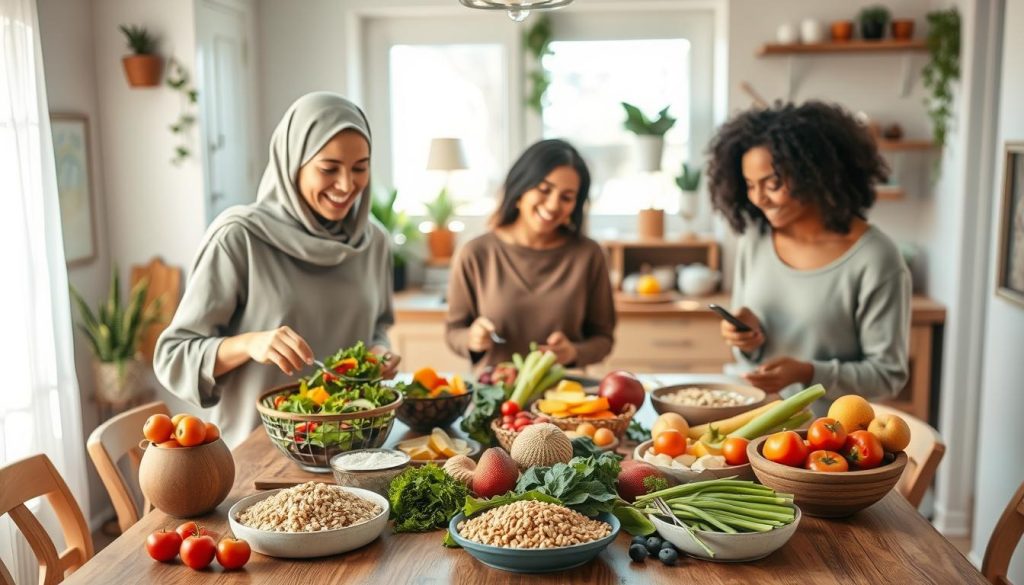
I created this guide to make postpartum meal prep simple and doable. We’ll focus on meals that are rich in protein, carbs, and healthy fats. It’s perfect if you’re breastfeeding. You need good food first, then you can think about losing weight. These meal prep ideas help with recovery and mood without making you diet hard.

Don’t go to extremes; balance is key. I fill our plates with lean proteins, veggies, whole grains, fruits, and good fats like olive oil or avocado. This method makes sure you’re full and nourished. It’s a smart way to feed new moms and stick to a good diet after the baby.

Saving time is huge for me. I love using slow cookers, sheet pans, and one-pot meals to cut down on cleaning. I also use pre-cut veggies, precooked grains, and other shortcuts to make meal prep fast. These tricks help me eat well, even on crazy days.

If you’re breastfeeding, you might need more calories, around 400–500 a day more. And drinking lots of water is important. Dara Godfrey, a dietitian, recommends up to 3 liters a day. Also, keep your caffeine intake low. Losing weight slowly is the best way, about a pound a week, to keep your energy and health in check.

Next, you’ll see easy Meal Prep Ideas that are great for a busy week. From batch cooking to easy protein swaps, these tips help with losing weight. And they make sure you still enjoy your food.

Postpartum Nutrition Foundations for Healthy, Sustainable Weight Loss

I craft my daily eating plan with meals full of whole foods. They help me stay energized for the busy days and nights. My strategy for eating right after having a baby is simple: fill half the plate with veggies, one-fourth with lean proteins, and the last fourth with whole grains. I also include healthy fats. This way, I keep my energy high, digestion smooth, and cravings away.

Why balanced meals beat crash diets after pregnancy

Crash diets may seem fast but they leave you tired and moody. I choose meals rich in protein, carbs with lots of fiber, and fats. This mix helps keep my blood sugar stable and supports healthy hormones. Foods like oats, quinoa, beans, and fruits make up 45–65% of my calories. I adjust this based on my health and how active I am.

This method supports my recovery and makes exercise more manageable. It’s easy to manage portions with the plate method, which lessens stress.

Breastfeeding considerations: calories, carbs, and milk supply

As a nursing mom, I need 400–500 more calories daily. Many moms do well with 2,000 to 2,800 calories, adjusting as needed. Carbs are crucial as they help with milk production and keep energy levels stable for late-night feedings.

If losing weight is the goal and the baby’s growing well, cutting 500 calories daily is safe. I make sure to eat at least 1,800 calories, focusing on protein, yogurt, eggs, greens, and fish. I also eat lots of nuts, seeds, and colorful veggies.

Hydration targets and caffeine limits for new moms

Staying hydrated is very important postpartum. I try to drink up to 3 liters of fluids a day. The color of my urine—a light yellow—tells me I’m well-hydrated. Eating soups, smoothies, and juicy fruits also helps me drink enough.

I keep my caffeine under 300 mg a day while breastfeeding. I drink coffee after nursing, always have water with it, and switch to decaf or tea later. This helps me sleep better and feel less jittery.

Safe, gradual weight loss expectations and hormone support

I aim for a slow weight loss, about a pound each week. It’s okay to have times when my weight doesn’t change. Activities like walking, Pilates, yoga, or swimming go well with eating right and trying to sleep enough.

To help my hormones stay balanced, I eat protein and a moderate amount of carbs. I also add healthy fats, like olive oil or avocado. I continue with prenatal or postnatal vitamins, eat whole foods, and let steady habits lead the way.

Smart Meal Planning: Batch Cooking, Shortcuts, and Time-Savers

I plan my week to ensure I eat well while looking after a newborn. Batch cooking reduces my stress. I make menus that are perfect for busy nights and quick lunches. Regular meals and snacks help keep my energy up.

Batch-cook strategies: slow cooker, sheet pan, and one-pot wins

I start slow cooker meals in the morning, like chicken tortilla soup. By dinner time, it’s ready with no extra work. On busy nights, I love sheet pan dinners like lemon-garlic chicken.

For quick meals, I go for one-pot recipes. A hearty chili or pasta comes together fast and cleans up easily. These methods let me cook once and eat twice.

Using pre-prepped ingredients to speed up cooking

I use pre-cut veggies to make dinners quicker. Canned beans, precooked rice, and pasta also speed things up. A fresh rotisserie chicken can turn into tacos or salads quickly.

These shortcuts help me prepare balanced meals fast. They turn a busy day into a more relaxed mealtime.

Outsourcing options: meal kits, rotisserie chicken, and frozen staples

During busy weeks, I use meal kits from services like HelloFresh. I keep frozen veggies and grains on hand from places like Trader Joe’s. A rotisserie chicken is great for fast protein.

These options help me through busy times without ruining my meal plan. They help me stay on track, even if not perfectly.

Leftovers, freezer-friendly portions, and mason jar layering

I make extra for freezing and use single-serve containers for leftovers. Foods like soups and baked oatmeal freeze well. I label everything to use it efficiently and reduce waste.

I also make mason jar salads for easy lunches. Starting with dressing, I add layers and top it with greens. They stay fresh for days, making lunch simple and convenient.

High-Protein Breakfast Prep to Start Strong

I plan my high-protein breakfast the night before. This makes mornings calm and quick. Pairing protein with fiber helps keep my energy steady and supports my hormones after giving birth. These breakfast ideas take 20 minutes or less to make. Plus, they stay fresh in the fridge.

Greek yogurt parfaits, chia puddings, and protein oats

I make a batch of Greek yogurt parfait with berries and a bit of granola for that crunch. It’s full of calcium and live cultures for energy. Chia pudding, made with dairy or coconut milk, sets overnight. It can last the whole week.

When I want something warm, I make protein oatmeal. I bake oatmeal with carrots, raisins, and pecans. It’s like having carrot cake for breakfast. You can chill it for four days or freeze it. This makes reheating quick and easy.

Avocado toast with eggs and cottage-cheese scrambled eggs

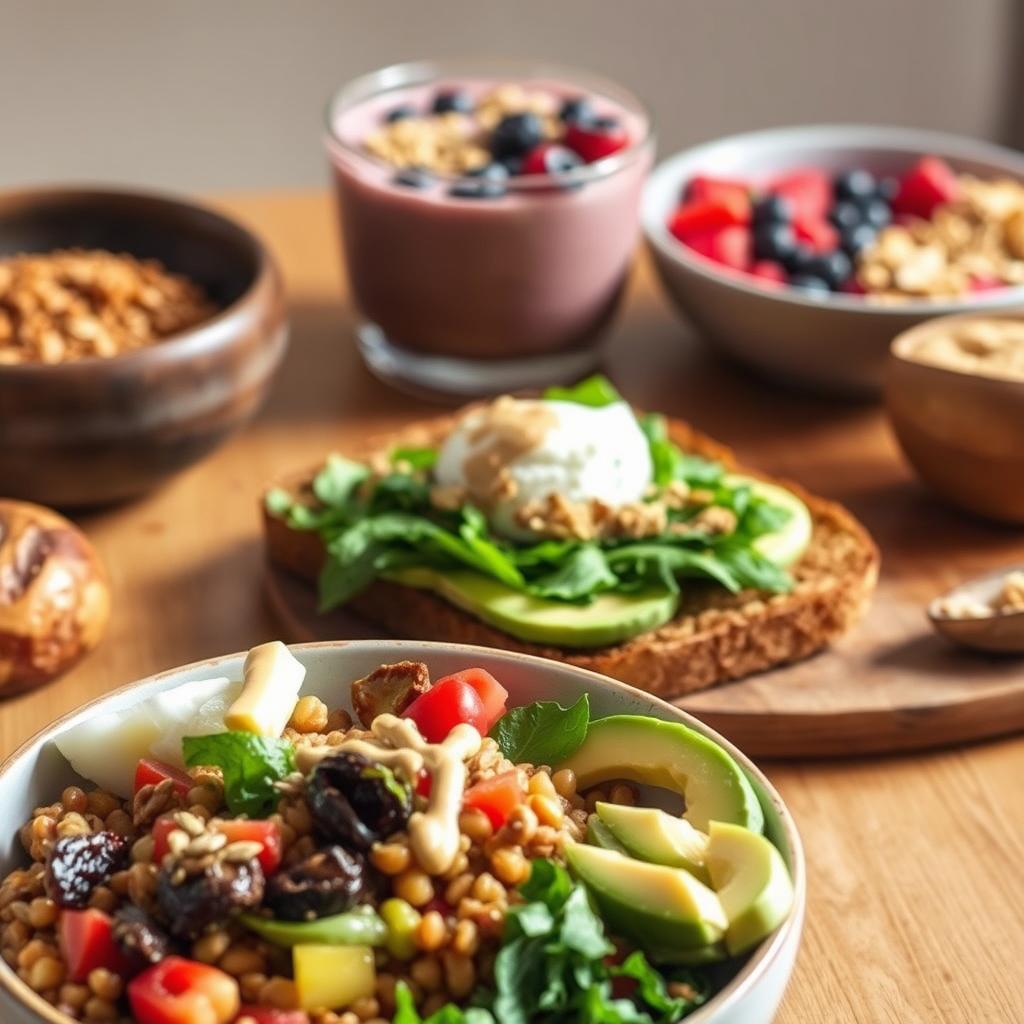
I love smashing avocado on toast and topping it with a soft-boiled egg. It’s filled with healthy fats, fiber, and protein. Ready in just minutes. If I’m looking for more protein, I mix eggs with cottage cheese. This makes the eggs fluffy and filling.

Make-ahead smoothies: banana, milk, Greek yogurt, peanut butter

I prepare smoothies with banana, milk, Greek yogurt, and peanut butter. Then, I store them in jars in the fridge. They’re packed with potassium and protein for lasting energy. To make a smoothie bowl, I just add spinach, fruit slices, and nuts.

Pairing fiber and protein to steady energy and hormones

Starting my day with fiber and protein helps me feel balanced. I combine berries, oats, nuts, and seeds with proteins. This helps keep cravings away and supports my digestion. A little prep really helps me throughout the morning.

Protein-Packed Lunch Boxes That Keep You Full

I plan a high-protein lunch that stays fresh for days. This way, I can eat well even on busy afternoons. I focus on keeping flavors bright, textures crisp, and portions smart to match my goals.

Protein-Packed Lunch Boxes That Keep You Full

I build a quinoa bowl with roasted vegetables for easy meal prep. Vegetables like bell peppers, zucchini, and carrots are my go-to. A citrus-garlic splash wakes up the grains and boosts fiber. Mason-jar layers keep everything fresh and crisp until lunch.

On wrap days, I make a chicken wrap with rotisserie chicken, mixed greens, and avocado. I add a quick Greek yogurt sauce for creamy tang and extra protein. This avoids the heavy feel of mayo.

For seafood, I alternate between tuna and salmon salads. I mix canned fish with celery, onion, lemon, dill, and Greek yogurt. This mix goes well over greens or fits nicely into a whole-grain pita.

I use the plate method to easily manage portions: half veggies, a quarter lean protein, and a quarter whole grains. This balance keeps me full and steady all afternoon.

For more variety, I pack Mediterranean pasta salad with whole wheat pasta, feta, chickpeas, and crunchy veggies. I also make a light chicken salad on whole wheat. I add sugar snap peas on the side for extra crunch and fiber.

Dinner Prep Made Easy: One-Pan, One-Pot, and Sheet Pan

I keep dinner simple, fast, and fun. My plan focuses on sheet pan meals and quick one-pot dishes. This way, cleaning up is easy. Every meal is packed with protein, fiber-rich sides, and tasty roasted veggies.

Sheet pan chicken with sweet potato and broccoli

I mix chicken thighs, sweet potato chunks, and broccoli with olive oil and a pinch of salt. I add lemon-pepper or smoked paprika for extra taste. They roast at 425°F until perfectly golden outside yet juicy inside. This is my go-to meal because it’s colorful, crispy, and filled with protein.

One-pan baked salmon with quinoa and asparagus

For a simple salmon dish, I bake fillets and asparagus with a bit of lemon. As it cooks, I make quinoa on the side. This meal is great for a balance of omega-3s, healthy carbs, and veggies. I like to switch up seasonings, using garlic-dill or a light soy-maple glaze to keep things interesting.

Make-ahead salmon patties for quick weeknight meals

I mix canned salmon, an egg, whole-wheat breadcrumbs, onion, and some Dijon. A quick fry gives them a golden edge. Then, they cool off and freeze well for later. On busy nights, they’re easy to reheat and pair with veggies or a salad for a protein-rich meal.

Seasoning swaps for variety without extra work

My favorite seasonings are lemon-garlic, taco spice, and Mediterranean herbs. I use the same mixes for all sorts of meals to save time. Also, I pick low-mercury fish like salmon and tilapia for healthy family dinners.

Meal Prep Ideas

I make weekly meal prepping easy with meals that you can mix and match. My meals focus on a balanced mix of macros, helping with weight loss after pregnancy. I use shelf-stable proteins and fish with low mercury levels to create quick, tasty dishes.

Meal Prep Ideas

Here are my 10 go-to combos for the week: Greek yogurt parfait and chia pudding cups. Protein baked oats with fruit. Avocado egg toast alongside cottage cheese eggs.

Other favorites include quinoa veggie bowls dressed in a citrus-garlic sauce. Chicken-and-greens wraps with a Greek yogurt dressing. Also, salmon or tuna salad over greens or in a whole-grain pita.

I love making a sheet pan chicken with sweet potatoes and broccoli. Another easy dish is one-pan baked salmon with quinoa and asparagus. Don’t forget about make-ahead salmon patties with a fresh salad on the side.

And for a cozy meal, I prepare slow cooker chicken tortilla soup. I top it with avocado and crushed tortilla chips for extra flavor.

For those breastfeeding, I add 400–500 extra calories every day. I use more whole grains or root veggies and a bit more healthy fat to keep meals balanced. I ensure I get at least 1,800 calories for gradual weight loss. If not breastfeeding, I adjust calories based on my body size and how active I am, to keep my energy levels stable.

Each meal is based on a simple macro balance. I include lean protein, fiber-filled carbs, and healthy fats in every dish. I choose olive oil, nuts, seeds, and avocado for fats. Fruits and veggies add fiber. I pick proteins that keep hunger away, aiding in easy meal mix and match.

I opt for low-mercury fish like salmon, shrimp, and cod, among others. For quick options, I stock up on canned proteins, beans, lentils, and dairy like Greek yogurt. These essentials allow me to whip up meals quickly, keeping them flavorful yet low in waste.

Snack and Smoothie Prep for All-Day Energy

I rely on healthy snacks to keep going between meals. I prepare simple snacks on Sunday which helps me all week. Drinking water helps me stay hydrated. I aim to drink up to 3 liters a day and check my hydration by urine color.

I make a yogurt ranch dip with Greek yogurt and dill, packed with raw veggies. For protein-packed snacks, I create oatmeal protein bites with oats, vanilla whey, peanut butter, and honey. I also prepare a large batch of chia pudding with chia seeds, milk, and vanilla. It’s great for breakfast or a quick snack.

For a comforting drink, I blend a green smoothie with spinach, frozen mango, banana, Greek yogurt, milk, and almond butter. If I crave something richer, I mix banana, Greek yogurt, and peanut butter. Both are tasty and low in sugar.

I avoid ultra-processed foods, like soft drinks, fried items, or sugary dessert bars. Instead, I enjoy cottage cheese with berries, hummus with whole-wheat pita, and cheese sticks with apples. Trail mix with nuts and some raisins keeps me satisfied. After exercise, a whole-grain English muffin with peanut butter is my go-to snack.

To save time, I organize snacks in bins in the fridge and pantry. Transparent boxes in the fridge are filled with cut veggies and dip, protein bites, and fruit. In the pantry, shelf bins hold nuts, crackers, and tea bags. With some prep, I can quickly grab healthy snacks, even when I’m busy.

Conclusion

Sustainable weight loss after having a baby involves healthy eating, regular habits, and patience. I prepare balanced meals ahead of time. These meals have lean protein, plenty of veggies, and good fats. This way, I eat well even when I’m super busy. I also drink lots of water. When I’m breastfeeding, I limit my caffeine to less than 300 mg a day to help my sleep and milk.

Healthy routines help me recover and keep my energy up.

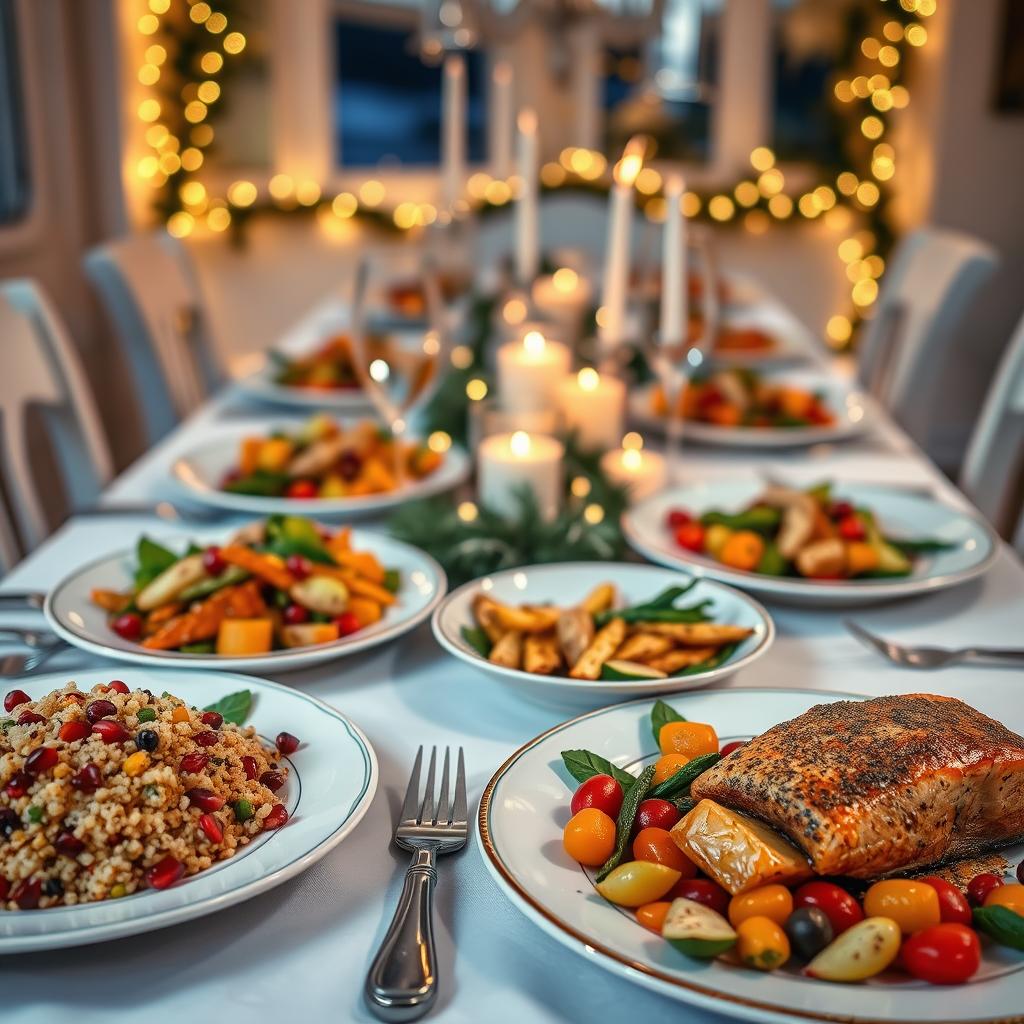
I plan easy-to-make breakfasts like yogurt parfaits, chia pudding, and protein-packed oats. For lunch, I go for dishes like quinoa bowls or wraps with chicken and greens. Dinner is simple but nutritious with things like sheet pan chicken or baked salmon. Eating high-protein meals helps me stay full, cuts down on cravings, and keeps my hormones balanced.

I adjust my food amounts based on what I need. If I’m breastfeeding, I make sure to eat more—adding about 400 to 500 calories daily. I choose foods that help with making milk. If I’m not breastfeeding, I stick to the calorie advice from the CDC and use the plate method to guide my servings. I also eat seafood low in mercury and continue my vitamins.

Pre-prepared meals and smart choices like rotisserie chicken make staying on track easier.

Losing weight takes time—about a pound a week. Eating at least 1,800 calories a day helps if I’m trying to lose weight but not harm my milk supply. Step by step, eating right as a new mom becomes manageable. With the right meals, enough protein, and healthy habits, I feel well-fed, strong, and prepared for life with my baby.

Quick Postpartum Recipes

7 Quick Postpartum Recipes to Kickstart Your Weight Loss Journey

Discover 7 quick postpartum recipes tailored for new moms looking to jumpstart their weight

This guide is for new moms needing help now. It focuses on Quick Postpartum Recipes that are easy for a busy day. They fit well with a breastfeeding diet and help with weight loss without affecting milk supply. The Centers for Disease Control and Prevention says most women gain 25–35 pounds during pregnancy if they start at a healthy weight. It’s common to have extra weight a year after giving birth. Losing weight after pregnancy should be slow and careful, not drastic.

The Academy of Nutrition and Dietetics suggests a 500-calorie daily deficit. This could help you lose about one pound per week once your food intake and activity level align with your recovery needs. Many breastfeeding moms need about 2,200–2,400 calories, as Marina Lane, MS RD CLC, points out. She recommends meals rich in oats, flax, nuts, seeds, lentils, and leafy greens. It’s not right to eat only 1,200–1,300 calories while breastfeeding, unless you add at least 500 calories.

Drinking enough water is easy but very effective. Choosing water over a 20-ounce sweetened drink can cut out 240 calories. Aim for roughly 2 liters of water daily, the “8×8” rule. This amount should increase if you are breastfeeding. For safety, the CDC recommends not drinking alcohol while breastfeeding. If you do drink, timing is key, but not drinking is the safest option. Choose fish with low mercury like salmon and trout, and avoid those with high mercury.

In this series, I’ll be sharing healthy postpartum meals and easy recipes. They’re good for new moms, focusing on protein, high in fiber, and low in added sugars and processed foods. Look forward to quick ideas, tips for freezing meals, and seven easy dishes your family will love. These meals help control hunger, give you steady energy, and help with weight loss. No crash diets here, just smart, feasible food that suits your life.

Postpartum Nutrition Basics for Safe, Sustainable Weight Loss

I aim to create steady habits that fit into real life. With postpartum nutrition in mind, I focus on meals that boost iron, protein, and fiber. It’s all about finding balance to allow for sleep, stress management, and healing. My aim is a safe and steady weight loss after having a baby, focusing on consistency over restriction.

Why gentle weight loss matters after birth

I make sure to lose weight slowly to keep my energy up and support core recovery. Gentle calorie reduction helps me avoid the energy crashes that harsh diets can cause. According to the Centers for Disease Control and Prevention, it’s common for women to retain weight for a while after birth. Hence, I take my time and stick to healthier eating habits instead of crash dieting.

Eating well helps me sleep better, stay more active, and be patient with my weight loss journey. This approach makes weight loss after pregnancy both sustainable and kind to my body.

How breastfeeding, hormones, and recovery affect appetite and fat loss

Breastfeeding affects weight loss in complex ways. Organizations like the World Health Organization and the American Academy of Pediatrics recommend breastfeeding for its health benefits. However, it can make me hungrier and less active early on. Hormones like prolactin can increase my appetite, and it’s normal to keep some extra weight for milk production.

Lack of sleep can increase cortisol levels and slow down weight loss. I plan my meals to align with breastfeeding schedules, focusing on proteins, produce, and whole grains. This helps create a gentle calorie deficit that doesn’t feel forced.

Calorie guidance and hydration for new moms

Marina Lane, MS, RD, CLC, provides guidance for breastfeeding moms. She says many maintain their milk supply on 2,200–2,400 calories a day. Breastfeeding itself burns about 500–670 calories. I cut about 300 calories from my diet for gradual weight loss without affecting milk production. I choose fish like salmon and trout for protein and avoid fish high in mercury.

Hydration is crucial for managing appetite and energy levels postpartum. I replace sugary drinks with water, saving around 240 calories. The “8×8” rule is just a starting point; I drink more when nursing or exercising. Alcohol is off-limits for me because it can affect my baby, following CDC advice that no amount is safe for infants.

What I Prioritize in Postpartum Meals (Protein, Fiber, Healthy Fats)

I follow simple rules for my meals. I aim for high-protein dishes, lots of fiber, and healthy fats that are good for breastfeeding. My diet focuses on whole foods and limits added sugar. This helps keep my energy levels steady and my cravings in check.

high-protein postpartum meals

Protein to support metabolism and fullness

Protein helps me feel full and keeps my metabolism running smoothly. I eat eggs, Greek yogurt, chicken, turkey, tofu, beans, and lentils. To easily add more protein, I include nuts and seeds in my snacks and soups. This way, sticking to high-protein meals is simple.

High-fiber carbs to stabilize blood sugar

I choose high-fiber foods like oats, quinoa, brown rice, and various fruits and vegetables. Fiber makes digestion slower, helps control hunger, and can aid in losing weight gently. Pairing fruits and vegetables with whole grains makes my meals both light and satisfying.

Healthy fats and milk-supportive ingredients

I eat foods like salmon, avocado, olive oil, and nuts for healthy fats that support breastfeeding. These foods make meals flavorful and filling. I often add seeds to my oatmeal or yogurt and avocado to my dishes for extra creaminess.

Whole foods to limit added sugar and ultra-processed items

My diet is based on fresh produce, lean proteins, and whole grains. I avoid sugary drinks, choosing water or unsweetened ones instead. I also watch out for added sugars by reading food labels. This keeps my meals simple, balanced, and suitable for the whole family.

Quick Postpartum Recipes

I focus on making meals quickly that are also simple and well-balanced. This means I often use recipes that take 30 minutes or can be made ahead and frozen. By sticking to a few basic meals and changing the spices, I keep everyone happy.

30-minute-or-less, family-friendly ideas

My go-to meals include egg-and-spinach quesadillas, brown-rice stir-fries with tofu or shrimp, and wraps filled with chicken or lentils and hummus. For dinner, I love making salmon-and-quinoa bowls with avocado. They’re quick and make everyone happy. To finish, Greek yogurt bowls, smoothies, and bean salads are perfect.

These options are great for when I’m busy but still want to eat well. They’re also part of my weekly routine, making it easier to stick to my plan.

Make-ahead, freezer-friendly options for busy days

I like to prepare big batches of turkey or lentil meatballs, a quinoa-and-veggie bake, and burritos. I also freeze soups and chilis that are full of lentils and veggies. For a quick snack, I keep smoothie packs in the freezer.

Having meals ready in the freezer means I can avoid fast food even on busy days. It also means less time cooking each week.

Low-sugar swaps and smart snack pairings

I drink water or unsweetened sparkling water instead of soda to cut back on calories. For snacks, I prefer fruit-sweetened yogurt, air-popped popcorn, nuts, or string cheese over sugary options. These choices help me avoid extra sugar while staying full.

I also enjoy making non-alcoholic drinks like Virgin Piña Coladas or Berry Mojitos. These drinks fit well with my meal plan and help me avoid sugar.

Notes for breastfeeding safety (mercury, alcohol, caffeine)

I choose breastfeeding-safe foods such as salmon and trout and avoid high-mercury fish. I limit my caffeine intake and stay away from alcohol to keep my milk safe. I avoid artificial sweeteners, preferring natural sweetness from fruit or a bit of honey.

If my baby seems uncomfortable after I eat certain foods, I take note and make changes. This way, my meals remain safe for breastfeeding, and I keep my diet healthy.

7 Grab-and-Go Ideas I Make on Repeat

I rely on easy, nutritious combos for recovery and fitting into a hectic life. These grab-and-go meals are great postpartum, hitting my needs for protein, fiber, and fats with little sugar. They’re perfect for quick lunches or dinners and I make them breastfeeding-friendly with simple changes.

grab-and-go postpartum meals

Oat and flax Greek yogurt bowl with berries

I mix 3/4 to 1 cup Greek yogurt (2% or whole) with 1/3 cup oats, 1 to 2 tablespoons ground flaxseed, and a cup of berries. A dash of cinnamon adds a cozy flavor. This breakfast is high in protein and stays creamy without being too sweet.

Egg-and-spinach breakfast quesadilla on whole grain tortilla

I cook 2 eggs with a cup of spinach, add them to a whole grain tortilla, and sprinkle a bit of cheese. Some salsa on the side adds freshness. It’s quick, rich in iron, and also great for healthy lunches.

Salmon, avocado, and quinoa power salad

I combine 3 to 4 ounces of baked salmon, 1/2 an avocado, and 3/4 cup quinoa over arugula. A drizzle of lemon and olive oil brings it all together. This dish is a breastfeeding-friendly favorite of mine for busy days.

Chicken or lentil veggie wrap with hummus

I spread hummus on a whole grain tortilla and add either chicken or lentils with crunchy veggies. Then, I roll it up and slice. This wrap is great for on-the-go and fills the need for postpartum snacks.

Protein-packed smoothie with oats, nut butter, and greens

I blend milk (or a dairy-free alternative) with half a frozen banana, oats, nut butter, spinach, and ice. If I have them, I toss in chia or flax seeds. This smoothie is high in protein and tastes like a treat.

Moong or mixed-bean salad with lemon and herbs

I mix cooked moong or mixed beans with cucumber, tomato, onion, cilantro, lemon, olive oil, cumin, and salt. The flavors really stand out, and it’s good for plant protein. It’s an easy choice for lunch.

Brown-rice stir-fry with tofu or shrimp and mixed veggies

I start with sautéing garlic and ginger, then add broccoli, peppers, and carrots. I mix in brown rice with either tofu or shrimp and a splash of tamari. It’s a favorite dinner that reheats well and is very satisfying.

Smart Snacking to Curb Cravings and Protect Milk Supply

I put healthy snacks where I can easily see them. Having fruit and snacks ready makes me choose them first. This change helps me stick to good snacks for energy and milk supply, avoiding sugar crashes.

Smart snacking to curb cravings and protect milk supply

I prepare cut veggies with hummus for protein and fiber. Small jars of mixed nuts give me healthy fats and keep me full. String cheese offers quick protein and calcium, and I portion snacks to stop mindless eating.

Greek yogurt parfaits with berries and homemade granola are a delicious treat. They keep my snacks low in sugar. Air-popped popcorn is a whole-grain snack that’s better than chips, making it a regular choice for me.

I avoid artificial sweeteners like aspartame and sucralose. Instead, I use fruit or honey to sweeten my snacks. This keeps my breastfeeding snacks simple and on target.

I drink water, unsweetened sparkling water, and herbal teas for hydration. I love making alcohol-free drinks, like a Virgin Piña Colada or a Berry Mojito. They follow CDC advice for nursing and cut down on calories while keeping my milk supply up.

I keep savory snacks like seaweed and spiced nuts handy. With my fridge full and essentials ready, I can easily grab milk supply snacks, healthy snacks, and breastfeeding mocktails.

Time-Savers: Batch Cooking, Leftovers, and Pantry Staples

I use batch cooking after giving birth to lower stress and keep eating regularly. I follow a simple plan inspired by dietitian Marina Lane. It includes recipes that can be made ahead, and a grocery shopping list organized by sections. This way, I keep eating well and maintain my milk supply while slowly getting back to my pre-pregnancy weight.

I cook big pots of lentil chili and meatballs made of turkey or lentils. I also make quinoa-and-veggie bakes and stir-fries with brown rice. Then, I freeze half of it in single servings. These meals are easy to warm up and help me eat consistent portions. I prepare bags with ingredients for smoothies too, which I can quickly make with some milk.

I keep my pantry filled with essentials: beans, lentils, broth with less salt, and fish with low mercury. I also have crushed tomatoes, whole grain tortillas, oats, quinoa, and brown rice, plus nuts, seeds, olive oil, and spices. In my freezer, I store veggies, shrimp, bread, and homemade burritos, all chosen carefully. My fridge is stocked with yogurt, eggs, hummus, greens, and pre-cut vegetables for easy snacks.

I have a smart plan for using leftovers. Today’s roasted fish turns into a salad with quinoa tomorrow. I use leftover rice for a quick stir-fry and turn meatballs into wrap fillings. This way, I easily meet my nutrition goals without getting stressed over meal choices.

I also remind myself to drink plenty of water and aim for balanced meals. While breastfeeding, I usually need about 2,200–2,400 calories daily, but I adjust based on how hungry or active I feel. I avoid fish high in mercury and limit my caffeine intake. By relying on freezer meals and keeping healthy pantry items, I make sure I’m well-fed and stay on track.

Conclusion

Here’s what I’ve learned: losing weight after having a baby works best when it’s slow and with good food choices. Studies, like those from the CDC, show it’s normal for women to still have some extra weight after a year. I make sure my weight loss goals are attainable. I focus on meals rich in protein, fiber, and healthy fats, and I limit sugar and processed foods.

Breastfeeding and healthy eating go hand in hand for me. Breastfeeding moms often need 2,200 to 2,400 calories each day to keep up their milk supply. But, with a doctor’s OK, I cut back a bit for slow weight loss. I eat fish with low mercury, limit my caffeine, and avoid alcohol while nursing. Choosing water or unsweetened tea over sugary drinks saves calories, too.

To make things easier, I prepare meals ahead of time and keep my kitchen stocked. Foods like oats, nuts, and greens help me stay full and boost my milk supply. I also add in walking and exercises after my doctor says it’s okay. A good diet with exercise works best. Getting enough sleep and having friends support me is vital. Often, not sleeping enough can keep the weight on. So, I try to rest whenever possible.

In the end, it’s about creating a healthy lifestyle, not following strict rules. I plan my meals to meet both my dietary and breastfeeding needs. I set realistic goals for losing weight. I love finding quick recipes that I can make often. Over time, these habits lead to consistent progress and give me more energy to enjoy my life as it is now.

Healthy Postpartum Snacks

8 Healthy Postpartum Snacks That Burn Fat and Boost Energy

Discover my top 8 healthy postpartum snacks that not only help shed baby weight

I wrote this guide to share Healthy Postpartum Snacks that help me stay alert during sleepy feeds and long days. When you’re newly postpartum, you get very hungry, very suddenly. It was crucial to have snack ideas that were quick, pleasing, and safe during recovery.

I kept my focus on snacks that boost energy and aid in healing, avoiding crash diets. The Centers for Disease Control and Prevention and the Academy of Nutrition and Dietetics say breastfeeding can increase your calorie needs by 300–500 a day. Staying well-hydrated is also key. Thus, I chose snacks rich in protein, whole grains, and low in sugar that I could easily eat with one hand.

Protein is great for repairing tissue and keeping hunger at bay. Fiber aids in digestion and helps control hunger pangs. Important nutrients like iron, calcium, and vitamin D help replenish what was lost during pregnancy and childbirth. Choline and omega-3 fatty acids, including DHA, are vital for your baby’s brain development through breast milk. My chosen snacks are designed with these needs in mind.

In the following sections, I’ll dig into why smart snacking is beneficial, share my favorite snacks for breastfeeding, and connect each snack choice to tangible benefits. You’ll find options that are both practical and delicious, making recovery more manageable and your energy more sustainable.

Why My Postpartum Snack Strategy Matters for Fat Loss, Energy, and Recovery

I made a snack plan for easy postpartum nutrition. It keeps my energy up, aids healing, and stops me from crash dieting. Making small, healthy choices works best while taking care of a baby and myself.

The reality of new-mom hunger and why restriction backfires

New mom hunger was intense during the newborn phase. I found myself stuck on the couch, skipping meals or eating junk food. Cutting back too much left me shaky, cranky, and prone to overeating later.

That’s why I stay away from crash diets. Cutting calories too much can hurt my milk supply, slow down my recovery, and make me crave more food. A gentle approach helps me stay healthy and balanced.

Breastfeeding calorie needs and hydration basics

When breastfeeding, I need about 300–500 extra calories a day. This helps me feel good and meet my baby’s needs. It’s normal not to lose fat in the first three months while my body adjusts.

Staying hydrated is also crucial. I drink at least eight glasses of water a day, more when I breastfeed or exercise. Drinking water at each feeding prevents headaches and keeps my energy steady.

Nutrients that support recovery: protein, fiber, iron, choline, calcium, omega-3s, vitamin D

For recovery, I eat snacks rich in certain nutrients. Protein and fiber help me heal and stay full. Fruits, oats, and veggies help with cravings and keep me regular.

Iron boosts my energy levels post-birth. Choline, found in eggs and fish, aids my baby’s brain development. Calcium and vitamin D keep my bones strong, and omega-3s support overall development.

How smart snacking helps balance blood sugar and curb cravings

Smart snacking balances my blood sugar. I eat snacks that mix protein, fiber, and fats with carbs. Examples include yogurt with berries or peanut butter on toast. This mix keeps me from getting hungry too soon.

Having three meals and two snacks daily keeps me on track. Ready-to-eat snacks help me avoid the “I forgot to eat” slump and late-night kitchen visits that mess up my goals.

Healthy Postpartum Snacks

I keep my snacks simple, quick, and practical. They are high-protein and fit into real life easily. My choices also include low-GI and whole-grain options to keep my energy stable. I prefer snacks that I can eat with one hand, so I can multitask with my baby.

Greek yogurt with berries and a sprinkle of low-sugar granola provides protein, probiotics, and fiber. These are also calcium-rich and count as low-GI when I pick plain yogurt. Brands like Fage or Chobani offer a thick, satisfying yogurt base.

Peanut butter on whole-grain toast is quick and classic. This combination offers protein, fiber, and choline. It’s a staple in my high-protein postpartum diet. For dependable whole-grain, I choose Dave’s Killer Bread or Ezekiel.

Hummus with whole-grain pita and veggies makes an easy, shareable plate. This snack includes plant protein and iron, especially with spinach hummus. Crunchy veggies like carrots, cucumbers, and bell peppers keep it in the low-GI category.

Hard-boiled eggs are always ready in my fridge. They provide quality protein and choline for my baby’s brain growth. I often pair them with fruit or whole-grain toast for a complete, one-handed snack.

Apple slices with almond butter prevent energy crashes. This combo of fiber and healthy fats helps balance blood sugar. Adding a stick of mozzarella turns it into a calcium-rich treat.

Salmon on whole-grain rice cakes includes omega-3s in my day, no hassle. Canned salmon, with its DHA, vitamin D, and extra calcium, is my go-to. Lemon squeeze and cracked pepper top it off perfectly.

Trail mix with roasted nuts, seeds, and some dried fruit fits busy moments. It’s a favorite one-handed snack that’s also rich in iron with pumpkin seeds. A bit of dark chocolate makes it a sweet treat without too much sugar.

Smoothies made with milk or yogurt, fruit, and extras like spinach or chia keep me satisfied. They’re packed with protein and omega-3s, especially with chia or flax added. I prepare freezer packs to make breakfast or late-night snacks easy.

How These Snacks Support Burning Fat Safely Postpartum

I created my snack list to help my body. It’s all about maintaining energy, managing hunger, and losing postpartum fat little by little. I focus on eating high-quality foods, staying hydrated, and moving a bit every day. This helps me recover smoothly.

How These Snacks Support Burning Fat Safely Postpartum

Protein’s thermic effect and appetite regulation

I choose proteins like Greek yogurt, eggs, hummus, nut butters, and salmon to keep me full. Protein has a thermic effect, meaning it burns more calories during digestion compared to carbs or fat. This leads to fewer cravings and better control over my appetite, especially on busy days of nursing.

Fiber’s role in fullness and weight management

I eat high-fiber snacks like berries, nuts, seeds, legumes, and whole grains to stay full longer. A little extra fiber each day helps with weight management over time. It also balances my blood sugar, stopping me from late-night snacking.

Swapping refined carbs for whole grains to stabilize energy

I choose whole grains over refined carbs for steady energy. Foods like whole oats, whole-wheat toast, and brown rice cakes digest slowly. They help me focus and keep hunger at bay. This choice supports my goal for safe and steady fat loss after childbirth.

Minimizing added sugars and ultra-processed foods

I try to cut back on added sugar and limit ultra-processed foods like sugary cereals and packaged sweets. This helps control intake of unnecessary calories, bad fats, and salt. Opting for simple, less processed snacks helps me tune into my hunger signals better.

Breastfeeding, gentle movement, and realistic fat loss timelines

Breastfeeding and gradual weight loss are my goals, but I’m not in a hurry. Once I get the go-ahead, I begin light exercises—like walking with the stroller and doing some strength and flexibility workouts. I aim for short sessions each week, drink lots of water, and allow my body to recover at its own pace.

Easy, One-Handed and Make-Ahead Ideas I Rely On

I plan my snack prep once a week. This lets me grab snacks easily while taking care of my baby. I combine snacks I can make ahead of time with quick options from the pantry and fridge.

Easy, One-Handed and Make-Ahead Ideas I Rely On

Freezer-friendly bites: mini frittatas, oat cookies, bliss balls

I keep snacks in the freezer that are quick to reheat. Mini frittatas are packed with proteins and veggies like spinach, bell peppers, and mushrooms. Adding sweet potato or corn boosts carbs, or I enjoy a frittata with some fruit.

Oat cookies with less sugar are made with oats, dried fruit, and nuts. They provide fiber and healthy fats. Bliss balls with nuts, seeds, oats, and dates are great for a sweet tooth. I buy them if nuts and fruit are the main ingredients.

Fridge staples: cheese and whole-grain crackers, chia pudding cups

I always have cheese and whole-grain crackers in my fridge for quick protein and energy. Chia pudding, made with chia, milk, vanilla, and a bit of maple or honey, is topped with berries and nuts.

Chia pudding gives me protein, fiber, iron, and omega-3 ALA. They’re perfect for grabbing with one hand between baby feeds and naps, without any mess.

Pantry power-ups: popcorn, nut/seed bars, canned tuna or salmon

My pantry is stocked for when things get busy. Air-popped popcorn is a go-to for whole-grain crunch. I pick nut and seed bars with less sugar to avoid energy crashes.

Canned tuna or salmon offer quick protein with omega-3s. I enjoy canned salmon with bones on whole-grain crackers or rice cakes for a balanced snack.

Outsourcing snacks: how I enlist family and friends to help

After having a baby, my support system is crucial. I give a simple list for loved ones to bring snacks like yogurt, hummus, and fruits. They also help with the freezer and groceries.

This strategy ensures I keep getting make-ahead postpartum snacks. With help from my friends and family, I can focus on my baby and maintain a healthy diet.

My Snacking Routine: Timing, Portions, and Hydration Tips

I have a daily eating plan that includes three main meals and usually 2–3 snacks. I set alarms on my phone to help me remember when to snack after having a baby. It’s important not to skip meals as it can make you tired and eat too much later.

I focus on balancing my snacks by including proteins, fibers, and complex carbs. A good example is having Greek yogurt with berries and a bit of granola, or whole-grain toast with peanut butter. Other snacks I enjoy are hard-boiled eggs with fruit, rice cakes with salmon, an apple with almond butter, veggie sticks with hummus, some trail mix, or a smoothie.

I aim to eat snacks that are low in added sugars to keep my energy levels stable. This approach helps me avoid energy crashes and supports gradual weight loss after having a baby. I remember that if I’m breastfeeding, I might need more calories, so I avoid extreme dieting.

My snacking routine: timing, portions, and hydration tips

Staying hydrated is crucial, especially when breastfeeding. I keep a big water bottle nearby and try to drink at least eight glasses of water a day. Sometimes I drink even more. I also enjoy unsweetened sparkling water, herbal tea, and soups but avoid alcohol.

Exercise and rest are also important parts of my routine. After getting the OK from my doctor, I started doing light cardio and resistance exercises each week. Plus, taking naps helps control my appetite and makes sticking to my eating plan easier.

Conclusion

I created a Healthy Postpartum Snacks plan focusing on real life and whole foods. I enjoy Greek yogurt with berries and granola. Also, peanut butter on whole-grain toast, and hummus with crisp veggies and whole-grain pita are great. Other favorites include hard-boiled eggs, apples with almond butter, and salmon on whole-grain rice cakes. I love trail mix and simple smoothies too. These snacks give me protein, fiber, iron, choline, calcium, vitamin D, and omega-3s. I avoid added sugars and refined carbs to keep energy up and help with weight loss.

I’m careful about nutrition while breastfeeding, so I eat well and stay hydrated. I also do gentle exercises after my provider’s okay. Eating steady meals, having practical snacks, and catching up on sleep help me. Even though progress can be slow, making consistent choices helps me move forward. This plan follows advice from the CDC, WHO, and the American Academy of Pediatrics. It’s also easy to do on busy days.

Easy-to-make and quick-to-eat foods like mini frittatas, oat cookies, and bliss balls help me stay on course. Chia pudding cups, cheese with whole-grain crackers, popcorn, and nut bars are great. Also, I keep canned salmon or tuna handy. I ask for help with food prep or shopping to focus on recovery. Having simple portion sizes, keeping a water bottle close, and taking mindful breaks maintain my energy.

Above all, I’m gentle with myself. Recovery takes time and is not a competition. With balanced snacks and whole foods, I nourish myself and my baby. I’m working towards a healthy and lasting postpartum weight loss, one small choice at a time.

Easy One-Pot Meals

Easy One-Pot Meals for Losing Baby Weight (Minimal Clean-Up!)

Struggling to lose baby weight? Try my Easy One-Pot Meals for a simple and

I want dinners that come together fast and keep my focus on the kids and recovery. A skillet turkey, zucchini, chickpea mix with melty mozzarella is a lifesaver when I need something healthy, hearty, and on the table in 15 minutes.

These recipes cut stress and cut down on dishes so I spend more minutes cuddling and less time scrubbing. I pull from weeknight favorites like lemon-parmesan pasta, tomato-herb orzo, and creamy rice with salmon for omega-3s.

Each recipe I share works in a single pot or pan, uses simple pantry staples, and stays budget-friendly. I’ll show swaps to add vegetables, scale portions for my family, and keep flavors bright without extra fuss.

Why I Lean on One-Pot Dinners to Lose Baby Weight Right Now

When evenings get hectic, I rely on a single skillet to deliver dinner without stealing my evening. On a busy weeknight, that choice saves me time and helps me stick to an easy dinner habit I can repeat.

Keeping everything in one cooking vessel concentrates flavor so I don’t need a long list of ingredients to make a craveable plate. Simple techniques — deglazing, a short simmer, and layering aromatics — make quick food taste slow-cooked.

It’s easier to portion a full meal when veggies, lean protein, and smart carbs live in the same pot. Fewer dishes means I actually cook more often, and my family eats the same seasoned food without extra fuss.

Easy One-Pot Meals

My weeknight plan is built around quick-cooking proteins, a pile of colorful veggies, and a small scoop of whole grains.

My weeknight game plan: fast protein, fiber-rich veggies, and whole grains

I start each meal with a fast protein—chicken breast, ground turkey, shrimp, or beans—cut into bite-size pieces so everything cooks evenly.

Next I sauté aromatics in a hot pan, soften a heap of veggies, then stir in brown rice, farro, or orzo and enough liquid to let the pot finish everything together.

Portion-smart comfort food the whole family will still love

I keep flavors familiar: garlic, lemon, parmesan, and tomatoes so the whole family accepts healthy swaps without fuss.

Good Food’s one-pan orzo with tomatoes is a go-to — finish with parsley and parmesan, and swap courgettes for peppers or spinach when needed.

Little finishing touches—zest, a sprinkle of parmesan, or a squeeze of lemon—wake up flavor and help with portion control so you can enjoy a satisfying recipe without extra work.

Chicken One-Pot Dinners My Family Always Eats

On restless weeknights I reach for a skillet of chicken that cooks fast and still feels special. These recipes deliver bright flavors, simple steps, and a sauce that makes the whole family ask for seconds.

Creamy Lemon Herb Chicken with garlic and parmesan (on the table in minutes)

This quick recipe is economical and done in under 30 minutes. Garlic sautés first, then a splash of cream, lemon, and parmesan finish the sauce. It’s perfect when I want guaranteed clean plates and warm smiles.

Marry Me Chicken in a sun-dried tomato cream sauce

This feels date-night special even on a school night. Chicken simmers in sun-dried tomatoes, heavy cream, and parmesan for about 30 minutes. The sauce tastes rich without a lot of work.

Mediterranean Chicken with olives, tomatoes, and parsley

For a lighter dish, I add green olives, lemon, and bright parsley. It’s a satisfying one pan skillet that still eats like something you’d order out.

Smothered Chicken with mushroom-onion pan gravy

Pure comfort food: mushrooms, onion, and red pepper in bacon drippings make a deep pan gravy. I serve mine over rice or potatoes and pile extra greens on the side.

Speedy Pasta Skillets and One-Pot Pasta Nights

Pasta nights are my shortcut to comfort when I want flavor without a pile of dishes. These recipes cook the noodles, sauce, and add-ins together so starches thicken the sauce naturally and dinner lands fast.

Lemon pasta with garlic, parmesan, and silky sauce

Garlic and lemon bloom in the pan and become a velvety sauce with parmesan in just minutes. I stir in spinach or broccoli for color and a protein like shredded chicken if I want extra heft.

One-Pot French Onion pasta baked in a Dutch oven

I caramelize onions and mushrooms, add broth and pasta, then finish under the broiler so the top crisps with cheesy bread crumbs. It feels cozy and special with little hands-on time.

Creamy sausage gnocchi with garlic butter breadcrumbs

This skillet recipe builds a rich sauce and crunchy topping in under 35 minutes. Swap pork sausage for turkey sausage to trim calories without losing flavor.

Slow cooker chicken Alfredo — set it and come back

The slow cooker cooks pasta right in the pot with cream and parmesan. It’s a hands-off way to get creamy carbs while I focus on the baby and bedtime.

Beef, Sausage, and Protein-Packed Comforts That Still Feel Light

I like to stretch a little ground beef into big batches that feed us without weighing us down. I focus on veggies, low-salt broth, and bright finishers so the plate feels cozy but not heavy.

Chili Mac and Cheese—lean beef, tomatoes, and a cozy pasta mash-up

This recipe mixes lean beef with tomatoes and pasta in one pot so cleanup is quick. I add beans or extra tomatoes to bulk it up and keep portions sensible.

Cabbage and Sausage skillet for a low-carb, veggie-forward dinner

For low-carb nights, I brown sausage and cook cabbage down until it is sweet and tender. The skillet picks up deep flavor when I deglaze and finish with a squeeze of lemon.

Pierogi and Meatball Skillet with a lighter pan gravy twist

I toss frozen pierogi with pork-and-beef meatballs and a light pan sauce to make a crowd-pleasing dish. I make meatballs in a big batch, freeze them, and drop them into sauce so a dinner is made one night, then saved for another.

Seafood One-Pot Wins for Omega-3 and Quick Cooking

Seafood gives me a quick, high-impact dinner that feels special without extra fuss. Salmon is my fast track to protein and omega-3s, and both of the recipes below cook in a single pot so cleanup stays simple.

Creamy Salmon and Rice finished with lemon and parmesan

Creamy rice and tender salmon make a comforting recipe that comes together fast. I stir in fresh lemon juice and a small sprinkle of parmesan before serving to lift the flavor and keep the sauce bright.

Thai Green Salmon with potatoes in a one-pan creamy, herby sauce

The Thai green version uses coconut milk, curry paste, and roasted shallots to build an herby, creamy pan sauce. I add bite-size potatoes so they soak up the sauce while the fish cooks gently.

I pick even-thickness fillets so the fish cooks evenly while rice or veggies finish. For balance, I serve extra steamed greens and keep my rice scoop modest. Leftover salmon flakes into a grain bowl the next day, so this one pot approach feels practical and repeatable on busy weeknights.

Veggie-Forward One-Pot Meals That Keep Me Full

Veggie nights keep dinner light but filling, so I build dishes around big piles of seasonal produce. A single pot of grains and vegetables gives me flavor and staying power without extra fuss.

Seasonal Veg Risotto stirred in one pot

I make risotto by toasting arborio, then adding broth little by little while stirring. In spring I fold in asparagus; in fall I stir in roasted squash. The rice releases starch, creating creaminess without cream.

Tomato Orzo finished with fresh parsley and plenty of parmesan

Tomato orzo cooks in one pan with a can of tomatoes or a pint of cherry tomatoes for bright acidity. I toss in spinach at the end for silkiness and top with parsley and parmesan to boost savoriness.

I portion by loading my plate with vegetables first, then adding a smaller scoop of grain. A squeeze of lemon or a spoonful of pesto wakes the whole meal up, and leftover roasted veg slides straight into the pot to save time.

Cozy Soups and Stews That Come Together in One Pot

On chilly nights I reach for a big pot of soup that fills the house with warm, simple comfort.

chicken

White Chicken Chili with a creamy, high-protein broth

This recipe blends classic chili and tortilla soup into a silky bowl. Shredded chicken, white beans, and a touch of cream make it feel indulgent without heavy work.

Ham and Bean Soup in about 35 minutes for a hearty protein boost

diced ham, canned beans, carrots, celery, and onion go straight into the pot and the soup comes together in about 35 minutes. I mash a few beans to thicken the broth and finish with parsley.

Irish Stew with potatoes, carrots, and leeks for classic comfort

I sometimes use beef for a deeper flavor, but lamb works great too. Chunky potatoes and leeks simmer until tender and the whole stewpasta-style dish tastes like a hug.

Chicken Tortellini Soup with spinach and herbs

Cheese tortellini cooks right in the broth with shredded chicken, carrots, and spinach. The pasta adds body so I skip heavy thickeners and the bowl feels balanced.

I batch-cook double recipes for lunches and freezer meals. A squeeze of lemon and fresh herbs at service turns a basic soup into a special dish with minimal effort.

Rice and One-Pan Chicken Combos That Satisfy

When I want comfort that doesn’t demand extra dishes, rice paired with chicken is my go-to. Every grain soaks up the pan’s juices, which makes the whole plate feel homey and filling.

Arroz con Pollo simmered with sofrito for big flavor

Arroz con Pollo is a classic for a reason. I start with a bright sofrito and a pinch of Sazón so the kitchen smells amazing while chicken and rice simmer in the same pot.

Tomatoes or a bit of tomato paste add depth while peas or chopped spinach boost the veggie count without changing the vibe.

One-Pot Chicken and Rice finished with sesame seeds and scallions

For a different finish, I make a simple pan chicken with rice, then top it with sesame seeds and scallions for nuttiness and freshness. A drizzle of chili oil and crispy onions gives crunch and heat when I want it.

These combos reheat well for lunch, so I portion with extra veg and a modest scoop of rice to keep the meal balanced and satisfying for the whole family.

Minimal-Prep Slow Cooker and Instant Pot Lifesavers

On the busiest days I rely on my Instant Pot or slow cooker so dinner finishes itself while I tend to the baby. A pressure cooker or slow cooker is my go-to pot when I need a real break from stove-side cooking.

Instant Pot Corned Beef with carrots, potatoes, and cabbage

My Instant Pot corned beef cooks to fork-tender perfection with carrots, potatoes, and cabbage. The spice packet builds savory depth fast, and the whole recipe takes very little hands-on time.

I skim excess fat after cooking and serve the beef with extra steamed greens to keep the plate balanced. Leftovers make a hearty bowl or sandwich the next day.

Slow Cooker BBQ Chicken for tacos and sandwiches

Slow cooker BBQ chicken shreds itself into juicy filling for tacos and sandwiches. I toss in sauce, set low, and forget it—this easy make saves so much energy on crazy afternoons.

Batch-cooked chicken freezes well and feeds my family across several quick dinners. Using liners keeps cleanup simple, so the one-pot meal feel stays truly hands-off.

15-35 Minute Meals When I’m Short on Time

When the clock is tight, I pull together bold flavors in under 35 minutes so dinner actually happens.

Ground turkey, zucchini, and chickpeas skillet with melty mozzarella

In about 15 minutes I brown ground turkey in a hot skillet, then add diced zucchini and drained chickpeas. A shake of paprika and a splash of broth ties it together fast.

When the cheese goes on, the family crowds the table. This high-protein plate feels filling without heaviness and makes a weeknight feel solved.

Quick chicken and chorizo one-pan with parsley and a dollop of sour cream

For a spicier hit, I sear cubed chicken with chorizo, toss in tomatoes, and finish with parsley and sour cream in one pan. It serves well in big bowls and tastes like more than the minutes it takes.

I keep spice blends nearby, cut ingredients small, and toast breadcrumbs if I have five extra minutes for crunch. Leftovers turn into grain bowls with lemon and greens the next day.

Skillet and Sheet-Pan Winners With Almost No Dishes

Sheet pans and skillets save me from a sink full of dishes while still delivering bold flavor. I use these methods when the bottles need washing and the clock is tight.

skillet

One-pan orzo baked with tomatoes—finish with parmesan

My one pan orzo soaks up stock and a glut of tomatoes as it bakes. The top browns a little while the grain swells and the tomato flavor deepens.

I finish with plenty of parmesan and a shower of parsley so the dish tastes bright with almost no extra work. It’s an easy dinner that feels special and reheats well.

Chicken traybake with veggies that goes great with jasmine rice

A single tray of chicken and seasonal veg roasts into juicy pan chicken with crisp edges. I spread everything in one layer, line the pan, and rub the pieces with a spice mix.

Serve it with jasmine rice on the side or fold leftovers into a grain bowl. These sheet-pan and skillet approaches beat a messy pot and make weeknight cooking simple.

Lightened Comfort Food Sauces That Still Deliver Flavor

I build lighter sauces that still satisfy by leaning on acid and umami over fat. Small swaps and smart technique let me keep the comfort while cutting calories and cleanup.

Tomato, garlic, and a splash of cream for a silky pasta sauce

I start with crushed tomatoes and sautéed garlic, then deglaze with broth or pasta water to lift fond. A small splash of cream gives silk without making the dish heavy.

For texture, I sometimes blend part of the sauce and fold it back in. A knob of light cream cheese works the same way in tiny amounts.

Parmesan and lemon zest to boost flavor without heavy ingredients

Parmesan and lemon zest punch up flavor so I use less butter or oil. I season in layers—salt early, zest and herbs at the end—to keep the final pan bright and balanced.

Red pepper flakes and black pepper add perceived depth, and finishing pasta in the sauce lets starch thicken naturally. These tweaks keep a weeknight recipe both comforting and goal-friendly.

Protein, Veggies, and Carbs: How I Balance My One-Pot Plate

I center the plate on a protein for staying power, then add a mountain of vegetables and a modest serving of rice or pasta. This keeps the plate balanced and the cooking simple.

I aim for at least half the plate to be veggies. I stir spinach into the pot at the very end so it wilts quickly and adds vitamins without another pan.

For my family, the base stays the same; I adjust portion sizes so kids get smaller scoops and adults get more protein. I use smaller bowls so the meal looks abundant while portions stay in check.

A crunchy salad or simple slaw stretches the plate without a lot of calories. Bright broths and a squeeze of citrus season food instead of pouring on fats.

If a pot is creamy, I serve a lighter side. If it’s tomato-based, a dollop of yogurt adds silk. I pack leftovers in single-serve containers so lunch is automatic and I can say yes to seconds of vegetables, not starch.

Freezer-Friendly One-Pot Bases I Batch-Cook

When I plan ahead, a frozen stash of bases means dinner is half ready before I warm the pot. I batch-cook a few versatile sauces so reheating is the only step between me and dinner.

Freeze-ahead dhal base to add prawns, veggies, or chicken

I make a big pot of spiced dhal and cool it quickly before freezing in flat bags. This easy make lets me defrost a portion, stir in prawns, quick-cooked veg, or shredded chicken, and call it a dinner.

As a recipe tip, add delicate greens or dairy after reheating so texture stays bright. Tomato-rich dhal holds up well in the freezer and tastes fresh once warmed.

Big-batch chili to serve with rice, avocado, and lime

I simmer a large chili with beef or turkey, then divide it into portions for the freezer. Reheat over rice and finish with avocado, lime wedges, and a dollop of sour cream for a quick, family-friendly plate.

In summer I also spoon chili over baked potatoes or a crisp salad for a seasonal twist. Batch-cooking saves money, reduces last-minute takeout, and feeds the meal whole family on hectic nights.

Seasonal Swaps: Summer Veggies, Cozy Winter Flavors

Changing one or two ingredients each season saves time and keeps flavors lively. I rotate produce so the same method feels new: tomatoes, zucchini, and corn in summer; squash, leeks, and mushrooms in winter.

Summer dishes get bright finishes—lemon, basil, and lighter broths—while winter leans on rosemary, thyme, and deeper stocks. Tomato-rich pots shine in warm weather, and in cold months I add a little heat or extra pepper for cozy comfort.

Swaps rarely change cook time or technique, so I save effort and money by buying what’s on sale. On hot days I favor quick stovetop recipes; when it’s chilly I let stews simmer a bit longer. My family love these tweaks because dinner never feels repetitive.

I keep a simple spice mix and swap the star herb by season. That small habit keeps costs down, nutrients high, and makes every meal feel like a fresh idea worth cooking.

My Pantry and Tool Kit for One-Pot Success

I keep a short list of trusted cookware and staples so I can pull together dinners fast. A few reliable pieces mean less guesswork and fewer dishes at the end of the night.

Skillet, Dutch oven, sheet pan: what I reach for

I rely on a 12-inch skillet for searing and quick sautés, a heavy Dutch oven for braises and stews, and a large sheet pan when I want crisp edges and minimal cleanup.

These three pieces cover nearly every recipe in this guide—stovetop or oven, they do the heavy lifting.

Tomatoes, broth, pasta, rice, beans, and bold spices I always keep on hand

My pantry list includes canned tomatoes and paste, low-sodium broth, pasta, rice, and canned beans so a weeknight one pot is always possible.

I add smoked paprika, cumin, chili powder, and an Italian blend for quick depth. I also stash beef and chicken stock cubes for fast flavor boosts.

Frozen vegetables, pre-minced garlic, a microplane, tongs, and labeled jars round out the kit. With those ingredients and tools, I can pivot to dozens of one pan and pot dinners any night.

Conclusion

A few smart recipes keep dinner satisfying while giving me back the time I need with my baby. These dishes prove flavor and ease can live in the same pot, from chicken classics to beefy comforts and veggie-forward bowls.

I love that everything here feeds the whole family so I’m not cooking twice. With stocked staples, seasonal swaps, and batch-cooked bases, meals come together fast and feel like comfort food that supports my goals.

When in doubt, start with aromatics, add protein and veg, pour in liquid and grains, and let the pot do the work. Bookmark this list of recipes and rotate through them—fewer dishes, more flavor, and time for what matters most.

Low-Calorie High-Protein Lunches

Low-Calorie, High-Protein Lunches for Postpartum Fat Loss

I'm sharing my favorite Low-Calorie High-Protein Lunches for a healthier postpartum you. Check out

I want practical, tasty options that fuel me through nap schedules, work calls, and stroller walks. I set up simple meal prep so I have grab-and-go meals that avoid the 3 p.m. crash and support my weight goals.

My focus is on lean protein, plenty of vegetables, and sensible carbs so I stay satisfied until dinner. Many of my go-tos fall under 500 calories per serving—think teriyaki chicken bowls, peanut chicken noodles, or smoked sweet-chili salmon with broccoli.

I cook once and eat several days, pack microwave-friendly options, and keep flavors bold with sauces and herbs. I also consult a medical professional when planning any weight change to stay safe and steady.

Why High-Protein, Low-Calorie Lunches Keep Me Full Until Dinner

Putting protein first at noon keeps my energy steady and my pantry raids rare. I aim for a clear protein source at every meal so hunger signals stay calm and my day runs smoother.

How protein regulates hunger hormones and curbs cravings

Protein lowers ghrelin, the hormone that tells me I’m hungry, so I avoid mindless snacking. Dietitians suggest protein at each meal to support satiety and steady progress toward my weight goals.

Why slower digestion helps my afternoon energy

Protein digests slower than refined carbs, releasing energy over a longer time. I pair lean protein with fiber-rich vegetables and whole grains so digestion is gradual and my focus holds.

I also add a little healthy fats for flavor and fullness. My simple rule: one solid protein per serving, then fill the plate with colorful produce and smart carbs. This makes the dish satisfying without strict counting and keeps me going until dinner.

My Meal Prep Strategy for the Week (Under 500 Calories, Big on Flavor)

I use simple building blocks so every bowl feels fresh even after a few days in the fridge. Meal prep means cooking a bit ahead so I can grab balanced meals during the week without extra time or stress.

Batch once, eat all week: chicken, beans, quinoa, and greens

I pick two proteins—usually chicken and beans—one grain like quinoa or wild rice, and two greens. I batch-cook these ingredients and portion protein first so each serving keeps the protein numbers solid.

Quick sauces that change everything: satay, teriyaki, pesto, Greek yogurt

Quick sauces are my flavor hack. A satay-style dressing (about 176 calories and 10g protein) or teriyaki glaze turns the same components into different recipes in minutes.

Serving ideas and macro swaps: rice, wild rice, farro, or leafy greens

I rotate rice, wild rice, farro, or straight greens as the base. Wild rice gives more protein and fiber than white rice, which helps me stay full. When time is scarce I assemble peanut chicken noodles (≈473 calories, 40g protein) or a chicken teriyaki bowl (≈472 calories, 41g protein) from prepped parts.

Low-Calorie High-Protein Lunches

When I plan grams protein per plate, making a filling midday meal stops being guesswork. I set simple targets so each choice supports energy and my goals.

Target macros: grams protein per serving and calories per serving

I aim for 25–40 grams protein per serving depending on how hungry I am and whether I’ll work out later. My calorie target per serving usually stays under 500 so meals feel satisfying without excess.

Cook once, assemble fast: bowls, salads, sandwiches, and soups

I batch components and rotate formats so the week never feels repetitive. One bowl, one salad, one sandwich, and one soup dish cover a range of textures and flavors.

  • Under-500 examples I rotate: peanut chicken noodles — 473 kcal, 40g protein per serving.
  • Smoked sweet-chili salmon bowl — 483 kcal, 29g protein; chicken teriyaki — 472 kcal, 41g protein.
  • Lighter days: chorizo & bean stew (257 kcal, 13.5g) or BBQ chicken burger (302 kcal, 28g).

I check labels for grams protein per serving and tweak portions—add chicken or beans if I’m short, add greens if I’m over. This simple framework keeps lunch planning clear, flexible, and reliable.

Chicken Lunch Ideas That Don’t Feel Like “Diet Food”

Chicken can be the star of bold, satisfying midday meals that taste like real food. I pick recipes that mix bright produce, crisp textures, and simple sauces so each plate feels joyful instead of strict.

Grilled chicken Greek salad with chickpeas and feta

I build a grilled chicken Greek salad with chickpeas and feta for a bright, briny bowl. This version gives about 24g protein and stays light with plenty of lettuce and cucumbers.

Chicken stir-fry over wild rice or greens

My chicken stir-fry is a weeknight staple—think asparagus, carrots, and broccoli. I serve it over wild rice for extra protein and fiber or over greens to keep it lighter.

White chicken chili for cozy, protein-packed comfort

When I want comfort, white chicken chili is easy to batch. It’s hearty, warms up well, and makes several servings for quick grab-and-go lunch prep.

BBQ chicken burger or skewers for meal-prep variety

For sandwiches without the slump, I prep a BBQ chicken burger (about 302 kcal, 28g protein) and pair it with a big lettuce side. Skewers with peppers over rice run about 365 kcal with 35g protein per serving.

I keep sauces simple—lemon-herb vinaigrette or yogurt-based dressings—and pre-slice chicken and veggies so lunches come together in 10 minutes.

Salmon and Fish Options I Love for Healthy Fats and Protein

I lean on salmon and other fish to add healthy fats and satisfying protein to my midday meals. These options are simple to batch and brighten a quick lunch without a lot of fuss.

Salmon quinoa bowl with creamy dill yogurt sauce

My salmon quinoa bowl comes together in about 20 minutes. I toss warm quinoa with greens and top it with a creamy dill yogurt dressing for extra protein.

Sweet-chili or miso-glazed salmon with broccoli

Sweet-chili salmon over rice with steamed broccoli travels well and hits roughly 29g protein at about 483 calories per serving. Miso-glazed salmon over farro is a savory alternative when I want more umami.

Smoked salmon sandwich on whole-wheat

A smoked salmon sandwich is my grab-and-go fix. On whole-wheat with whipped cream cheese and crunchy veggies it supplies about 21g protein and feels indulgent yet light.

Swordfish with blueberry-avocado salsa for a fresh twist

For variety I grill swordfish and top it with a blueberry-avocado salsa. That dish runs near 35g protein per serving and adds bright, fruity notes to my plate.

I favor yogurt-based sauces and fiber-rich sides like broccoli or arugula. These small swaps keep portions sensible, boost protein, and make fish a regular lunch star in my week.

High-Protein Bowls: Build-Your-Own with Grains, Veg, and Sauce

A balanced bowl makes packing protein, fiber, and flavor effortless for busy afternoons. I start with a simple base and layer items so each bite feels fresh.

Peanut chicken or chickpea bowls with spinach and avocado

My peanut chicken bowls are staples. I slice cooked chicken or crisp chickpeas over spinach and add avocado for creaminess.

I drizzle a peanut sauce at the end so the textures stay crisp until I eat.

Quinoa or farro base: add beans, tofu, chicken, or salmon

I usually pick quinoa as my grain, though farro and rice work too. Quinoa bowls can reach about 40g protein when I mix beans, tofu, or lean meat.

Batch-cooking grains and roasted vegetables keeps assembly under five minutes.

Goddess/Green bowls: pack in fiber and color

Goddess bowls pack vegetables and fiber for volume without excess calories. I top with edamame, cucumbers, herbs, and a yogurt-herb sauce.

For travel days I pack sauce separately and add crunchy extras at lunchtime so everything tastes bright.

Power Salads That Actually Satisfy Me

A hearty salad can be the most satisfying part of my day when it’s built right. I focus on warm textures, crisp greens, and a clear protein so the plate feels like a real meal, not a side.

Warm kale-quinoa salad with chicken and sweet potato

This warm salad mixes tender kale, nutty quinoa, roasted sweet potato, and shredded chicken. It lands around 31g protein per serving and gives steady energy plus fiber.

Turkey BLT salad for a lighter, crunchy option

The Turkey BLT swaps bread for crisp lettuce, tomatoes, and turkey slices. It’s about 21g protein and keeps the crunch I love without weighing me down.

Mexican-inspired grilled steak salad with avocado

A 4-oz grilled steak adds roughly 24g protein. I toss it with greens, black beans, corn, and avocado for healthy fats and bold flavor.

Shrimp and spinach salad with eggs and bacon

Shrimp, a soft-boiled egg, and a touch of bacon combine for 25g+ protein. I pile on spinach and a light Greek yogurt dressing so each serving feels complete.

Protein-Packed Sandwiches and Wraps for Grab-and-Go Days

For busy days I turn to compact sandwiches and wraps that pack flavor and enough protein to power me through the afternoon.

protein-packed wrap

Turkey wrap with whole-wheat tortilla and veggies

My turkey wrap is a two-minute build: whole-wheat tortilla, lean turkey, crunchy veggies. It usually delivers about 30g protein, so it’s perfect for commuting and quick meals.

Chicken panini with pesto and peppers

The chicken panini hits café cravings with melty goodness and roughly 30g protein. I press it the night before when I’m short on time and warm it at lunch for best texture.

Low-calorie turkey Reuben with tangy crunch

I make a lighter turkey Reuben that keeps the tang and crunch but trims calories. It gives about 24g protein per serving and satisfies the sandwich urge without feeling heavy.

Club sandwich with super mayo, kept light

The classic club can hit near 30g protein and about 330 calories per serving when I portion meat first. I add cheese only when I want it and use pickles or herbs for bold flavor.

I usually pack a quick side salad or slaw for fiber and color. I also rotate spreads—pesto, mustard, or yogurt-based dressing—to keep each recipe fresh and satisfying.

Tofu, Beans, and Plant-Forward Proteins That Keep Me Full

Plant-forward proteins turn simple pantry staples into filling, flavorful meals I reach for on busy days.

I love sweet-and-sour tofu or sesame tofu with broccoli when I want takeout-style flavors at home. Both cook fast and deliver satisfying texture and protein in a compact meal.

Sweet-and-sour or sesame tofu with broccoli

These tofu recipes pair crisped cubes with bright sauce and steamed broccoli for color and crunch. I toss in peppers or snap peas to boost vegetables and fiber without extra work.

Indian butter chickpeas for creamy comfort

Indian butter chickpeas transform canned beans into a rich, tomato-based comfort bowl. It feels indulgent yet keeps the protein and makes a great make-ahead recipe.

Peanut chickpea bowls with crunchy slaw

Peanut chickpea bowls layer crispy chickpeas over rice with a crunchy slaw and herbs. The mix of textures holds me until dinner and keeps each meal interesting.

Lentil soup for weekend batch-cooking

Lentil soup gives about 18g protein per serving and is ideal for weekend batch-cooking. I ladle it into containers for easy weekday meals and add roasted veggies or a side salad when I want extra staying power.

When the family needs more variety, I’ll offer a small side of sausage or pork crumble so everyone can mix and match. These plant-based recipes prove that meat-free food can be both cozy and reliable in my weekly rotation.

Eggs and Cottage Cheese: Quick Protein Heroes

On rushed days I turn to eggs and cottage cheese to build a filling, no-fuss meal. These ingredients come together fast and travel well, so I can eat between calls or after a stroller walk.

Curried egg salad on whole-grain toast or pita

My curried egg salad mixes chopped hard-boiled eggs with Greek yogurt, a pinch of curry, and crunchy celery. With hearty add-ins it can reach up to ~32g protein per serving, making it a satisfying midday option.

Cottage cheese “Greek salad” bowls

I scoop cottage cheese into a bowl, then top with cucumber, tomatoes, olives, and herbs for a bright twist on a salad. The cheese doubles as a creamy base and a high-protein, vegetarian-friendly choice.

Pizza frittata for a fun, make-ahead option

A pizza frittata is my playful make-ahead dish. I bake eggs with veggies, a little cheese, and lean meat for a slice that reheats well and feels indulgent while packing extra protein.

I keep hard-boiled eggs handy so I can assemble these options in minutes. I portion thoughtfully to hit my protein targets without overdoing bread or spreads. Simple, fast, protein-rich—these dishes save time and keep lunch steady on busy days.

Stir-Fries and Skillets in Minutes

I rely on quick skillets when I want a hot, satisfying dish fast. A good stir-fry gives dinner vibes at lunchtime and hits my protein targets without fuss.

Beef and broccoli with brown rice

My speedy classic pairs 4 oz beef with a cup of broccoli and 1/2 cup brown rice. That combo delivers about 30–34g protein per serving and comes together in minutes with garlic and soy.

Chicken breast stir-fry: asparagus, carrots, and broccoli

Chicken breast tossed with asparagus, carrots, and extra broccoli yields roughly 36g protein. I like it over wild rice for more fiber, or over wilted greens when I want fewer carbs.

White bean & smoked sausage skillet (easy swap ideas)

This creamy pan meal feels indulgent but cooks fast. I stir in kale, a squeeze of lemon, and croutons for texture. Pork sausage gives smoke, but chicken sausage or extra beans work for a leaner swap.

I prep aromatics—ginger, garlic, scallions—and keep simple sauces (soy, honey, chili paste, lime) on hand. I portion protein first and make an extra serving at night so tomorrow’s lunch reheats perfectly.

Stuffed Peppers and Low-Carb Bowls When I Want Fewer Carbs

When I want to cut carbs without losing flavor, stuffed peppers become my go-to meal. They are easy to prep ahead and reheat well for busy days.

peppers

Stuffed bell peppers: ground turkey or beef, quinoa, beans

I stuff bell peppers with a mix of ground turkey or beef, quinoa, and beans for solid protein. One version delivers about 24g protein per serving, and another tallied 464 calories with 39.6g protein per serving.

Low-carb turkey gyro bowls with tzatziki

For fewer carbs I swap rice for chopped lettuce and pile on turkey, cucumber, and tomato. A scoop of tzatziki adds creaminess and extra protein without heavy carbs.

Beef & rice stuffed poblanos with smoky spice

For a smoky twist I use beef and rice with fire-roasted tomatoes and chipotle in poblano peppers. I batch the ground mix, then fill and bake so assembly is effortless on weeknights.

I adjust grains based on activity: keep quinoa or rice when I’m active, or skip them and bulk up the veggies. A dollop of Greek yogurt, plenty of herbs, lemon, and garlic keeps these lower-carb bowls bursting with flavor.

Sauces and Sides That Make Lunches Pop Without Blowing Calories

Bright sauces and crisp sides turn a simple bowl into something I actually look forward to eating.

I remix meals with a few go-to dressings so flavor carries the plate. A satay-style dressing sits near 176 calories and about 10g protein per serving, so it feels indulgent yet measured.

Yogurt-based dressings, pesto, and satay-style sauce

Swapping Greek yogurt for mayo or sour cream boosts protein and trims calories. A spoon of pesto thinned with lemon and yogurt stretches flavor without heavy oil. I portion sauces into small containers to avoid overdressing.

High-fiber sides: broccoli, leafy greens, peppers

High-fiber vegetables—broccoli, mixed leafy greens, and sliced peppers—add volume and keep me full. I keep prepped veg ready so half my plate fills fast.

I use shaved Parmesan sparingly for umami and toss warm veg with a little sauce when a pasta craving hits. With these simple swaps and a couple smart sides, even plain protein feels restaurant-level and satisfying.

Time-Savers: 15-20 Minute Lunches I Rely On

I keep a short list of go-to recipes that turn pantry staples into satisfying meals in minutes. These picks help me eat well without fuss and free up time for the rest of my day.

Peanut chicken noodles or quick tuna burger

On whirlwind days I make peanut chicken noodles in about 15 minutes. That dish clocks near 473 calories and delivers roughly 40g protein, so it holds me through calls and stroller walks.

A quick Asian-style tuna burger offers about 32g protein and is easy to batch-cook for multiple meals. I toast the bun or skip it to keep things lighter and fast.

Microwave-friendly bowls and salads that travel well

Miso salmon with farro or a salmon quinoa bowl is ready in about 20 minutes and feels like a café lunch at home. I build microwave-friendly rice bowls with prepped veggies and sauce so reheating is quick and tasty.

For no-heat days I pack sturdy salads—kale with quinoa and chicken or a Greek-style cottage cheese bowl—that hold up until lunchtime. These quick fixes also double as dinner when plans change, so I get more time back in my day.

How I Track Protein per Serving Without Obsessing

I use easy rules of thumb to hit protein targets without logging every bite. Keeping it simple helps me build satisfying meals that support my weight goals.

Easy “grams protein per serving” benchmarks

I aim for 25–40 grams protein per serving at lunch depending on activity and hunger. That range gives structure without demanding exact math.

Smart swaps that raise protein fast

Small changes boost protein per serving. Greek yogurt in egg or chicken salads can push an egg salad near ~32g protein while trimming calories.

  • I batch-cook proteins, then build each meal around a measured serving so protein per serving is reliable.
  • I pick wild rice over white rice for more protein and fiber when I want extra staying power.
  • I spot-check labels for my go-to foods and remember rough grams protein so I don’t track obsessively.
  • If I’m short, I add a boiled egg, a scoop of beans, or a few ounces of leftover chicken.

Consistency beats perfection. One solid serving anchors the day, makes planning easier, and keeps protein steady without stress.

Conclusion

Simple swaps and steady protein turn my midday plate into a tool that fuels errands, work, and family time. These ideas make planning fast so I actually eat the meals I prepare.

Centering each meal on a clear protein source cuts cravings by lowering ghrelin and slows digestion so my energy lasts through the day. Options like peanut chicken noodles, teriyaki chicken, or sweet-chili salmon show that a satisfying dish can stay near 500 calories while delivering solid protein.

I keep variety with bowls, wraps, salads, and hot dishes, a touch of cheese or herbs for flavor, and quick 15–20 minute recipes when time is tight. That way dinner feels easier, my focus holds, and eating well fits my routine.

Breakfasts to Burn Fat Fast

7 Breakfasts to Burn Fat Fast After Pregnancy

Discover 7 breakfasts to burn fat fast post-pregnancy! Nourish your body and boost metabolism

I built my mornings around simple, evidence-backed choices for post-pregnancy weight loss. Instead of reaching for sugary pastries that leave me hungry soon after, I opt for fat-burning breakfast options. These include eggs, Greek yogurt, oats, fruit, chia, flax, and nuts. They provide a high-protein and fiber-rich breakfast without much trouble.

What works for me is choosing foods that are low in calorie density but still taste amazing. Oats with berries, a veggie egg scramble, or yogurt with chia help me stay full and energized. This balance helps with metabolism-boosting breakfasts, all while fitting into real life with a baby and a busy schedule.

The goal isn’t about quick, unhealthy weight loss. It’s about enjoying a healthy breakfast after pregnancy. This helps me stay satisfied, control cravings, and feel energized enough for a walk or a short workout. In the next section, I’ll share the Breakfasts to Burn Fat Fast that I rely on. Plus, I’ll include smart swaps that make each bite more beneficial.

Post-Pregnancy Fat Loss: How a Smart Breakfast Sets the Tone for My Day

My morning meal is a cornerstone for the day. It’s simple yet fulfilling, kicking off with solid energy. It also helps me manage my hunger and stick to my fitness and eating plan. With the right start, I avoid unnecessary snacks and take care of my metabolism.

Why protein, fiber, and healthy fats help control hunger and cravings

I focus on protein, fiber, and healthy fats for fullness. Protein from eggs or Greek yogurt fights off hunger. Fiber from chia and flax seeds makes digestion slower. Nuts add a satisfying crunch, though I keep an eye on their high calories.

Oats help avoid blood sugar spikes, and fruits like berries add extra fiber and hydration. I complete my meal with coffee or green tea, avoiding too much sugar.

The role of low–caloric-density, nutrient-rich foods in sustainable weight loss

I choose foods that are low in calories but high in volume. This way, I can enjoy more food without gaining weight. Meals like veggie omelets, fruity oatmeal, and smoothies with greens are filling but keep me on track with losing weight. I aim for feeling satisfied, not deprived.

Focusing on fruits and veggies keeps me feeling full and healthy. I love adding grapefruit for a fresh taste. I also make sure my meals have whole grains and lean proteins. This way, every meal is nutritious without going over my calorie limit.

Balancing breakfast with overall calorie intake and regular exercise

A good breakfast pairs with regular exercise and a balanced diet. I adjust my portion sizes based on my daily activity. Then, I stay active with walks or jogs. This combo keeps my energy levels steady throughout the day.

If I’m more active, I might eat a bit more, like extra yogurt or oats. On quieter days, I go for something lighter. This flexible plan helps me stay full and on track without feeling trapped.

What I Avoid in the Morning to Curb Cravings

I begin my mornings avoiding certain foods that later increase hunger. Skipping sugary breakfasts and refined carbs is key for me. They make my energy levels spike and then drop. I aim for stable blood sugar to avoid mid-morning hunger pangs.

Sugary, nutrient-poor choices that spike and crash energy

Pastries, sugary cereals, and waffles loaded with syrup offer quick energy boosts. But, they lack fiber or protein, leading to more cravings. I avoid sweetened coffee, white bagels, and juice to prevent energy crashes.

Instead, I pick whole grain foods or Greek yogurt with nuts for breakfast. These help keep my blood sugar and focus stable. Adding almonds or walnuts gives me a satisfying crunch without guilt.

Simple swaps: whole grains, fruit, and yogurt instead of pastries and syrups

I make healthy swaps at breakfast for satisfaction. Croissants get swapped for whole grain toast or oats with berries. Oats and chia seeds help slow digestion, keeping me full longer.

For sweetness, I opt for fruit or a bit of honey instead of syrup. I enjoy Greek yogurt with bananas or cottage cheese with grapefruit. These swaps help me manage cravings and maintain my morning energy.

High-Protein Egg Ideas That Keep Me Full Longer

I start my mornings with eggs to lose weight. They are high in protein and make me feel full, so I snack less before lunch. The way I prepare them is simple but focused on taste. This approach keeps each breakfast low-carb and satisfying.

Veggie scramble or omelet with minimal added fats

To make a quick veggie omelet, I cook mushrooms, peppers, onions, tomatoes, asparagus, and broccoli. I use a nonstick pan with just a little spray. Then I add eggs or egg whites and top it with herbs or salsa. This creates a high-protein meal that’s good for losing weight.

Sometimes, I add diced, roasted sweet potatoes. The meal remains low-carb because of the veggies and the way it’s cooked.

Hard-boiled eggs for grab-and-go mornings

Meal prepping with hard-boiled eggs saves time on busy mornings. I boil them, then let them sit for 7 minutes. Adding baking soda and using older eggs makes them easy to peel.

I peel them the night before and grab two with some grape tomatoes or berries. This quick meal is high in protein and doesn’t need extra oil.

Smoked salmon benedict (lightened with Greek yogurt sauce, no muffin)

I make a low-carb version of eggs benedict for brunch, skipping the muffin. I use smoked salmon and a poached egg, topped with Greek yogurt instead of butter. It’s a fancy yet low-carb choice.

The eggs and salmon give me lots of protein. By skipping the muffin and using a lighter sauce, it’s great for weight loss but still delicious.

These recipes keep my week interesting. They’re quick, taste good, and don’t make me stray from my diet. I have a veggie omelet on weekdays, hard-boiled eggs when I’m out, and a special eggs benedict on Sundays.

Oats, Chia, and Flax: Fiber-Packed Bowls That Tame Appetite

I choose oats, chia, and flax for breakfast because they keep me full longer. They don’t lead to a sugar crash. The beta-glucan in oats slow digestion, making energy levels more stable. This makes for a warm breakfast that also helps in weight loss by staying low in calories and high in fiber.

oats chia flax fiber-packed bowls

Overnight oats with Greek yogurt, cacao, and banana

I make overnight oats with rolled oats, milk or almond milk, and Greek yogurt for protein. Adding cacao gives a chocolatey taste, and chia seeds add thickness. When morning comes, it’s creamy and perfect with banana and berries. This breakfast is easy to carry and keeps me not feeling hungry until lunch.

Oat bran porridge with cinnamon for steadier blood sugar

On cool mornings, oat bran porridge is my go-to, cooked in milk with a bit of salt and cinnamon. Oat bran has more beta-glucan than rolled oats, aiding in weight control by managing hunger. I top it with honey and blueberries for a hint of sweetness and extra flavor.

Chia and flax add-ins to boost fullness and support fat metabolism

I mix in ground flax for its soluble fiber, which helps me feel satisfied on less food. Chia seeds make digestion slower and are great with oats. Just a spoonful of each makes any breakfast help control hunger, without weighing me down.

Yogurt Bowls and Smoothies That Support My Metabolism

For a quick boost, I go for a Greek yogurt breakfast. It’s packed with protein and keeps me going through busy mornings. My yogurt bowl includes real, simple ingredients, ensuring I don’t go over my calorie limit.

Greek yogurt with berries, oats, and a drizzle of honey

I begin with plain Greek yogurt and add either blueberries or strawberries. These fruits add a pop of color without too many calories. Then, I sprinkle some rolled oats for texture and a bit of honey for sweetness. I sometimes add chia or walnuts for more protein, but I keep these extras small.

Weight-loss–friendly smoothie formula: greens, low-cal fruits, protein

My favorite smoothie mix is easy: I use a liquid, greens, fruit, and protein. Into the blender goes unsweetened almond milk, spinach, and strawberries or raspberries, along with Greek yogurt. This combo is perfect for losing weight and still tastes great.

On days I’m extra busy, I might use tofu or some protein powder instead. I always pick fruits that are low in calories, and sometimes I add oats or chia for fiber. This way, I get a smoothie that’s both filling and aligned with my health goals.

Portion-smart add-ins to avoid calorie creep

I’m careful with even healthy toppings because they can add calories quickly. A tablespoon of nut butter, a bit of chia, or a handful of granola does the trick. This approach keeps my yogurt bowls rich in protein and with the right number of calories.

I avoid sweet syrups and opt for cinnamon, vanilla, or cocoa for flavoring. By controlling portions and sticking to my smoothie mix, my meals support my daily routine well.

Fruits I Lean On for Volume, Fiber, and Sweetness

I start my day with fruit to help with weight loss. It’s filling, tasty, and sweet but low in calories. Fruits high in fiber keep me full which means I snack less before lunch. They fit into a diet that’s low in calories but keeps me feeling energetic and controls my cravings.

Fruits I Lean On for Volume, Fiber, and Sweetness

Berries, bananas, and kiwis are my go-to fruits. Berries like strawberries, blueberries, and raspberries are full of fiber and antioxidants, which are great for weight loss. A small banana adds about 100 calories and 3 grams of dietary fiber. Bananas that are not fully ripe can keep me full for longer. Kiwis, with their rich taste and extra fiber, also bring vitamin C, vitamin K, and potassium along, helping me feel full.

Grapefruit and citrus give a juicy and tangy boost. Grapefruit is not just juicy and low in calories, it also goes well with Greek yogurt or oats. But, I’m careful with grapefruit since it can affect how some medications work. I always check with my doctor or a pharmacist before including it regularly in my meals.

Peel-on choices up my fiber intake even more. I like eating apples, pears, and some peaches with their skin on if it’s soft and clean. Berries’ seeds add texture and fiber too. Adding these to a bowl increases the fiber content, which aids in digestion and keeps me full for a while.

Breakfasts to Burn Fat Fast

I start my day with meals that are simple, filling, and quick. My choices help me control hunger, save time, and stay on the right track. They make sure I don’t feel like I’m missing out.

My go-to is avocado toast on whole grain bread. I top it with mashed ripe avocado, tomato, and a sprinkle of red pepper flakes. This meal is rich in fiber and healthy fats, keeping me full until lunch.

During busy times, breakfast burritos are my lifesaver. They’re made with eggs, sautéed peppers, spinach, turkey sausage, and a bit of low-fat cheese wrapped in whole wheat tortillas. I freeze them and reheat for a quick, nutritious meal.

On days I crave something sweet, I make protein pancakes. They’re made with bananas, eggs, ground oats, and a bit of cinnamon or a high-protein mix. I top them with berries for added color, flavor, and fiber, skipping the syrup.

If I’m leaning towards plant-based options, a tofu scramble is my choice. It involves crumbled extra-firm tofu cooked with olive oil, turmeric, garlic powder, and onions, with mushrooms and kale added in. It’s loaded with protein and doesn’t have any cholesterol — perfect for taking to work.

For those in my family who love eggs, I whip up veggie scrambles with minimal oil. I use a mix of zucchini, bell peppers, and spinach. This makes our plates both colorful and full.

I also keep hard-boiled eggs on hand for a quick protein boost. Paired with fruit or greens, they’re an easy, protein-packed snack that’s easy to take on the go.

When I’m feeling fancy, I prepare a light smoked salmon benedict without the muffin. Instead, I use Greek yogurt sauce and top poached eggs with tomatoes and arugula. It’s a fresh, protein-rich variation of the classic.

For drinks, I prefer coffee to kickstart metabolism or green tea for its fat-burning benefits. I keep my sugar intake low and avoid heavy creamers to support my health goals.

Conclusion

My postpartum weight loss breakfast plan is easy to follow. It focuses on protein, fiber, and foods low in calories. This way, I can eat a lot without going over my calorie limit. Foods like eggs, Greek yogurt, and oats with chia or flax keep me full. I also enjoy fruits such as berries and bananas. For a quick boost, I have coffee or green tea and avoid sugary foods that make me crash later.

I have seven tasty breakfast ideas that stop my cravings. Options include veggie scrambles, overnight oats, and smoothies. I also enjoy avocado toast on whole grain bread and protein pancakes. Sometimes, I add nuts or white cheeses for extra energy.

This eating plan helps me lose fat in a way that feels good. I pick foods that are full of nutrients and satisfying. I also make sure my meals match my weight loss goals. By planning my meals and exercising, I keep everything on track. This way, my breakfast routine is something I can stick to without feeling stressed.

Each morning, I usually stick to one meal plan and have some coffee. When things get hectic, I rely on meals I can prepare ahead of time. Foods like burritos and granola with Greek yogurt are my go-to. As I get used to it, making healthy choices becomes second nature, leading to steady weight loss.

High-Protein Smoothies

High-Protein Smoothies for Postpartum Weight Loss (Perfect for Busy Mornings)

I share my go-to High-Protein Smoothies recipes for a healthy postpartum weight loss journey,

I rely on a smoothie most mornings after having a baby because it’s fast, filling, and lets me prioritize protein without cooking. I blend whole fruit and leafy greens to keep fiber high and hunger low.

I use dairy or soy milk as a smart liquid base—dairy gives about 8 grams of complete protein per cup, and soy is a solid plant alternative. I add healthy fats like nut butter, seeds, or a little peanut powder for texture and longer satiety.

I’ll share simple builds and quick recipes that fit a busy mom’s schedule. You’ll see how I track calories and grams of protein so each cup supports recovery and weight goals.

Expect vanilla and chocolate profiles, ideas for ice and thickness, and pantry staples that rotate with workout needs. Blend at home to cut added sugars and control salt and texture. This guide is about progress, not perfection—pick the recipes that match your taste and time.

Why I Lean on High-Protein Smoothies After Birth

The newborn phase taught me that a simple, protein-forward beverage can steady my energy between feedings. When I missed a sit-down meal, a quick blend kept hunger at bay and helped me feel more even through the day.

I choose milk or soy milk as my base because each cup adds roughly 8 grams of complete protein. That little boost makes it easy to hit target grams without a big calorie spike.

I build drinks with whole fruit and leafy greens for fiber, plus a small amount of nuts or seeds for healthy fat and creaminess. Those ingredients slow digestion and help manage weight by cutting cravings.

I track protein grams rather than obsess over numbers. Focusing on quality—real food ingredients and balanced macros—beats grazing on empty snacks. Most mornings, five minutes with a blender gives me a nourishing, one-handed meal that fits new-mom life.

What Makes a Postpartum-Friendly Protein Smoothie

When I build a postpartum-friendly drink, I aim for steady hunger control and simple ingredients I can grab quickly. I center each recipe on whole produce and a reliable protein base so the result feels like a real mini-meal, not a snack.

Protein targets and fullness: what actually keeps me satisfied

I aim for a clear goal: about 20–25 grams of protein per cup to keep me full for hours. A single cup of dairy milk adds 8 grams of complete protein, and soy milk gives a similar boost when I want a plant option.

I track grams and calories so the drink supports recovery and energy. Hitting that protein baseline cuts down on mid-morning snacking for me.

Whole fruit, leafy greens, and healthy fats for fiber and nutrients

I always use whole fruit instead of juice to preserve fiber and steady blood sugar. I slip in spinach for vitamins and extra fiber; it blends in without changing the taste.

Healthy fat choices—avocado, nut butter, or a spoon of seed butter—add texture and heart-healthy fat. I often toss in ground flax or chia for omega-3s, extra fiber, and thickness.

My Five-Minute Build Formula for Busy Mornings

Mornings are chaotic, so I built a quick formula that consistently delivers protein, fiber, and flavor in under five minutes. I focus on whole fruit and greens, simple swaps for fat, and a clear order for loading the jar.

Base and liquid

I start with 1 to 1½ cup liquid—usually dairy milk (about 8 g complete protein per cup) or soy—to lock in a strong protein base from the first pour.

Protein powder picks

Next I add a scoop of protein powder: whey protein for creaminess, pea for plant options, or egg white for a neutral profile. Frozen fruit comes after so the powder mixes evenly.

Add-ins that matter

I drop in a handful of spinach, then chia or ground flax for fiber, and a spoon of peanut butter for richness. I load in this order—liquids, powders, greens, soft fruit, then frozen fruit and ice last—so blades catch fast and texture gets creamy.

I watch grams of protein and tweak builds for weight goals by swapping nut butter for more greens or extra yogurt. I taste, adjust, blend 30–60 seconds, and rinse the jar right away.

High-Protein Smoothies

I learned to simplify mornings by rotating a handful of nutrient-dense drink styles I actually make.

My core lineup includes strawberry banana classics, chocolate recovery blends, vanilla pumpkin, berry-and-greens, and tropical spins. Each recipe centers on whole fruit, leafy greens, and a protein-rich base like milk or soy (about 8 grams per cup).

I note typical grams of protein up front so I know if a cup is a meal or a light pick-me-up. Fiber comes from whole fruit and greens, and healthy fats from nut butter or seeds keep carbs steady.

Quick cues: use one cup liquid, a scoop of protein when needed, and yogurt as an easy protein boost if you skip powder. For strawberries or banana fans, pick the kid-friendly options and swap fresh for frozen when it’s cheaper.

Keep flavor fun with cinnamon, cocoa, or vanilla. Batch two favorites on Sunday so mornings are always “which delicious one” instead of “what should I make?”

Strawberry Banana Power Smoothie I Make on Repeat

This strawberry banana cup is my dependable morning option when I need quick fuel and real nutrients. It blends bright fruit, a solid protein base, and a little ground flax for fiber that holds me through a busy start.

Ingredients I grab from the freezer and pantry

I use 1 cup milk (or a higher-protein plant milk), frozen strawberries, one ripe banana, 2 tablespoons ground flax, and a scoop of whey or pea protein. Optional: a spoon of yogurt for extra creaminess.

That combo typically lands near 39 grams of protein and about 9 grams of fiber, totaling roughly 415 calories. I count grams and calories so the cup works as a real mini-meal.

Blend smooth: texture tips, ice, and sweetness adjustments

I load liquid first, then powder and ground flax, then fruit, and finish with ice so the blades don’t stall. Use more ice for a thicker sip or a splash of milk mid-blend for a looser pour.

Sweetness comes from a very ripe banana or extra strawberries before adding sugar. I keep portions pre-measured in a freezer bag so this smoothie is five minutes away any morning.

Chocolate Peanut Butter Recovery Smoothie

When I want a chocolate fix that still fuels recovery, I reach for a simple peanut-and-cocoa blend. It tastes like a treat but gives the protein and fiber I need after a workout or a rough morning.

Whey protein, cocoa powder, and natural peanut butter combo

I blend 1 cup milk or soy milk, 1 frozen banana, 1 scoop whey protein, 1 tablespoon natural peanut butter, and 1 tablespoon cocoa powder. That base delivers a dessert-level chocolate flavor while keeping fat modest with real peanut butter.

I slip in a small handful of spinach; it hides under the chocolate and boosts micronutrients. A few ice cubes make the cup thick and cold without extra sweetener.

I track grams of protein so this actually supports recovery. If I need fewer calories, I scale the peanut down. For more staying power, I add a drizzle more peanut or an extra scoop of protein powder.

I avoid syrups and rely on ripe banana and cocoa for sweetness. Whey blends ultra-smooth, while pea or other powder works as a plant option if I skip dairy.

Vanilla Pumpkin Pie Protein Smoothie

Autumn flavors make mornings feel cozy, so I often reach for a pumpkin-and-vanilla cup that tastes like pie but fuels my day. I combine 1 cup milk, ¾ cup pumpkin puree, 1 scoop vanilla protein, a dash of vanilla extract, and a tablespoon of flax for a pie-in-a-glass experience.

The pumpkin adds natural fiber and creaminess while keeping carbs steady and satisfying. Sometimes I toss in a few oats or chopped walnuts for extra body and a nutty bite.

I keep the powder simple—vanilla matches the spice profile and balances sweetness without extra sugar. I track grams of protein so the drink carries me through late-morning chores without hunger pangs.

Calories are easy to scale: add yogurt for more staying power or stick to milk for a lighter pour. Portioning pumpkin in the freezer makes these ingredients come together in seconds.

Very Berry Super Shake for Breakfast

I reach for a berry-and-spinach blend when I need a breakfast that powers a long morning. This cup blends whole fruit, leafy greens, yogurt, and healthy fats so the drink feels like a real meal and keeps hunger away.

very berry shake

Spinach, mixed berries, yogurt, and walnuts for fiber and fats

I load 1 cup milk, a cup of spinach, and 2 cups mixed berries (fresh frozen) with ½ cup yogurt and a spoon of walnuts. I add ground seeds and a scoop of protein so the cup can hit over 50 grams protein and about 14 grams fiber when I build it with enough powder and whole berries.

The berries naturally sweeten the cup, so I skip syrups or juice and keep carbs steady. I toss in chia for thickness and to stretch fullness into late morning.

If I’m out of walnuts, I swap in almond butter. For more calories I add an extra spoon of nuts and a few oats. When I want it lighter, I cut the yogurt and add more spinach.

I pour the finished shake into a tall glass and sip it with coffee. Checking grams and calories helps me use these ingredients to fuel recovery without overeating.

Tropical Pineapple-Spinach Protein Smoothie

Pineapple and spinach make a surprising pair that keeps mornings light and steady for me.

I blend 1 cup milk, 1 cup fresh frozen pineapple, a handful of spinach, and a scoop of vanilla protein powder for a bright, green-tinged base. I add a tablespoon of ground flax for fiber and a few ice cubes for a frosty finish.

Sometimes I stir in yogurt for tang and extra protein, or I keep it dairy-light when I want a thinner sip. I start with a half cup liquid and add up to a full cup to control thickness as the blender works.

I watch grams of protein so the fruit-forward flavor still functions as a meal. To save calories, I halve the pineapple and bulk it out with more spinach; for dessert vibes, I dust in shredded coconut before pouring.

Blend on high until no stringy bits remain, then pour immediately—this mix can separate if it sits. These simple ingredients give a sunshiny cup that balances carbs, protein, and fiber in one go.

Blueberry Cottage Cheese Casein Smoothie

I reach for a cottage-cheese blend when I want a creamy, slow-release protein breakfast that keeps hunger in check.

Cottage cheese supplies casein, a slow-digesting protein that steadies me through nursing and busy mornings. A typical mix with berries, milk, and a spoon of ground flax hits about 34 grams protein and roughly 7 grams of fiber per serving in my sample formulas.

My go-to: ¾ cup cottage cheese, 1 cup blueberries, 1 cup milk, and a spoon of ground flax. I adjust the cup measure of liquid to get a spoonable or drinkable texture.

I skip adding whey here since the cottage cheese already gives a complete matrix of amino acids. For lower fat, I choose low-fat cottage cheese and let the blueberries carry flavor.

A pinch of cinnamon or a little lemon zest brightens the berries without extra calories. I blend just until smooth so the berries don’t over-thin the cup, and I check grams of protein and fiber to make it a true meal.

Green Matcha Mango Protein Smoothie

I love a green matcha mango cup when I need a bright, protein-rich pick-me-up. This version balances matcha, tropical fruit, and a creamy nut touch so it feels fresh and filling.

Matcha, vanilla protein, cashew butter, and coconut milk beverage

I pour 1 cup coconut milk beverage, add a scoop of vanilla protein powder, 1 tsp matcha, and 1 cup frozen mango for a bright, green pick-me-up.

I stir in 1 tablespoon cashew butter for silkiness and a squeeze of lime with a pinch of ginger to lift the flavor. The mix can deliver around 35 grams protein with moderate carbs and balanced fats.

If I want more grams of protein, I add half a scoop extra and blend briefly in the blender. I sometimes toss in half a banana for creaminess or add a few ice cubes if the mango isn’t frozen.

This option is my green-tea energy boost without coffee. The vanilla and matcha balance each other so the sip never tastes too grassy. It’s an easy tropical choice when I want a protein-forward smoothie that keeps me moving.

Cherry Chocolate Antioxidant Smoothie

Post-exercise cravings meet real nutrition in my cherry-chocolate recovery drink. A cherry-based blend soothes muscles while the chocolate flavor feels like a small reward.

I blend 1 cup milk with 1 to 2 cups cherries, a scoop of chocolate protein, and a spoon of ground flax. I add a teaspoon of cocoa powder to deepen the chocolate and let the cherries bring natural sweetness and antioxidants.

I tuck a handful of spinach into the jar; it hides under the chocolate-cherry mix and lifts fiber without changing the taste. I watch grams of protein and fiber so this cup stays a recovery meal, not just dessert.

I tweak the cup measures for a shake-like pour that still sips easily. For texture and crunch I scatter a few cacao nibs on top and drink it right away. A tiny pinch of salt sharpens the chocolate without extra sweetness.

Sometimes I split the batch into two smaller glasses for an immediate post-workout pour and an afternoon pick-me-up. It’s my favorite way to combine indulgence with benefits.

How I Keep Calories, Protein, Carbs, and Fiber in Balance

I balance my morning blends by thinking of them as mini meals that must hit protein, fiber, and a sensible calories target.

Typical macros per cup and how I tweak for weight goals

Most of my cups fall between about 233 and 585 calories depending on ingredients. Typical ranges I see in my kitchen are 25–60 g protein, 36–59 g carbs, and 8–14 g fiber per serving.

I raise protein with dairy or soy milk (about 8 grams per cup), yogurt, or an extra half scoop of powder when I need more staying power. Tracking grams helps me adjust without overthinking each pour.

To lower carbs I cut bananas or swap them for berries and cauliflower rice for bulk and fiber. I steer carbs toward whole fruit so the cup keeps real-food content and slow-release energy.

I use fiber as my appetite stabilizer—spinach, flax, and chia all stretch the drink and slow digestion. A small amount of fat adds mouthfeel and keeps me full; I add nuts or oats on higher-activity days and go leaner when I want fewer calories and to manage weight.

For family-size batches, I make a base and let people add protein or nuts to hit their own targets. Balance matters more than perfection—if it tastes good, I’ll keep making it and that steady progress beats a perfect single cup every time.

Sweet but Smart: My Go-To Ways to Flavor Without Excess Sugar

I build sweetness into my cup with whole fruit, a touch of vanilla extract, and spice so I avoid added syrups. Whole fruit gives natural sweetness and fiber, so I skip juices that concentrate sugar and lose texture.

I taste before I sweeten and watch grams of added sugar. Ripe bananas or berries usually do the job. If I need more depth, a small drizzle of honey or maple adds sweetness without overdoing it.

I use cocoa powder for deep chocolate flavor and almond or peanut butter for creamy sweetness that fills you up. Spices like cinnamon, ginger, and pumpkin pie spice add warmth. A pinch of salt makes nut and chocolate notes pop.

I prefer unflavored or vanilla powder and layer flavor with whole-food add-ins like citrus zest, cherries, or nut butter. My rule: fix texture and flavor first, then add any sweetener sparingly so the cup stays satisfying and smart.

Dairy, Plant-Based, and Lactation-Safe Swaps I Use

When I swap bases, I look first at protein and then at taste to keep mornings simple and satisfying.

Greek yogurt, kefir, and soy milk for a protein bump

I rotate Greek yogurt, kefir, and soy milk when I want a big protein boost with minimal flavor change. Dairy milk gives about 8 grams of protein per cup, and soy is a plant-based match.

Greek yogurt and kefir add protein and probiotics, so I sometimes stir them in after blending for a tangy finish. I use whey when I’m okay with dairy; otherwise I pick pea or egg white powders as an alternative.

Almond, oat, and coconut milk: when and how I use them

Almond, oat, and coconut milk are texture and flavor options rather than protein heroes unless fortified. I choose them when I want a lighter sip or a specific vanilla note.

I watch calories and grams of protein so my cup still supports weight goals. I add greens or seeds for extra fiber and pick unsweetened versions to avoid sneaky sugar. This way each base stays an option that fits my routine and targets.

Fresh, Frozen, or a Mix: My Fruit and Veggie Strategy

I favor a blend of fresh and frozen produce so each cup balances chill, texture, and flavor.

I default to frozen fruit for that frosty body and to skip adding too much ice. Using whole fruit preserves fiber, so I keep fresh pieces on hand for brightness.

I keep strawberries and banana in the freezer because they’re versatile and kid-approved. I also slice extra banana before freezing so I can grab two pieces when I want a creamier pour.

I portion by cup into labeled freezer bags so mornings are dump-and-blend. Spinach and kale are mild greens that blend smoothly; I use fresh tubs or freeze small handfuls for convenience.

I pick milk or soy when I want more protein without changing the fruit profile. My rule: one to two fruits per smoothie and fill the rest with greens for balance.

Rotate seasonal produce, but keep the freezer stocked. Mixing fresh and frozen ingredients keeps each drink feeling new and easy to make all week.

fresh frozen

Pantry and Freezer Prep for Grab-and-Blend Mornings

A little prep in the pantry and freezer turns frantic mornings into five-minute wins.

I pre-pack measured fruit and greens into freezer bags so my fresh frozen portions are ready to go. I write the cup of liquid needed on each bag to remove guessing when I’m rushed.

I keep protein powder in a clear container with a scoop inside for instant measuring. I also stash a spare scoop by the blender when mornings get chaotic.

Protein powder scoops, seed jars, and quick-access jars

I line up jars of ground flax, chia, and cocoa on the counter for quick pinches that boost nutrition. I portion nuts and seeds ahead of time so my macros stay consistent.

I pre-portion small packs of almond and peanut butter so I don’t over-scoop. Rotating ingredients weekly keeps the lineup exciting and balanced.

Finally, I keep backup shelf-stable milks and a sticky note with favorite combos on the blender. This simple prep keeps my protein targets steady, no matter how busy the morning is.

Blender Tips: The Order I Load and How I Get a Creamy Texture

A reliable loading order and a few simple speed tricks make every morning blend silky and fast.

.

I always pour liquids first, then add powder and any scoop of protein so dry bits don’t cling. Next comes leafy greens, soft fruit, and frozen fruit with ice last to help the blades finish cleanly.

Start the blender low to catch ingredients, then ramp to high for 30–60 seconds so the jar turns completely smooth. If powder or seeds stick, pause and scrape down the sides, then blend smooth again.

Use just enough ice for chill—too much will mute flavor as it melts. Pulse in short bursts when adding stems or tough greens so they fully break down without overworking the motor.

If the cup stalls, add a small splash of liquid instead of more time. A tiny scoop of yogurt or half a banana fixes any gritty texture fast. I avoid overfilling; two smaller blends often mix smoother than one giant batch.

Rinse the blender right away with warm water and a drop of soap. Consistent order and timing help me blend smooth results every single morning.

Conclusion

One simple cup can serve as a reliable breakfast or an easy snack that keeps hunger away and supports recovery. I keep a few go-to recipes—like strawberry banana and chocolate blends—on rotation so decisions are fast on busy days.

I build each drink around whole fruit, leafy greens, and a protein base such as milk or soy. Measuring grams and watching calories helps the cup stay meal-like and not just a quick pick-me-up.

Prep freezer bags and pantry stations, tweak texture with ice or a spoon of nut butter, and bookmark favorite options. Personalize the framework, listen to your body, and celebrate consistency over perfection. Now blend, sip, and keep going.

Freezer-Friendly Meals

5 Freezer-Friendly Meals to Help You Lose Weight After Baby

Lose weight after baby with these 5 delicious Freezer-Friendly Meals. Healthy meal prep made

I remember the first weeks at home with a newborn and how little time I had to plan dinner. I built a simple system in my kitchen so I could prep food ahead, save minutes on busy nights, and still eat meals that support steady postpartum weight loss.

I rely on tested approaches: cool soups fully before freezing, flash-freeze meatballs on a parchment-lined sheet, and tightly cover casseroles for baking later at 350°F. Enchiladas and baked ziti can sit in the freezer for months and bake from frozen until bubbly and browned.

In this article I’ll show how I batch-cook recipes, portion into the right container, label with minutes and reheat notes, and pick ingredients like lean chicken, beans, and plenty of veg. You’ll get practical tips on thawing, reheating in a pot or oven, and simple sauces that keep dishes tasting fresh all week.

Why I Lean on Freezer Meal Prep to Lose Baby Weight Without Stress

When nights are short and naps are shorter, my freezer becomes the quiet hero of my kitchen. It gives me back time and energy during a week when the baby sets the schedule.

I batch a couple of reliable recipes on the weekend so I can coast through several weeknights without extra cooking or cleanup. I assemble casseroles and enchiladas, freeze them for up to three months, and bake covered at 350°F until hot.

Soups, chilis, and stews cool, then go into airtight containers with a little headspace and a clear label. Meatballs or burgers get flash-frozen on a parchment-lined sheet, then stored in a container and reheated in a 400°F oven until warmed through.

Portioning by container size means I reheat only what I need, which saves food and keeps calories in check. Labeling each box with the date and minutes for reheating turns future me into a calm, confident cook.

This simple way of prepping keeps dinner feeling homemade even when I have five minutes to plate and a few more minutes to reheat. It helps me eat on a steady rhythm and supports steady weight loss without stress.

Freezer-Friendly Meals

Having prepped dinners means I trade chaos for a few calm, predictable minutes at dinner time. I plan what freezes well and how I’ll reheat it before I even cook.

How make-ahead dinners save me time on hectic nights
I assemble lasagna or a pasta bake, cover it, and slide the dish into the freezer. Later I only need to pop it in the oven for the labeled minutes and plate dinner while I soothe the baby.

The right way to cool, portion, and store
Cool food fully, then portion into an airtight container with headspace for soups or sauces so liquids can expand. For individual items I flash-freeze on a parchment paper-lined baking sheet, then move portions to a container so they don’t stick.

Thawing and reheating
I usually thaw overnight in the fridge for even heating. Most casseroles bake covered at 350°F for the first minutes, then uncover to brown. Soups rewarm in a pot on the stove; when time is tight I use the Instant Pot for quick heating.

Lightened Turkey & Black Bean Chili for Protein-Packed Nights

A big pot of turkey and beans makes weeknight dinners calm and reliable in my house. I build this simple recipe so it freezes well and reheats with little fuss.

Why it works

I use lean ground turkey for the meat and a can of black beans to add fiber and staying power. Canned tomatoes, onion, and garlic give bright, pantry-driven flavors that deepen after a day in the fridge.

Freeze smart and reheat

Bean-based chilis freeze well: cool completely, portion into an airtight container, label with the recipe name and minutes to reheat, and pop into the freezer for up to weeks.

When it’s time, I warm a portion in a pot, add a splash of broth if it’s thick, and simmer gently while stirring. For baking comfort, I pour thawed chili into a small dish, top with a little cheese, and bake until bubbling.

Veggie-Loaded Lentil Soup (Stovetop or Instant Pot)

A forgiving pot of lentil soup saves me time and rescues half-used produce from the back of the fridge.

lentil soup

My favorite way to use up veggies

I load this lentil soup with whatever veggies I have—tomatoes, zucchini, green beans, and dark greens—so it stays colorful and nourishing.

Stovetop or Instant Pot

On the stovetop or in the Instant Pot, lentils cook quickly and make a hearty base that keeps its texture after freezing.

I season with onion, garlic, oregano, and a pinch of red pepper. I finish with lemon and fresh herbs to lift the flavors.

Batch, freeze, reheat

For freezer success, cool completely and ladle into an airtight container with headspace so liquid can expand.

Label each box with the recipe name and minutes, thaw in the fridge overnight, then reheat gently in a pot on the stove.

Serve it your way

A spoon of plain yogurt, a drizzle of olive oil, or a scatter of parsley transforms a simple bowl. For more protein, stir in chickpeas or shredded chicken just before serving.

Skinny Baked Ziti or Vegetable Lasagna with Simple Pasta Sauce

A layered pasta bake gives me a ready-to-go dinner when the day runs long and energy runs low. I keep the recipe light by loading in vegetables and using a restrained cheese layer so each slice feels satisfying, not heavy.

Assemble now, bake later: cover the dish and freeze on a baking sheet

I assemble the dish completely, set the pan on a baking sheet, cover tightly, and freeze. The sheet makes it easy to transfer and prevents spills when moving the tray to and from the freezer.

Freeze up to 3 months. On bake day I go straight from freezer to a 350°F oven, covered, until hot in the center. Check after the labeled minutes, then uncover to brown the top.

Cheese the smart way: a lighter ricotta layer and Parmesan on top

I use part-skim ricotta and a shower of Parmesan for comfort with fewer calories. Many recipes suggest saving a bit of cheese to add during the final minutes so the top melts fresh and glossy.

If time is tight, a quality jarred marinara or pasta sauce works fine. I add a clove or two of garlic to boost flavor. When leftovers remain, I portion cooled slices into a container so they reheat in just minutes.

Bean & Spinach Enchiladas with Homemade Enchilada Sauce

On busy afternoons I grab a pan and assemble enchiladas that freeze and bake into dinner with hardly any fuss. This dish keeps things light by leaning on black beans, sautéed spinach, onions, and a modest amount of cheese.

enchilada sauce

Filling ideas

I make a filling with black beans or refried beans, wilted spinach, and a little cheese for creaminess. Sometimes I fold in sautéed peppers and onion for texture and flavor.

From freezer to oven

My practical method is to dip each tortilla quickly in enchilada sauce, spoon in filling, roll, and nestle seam-side down in the baking dish. I assemble the tray, cover tightly, and freeze up to 3 months on a baking sheet so the pan moves easily.

When it’s time, preheat to 375°F and bake covered until the sauce is bubbling, then uncover to brown the cheese for the final minutes.

Make-ahead tip and serving

I label the dish with the bake temperature and minutes so future me can just preheat and go. Refried beans make a creamy base, and shredded chicken is a fine optional add-in if I want extra protein.

I serve enchiladas with a quick cabbage slaw or a scoop of freezer-cooked rice as a side. A drizzle of crema, chopped cilantro, and fresh lime brighten the finished plate.

Freezer-Friendly Meatballs or Veggie Burgers for Fast Protein

A little prep turns raw patties or cooked meatballs into instant protein I can reheat in minutes. I rely on this way use when evenings are full and I still want something nourishing on the plate.

Flash-freeze on a parchment-lined baking sheet, then store in a container

After frying or baking meatballs, I cool them completely, then flash-freeze on a parchment-lined baking sheet so pieces don’t stick together. Once firm, I transfer to a freezer bag or airtight container and label with the date and minutes to reheat.

Veggie or turkey burgers work well raw too: I form patties, freeze them in a single sheet with paper between layers, then stack for space-saving storage. For chicken or turkey patties I follow the same method.

To reheat, simmer cooked balls gently in sauce on the stove, or bake patties at 400°F for 10–20 minutes until heated through. Season simply—garlic, herbs, and a pinch of spice—so they pair with marinara, pesto, or yogurt sauce.

Keep portions in twos or fours to avoid overeating. A few meatballs with quick veggies and grains makes a fast bowl that supports my goals and saves time on busy nights.

My Batch-Cooking Playbook: Sauces, Soups, and Sides I Always Keep on Hand

I keep a handful of frozen building blocks—sauces, grains, and cooked beans—that let me assemble dinner in minutes. These pieces save me time and lower stress during a busy week.

Pasta and pizza night made easy: marinara and dough in the freezer

I always stash a bright marinara and pizza dough in the freezer. Thaw dough in the fridge and top with the marinara for fast pizza, or toss the same pasta sauce with spaghetti for an easy pasta night.

Soups and stews: lentil, black bean, and vegetable options

I batch lentil soup, black bean soup, and a many-vegetable soup, cool them, then portion into airtight container sizes I’ll use. Thaw in the fridge and reheat on the stove or in the Instant Pot for quick lunches or starters.

Instant flavor: pesto cubes, enchilada sauce, and a chili base

Pesto freezes well in ice cube trays so a cube brightens bowls and sauces instantly. I also freeze enchilada sauce and a concentrated chili base to stretch into full recipes later.

Smart sides: cooked rice and beans portioned for quick dinners

I spread cooked rice flat on a baking sheet to freeze, then move portions to a container so it never clumps. Cooked beans go into labeled containers too, ready to toss into salads, skillets, or a lasagna on assembly day.

Conclusion

One smart prep session on the weekend saves me precious minutes and stress during the week. It gives me back time so I can focus on the baby and still serve a warm dinner on hectic nights.

I stick to practical recipes I enjoy—lighter chili, pasta bakes, soups, and quick proteins—so each meal feels like real food, not a compromise. Labeling each container with minutes and directions makes reheating foolproof.

Reheat tips I use: bake casseroles covered at 350°F until hot, then uncover to brown; reheat patties or meatballs at 400°F for 10–20 minutes or simmer gently in sauce; thaw soups in the fridge and warm on the stove, keeping headspace when you freeze them.

The freezer becomes the easiest way to mix-and-match variety, hit goals, and still enjoy homemade recipes without extra stress.

Healthy Breakfast Recipes

5 Quick and Healthy Breakfast Recipes for Busy Mornings

Start your day right with these 5 quick and healthy breakfast recipes that'll boost

Everyone agrees that breakfast is key to starting the day right. It gets your metabolism going, fuels your morning, and can even help you do better on tests. But when mornings are hectic, making breakfast seems impossible. That’s why I’ve gathered five speedy, nutritious recipes. They’ll help you have a healthy morning, without taking too much time.

These breakfasts are quick and full of good stuff. They use ingredients that won’t break the bank and can be prepared beforehand. You can choose from muffin-tin omelets to overnight oats. There’s something for everyone here, whether you like savory or sweet. These recipes are all about balancing speed with health for your morning routine. So, let’s explore these options to ease your busy mornings.

Muffin-Tin Omelets with Veggies and Cheese

Muffin-tin omelets are a fun way to have breakfast without much work. They mix the goodness of eggs and vegetables in a handy, bite-sized form. This makes them just right for fast meals, especially when you’re in a hurry. Let’s dive into the benefits and how to make this simple omelet dish.

Benefits of Muffin-Tin Omelets

Muffin-tin omelets are super convenient. You can make them ahead of time and keep them in the freezer. When you’re ready, just warm them up in the microwave for a quick meal. Each two-muffin serving gives you 14 grams of protein and only 165 calories. With just 2.5 grams of carbs each, they’re also good for low-carb diets.

Recipe Details

You’ll need 9 large eggs, 1/3 cup diced red bell pepper, 1/3 cup diced yellow onion, 4 slices of turkey bacon, and 1/2 cup part-skim mozzarella cheese to make muffin-tin omelets. These ingredients make the dish tasty and nutritious. You might also want to add fresh chives on top for more flavor. It takes about 30 minutes to make them, with 20 to 25 minutes of that in the oven at 350°F.

Let the muffins cool for 5 to 10 minutes after baking. This helps them stick together better when you remove them. Each muffin has 11 grams of fat, including 4.5 grams of saturated fat, 289 mg of cholesterol, and 267 mg of sodium. To store them, first freeze them on a baking sheet. Then, put them in a freezer bag.

Muffin-tin omelets are a tasty and healthy option, whether you’re leaving home fast or sitting down for a calm meal.

Sriracha, Egg & Avocado Overnight Oats

Try a savory twist on traditional oatmeal with Sriracha, Egg & Avocado Overnight Oats. This recipe combines Sriracha’s spice, avocado’s creaminess, and eggs’ richness. It’s a great breakfast to kickstart your day with flavor and nutrition.

Healthy Ingredients

This breakfast is a mix of good things. You need 1/4 cup of rolled oats and 1/2 cup of water for a soft texture. Using two eggs gives you around 12 grams of protein. Avocado adds creaminess and about 23 grams of healthy fats.

The Sriracha, although optional, adds a powerful flavor with few calories.

Sriracha, Egg & Avocado Overnight Oats

How to Prepare

To make this Sriracha breakfast, first cook the oatmeal. Mix 1/4 cup of rolled oats with 1/2 cup of water. Simmer it for 3-5 minutes. At the same time, fry two eggs for 3-5 minutes to your liking.

Then, put the oats in a bowl, add the eggs, and put avocado slices on top. Finish it with 1-2 teaspoons of Sriracha for a zing. Enjoy this savory dish any time, not just for breakfast.

Spinach & Feta Quiche

Start your day right with a crustless quiche, mixing the tasty flavors of spinach and feta. Perfect for quick mornings, this easy quiche recipe cuts down prep time. It gives you a healthy kick-start. Discover why a crustless quiche might become your go-to breakfast.

Why Choose a Crustless Quiche

Choosing a crustless quiche makes it lighter and cuts down calories. This is great for those watching their diet. Each slice of a spinach feta quiche has only 174 calories. It’s packed with flavor and nutrients. By leaving out the crust, it keeps the quiche’s heart, boosts protein, and lowers carbs, making it a super nutritious breakfast.

No crust means no complex dough to make, which saves time and effort. You just need simple things like spinach, 4 large eggs, reduced-fat milk, and feta cheese. Adding fresh dill and lemon zest brings a fresh twist without making cooking hard. A crustless quiche cooks evenly, feels soft, and is flavorful in every bite.

Recipe Steps

First, heat your oven to 425 degrees. Use a large skillet to cook 10 ounces of spinach until it’s dry. Mix the 4 large eggs with 1¼ cups of reduced-fat milk, 3 ounces of feta, and a tablespoon of fresh dill. You can also add a teaspoon of lemon zest for extra flavor.

Put this mixture into a 9-inch pie pan or skillet with aluminum foil. The foil stops the quiche edges from getting too brown. Start baking at 425 degrees for 15 minutes. Then, lower the heat to 350 degrees and bake for 30-35 more minutes. The quiche should be firm and slightly golden. Let it sit for 10 minutes before you slice and serve it.

Each piece of this quiche has 8 grams of protein. With ingredients like skim milk and eggs, it’s full of good nutrients. This amazing quiche can feed 8 people and is perfect for any breakfast.

Cinnamon Roll Overnight Oats

This recipe blends the yumminess of cinnamon rolls with overnight oats’ health perks. It’s quickly become a top nutritious breakfast pick for me. Let’s dig into why it’s so great!

Nutritional Benefits

These oats are full of fiber and antioxidants, making them an awesome breakfast choice. They pack about 300 calories, 9 grams of fiber, and 39 grams of protein per serving. This ensures a strong start to your day.

Chia seeds and flaxseeds add even more fiber and protein. The use of non-dairy milk gives a creamy texture that fits any diet. Plus, they’re a good source of calcium and iron, giving your body vital minerals.

Easy Preparation

I really love how easy this recipe is. A few minutes of prep and you have a tasty, healthy breakfast waiting for you. Here’s how you do it:

Take 1 cup of old-fashioned oats and mix in 2 tablespoons of brown sugar for that cinnamon roll taste. Add 1 cup of non-dairy milk for creaminess, perfect for all diets. Include 1 teaspoon of chia seeds and 1 tablespoon of flaxseed to up the health benefits. Let it soak in the fridge for at least 4 hours or overnight. This way, the oats soak up all the delicious flavors.

You can keep these oats in a sealed container for up to 5 days, making them great for meal planning. With a prep time of just 4 hours, including soaking, this recipe is ideal for busy mornings. For an extra nutrient and flavor punch, top your oats with your favorite berries.

Vegan Freezer Breakfast Burritos

Starting your day with vegan breakfast burritos boosts your morning. It also sets the tone for a healthier lifestyle. These burritos are perfect and freezer-friendly. They fit into any schedule, making a plant-based breakfast an effortless pick.

Ingredients and Variations

Vegan breakfast burritos start with extra-firm tofu, usually a 14-ounce package. It’s the main protein source. You’ll also need a 15-ounce can of black beans for more fiber and protein. The filling adds 1.5 pounds of russet potatoes, about three mediums, and a cup of mushrooms. These boost nutrition and taste.

Seasonings are key. You’ll need two teaspoons of chili powder and 1.5 teaspoons of cumin. Add two cups of chopped kale or spinach for nutrients. For a sausage flavor, include one cup of TVP breakfast sausage rehydrated in vegan broth.

You can use whole-wheat or gluten-free tortillas. A layer of vegan cheese keeps each burrito moist.

Preparation and Storage

It takes about an hour to make these burritos, yielding eight servings. Begin by sautéing onions for five to seven minutes, then add garlic for two minutes. Next, cook the potatoes and mushrooms for 10 to 15 minutes. Mix these with tofu scramble and black beans. Season well with chili powder and cumin.

After preparing the filling, spread it on 6-8 tortillas. Add vegan cheese, then roll them up. Wrap each burrito in parchment paper and foil before freezing. They can be stored for three months but are usually eaten within a few weeks.

To eat, microwave the burritos for two to five minutes. For more texture and flavor, grill them to get a nice browning. Whether you’re in a hurry or taking your time, these breakfast burritos are a nutritious start.

Healthy Breakfast Recipes

Having healthy breakfast recipes in your meal plan offers balanced nutrition and keeps your energy up all day. There are more than 60 choices, divided into 11 types, for every taste. These include high-protein eggs and fiber-packed oats, which show how important breakfast is for health.

healthy breakfast recipes

There are categories like oats, known for their fiber, and eggs, packed with protein. Smoothies mix fruits and vegetables, and bowls are great because you can change them up. Quick breads, like banana or pumpkin, are easy to grab and go. Pancakes and waffles can be made ahead and frozen. Breakfast tacos and cookies are easy to take with you, making mornings simpler.

Special recipes like muffin-tin omelets and Sriracha overnight oats are dietitian favorites. They use varied ingredients to meet different food needs. Foods such as baked oatmeal and deviled eggs not only fill you up in the morning but are also good for meal planning.

The average rating for these recipes is 4.4 out of 5, showing they are liked and work well. With 62 reviews, many dishes have scores over 4.5. Around 60% of these recipes include fruits or veggies, adding to their nutritional value.

With a wide variety of approved breakfast options, you can make your mornings better. Adding these nourishing recipes to your weekly routine is a great way to kick off your day.

Banana Protein Muffins

Banana protein muffins are a tasty, high-protein breakfast choice that’s simple and wholesome. Each muffin packs 6g of protein and about 135 calories. This makes them a perfect quick meal for busy mornings.

Key Ingredients

You’ll need these ingredients for tasty banana protein muffins:

  • 1 cup mashed banana (approximately 2 large bananas)
  • 2 eggs
  • 4 tablespoons honey or maple syrup
  • 3 tablespoons melted coconut oil
  • 3/4 cup oat flour
  • 1/2 cup protein powder (whey recommended)
  • 1 teaspoon vanilla extract
  • Optional: 1/2 cup chocolate chips or chopped walnuts

Preparation Method

Making these muffins is easy and takes about 30 minutes. This includes both preparation and baking time.

Start by preheating the oven to 350 degrees Fahrenheit. Get a muffin tin ready with liners. Mix bananas, eggs, honey, coconut oil, and vanilla in a bowl. Then, stir in the oat flour and protein powder thoroughly.

If you’d like, mix in chocolate chips or walnuts. Fill the muffin liners 3/4 full with the batter. Bake them for 18-24 minutes, until a toothpick comes out clean.

Let the muffins cool on a wire rack. Store them in the fridge for up to a week or freeze them. This way, a high-protein breakfast is always ready when you are.

Conclusion

Mornings can be busy, making it hard to keep up with healthy eating. Yet, the recipes shared here help solve that. They show how planning meals is key to mixing quickness with nutrition. Eating a good breakfast has been linked to better grades and health. For instance, students who eat breakfast do 30% better in school than those who don’t.

Trying out recipes like savory muffin-tin omelets or sweet cinnamon roll overnight oats can change mornings for the better. Foods high in protein, like eggs, can boost focus by 20%. And for those with little time, there are quick fixes like vegan breakfast burritos or banana protein muffins.

Breakfasts that have fruits, veggies, grains, and proteins can keep your energy up and help your stomach. Experts suggest a mix of 40% carbs, 30% protein, and 30% fats in our diet. Even a quick smoothie can give you 25% of your daily vitamins, setting you up for a day full of energy.

To sum it up, making time for meal planning and choosing speedy breakfasts can enhance energy levels, school success, and health. Whether it’s overnight oats or egg muffins, these recipes are for those wanting to balance quick lives with healthy habits. By adding these nutritious meals to your mornings, you’ll find it easy to enjoy both their ease and their benefits every day.

High-Protein Meals for Postpartum Weight Loss

10 High-Protein Meals for Postpartum Weight Loss (Ready in 20 Minutes or Less)

Being a new mom is busy work. Finding time for yourself can be hard,

Being a new mom is busy work. Finding time for yourself can be hard, especially when it comes to preparing healthy meals. Eating well after having a baby is key for healing and losing pregnancy weight. To help, here are 10 high-protein meals that are quick and perfect for postpartum. These recipes take 20 minutes or less, making it easier to care for yourself.

High-protein meals are great for keeping muscle and making you feel full longer. This can help with weight loss in a healthy way. If you need easy recipes for any meal, these options are perfect. They fit into your busy life and support your journey after having a baby.

Importance of Eating Well Postpartum

Eating right after you have a baby is very important for new moms. It helps with healing and if you’re breastfeeding. The foods you eat can have a big effect on how you feel overall.

Good nutrition can make you feel mentally better and have more energy. This is crucial when taking care of your baby. Eating different healthy foods helps you heal quicker. It also gives you the energy you need. Getting enough vitamins and minerals is key to feeling strong in your new mom role.

There are many benefits to eating well after having a baby. You’ll notice better mood, more energy, and better milk production if breastfeeding. Starting your mom journey, remember that good food supports your recovery and health in many ways.

How to Eat Well Postpartum

Understanding your body’s needs after having a baby is key. It’s essential to eat mindfully and keep your diet balanced. Here are some tips for new moms to eat well and feel great.

Listen to Your Body

Firstly, always listen to what your body wants. Know when you’re hungry or thirsty to eat enough. Don’t limit your food. Aim to satisfy your cravings in a healthy way. This helps you get the nutrition you need for recovery and energy.

Meal and Snack Schedule

Having a schedule for meals and snacks is also crucial. It helps you handle daily tasks and stay energized. For moms breastfeeding, eating regularly is a must for milk supply. Make sure to include protein and balanced meals to keep up your nutrition all day.

Balance Your Nutrients

postpartum eating tips

Getting the right mix of proteins, carbs, and fats in every meal is vital for postpartum health. This mix helps you keep your energy up, mood stable, and health in check. Eat different nutrient-rich foods to meet your post-baby nutritional needs. A diverse diet is the best way to thrive after becoming a mom.

Quick and Easy Meal Preparation Tips

For new mothers, preparing meals fast and efficiently is key. Finding time to cook with a newborn is tough. But, with smart strategies, making healthy meals quickly is doable. Here are tips to make nutritious meals without spending ages in the kitchen.

Batch Cooking

Batch cooking is a big help for new moms. Making meals in large amounts saves time over the week. Cook lots of soup, casseroles, or grain salads to have ready-to-eat meals. This approach is perfect for days when starting a meal from scratch is too much.

Outsource Whenever Possible

Asking for help with meal prep is a top tip for parents. Getting help from others can lighten your load. Using meal kit deliveries or precooked meals saves cooking time. This way, you have more moments to spend with your baby and on self-care.

efficient kitchen tips for parents

Use Ready Ingredients

Using prepped ingredients changes the game. Pre-cut veggies, canned beans, and precooked grains shorten prep time. This method lets you quickly make nutritious meals after having a baby. It ensures meals are healthy and tasty without taking too much time.

Nutritional Needs for Postpartum and Breastfeeding Moms

It’s important for new moms to understand nutrition for breastfeeding and postpartum dietary needs. Your body changes a lot, and it needs the right nutrients. Let’s look at what areas to focus on to give you and your baby top-notch support.

Increased Calorie Needs

If you are breastfeeding, you need more calories to make enough milk. You might need about 500 extra calories a day. Choosing foods full of nutrients is crucial for your energy and health. Eating a variety of fruits, veggies, whole grains, and lean proteins is key to getting these extra calories.

Protein Requirements

nutrition for breastfeeding Getting enough protein is vital for healing after giving birth and making milk. Protein helps fix tissues, very needed post-birth. Have lean meats, beans, nuts, and dairy in your diet. Spread your protein intake throughout the day for constant energy and best health.

Essential Vitamins and Minerals

Your diet after giving birth should include important vitamins. Iron helps make up for blood lost during birth and keeps you energized. Eat foods like spinach, red meat, and legumes for iron. Calcium is key for both your and your baby’s bone health; include dairy, leafy greens, and fortified foods. Also, choline is crucial for your baby’s brain growth, found in eggs and lean meats.

By focusing on nutrition for breastfeeding and these postpartum dietary needs, you’ll support your health and feed your baby well.

High-Protein Breakfast Ideas

Starting your day with a protein-packed breakfast helps a lot in a mom’s recovery after childbirth. These breakfast ideas are not only nutritious but also quick to make. They’re perfect for when you’re short on time.

Greek Yogurt Parfait

A Greek yogurt parfait is a quick and easy choice. Just layer Greek yogurt with granola and fresh fruits. Berries, bananas, or kiwi work great. It’s tasty and gives you a boost of protein and vitamins for energy and health.

protein-rich breakfasts

Avocado Toast with Eggs

Avocado toast with eggs is another great source of protein. Mash a ripe avocado with a little salt and spread it on whole-grain toast. Then top with a poached, scrambled, or fried egg for extra protein. It’s fulfilling and packed with healthy fats and nutrients.

Peanut Butter Banana Smoothie

On hectic mornings, a peanut butter banana smoothie is a quick fix. Blend bananas, peanut butter, a cup of milk, and ice. This smoothie is not only yummy but also fills you up with essential nutrients and protein to start your day right.

High-Protein Lunch Recipes

Looking for nutritious lunch ideas for moms can be both fun and a bit overwhelming. It’s important to find meals that taste good, are easy to make, and pack a nutritional punch. Especially when you need protein-rich lunches to keep you energized. Below are three simple meals perfect for after having a baby. They help keep your energy up and support healing.

Quinoa Salad with Roasted Vegetables

This quinoa salad is colorful and full of nutrients. You mix cooked quinoa with roasted veggies like bell peppers, zucchini, and carrots. Then you add a dressing made from olive oil, lemon juice, and a bit of garlic. The quinoa is a great source of protein, and the vegetables provide important vitamins and minerals.

nutritious lunch ideas for moms

Chicken and Salad Wrap

A chicken and salad wrap is a fast and delicious choice. It uses a whole-grain wrap filled with slices of grilled chicken breast, mixed greens, avocado, and Greek yogurt dressing. This wrap brings together lean protein with fresh veggies. It’s one of the top choices for a fulfilling protein-packed lunch.

Salmon or Tuna Salad

Salmon or tuna salad is an excellent pick too. You can mix canned salmon or tuna with chopped celery, red onion, and some Greek yogurt or light mayo. Adding lemon juice and fresh dill boosts the flavor. You can eat it on lettuce or tucked in a whole grain pita. It’s a tasty and nutritious choice for lunch.

Dinner Options Packed with Protein

Making dinner both simple and healthy is a goal for families. Let’s look at some tasty, protein-filled dinner ideas great for new moms.

Sheet Pan Chicken with Sweet Potato and Broccoli

This meal is a top pick for its simplicity and nutritional value. You just place chicken, sweet potato, and broccoli on a pan. Add your favorite spices and bake. It’s easy and delicious.

One-Pan Baked Salmon with Quinoa and Asparagus

Salmon, quinoa, and asparagus make a fabulous combo. It’s not only protein-packed but full of healthy grains and veggies too. Season the salmon and asparagus, bake, and you’ve got a great meal.

protein-rich dinner recipes

Salmon Patties

For seafood lovers, salmon patties are a must-try. Mix salmon with breadcrumbs, an egg, and spices. Cook them until they’re golden. You can even make them ahead and freeze for later.

Satisfying Snacks for New Moms

Quick snacks are key for new moms to keep their energy up and eat healthily. High-protein snacks are great. They give you energy that lasts and don’t make your blood sugar rollercoaster.

Greek Yogurt Ranch Dip with Veggies

Greek yogurt ranch dip and fresh veggies are tasty and healthy. The creamy Greek yogurt and crunchy veggies are a perfect match. It’s easy to make and packed with protein.

Oatmeal Protein Bites

quick snacks for postpartum

Oatmeal protein bites are perfect for new moms. They’re easy to grab and eat when you’re busy. They mix oats and protein powder to keep you going all day.

Protein Chia Pudding

Protein chia pudding is a great choice for quick snacks. Chia seeds are full of nutrients. Adding almond milk or Greek yogurt makes a creamy pudding. It’s great for healthy eating and keeping new moms full.

Advantages of High-Protein Meals for Postpartum Weight Loss

High-protein meals are a key part of losing weight healthily after having a baby. They fill you up, which helps you avoid eating too much. This is because protein makes you feel full for longer.

Keeping your muscles strong is another big benefit. When you’re trying to lose the baby weight, you might eat less. Protein helps make sure you lose fat, not muscle. This keeps you strong and able to do what you need to do.

Also, protein is important for balancing hormones and healing after giving birth. Eating meals rich in protein helps new moms regain their strength faster. It makes getting back to your weight before pregnancy easier and healthier.

Comfort Foods with a Nutritional Boost

After having a baby, we often want foods that comfort us. But, it’s important to mix comfort with healthy choices. By adding good ingredients, we create nutritious comfort meals for after birth. These meals are good for us and also taste great.

Healthy Pesto Egg Breakfast Sandwich

The Healthy Pesto Egg Breakfast Sandwich is a great example. This tasty sandwich blends favorite breakfast flavors with fresh homemade pesto. It’s full of protein and good fats, perfect for new moms. Just toast a whole-grain English muffin, add some pesto, and top with a cooked egg. This makes a fulfilling, healthy meal for any time.

nutritious comfort food postpartum

High Protein Scrambled Eggs with Cottage Cheese

For a meal that satisfies, try High Protein Scrambled Eggs with Cottage Cheese. Cottage cheese and fluffy eggs mix together for a protein boost. This tasty meal will fill you up and help your body heal after having a baby. Serve it with whole-grain toast or fresh veggies for a complete meal.

Loaded Oatmeal Bowl

A Loaded Oatmeal Bowl is like a warm hug in the morning. It’s a perfect choice for nutritious post-birth comfort food. Begin with oatmeal, and then add fruits, nuts, and seeds. You can also throw in some protein powder or yogurt for more protein. This bowl is easy to make your own, meeting all your cravings in a healthy way.

Batch Cooking Ideas for Postpartum Moms

Batch cooking is super helpful for new moms. It makes meal planning easier and gives you ready meals for the week. This way, you won’t have to worry about cooking every day.

Slow Cooker Meals

Slow cooker meals are awesome for batch cooking. Just fill your slow cooker in the morning. By dinner, you’ll have a delicious meal waiting. It’s perfect for busy moms.

Try making beef stew, chicken chili, or vegetable curry in big batches. These meals make your week much simpler.

easy batch cooking recipes

Sheet Pan Meals

Sheet pan meals are another great idea. They let you cook everything on one pan. This method saves time and is super easy.

You can make things like chicken and veggies or salmon with asparagus. These meals are simple and help moms save a ton of time.

Anything Eggs

Eggs are amazing for batch cooking. I often make frittatas, quiches, or boil a bunch of eggs. They’re packed with protein and are easy to grab from the fridge.

These egg dishes are great for quick meals any time of the day. They make life a lot easier for postpartum moms.

Comforting Smoothies for a Nutritional Boost

There are few things as comforting as a fruit and veggie smoothie. They’re a quick, delicious way to get essential nutrients. They’re perfect for anyone looking to recover after childbirth, offering a healthy drink option.

Banana, Milk, Greek Yogurt, and Peanut Butter Smoothie

This smoothie is a huge favorite for a quick, nutritious meal. It mixes banana, Greek yogurt, and peanut butter with milk for a tasty treat. It tastes amazing and is loaded with protein and potassium, great for recovery.

Green Smoothie

A green smoothie is great for a nutritional lift. Mixing leafy greens with fruits like pineapple or apples makes a refreshing drink. It’s full of vitamins and minerals, easy to make, and perfect for new moms wanting to feel better.

High-Protein Meals for Postpartum Weight Loss

After having a baby, finding the right diet is key for moms who want to lose weight quickly. Eating meals rich in protein is a smart move. It helps control hunger, keeps muscle, and cuts down fat.

Meals high in protein are super important for mothers just starting out. They help you lose weight fast and are good for your health too. Proteins help fix tissues, make enzymes, and boost the immune system, which moms need after having a baby.

A good diet for new moms includes lots of protein-rich foods like lean meats, fish, beans, and dairy. These foods don’t just help with fast weight loss; they give you the energy you need for motherhood.

It’s important to plan meals that are balanced but also easy to change up, focusing on high-quality proteins. This not only helps moms lose weight quickly. It also helps ensure a healthy, smooth recovery after the baby comes.

Conclusion

Looking back at our journey through high-protein meals, it’s clear healthy eating after pregnancy can be tasty and easy. Every meal is designed to help you in this big change. They let you meet your nutritional needs without taking too much time.

We’ve talked a lot about eating a balanced diet with lots of protein like Greek yogurt and lean meats. Getting the right amount of calories, proteins, and vitamins is key after having a baby. These nutrients help your body recover and stay strong.

Adding these meals and snacks to your diet helps with your health and weight management. Tips on meal prep and batch cooking make it easy to keep up a healthy lifestyle. Remember, every bite helps you heal and stay healthy. Cheers to enjoying nutritious, protein-rich meals during this special time.

15-Minute Fat-Burning Dinners

15-Minute Fat-Burning Dinners for Postpartum Moms

Discover quick, healthy 15-Minute Fat-Burning Dinners perfect for postpartum moms looking to nourish and

Becoming a mom is rewarding but tough, especially after the baby arrives. It’s hard to find time to cook healthy meals. Yet, it’s important to have quick dinners that help with recovery and losing weight. I’ll show you some tasty, quick recipes that only take 15 minutes to make.

These recipes are great for moms looking to lose weight or just eat healthily on a tight schedule. They are full of nutrients and flavor, yet quick to prepare. Let’s dive into some dinner ideas that are fast, healthy, and will ease your evening routine.

Introduction to Postpartum Nutrition

Postpartum nutrition is crucial for new moms’ recovery. Your body has changed a lot. Focusing on healthy meals helps bring back energy and health. It’s hard to find time for good meals with all the new tasks. Luckily, there are fast and nutritious meals that are simple to make.

The Importance of Nutrient-Rich Meals

Nutrient-rich meals are key after having a baby. They should have a good mix of proteins, vitamins, and minerals. This mix helps with healing. Good nutrition also fights tiredness, supports breastfeeding, and lifts your mood. So, it’s very important to focus on what you eat for both your body and mind.

Common Nutritional Needs for Postpartum Moms

After giving birth, moms need more nutrients to get better and help with breastfeeding. Important nutrients include iron, calcium, protein, and vitamins like B12 and D. Eating different foods filled with these nutrients can boost energy and wellness. Including easy and tasty meals in your diet makes sure you get what you need.

Quick and Easy Meal Preparations

Time is limited for new moms. Finding meals that are both easy and quick is super important. Choose healthy options that are simple but still taste good and are full of nutrients. Look for recipes that don’t take much time, use ready-to-go ingredients, or can be cooked in large amounts. This saves time and lets you spend more moments with your baby.

Benefits of 15-Minute Fat-Burning Dinners

Being a mom means every second counts. Quick, fat-burning dinners are key after having a baby. They help you stay energetic and lose pregnancy weight without wasting hours cooking.

Time-Saving Solutions for Busy Moms

As a new mom, you value every minute. That’s why easy, quick dinner recipes are lifesavers. They are fast to prepare. This means more time with your baby and less worrying about what to eat.

Whether it’s a busy weekday or weekend, these recipes make dinner simple. They ensure healthy eating is always possible, even when you’re short on time.

quick fat-loss meals postpartum

Key Fat-Burning Ingredients

Choosing the right food is crucial for losing post-baby weight. Lean proteins, like chicken and fish, along with whole grains keep meals balanced. They provide the nutrients you need.

Add veggies for vitamins and to feel full. These foods not only burn fat but also speed up your metabolism. This helps you gradually lose the weight gained during pregnancy.

Sample 15-Minute Fat-Burning Dinner Recipes

Looking for quick, healthy dinner ideas? Try these 15-minute fat-burning recipes. They are great if you want to lose postpartum weight or eat better. Enjoy delicious, nutritious meals easily.

Grilled Chicken and Veggie Stir-Fry

A chicken veggie stir fry makes a quick, healthy meal. It combines lean grilled chicken with colorful veggies. You get lots of fiber, vitamins, and minerals.

Add bell peppers, broccoli, and snap peas for more nutrition and texture. The bright veggies make the meal look good and taste even better.

chicken veggie stir fry

Quinoa and Black Bean Salad

The quinoa and black bean salad is another quick, healthy dinner. It’s full of protein and slow carbs to keep your energy up. Add cherry tomatoes, corn, and avocado to make it tasty and filling.

This meal helps with weight loss and keeps you full longer. You’ll love every bite.

High Protein Meals for Postpartum Recovery

After giving birth, eating high protein meals is key. Protein helps fix tissues and supports new cell growth. It’s also vital for keeping up milk supply for breastfeeding moms. Let me show you why protein matters in recovery and share some easy, tasty protein recipes.

Importance of Protein in Recovery

Protein is super important for healing after having a baby. Your body needs more nutrients to fix itself. High protein foods help fix tissues, keep muscles strong, and boost energy. They also support new cell growth, improve your immune system, and help your body make important enzymes.

high protein meals

Quick High Protein Recipes

It’s hard for new moms to find time to cook. That’s why quick protein meals are so great. Here are some easy recipes:

Salmon Fillets: Salmon is full of protein and good fats for the brain. You can grill or bake it in just 15-20 minutes. Serve it with veggies or a quinoa salad for a full meal.

Egg Scrambles: Eggs are a cheap, easy protein source. Make an egg scramble with spinach, bell peppers, and tomatoes in under 10 minutes. It’s a satisfying and healthy meal.

Greek Yogurt Parfaits: Greek yogurt is rich in protein. Create a yummy recovery snack by layering it with fruits, nuts, and honey. It’s perfect for breakfast or a snack.

Adding these fast protein recipes to your diet helps you recover. They make sure you’re getting the right nutrients. Try these ideas and adjust them to fit your taste and diet needs!

Incorporating Vegetables into Your Dinners

Vegetables are key for a healthy diet after having a baby. They offer important nutrients that help with healing and losing weight. Making dinners full of veggies can be simple and tasty. A great way is to roast different seasonal vegetables. This method is not only easy but also brings out a mix of tastes and textures.

vegetable-rich dinners

Another tip is to add greens into wraps and soups. Putting spinach or kale in a chicken wrap makes it more nutritious and adds a nice crunch. Soups are great for tossing in various veggies based on your preferences and the season.

These tips help make eating veggie-packed dinners easy. This means you can enjoy healthy meals and stay on track with your diet after the baby. Such simple veggie recipes can fit into your evening routine easily, helping you with recovery and health goals.

Comfort Foods with a Healthy Twist

Postpartum healthy eating can include the comforting flavors you love. Classic comfort foods like meatloaf, mac and cheese, and baked potatoes can be turned into healthy comfort foods. And you don’t have to give up taste.

For example, use turkey instead of beef in meatloaf to cut fat and add lean protein. Try baked sweet potatoes for the same cozy feel as regular ones, but with more vitamin A and fiber. And my top pick, cauliflower mac and cheese, mixes the creamy delight of the original with the health perks of cauliflower. This makes it a standout in nutritional comfort meals that you can fully enjoy.

With these easy changes, we can have dishes that feel special without losing track of a healthy diet. Whether you want something savory or creamy, there are ways to redo childhood favorites. This way, they fit with your health goals as nutritional comfort meals.

Quick Tips for Preparing Meals Ahead of Time

Preparing meals before can ease stress and save effort. Learn to simplify the process for nutritious dinners anytime.

Batch Cooking for the Week

Cook staple foods like rice, quinoa, or pasta in big amounts. Batch cook proteins too, such as grilled chicken or tofu. This makes it easy to whip up different meals all week.

Having these basics ready lets you create varied dishes. So, you avoid the daily cooking hassle.

Freezer-Friendly Meal Ideas

ahead is smart. Consider casseroles, stews, and marinated meats for freezing. This means you can always have healthy meals ready, even on hectic days.

Conclusion

Finding a balance between motherhood and looking after your own health can be tough right after having a baby. But, choosing to eat healthy can make a big difference during this time. Adding speedy, nutritious meals to your daily routine helps heal and energize the body and mind.

Trying out quick 15-minute dinners that burn fat and are packed with protein is a great choice. These simple meals are not only easy to make but also full of the nutrients needed for recovery after having a baby. For busy days, knowing how to quickly prepare meals, like making extra to freeze, can really help. It lets moms focus on their health without missing out on time with their babies.

Putting these meal ideas into daily life supports eating well. It also boosts overall health and helps moms feel like themselves again after having a baby. Teaching new moms how to quickly make healthy meals is key. This way, we can make a positive change in the journey to a happier, healthier time after the baby arrives.

Egg-Based Breakfast

Egg-Based Breakfasts for Weight Loss

Discover delicious egg-based breakfasts that are perfect for weight loss! Our recipes are high

Starting a weight loss journey becomes easier with the right food. Egg-based breakfasts are a great choice. They’re full of protein, have few carbs, and give you important nutrients. This makes them perfect for those on a health-conscious diet.

Eggs keep you full in the morning and help with weight management. They boost your metabolism and keep you feeling full all day. So, picking an egg-based breakfast can really help in choosing healthy meals.

Why Choose Egg-Based Breakfasts for Weight Loss?

Eggs are a top choice for a protein-packed, low-carb breakfast. They are full of nutrients that not only taste great but also offer many health benefits. Eating eggs can boost your metabolism and help you eat fewer calories, making them a great ally in losing weight.

The Nutritional Benefits of Eggs

Eggs are known for their rich nutrient content. A large egg has about 74 calories and is a perfect low-carb option. It’s packed with vitamins D, B6, B12, and minerals like zinc, iron, and copper. Plus, its high-quality protein helps repair and grow muscles, which is key for weight loss and getting toned.

protein-rich eggs

Having at least 20 grams of protein for breakfast can help with weight loss. Studies found that women who increased their protein intake ate 441 fewer calories per day. They lost 11 pounds in 12 weeks.

How Eggs Support Weight Loss

Eating eggs has benefits beyond their nutrients. A high-protein breakfast, like eggs, can lead you to eat up to 135 fewer calories later. One study showed that an egg breakfast led obese teens to lose almost 4% of their body weight in 3 months. A lower-protein breakfast only showed a small loss.

People who ate eggs for breakfast in a weight loss study saw a 61% greater decrease in BMI. They lost more weight and inches around their waist after 8 weeks compared to those who had a bagel breakfast. Eating eggs reduces late-night snacking by half and obsessive food thoughts by 60%. Plus, they help people eat less for the next 36 hours.

Eating eggs boosts your metabolism more than carbs or fats do. The process of digesting and absorbing the nutrients in eggs burns more calories. This makes eggs a smart choice for keeping your weight in check or losing weight.

Easy and Quick Egg-Based Breakfast Ideas

Starting your day with a quick, nutritious, and tasty breakfast is easy. Here are some simple egg recipes for those mornings when time is tight. Discover great options that are fast but still fill you up.

Simple Scrambled Eggs

Scrambled eggs are easy and fast to make. Just whisk eggs with milk, salt, and pepper. Then cook them in a pan over medium heat until they’re just right. Add veggies like spinach, peppers, or tomatoes for extra taste and health benefits.

Microwave Omelette

When you’re really short on time, try making an omelette in the microwave. Mix eggs in a microwave-safe bowl, add salt, pepper, and fillings like cheese or ham. Zap it for 1-2 minutes. Be sure to check it so it doesn’t overcook. It’s super fast and you can change it up however you like.

Easy egg recipes

Poached Eggs

Poached eggs are easier to make than you might think. Just simmer water, add vinegar, and swirl. Drop an egg in and let it cook for 3-4 minutes. The whites will set but the yolk stays runny.

Serve poached eggs on toast or greens for a tasty and wholesome meal.

Delicious Egg-Based Breakfast Recipes

Egg-based recipes make breakfast healthy and enjoyable. Most homes have eggs because they’re full of protein. They fit into many tasty and healthy meals for any diet.

Vegetarian Pizza Omelette

The Vegetarian Pizza Omelette is a treat. It combines an omelette’s richness with pizza’s fun flavors. This is a great choice for savory breakfast fans. You only need 6 eggs and some pizza toppings. In under 20 minutes, you create a filling dish.

Low-Calorie Cherry Tomato and Parmesan Frittata

Try the Cherry Tomato and Parmesan Frittata for a light yet tasty option. Made with 6 eggs, it’s fresh from cherry tomatoes and rich from Parmesan. It’s about 70 calories per egg. This frittata is perfect for keeping your breakfast exciting and low-calorie. Frittatas are also great the next day.

Baked Eggs in Peppers

Baked Eggs in Peppers are as pretty as they are nutritious. It mixes bell peppers’ vitamins with eggs’ protein. Ideal for brunch or a special weekday breakfast, it’s loved by those who prefer savory mornings. Enjoy this hot for a special meal.

These egg-based meals bring variety to your table. They keep your mornings interesting and support your health goals. Eggs are a key part of delicious, nourishing breakfasts.

Incorporating Egg-Based Breakfasts into Your Routine

Making egg-based breakfasts part of your day can be simple and fulfilling if you plan well. We’ll explore how meal planning and variety keep your diet fun and consistent.

Planning and Preparation

Meal planning is crucial for eating healthy without stress. Plan your breakfasts for the week ahead. This reduces stress and makes sure you’re ready to cook. For softer scrambled eggs, try salting them before cooking. It really changes their texture.

Batch cooking can save you time. For example, poached eggs can be reheated later. Egg muffins with 6 eggs give you 6 meals, perfect for busy mornings.

Adding Variety to Your Meals

To stay on track, mix up your breakfasts. Try different egg recipes to keep things exciting. Go for a big diner-style omelette or a smaller, tasty tamagoyaki.

Frittatas are great for using up leftovers and reducing waste. With 6 eggs, some veggies, and meat, you get a meal packed with about 37 grams of protein. Adding veggies like spinach boosts your vitamins A and C intake.

Using these tips, egg breakfasts will meet your goals and keep mornings interesting and healthy. Your breakfast will be both yummy and good for you.

Conclusion

Eating eggs in the morning can be great for losing weight and staying healthy. Eggs are full of good protein and important amino acids. They help build and fix our muscles. Each egg has around 6 grams of protein.

Having eggs for breakfast helps you feel full longer. It also stops you from wanting carbs in the morning. The tips in this article show how eggs are good for your liver, brain, and energy.

Studies show eggs don’t raise cholesterol, which means they’re healthy to eat every day. Eggs give you lots of choline, selenium, vitamin D, and phosphorus. These nutrients boost your immunity and thyroid health.

Research says eating eggs in the morning boosts your mood and energy. For kids, it means they eat less later and focus better. In the U.S., many adults are fighting obesity.

An egg-based diet can help lose weight and keep you healthy. Trying new recipes keeps meals interesting and lets you enjoy eggs’ benefits.