Discover the ultimate 15-minute low carb protein meal. Juicy shrimp, zesty lemon, and rich
Discover the ultimate 15-minute low carb protein meal. Juicy shrimp, zesty lemon, and rich garlic butter create a healthy dinner that tastes like a luxury.
Sizzling butter, the sharp aroma of fresh garlic, and the bright zing of citrus hitting a hot pan. This shrimp dish is snappy, succulent, and dripping with flavor. It is the definition of fast-casual gourmet.
A Tuesday Night Lifesaver
We have all been there. It is 6:30 PM, the fridge looks empty, and the temptation to order takeout is hovering at an all-time high. Last Tuesday, I was staring at a bag of frozen shrimp and feeling totally uninspired. I needed something high protein to stay on track with my goals, but I didn’t want to spend an hour over the stove. I threw some butter in a pan, grabbed a lemon that was looking a bit lonely in the crisper, and had a restaurant-quality meal on the table before the dishwasher finished its cycle. It felt like a small victory in a chaotic week. This recipe has since become my go-to “emergency” meal because it delivers so much punch with almost zero effort.
Why You’ll Love This Recipe
Extreme speed — You will go from prep to plate in under 15 minutes flat.
Macro-friendly — This is a powerhouse of lean protein while keeping the carb count near zero.
Minimal cleanup — One pan is all you need, meaning fewer dishes and more time to relax.
Flavor bomb — The combination of lemon juice and garlic creates a sauce you will want to drizzle over everything.
Essential Ingredients
Building a great meal in minutes requires ingredients that do the heavy lifting for you.
Jumbo Shrimp — I prefer the 16/20 count for a meaty texture. Ensure they are peeled and deveined to save yourself the hassle.
Salted Butter — This provides the fat and the base for our savory sauce. Use a high-quality grass-fed butter if you can.
Fresh Garlic — Please skip the jarred stuff here. Mince three large cloves to get that pungent, spicy kick that cuts through the fat.
Red Pepper Flakes — Just a pinch adds a tiny bit of heat that wakes up your palate without being overwhelming.
Fresh Lemon — You need both the zest and the juice. The zest holds the oils that provide a floral aroma, while the juice provides the acid.
Parsley — A handful of chopped flat-leaf parsley adds a pop of green and a fresh, earthy finish to the richness.
How to Make It
Start by patting your shrimp dry with a paper towel. This is a crucial step; if they are wet, they will steam instead of sear. Sprinkle them lightly with salt and pepper. Place a large skillet over medium-high heat and drop in your butter. Once the butter starts to foam and turn slightly golden, toss in the shrimp.
Sear the shrimp for about two minutes on the first side. You are looking for a beautiful pink hue and slightly curled edges. Flip them over and immediately add your minced garlic and red pepper flakes. You want to cook the garlic just until it becomes fragrant—usually about 30 to 60 seconds—to avoid burning those delicate bits.
Squeeze the fresh lemon juice directly into the pan. The liquid will bubble and emulsify with the butter, creating a glossy, golden sauce that coats every shrimp. Toss in the lemon zest and the chopped parsley. Give it one final stir to incorporate all those pan drippings. The kitchen should smell like a coastal Italian bistro at this point. Remove from heat immediately so the shrimp stay tender and snappy, never rubbery.
Variations & Substitutions
Add some greens — Throw two cups of baby spinach into the pan at the very end. It will wilt in the residual heat and soak up the butter sauce.
Make it dairy-free — Swap the butter for a high-quality extra virgin olive oil or a vegan butter substitute.
Swap the protein — If you aren’t a fan of shellfish, this same garlic-lemon-butter base works beautifully with scallops or thinly sliced chicken breast.
Give it a crunch — Top with toasted sliced almonds or pine nuts for an extra layer of texture.
Serving Suggestions
Since we are keeping it low carb, this is perfection served over a bowl of zucchini noodles or cauliflower rice. The “rice” acts like a sponge for that glorious lemon-garlic butter. If you aren’t strictly keto, a side of roasted asparagus or a crisp arugula salad with a light vinaigrette balances the richness of the butter perfectly.
How to Store & Reheat
Shrimp is always best enjoyed fresh to maintain that “snap,” but leftovers will stay delicious in an airtight container in the fridge for up to two days. To reheat, avoid the microwave—it turns shrimp into rubber erasers. Instead, warm them in a small skillet over low heat with a splash of water or a tiny bit of extra butter until just heated through.
FAQ
Can I use frozen shrimp?
Actually, I recommend it! Most “fresh” shrimp at the counter was previously frozen anyway. Just thaw them under cold running water for a few minutes and dry them thoroughly before cooking.
How do I know when the shrimp are done?
Look for the “C” shape. If they are straight, they aren’t done. If they are curled into a tight “O,” they are overcooked. A perfect “C” means they are juicy and tender.
Is this recipe keto-friendly?
Yes, it is naturally very low in carbohydrates and high in healthy fats and protein.
Conclusion
You don’t need hours in the kitchen to eat well. This lemon garlic shrimp proves that simple, fresh ingredients can create a masterpiece in the time it takes to set the table. It is bright, savory, and incredibly satisfying. Give it a try tonight!
📋 Recipe Card
15-Minute Low Carb Lemon Garlic Butter Shrimp
⏱️ Prep: 5 mins 🍳 Cook: 10 mins 👥 Serves: 2 🔥 Calories: 310 kcal
⏱️ Total Time: 15 mins
🥗 Ingredients
1 lb jumbo shrimp, peeled and deveined
3 tbsp salted butter
3 cloves garlic, minced
1/2 tsp red pepper flakes
1 large lemon, zested and juiced
2 tbsp fresh parsley, chopped
Salt and black pepper to taste
📋 Instructions
1Pat the shrimp dry with paper towels and season with salt and pepper.
2Melt butter in a large skillet over medium-high heat until foaming.
3Add shrimp to the pan in a single layer. Sear for 2 minutes without moving them.
4Flip the shrimp. Add minced garlic and red pepper flakes. Cook for 1 minute until fragrant.
5Pour in the lemon juice and zest. Toss to coat the shrimp as the sauce thickens slightly.
6Remove from heat, garnish with fresh parsley, and serve immediately.
Ultimate Healthy Yogurt Parfait Bar: Best Breakfast Ideas
Crunchy granola, velvet yogurt, and bursts of tart berry juice. This DIY breakfast bar
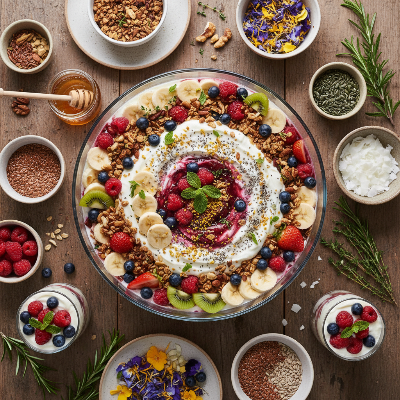
Crunchy granola, velvet yogurt, and bursts of tart berry juice. This DIY breakfast bar is a morning ritual that looks like art and tastes like dessert. Cool, creamy, and totally customizable.
My first encounter with a yogurt bar wasn’t at a fancy brunch; it was during a chaotic family reunion at my aunt’s house. She had ten hungry cousins to feed and zero interest in flipping individual pancakes. She lined up mismatched bowls filled with sliced fruit, toasted nuts, and creamy Greek yogurt, then told us to go wild. I watched my youngest cousin pile on mountains of blueberries while my uncle went heavy on the hemp seeds. It was the most peaceful meal of the entire trip. Everyone got exactly what they wanted, and I realized that the best meals aren’t “made”—they are assembled with love and a bit of crunch.
Why You’ll Love This Recipe
Zero morning cooking — No pans to scrub or ovens to preheat while you are still blurry-eyed and caffeinated.
Highly customizable — Whether you are dairy-free, low-carb, or a protein seeker, there is a combination for you.
Perfect for crowds — It’s the ultimate stress-free solution for bridal showers, sleepovers, or holiday brunches.
Meal prep friendly — You can prep the toppings on Sunday and have a five-minute breakfast ready for the entire work week.
Naturally balanced — You get healthy fats, fiber, and probiotics in every single bite without even trying.
Essential Ingredients
Building the perfect parfait bar requires a balance of textures. You need the base, the crunch, the sweetness, and the superfoods.
Greek Yogurt — This is your canvas. I prefer plain full-fat Greek yogurt for that ultra-thick, velvety texture and punch of protein. You can also offer a vanilla bean version for those who like it sweeter.
Fresh Berries — Strawberries, blueberries, and raspberries add a pop of color and essential antioxidants. Pick what’s in season for the best flavor.
Granola — This provides the essential “crunch” factor. Look for a low-sugar granola with clusters or make your own with rolled oats and honey.
Honey or Maple Syrup — Since we are using plain yogurt, a drizzle of raw honey or pure maple syrup allows everyone to control their own sweetness level.
Nut Butters — A dollop of creamy almond butter or drippy peanut butter adds richness and keeps you full until lunch.
Seeds and Nuts — Think chia seeds, flax seeds, and slivered almonds. They add earthy flavor and a nutritional boost.
How to Make It
Setting up a parfait bar is all about the visual appeal. Start by choosing a long board or a clear section of your kitchen counter. Place your yogurt containers in the center—if you are feeling fancy, scoop the yogurt into a large glass trifle bowl so guests can see the creamy texture.
Next, arrange your fruit bowls. I like to macerate the strawberries for ten minutes in a tiny bit of lemon juice to bring out their natural syrups. Arrange the dried goods like granola, toasted coconut, and chopped walnuts in smaller crocks.
The secret to a great parfait is the layering technique. Encourage your guests to start with a small dollop of yogurt at the bottom of their glass. Follow this with a layer of crunchy granola, then a layer of vibrant fruit. Repeat the layers until the glass is full. This ensures you get a bit of everything in every spoonful. Finish the bar with “the drizzles”—bottles of syrup and jars of nutt butters with small spoons. Watch the colors mingle as the honey drips down the sides of the glass, hitting the berries and creating a beautiful, marbled effect.
Variations & Substitutions
The beauty of a bar is the flexibility. You can pivot based on what is in your pantry or your guests’ dietary needs.
Vegan Option — Swap the dairy for a thick coconut milk yogurt or an almond-based yogurt. Both pair beautifully with tropical fruits.
Tropical Twist — Use diced mango, pineapple, and toasted macadamia nuts for a vacation-in-a-bowl vibe.
Chocolate Fix — Add a bowl of dark chocolate chips or cacao nibs for those who want a decadent breakfast.
Autumn Vibes — Use canned pumpkin puree swirled into the yogurt with pumpkin pie spice and pecans.
Serving Suggestions
I love serving these in wide-mouth mason jars or clear stemless wine glasses. It makes the layers look incredible. If you are hosting a brunch, serve this alongside a platter of soft-boiled eggs or sourdough toast for a savory contrast. A carafe of iced coffee or hot matcha completes the spread perfectly.
How to Store & Reheat
If you have leftovers from your bar, store the yogurt, fruit, and dry toppings in separate airtight containers in the fridge. Granola must stay in a dry pantry so it doesn’t lose its snap. The fruit will stay fresh for about 3 days. Do not pre-assemble parfaits more than 6 hours in advance, or the granola will turn soft and soggy.
FAQ
Can I use frozen fruit?
Yes, but let it thaw first. The thawed juices actually taste amazing swirled into the yogurt, though it won’t be as “pretty” as fresh fruit.
How do I keep the granola crunchy?
Always add the granola last or keep it in a separate container until the very moment you are ready to eat.
Is Greek yogurt better than regular yogurt?
Greek yogurt is strained, making it thicker and higher in protein, which I find holds up better against heavy toppings.
How much yogurt should I plan per person?
Usually, one cup per person is plenty, especially if you have a wide variety of filling toppings like nuts and seeds available.
This bar is the easiest way to bring joy to your morning. It is vibrant, fresh, and genuinely fun to put together. Grab those jars and start layering!
My Secret Garlic Herb Chicken & Rainbow Veggie Bowls
Looking for healthy meal prep ideas that actually taste good? These Garlic Herb Chicken
Looking for healthy meal prep ideas that actually taste good? These Garlic Herb Chicken and Rainbow Veggie Bowls stay fresh and delicious choice.
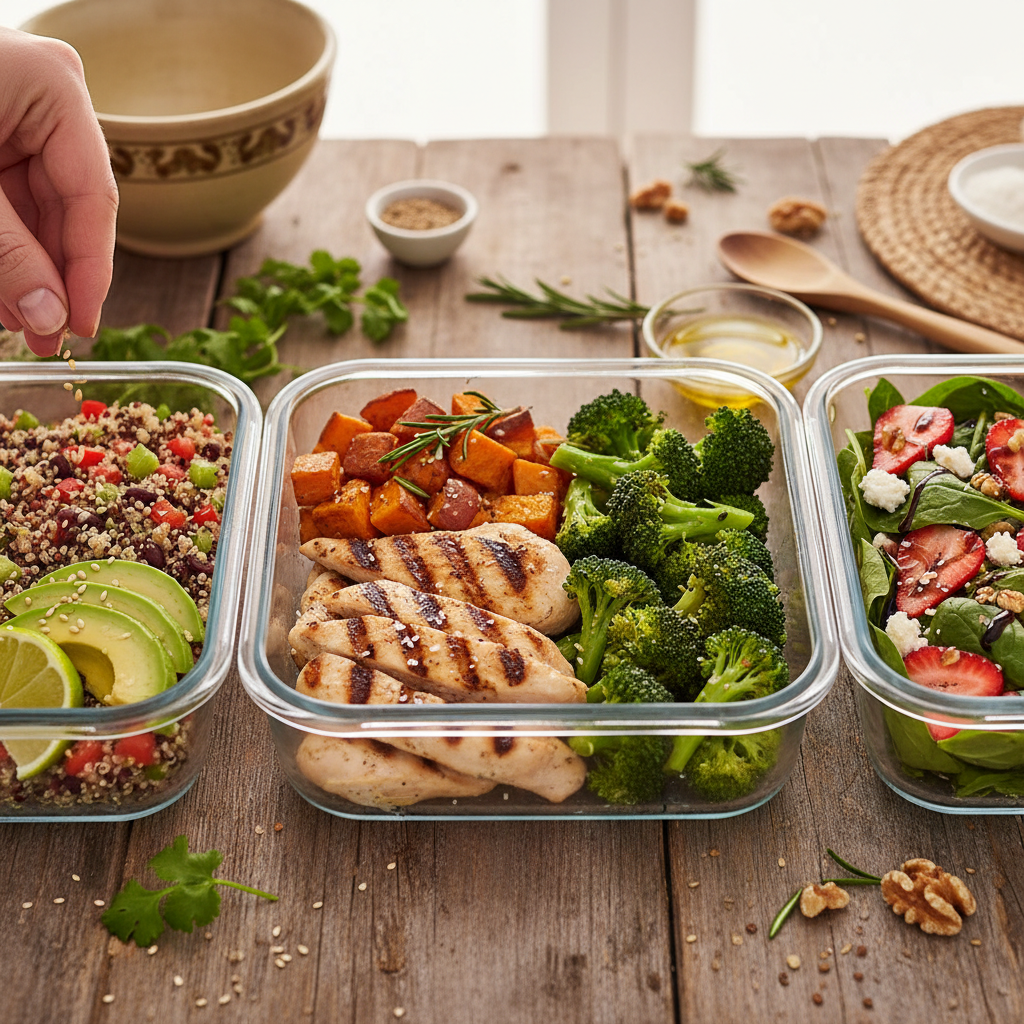
The smell of browned garlic and roasting bell peppers filling your kitchen is the ultimate Sunday afternoon vibe. Imagine opening your fridge on a Tuesday and finding a row of vibrantly colored containers waiting for you. Juicy, golden chicken breast, crisp-tender broccoli, and a hint of zesty lemon—this isn’t a sad, dry desk lunch. This is the kind of meal that makes your coworkers lean over and ask for the recipe.
The Meal Prep Struggle Is Over
I used to be the person who viewed meal prep as a chore. I’d spend hours on a Sunday making “healthy” meals that tasted like damp cardboard by Wednesday. It was depressing. My fridge was a graveyard of half-eaten tupperware. I realized the secret wasn’t just about making food in bulk; it was about choosing ingredients that hold their texture and flavors that actually get better as they sit.
I first started making these Rainbow Veggie Bowls during a particularly hectic semester when I felt like I was living on coffee and granola bars. I needed something that felt like a real meal but took zero brainpower during the week. The first time I bit into the roasted sweet potatoes paired with the tangy herb marinade, I knew I’d found the “one.” Now, this is my go-to “reset” recipe whenever life gets a little too loud. It’s reliable, it’s nourishing, and it’s genuinely satisfying.
Why You’ll Love This Recipe
Zero “Soggy Veggie” Syndrome — We use hearty vegetables like sweet potatoes and broccoli that maintain their structure even after reheating.
Massive Protein Punch — Between the chicken breast and the optional quinoa base, you’re looking at a meal that keeps you full until dinner.
Infinite Customization — Think of this as a template; you can swap the veggies or the protein based on what’s lingering in your crisper drawer.
Budget-Friendly — We’re using staple ingredients like onions, carrots, and frozen peas that won’t break the bank but deliver big on nutrients.
One-Pan Cleanup — Aside from the bowls, almost everything is roasted on sheet pans, meaning fewer dishes for you to wash.
Essential Ingredients
Chicken Breast — The lean star of the show. I prefer cutting them into uniform cubes so they cook evenly and stay tender. You can use thighs if you prefer a juicier, fattier cut.
Sweet Potatoes — These provide the complex carbs you need for energy. They roast up with caramelized edges that add a lovely natural sweetness.
Broccoli Florets — These act like little sponges for the garlic-herb oil. Make sure to cut them into bite-sized pieces.
Bell Peppers — I use a mix of red, yellow, and orange for that “rainbow” look. They add a bright, pepper-sweet jewelry to the bowl.
Red Onion — When roasted, red onion loses its sharp bite and becomes mellow and sweet. It’s the hidden flavor hero here.
Olive Oil — Use a good quality extra virgin oil to coat everything. It carries the spices and helps the veggies get those crispy bits.
Dried Oregano and Thyme — This classic herb combo gives the chicken a Mediterranean flair that never gets old.
Fresh Lemon — A heavy squeeze of lemon juice at the end brightens the whole dish and cuts through the richness of the roasted oil.
How to Make It
Start by preheating your oven to 400°F (200°C). While that’s warming up, grab your largest cutting board. We’re going to do all our chopping at once. Peel and cube your sweet potatoes into half-inch pieces. Chop the bell peppers and red onion into similar-sized squares. If your broccoli florets are huge, give them a quick chop too. Consistency is key here; you want everything to be ready at roughly the same time.
Line two large sheet pans with parchment paper. On the first pan, toss the sweet potatoes with a drizzle of olive oil, salt, and pepper. These take the longest, so they get their own space. Put them in the oven for about 10 minutes before adding the rest.
While the potatoes get a head start, toss your chicken cubes in a bowl with olive oil, minced garlic, oregano, thyme, and a pinch of red pepper flakes. Ensure every piece of chicken is glistening and coated in herbs. On the second sheet pan, spread out the broccoli, peppers, onions, and the seasoned chicken. Don’t crowd the pan! If the ingredients are too close, they’ll steam instead of roasting. You want that high-heat contact to create those brown, flavorful spots.
Slide the second pan into the oven. Roast everything for another 15-20 minutes. You’ll know it’s ready when the chicken is opaque and firm to the touch and the broccoli edges are starting to turn a deep, charred brown. The smell of the roasting garlic will be absolutely intoxicating at this point.
Once finished, pull the pans out and let them cool for a few minutes. While they rest, whisk together a quick “refresher” of lemon juice and a little more olive oil. Drizzle this over the pans while they’re still warm—the heat helps the flavors soak right into the meat and veg.
Variations & Substitutions
Make it Vegan — Swap the chicken for two cans of chickpeas or a block of drained, cubed extra-firm tofu. Both roast beautifully alongside the veggies.
Low-Carb Version — Replace the sweet potatoes with cauliflower florets or extra zucchini. This significantly drops the carb count while keeping the volume high.
Grain Base — If you’re extra hungry, serve these over a bed of fluffy quinoa or brown rice. It’s great for soaking up any extra herb oil.
Spicy Kick — Add a teaspoon of smoked paprika or a dollop of sriracha to the marinade if you like a little heat in your lunch.
Serving Suggestions
I love eating these bowls as-is, but a creamy element really takes them over the top. A dollop of Greek yogurt or a few slices of ripe avocado adds a cooling contrast to the roasted spices. If you have some fresh parsley or cilantro in the fridge, chop it up and sprinkle it on top just before eating. It adds a “fresh” hit that makes the meal feel like it was just cooked that minute.
How to Store & Reheat
This recipe makes enough for four generous servings. Divide the chicken and veggies into four airtight glass containers. Glass is best because it doesn’t retain odors and makes reheating much more even. These will stay fresh in the fridge for up to 4 days.
When you’re ready to eat, you can microwave them for about 90 seconds. If you have the time, popping the portion back into an air fryer for 3-4 minutes at 350°F will revive the crispy edges of the potatoes and chicken perfectly.
FAQ
Can I use frozen vegetables for this meal prep?
You can, but the texture will be softer. If using frozen broccoli, add it directly to the pan without thawing, but realize it won’t get as crispy as fresh. Avoid frozen peppers if you can, as they release a lot of water.
How do I keep the chicken from getting dry when reheating?
The key is the size of the cubes and not overcooking them initially. Also, adding that drizzle of lemon oil at the end of the cooking process creates a moisture barrier that helps the chicken stay juicy in the fridge.
Is this recipe freezer-friendly?
Yes! You can freeze these portions for up to 3 months. Let them thaw in the fridge overnight before reheating for the best results.
Get Prepping!
There is no better feeling than knowing your “past self” took care of your “future self.” Spending 45 minutes in the kitchen today means four days of stress-free, delicious, and healthy eating. Grab your sheet pans and get roasting! Your Tuesday afternoon self will thank you.
Super Juicy Lemon Herb Grilled Chicken & Asparagus
Succulent, charred, and bursting with citrus. This is the ultimate high-protein, low-carb dinner that
Succulent, charred, and bursting with citrus. This is the ultimate high-protein, low-carb dinner that actually tastes like a feast. It’s clean eating that doesn’t feel like a sacrifice.
Sometimes, life feels like a constant juggle between wanting to feel your best and wanting to eat something that doesn’t taste like cardboard. I remember sitting at my kitchen table three years ago, staring at a plate of bland, boiled chicken breasts and thinking, *there has to be a better way.* I was trying to hit my protein goals while keeping things low carb, but I was failing the flavor test. That’s when I started experimenting with high-acid marinades and high-heat searing.
This recipe is the result of those “protein-loading” experiments. It’s the meal I turn to when I’ve had a massive workout or when I just want to feel light and energized for the next day. It has become a staple in my house, not because it’s “diet food,” but because the zesty lemon juice and fresh rosemary create a pan sauce that I would honestly eat off a shoe. It’s simple, honest, and incredibly satisfying.
Why You’ll Love This Recipe
Protein-Packed Powerhouse — With over 40 grams of protein per serving, this meal keeps you full and fueled for hours.
Minimal Cleanup — We’re using one grill or one large sheet pan, meaning you won’t be stuck at the sink all night.
Under 10 Net Carbs — Perfectly keto-friendly and ideal for anyone watching their blood sugar levels.
Meal Prep Friendly — This chicken actually stays juicy when reheated, making your Tuesday lunch something to look forward to.
Bursting with Freshness — No heavy creams or fake fillers, just bright herbs and healthy fats.
Essential Ingredients
Boneless Skinless Chicken Breasts — The clean slate of the protein world. I prefer organic when possible for the best texture. If your breasts are massive, butterfly them or pound them to an even thickness so they cook through without drying out.
Fresh Asparagus — These snappy spears provide the crunch. Look for medium-thickness stalks; they hold up better to high heat than the pencil-thin ones.
Extra Virgin Olive Oil — This is our fat source. It carries the flavor of the herbs and ensures the chicken gets those beautiful golden-brown grill marks.
Fresh Lemons — We use both the zest and the juice. The juice tenderizes the fibers of the meat, while the zest provides that essential aromatic punch.
Garlic Cloves — Please, use fresh garlic here. The jarred stuff has a metallic tang that ruins the delicacy of the herbs. Smash them and mince them into a paste.
Fresh Rosemary and Thyme — These woody herbs are heat-stable, meaning they won’t burn and turn bitter like basil would. They infuse the oil with an earthy, piney fragrance.
Red Pepper Flakes — Just a pinch for a “back of the throat” heat that cuts through the richness of the olive oil.
How to Make It
First, we focus on the marinade. In a large glass bowl, whisk together your olive oil, lemon zest, lemon juice, minced garlic, and chopped herbs. You want this to look like a thick, green-flecked dressing. Toss your chicken breasts into the bowl and massage the liquid into the meat. Let it sit. Even 20 minutes makes a difference, but two hours in the fridge is the gold standard.
While the chicken marinates, prep your asparagus. Snap off the woody ends—they usually break naturally at the right spot. Toss them with a drizzle of oil and a heavy pinch of kosher salt.
Now, heat your grill or a heavy cast-iron skillet over medium-high heat. You want to hear a loud sizzle the second that meat hits the surface. Lay the chicken down and leave it alone. Don’t poke it. Don’t move it. You need about 6 minutes on the first side to develop a deep, caramelized crust.
Flip the chicken and immediately add the asparagus to the empty spaces in the pan or on the grill. The asparagus will pick up the wandering juices from the chicken. Cook for another 5–7 minutes. You’re looking for an internal temperature of 165°F (74°C). The asparagus should be bright green with tiny charred spots on the tips.
Remove everything from the heat and—this is the most important part—let the chicken rest. Cover it loosely with foil for 5 minutes. This allows the juices to redistribute so they don’t all run out onto your cutting board.
Variations & Substitutions
Swap the Protein — This marinade works beautifully on thick-cut pork chops or even salmon fillets. If using salmon, reduce the marinating time to 15 minutes to prevent the acid from “cooking” the fish.
Vegetable Swaps — If you aren’t an asparagus fan, try zucchini ribbons or broccolini. Just keep in mind that broccolini takes a few minutes longer to soften.
Make it Creamy — To add some healthy fats, top the finished dish with half an avocado or a dollop of Greek yogurt mixed with dill.
The Buffalo Twist — Skip the herbs and use hot sauce and melted butter for a spicy, low-carb buffalo chicken vibe. Serve with celery sticks.
Serving Suggestions
I love serving this straight out of the pan for a rustic feel. If you want a little more “bulk” without the carbs, serve it over a bed of cauliflower rice or sautéed baby spinach. The spinach wilts beautifully under the heat of the chicken. A sprinkle of feta cheese or grated parmesan right at the end adds a salty pop that ties the lemon and garlic together perfectly.
How to Store & Reheat
Store any leftovers in an airtight glass container in the fridge for up to four days. When you’re ready to eat lunch, I recommend reheating the chicken in a pan over medium heat with a tiny splash of water or chicken broth. This creates a “steam room” effect that prevents the meat from becoming rubbery in the microwave. The asparagus is also delicious cold, chopped up into a quick low-carb salad.
FAQ
Can I use chicken thighs instead of breasts?
Absolutely. Boneless, skinless chicken thighs are actually more forgiving because they have a higher fat content. They will stay even juicier, though they might take an extra 2 minutes per side to cook through.
Is this recipe good for keto?
Yes! This is a keto superstar. It is naturally high in protein and healthy fats with almost zero sugar. Just be sure your lemon juice is fresh and not a sweetened bottled version.
What if I don’t have a grill?
No problem. Use a cast-iron skillet or a heavy-bottomed frying pan. You can also bake this at 400°F (200°C) for about 20-25 minutes, though you’ll miss out on that lovely charred flavor.
Can I freeze the marinated chicken?
Yes! I often double the marinade and throw half the chicken into a freezer bag with the liquid. It marinates as it thaws in the fridge overnight. It’s a total lifesaver for busy weeks.
Conclusion
Eating well shouldn’t feel like a chore. This lemon herb chicken proves that you can hit your macro goals and feel fueled without sacrificing the joy of a home-cooked meal. It’s bright, it’s punchy, and it’s exactly what your body is craving. Fire up the stove and give this a shot tonight—your future, energized self will thank you.
low carb, protein meals, easy dinner, keto recipes, healthy chicken, meal prep, gluten free, high protein
Learn how to master healthy meal prep with my favorite Mediterranean Quinoa Bowls. Save
Learn how to master healthy meal prep with my favorite Mediterranean Quinoa Bowls. Save time, eat better, and enjoy delicious weekday lunches!
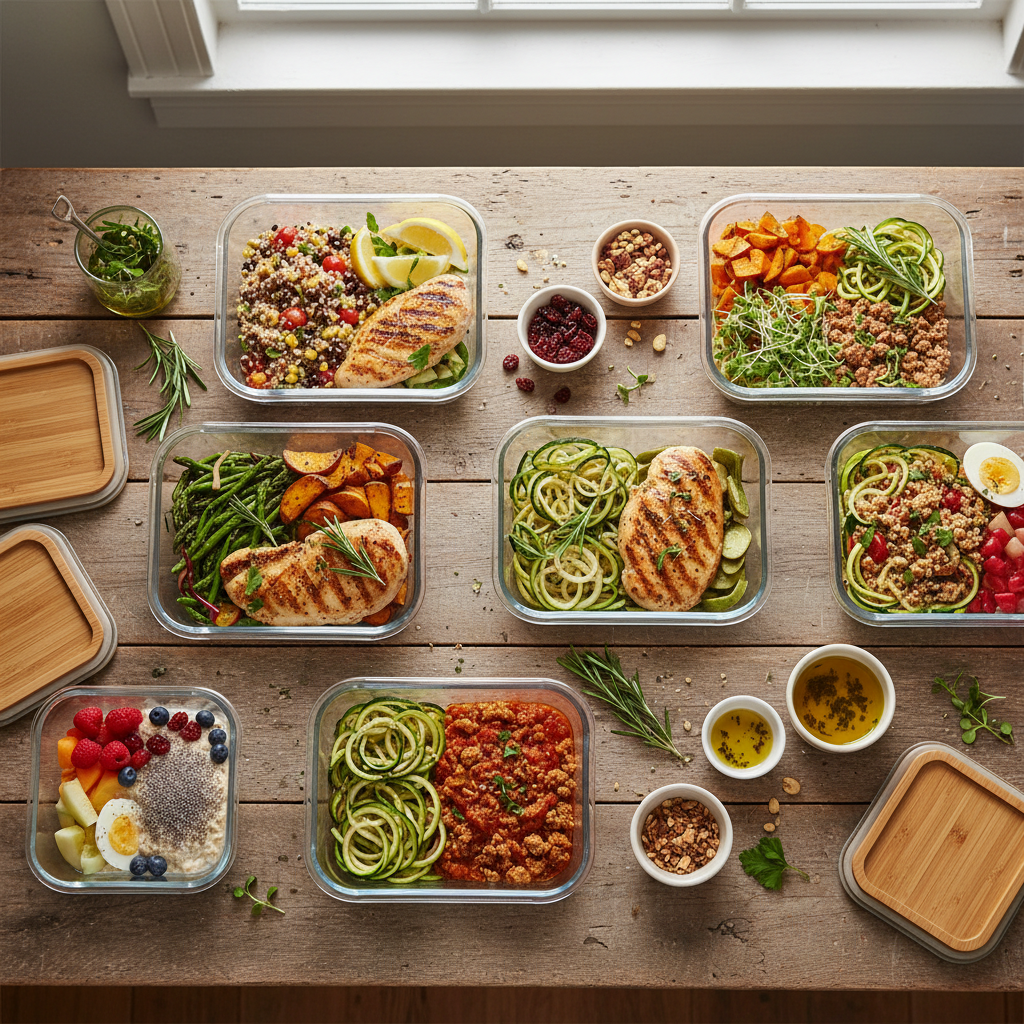
Now, meal prep isn’t about spending six hours in the kitchen or eating the exact same bland chicken and broccoli five days in a row. It’s about setting your future self up for success. It’s the smell of roasted sweet potatoes filling the kitchen and the satisfying “snap” of fresh cucumbers as you chop them into containers. When I open my fridge on a busy Wednesday and see a rainbow of prepped ingredients waiting for me, I feel a genuine sense of peace. This Mediterranean Quinoa Bowl recipe is the one I come back to again and again because it hits every note: it’s crunchy, zesty, filling, and actually gets better after sitting in the fridge for a day or two.
The Key Ingredients
To make a meal prep dish that actually lasts, you need hardy ingredients that won’t turn into a soggy mess by Thursday. We start with a base of Quinoa. I love quinoa because it’s a complete protein and acts like a little sponge for the dressing. If you isn’t a fan, farro or brown rice work beautifully too.
Next, we add a punch of plant-based protein with Chickpeas. I roast half of them for crunch and leave the other half plain for creaminess. For the “rainbow” factor, we use English Cucumbers (they have thinner skins and fewer seeds, so they stay crunchy) and Cherry Tomatoes.
The “flavor bombs” are the Kalamata Olives and Feta Cheese. These provide that salty, briny kick that keeps the bowl from feeling boring. If you’re dairy-free, a scoop of hummus or some pickled red onions adds that same acidic brightness. Finally, my Lemon-Tahini Dressing ties it all together with a silky, nutty finish that is far superior to anything you’ll find in a bottle.
How to Make It Step-by-Step
The secret to efficient meal prep is “active waiting.” While your quinoa is simmering and your veggies are roasting, you should be chopping the fresh components. Start by rinsing your quinoa thoroughly—don’t skip this, or it will taste bitter and soapy! Bring it to a boil with water or vegetable broth, then turn it down to the lowest simmer for about 15 minutes. Once it’s done, move it to a large sheet pan and fluff it with a fork. Spreading it out helps it cool quickly and prevents it from overcooking in the pot.
While the quinoa does its thing, toss your chickpeas and diced sweet potatoes with olive oil, dried oregano, and a pinch of smoked paprika. Roast them at 400°F (200°C) until the potatoes are tender and the chickpeas are slightly golden. This usually takes about 25 minutes. Your kitchen will start to smell like a rustic Greek taverna at this point, which is the best part of the process.
While the oven is working, get to work on the “fresh” pile. Slice your cucumbers into half-moons and halve your tomatoes. I like to keep these in a separate bowl until I’m ready to assemble. For the dressing, whisk together tahini, fresh lemon juice, a clove of grated garlic, and a splash of maple syrup. If the tahini seizes up and gets thick, don’t panic! Just add a teaspoon of warm water at a time until it reaches a pourable, creamy consistency. It’ll go from a paste to a beautiful, velvet-smooth sauce right before your eyes.
Serving Suggestions and Variations
One of the biggest mistakes people make with meal prep is lack of variety. You can serve these bowls cold, straight from the fridge, which is perfect for office lunches. However, if you’re at home, I love warming up just the quinoa and roasted veggies in a skillet for three minutes before topping them with the cold cucumbers and feta. The contrast of temperatures is divine.
If you want to bulk this up even more, a grilled chicken breast or a piece of flaky wild-caught salmon makes an incredible topping. For my vegan friends, add a big dollop of creamy baba ganoush or extra avocado. If you find yourself getting bored by Thursday, try stuffing the ingredients into a whole-wheat pita pocket instead of eating it out of a bowl. Same ingredients, completely different experience! You can also swap the tahini dressing for a spicy harissa oil if you’re craving a bit of heat.
How to Store and Reheat
Storage is where the magic happens. I recommend using glass containers; they keep the food colder and don’t retain odors like plastic can. Layer the quinoa at the bottom, followed by the roasted veggies, then the fresh ones. Keep the dressing in small, separate containers (or those tiny mason jars) and drizzle it on right before you eat. This keeps the veggies from wilting.
These bowls stay fresh and vibrant for up to 4 days in the refrigerator. I don’t recommend freezing this specific recipe because cucumbers and tomatoes lose their structural integrity when thawed, becoming watery. If you do need to reheat, just pop the quinoa and roasted veggie portion into the microwave for 60 seconds, then add your fresh toppings. It’s like a fresh meal every single time.
Frequently Asked Questions
Can I use a different grain for this meal prep?
Absolutely! While quinoa is my go-to for its protein content, this recipe is incredibly forgiving. Farro offers a wonderful chewy texture that holds up even better than quinoa over five days. Couscous is a great “fast” option if you’re short on time, as it only takes five minutes to prep.
How do I keep the avocado from browning?
If you’re adding avocado, do not prep it on Sunday! Wait until the morning you plan to eat it. Slice it fresh and squeeze a little lime juice over it. If you must prep it ahead, keeping the pit in the container and seals it tightly can help, but fresh is always better for avocado.
Is tahini necessary for the dressing?
Tahini provides a creamy, earthy base that is staple in Mediterranean cooking, but if you don’t have it or have a sesame allergy, you can substitute it with Greek yogurt for a zesty crema, or simply use a high-quality extra virgin olive oil and balsamic vinegar.
What are the best containers for meal prepping?
I swear by glass containers with snap-locking lids. They are microwave-safe, dishwasher-safe, and they don’t stain from things like turmeric or tomato sauce. Plus, seeing the beautiful layers of food through the glass makes you much more likely to actually eat your lunch!
Conclusion
Embracing healthy meal prep isn’t about perfection; it’s about giving yourself the gift of time and nourishment during your busiest days. Once you get into the flow of roasting, chopping, and whisking, you’ll find it’s actually a quite meditative way to spend a Sunday afternoon. I hope these Mediterranean Quinoa Bowls become a staple in your household just as they have in mine. Give it a try this weekend, and I promise your Monday-self will be thanking you with every delicious, crunchy bite!
1Preheat your oven to 400°F (200°C). Tossing the cubed sweet potatoes and chickpeas with olive oil, oregano, paprika, salt, and pepper on a large baking sheet.
2Roast the vegetables for 25 minutes, tossing halfway through, until the potatoes are tender and chickpeas are slightly crisp.
3While roasting, bring quinoa and water/broth to a boil in a medium pot. Reduce heat to low, cover, and simmer for 15 minutes. Remove from heat and let sit for 5 minutes before fluffing with a fork.
4In a small bowl, whisk together the tahini, lemon juice, minced garlic, and maple syrup. Add 1-2 tablespoons of warm water until it reaches your desired drizzling consistency.
5To assemble for meal prep, divide the quinoa between four glass containers. Top with the roasted sweet potato and chickpea mix, followed by raw cucumbers, tomatoes, and feta cheese.
6Store the dressing in four separate small dressing containers. Seal lids tightly and refrigerate for up to 4 days.
The Ultimate Guide to Easy Mediterranean Bowl Meal Prep
I’ll be the first to admit that my relationship with meal prepping hasn’t always
I’ll be the first to admit that my relationship with meal prepping hasn’t always been a smooth one. For years, I associated the phrase “meal prep” with those sad, monochromatic containers of dry chicken breast and limp broccoli. I’d spend my entire Sunday afternoon over a hot stove, only to end up with five lunch containers that I dreaded opening by the time Wednesday rolled around. It felt like a chore rather than a way to nourish myself, and honestly, it took the joy out of cooking.
That all changed when I shifted my focus to the Mediterranean diet—not as a strict set of rules, but as a philosophy of eating that prioritizes vibrant colors, punchy acids, and healthy fats. These Mediterranean Meal Prep Bowls are the result of that shift. Every time I open my fridge on a Tuesday afternoon and see these neatly stacked jars or containers, I feel a sense of relief. There is something deeply grounding about knowing you’ve already taken care of your future self.
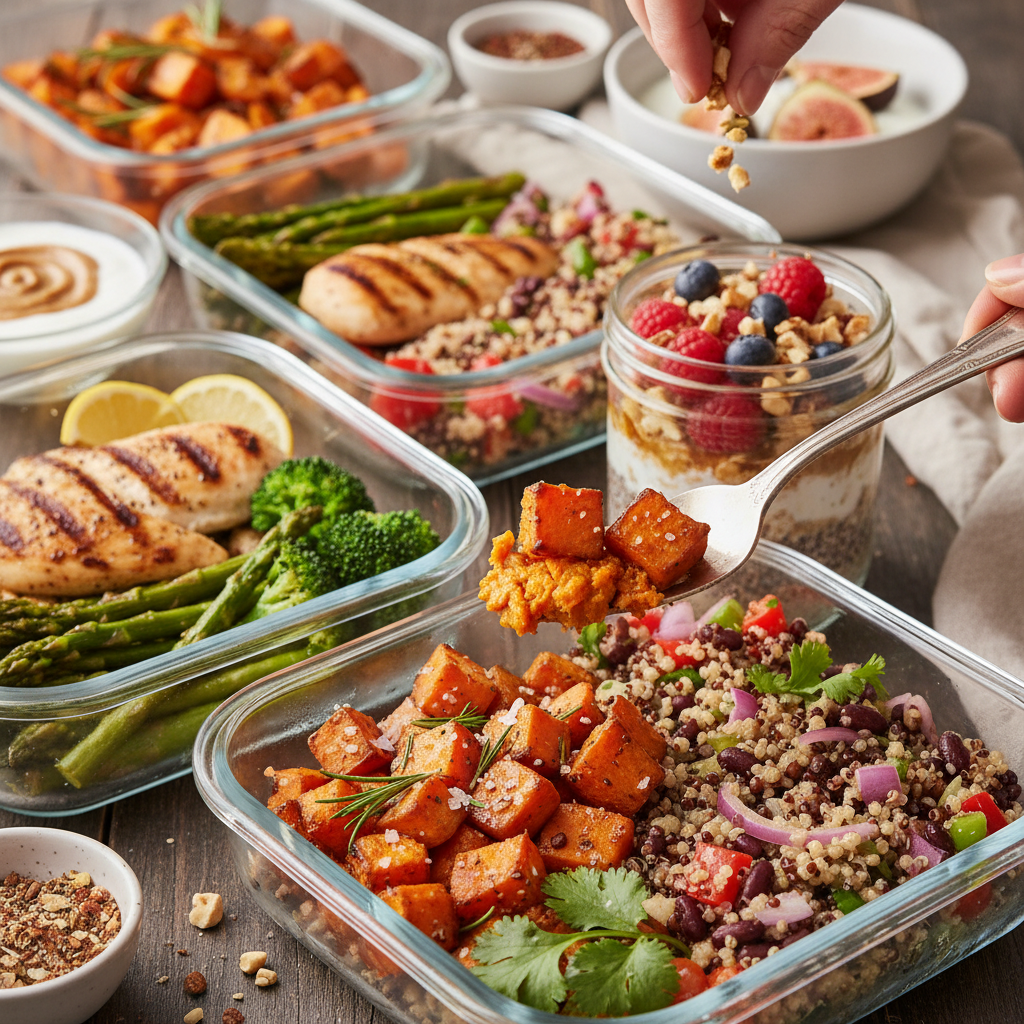
These bowls aren’t just “fuel”; they are a celebration of textures. You have the crunch of fresh cucumbers, the creamy saltiness of feta cheese, the bright zing of a lemon-tahini dressing, and the satisfying heartiness of herb-flecked quinoa. It’s a meal that tastes just as good on day four as it does on day one—perhaps even better, as the flavors have a chance to really get to know each other. Whether you’re a busy parent, a student, or just someone trying to break the cycle of expensive takeout lunches, this recipe is designed to bring a little bit of sunshine into your workday.
Key Ingredients
What makes this specific meal prep so successful is the balance of “pantry staples” and fresh produce. For the base, I love using quinoa. It’s a complete protein, which keeps you fuller for longer than white rice, and it has a slightly nutty flavor that works beautifully with cold toppings. If you aren’t a fan of quinoa, farro or brown rice are excellent hearty substitutes.
For the protein, canned chickpeas are my secret weapon. They are inexpensive, require zero cooking (unless you want to roast them for a little extra crunch), and soak up vinaigrettes like a sponge. If you need a meat-based protein, some grilled chicken breast seasoned with oregano and garlic fits perfectly here.
The “crunch factor” comes from English cucumbers and cherry tomatoes. I prefer English cucumbers because the skin is thinner and the seeds are smaller, meaning they won’t release as much water and make your bowl soggy by Thursday. Kalamata olives and pickled red onions provide that essential brine and acidity that cuts through the richness of the feta cheese. Finally, a generous handful of fresh parsley is non-negotiable—it adds an aromatic freshness that makes the whole dish feel “alive” rather than just a leftovers container.
How to Make It
Success in meal prepping is all about the workflow. I like to start by getting the quinoa on the stove first. Rinse your quinoa thoroughly under cold water—this removes the saponin, which can make it taste bitter. Combine it with water or vegetable broth (broth adds so much more flavor!) and bring it to a boil. Once it hits that boil, lower the heat, cover it, and let it simmer for about 15 minutes. The key tip here? Once the water is absorbed, turn off the heat but keep the lid on for an extra 5 minutes. This creates the fluffiest texture.
While the quinoa is doing its thing, move on to the vegetable “assembly line.” I find it therapeutic to chop everything into uniform, bite-sized pieces. Halve your cherry tomatoes and dice your cucumbers and red bell peppers. If you are making your own pickled red onions (which I highly recommend), simply thinly slice a red onion and submerge it in a mixture of apple cider vinegar, a pinch of salt, and a dash of honey. They only need about 20 minutes to turn that beautiful vibrant pink.
The dressing is where the magic happens. In a small jar, whisk together extra virgin olive oil, fresh lemon juice, a clove of minced garlic, dried oregano, and a spoonful of tahini if you like a creamier finish.
When it comes to assembly, if you are using glass jars, always put the dressing at the very bottom. Follow with the chickpeas, then the quinoa, then the hard vegetables like peppers and cucumbers. Place the feta, olives, and fresh herbs at the very top. This “stacking” method keeps the delicate ingredients away from the liquid, ensuring nothing gets mushy before you’re ready to eat. If you’re using flat containers, I recommend keeping the dressing in a separate small condiment cup. Timing-wise, you can have four days of lunch ready in exactly 30 minutes if you move efficiently!
Serving Suggestions
While these bowls are a complete meal on their own, there are plenty of ways to jazz them up right before you eat. My favorite way to serve these is with a big dollop of hummus or tzatziki on the side. The creaminess of the yogurt-based tzatziki acts as a secondary sauce that marries all the ingredients together.
If you happen to be at home when you’re eating one of these, try warming up a piece of whole-wheat pita bread or some naan. You can use the bread to scoop up the salad, making it feel more like a Mediterranean feast. For those who want a bit of heat, a drizzle of Sriracha or a sprinkle of red pepper flakes works wonders. If you have any leftover avocado, slice half of one and add it to the bowl just before serving—the healthy fats make the meal feel incredibly indulgent. This also pairs beautifully with a simple side of fresh fruit or a handful of almonds if you need an extra afternoon energy boost.
How to Store
The beauty of this recipe lies in its longevity. These bowls will stay perfectly fresh in the refrigerator for up to 4 to 5 days. I highly recommend using airtight glass containers (like Mason jars or Pyrex) because they keep the produce crispier than plastic does and they don’t retain odors.
When you’re ready to eat, if you’ve used the “jar method,” simply shake the jar vigorously or dump the contents into a large bowl and toss. This ensures the dressing from the bottom coats every single piece of quinoa and vegetable. These bowls are intended to be eaten cold or at room temperature, so there’s no need to worry about finding a microwave at the office—which, let’s be honest, is half the battle of a successful packed lunch! I do not recommend freezing this specific recipe, as the fresh cucumbers and tomatoes will lose their texture entirely once thawed.
FAQ Section
Can I use a different grain instead of quinoa?
Absolutely! This is a very “forgiving” recipe. Couscous is a fantastic alternative that takes only five minutes to prepare. For a gluten-free option with more chew, try brown rice or even cauliflower rice if you’re looking to lower the carbohydrate content.
How do I prevent the salad from getting soggy?
The secret is in the layering. Always keep your “wet” ingredients (like dressing and tomatoes) separate or at the bottom of the container. Adding the salt only right before eating also helps, as salt draws moisture out of vegetables like cucumbers.
Can I add meat to this meal prep?
Yes! Grilled chicken, sliced turkey, or even canned tuna work exceptionally well with these Mediterranean flavors. If adding tuna, I suggest adding it the morning of to keep it as fresh as possible.
Is this recipe vegan-friendly?
It is almost there! To make this 100% vegan, simply omit the feta cheese. You can replace the salty “hit” of the feta with extra Kalamata olives or even some nutritional yeast sprinkled over the top.
Conclusion
There is a certain kind of peace that comes with having your meals sorted for the week. It frees up your mental energy to focus on the things that actually matter, rather than stressing over what’s for lunch at 11:30 AM every day. These Mediterranean Meal Prep Bowls aren’t just about nutrition; they’re about reclaiming your time and enjoying every bite of the process. I hope these become a staple in your kitchen just as they have in mine. Give them a try this Sunday—your Wednesday self will thank you!
For the dressing: 1/4 cup olive oil, 2 tbsp lemon juice, 1 clove garlic minced, 1 tsp dried oregano, salt and pepper to taste
Instructions
In a medium saucepan, combine rinsed quinoa and vegetable broth. Bring to a boil, then reduce heat to low, cover, and simmer for 15 minutes.
Remove quinoa from heat and let it sit covered for 5 minutes. Fluff with a fork and let it cool slightly.
While quinoa cooks, whisk together all dressing ingredients in a small bowl or jar.
Prep your vegetables: dice the cucumber, halve the tomatoes, and chop the peppers and parsley.
For assembly using jars: Pour 2 tablespoons of dressing into the bottom of 4 large glass jars.
Layer the ingredients in this order: chickpeas, cooked quinoa, bell peppers, cucumbers, tomatoes, red labels, olives, and finally the feta cheese and parsley.
Seal the containers and store in the refrigerator for up to 5 days. Shake or toss before serving.
Why Cardio Isn’t Working for Postpartum Weight Loss (And What to Do Instead)
Struggling with postpartum weight loss? Discover why cardio isn't the answer and learn effective
I thought losing postpartum weight was simple. Just add more cardio and wait for the scale to drop. But I was wrong. Cardio sometimes made me feel more tired, more sore, and less like myself.
Still, I believe exercising after pregnancy is a great gift for my body and mind. The Mayo Clinic says postnatal exercise helps with weight loss if you also eat less. It boosts energy, improves sleep, eases stress, and can lessen symptoms of postpartum depression.
But I’m not against cardio. I’m for using the right tool at the right time, especially during postpartum recovery. My missing piece was fixing my pelvic floor and strengthening my core for impact.
I also made some basic rules. The Mayo Clinic and the U.S. Department of Health and Human Services stress to start slow. Warm up, cool down, gradually increase the pace, drink plenty of fluids, and stop if it hurts. I follow these steps for postpartum fitness, even on days when I feel energetic.
Bodies are different and don’t follow a single path. HealthPartners shows that recovery can differ after vaginal births or C-sections, affecting safe workouts. So, I’m first focusing on strength training after giving birth. Then I’ll add walking, short movements, and realistic nutrition.
Why Cardio Isn’t Working for Postpartum Weight Loss
I thought sweating more and working harder was the answer. Yet, postpartum weight loss was different this time. Trying to beat it with more cardio made me feel weak, not strong.
After having a baby, my core felt weak, like a deflated balloon. Cardio involves many quick changes in pressure which didn’t help.
My core and pelvic floor aren’t a “stable platform” yet (and cardio asks them to be)
For core stability postpartum, I need my deep core muscles working well together. This includes the diaphragm, transverse abdominals, and others. They help me move powerfully when in sync.
Without this coordination, I felt out of control. Even if my pelvic floor was healing, it couldn’t keep up during cardio. My form would quickly break down.
Cardio is great for heart health and stress relief, but it doesn’t rebuild the foundation pregnancy changed
Cardio boosts my mood and helps with fitness and stress. However, it doesn’t fix the muscles stretched during pregnancy.
Running or cycling improves breathing and endurance but not muscle growth. Resistance training helps rebuild strength. Skipping it for quick cardio means I’m missing crucial stability.
Training style
Primary stimulus
What it can do well for me postpartum
What it won’t fix by itself
Steady-state cardio (running, cycling)
Cellular systems tied to respiratory capacity; muscular endurance
Supports heart health, stress relief, and daily stamina
Doesn’t retrain coordination of the deep core system or restore pelvic support
Resistance training (weights, bands)
Protein synthesis linked to hypertrophy; maximum strength
Rebuilds strength and control so movement feels steady again
Doesn’t replace gentle re-connection work if breathing and pressure control are off
When I push intensity too soon, I risk the “speedbumps” I don’t want (leaking, pain, pressure, doming)
Ramping up HIIT too soon brought problems. I noticed leaking, pelvic and back pain, and feeling heavy. Effort spikes even caused my belly to dome.
This warned me about risks like prolapse and joint issues. Pain or fatigue meant I needed to stop and not push through.
Instead of just wanting to sweat it out, I realized I needed a solid foundation. Rebuilding core stability made intense workouts a choice, not a struggle.
What postpartum weight loss really looks like (and why my expectations needed a reset)
I thought I’d lose weight quickly with extra cardio. But I learned that understanding the postpartum weight loss timeline and aligning my plan with recovery helped more.
Knowing what my body was going through, I stopped seeing slow weeks as failures. I began to aim for steady, realistic progress instead.
What usually drops right away after delivery
When I wondered about the weight loss right after birth, I found a specific answer. Most women lose around 10–13 pounds from the baby, the placenta, and amniotic fluid.
Then there’s the shift in the first week that’s not really “fat loss.” When my swelling went down, I noticed the retained fluids postpartum started to leave. This made the scale drop fast, even without changing my routine.
Why “rapid” weight loss isn’t typical postpartum
I had to learn that quick weight loss isn’t common while the body is healing. It might take up to a year to get back to pre-pregnancy weight for some, which is normal.
My aim shifted to slow and steady progress. Trying for 1–2 pounds a week postpartum is advised. Pushing too hard can lead to problems, especially when you’re not sleeping much and stress is high.
Time window
What the scale often reflects
What I focus on instead
Right after birth
10–13 pounds after delivery from pregnancy tissue and fluid
Rest, gentle walking, and letting my core settle
First week
Shifts from retained fluids postpartum as swelling eases
Protein, regular meals, and short movement breaks
Weeks to months
Slower change as fat loss competes with recovery and sleep
A sustainable pace of 1–2 pounds per week postpartum, if weight loss is a goal
Breastfeeding calories: real, but not a free pass
Breastfeeding is helpful, but it’s not a magic solution. Despite hearing breastfeeding burns 500 calories, cutting too much food made my energy and mood plummet.
The best approach for me is moderate, consistent exercises while breastfeeding. I watch my milk supply and stay hydrated because dehydration can worsen how I feel and complicate feeding.
When I do intense workouts, I plan them carefully. I’ll feed or pump before or wait a while after if taste affects feeding.
Starting to exercise after birth, I keep things simple. I might go for walks a few days after an uncomplicated vaginal delivery. But after a C-section, I wait until my doctor says it’s okay to avoid straining my abdomen.
What I do instead of more cardio: strength training for postpartum recovery and fat loss
I don’t just add more cardio for postpartum weight loss. I focus on strength training. It helps fix changes from pregnancy and increases my stamina.
I take real recovery seriously from the start. For the first two weeks after giving birth, I rest a lot. I only take short walks if they feel good to me. Later, about six weeks in and with advice from my doctor, I begin simple strength exercises I can control.
Why I prioritize resistance training first
Resistance training helps me reconnect with my core after giving birth. It teaches me control and alignment without overdoing it.
It also improves my posture and strengthens me for everyday tasks. It lowers my injury risk, too. It benefits me differently than just running would.
When I train, I watch out for leaks, pain, strange pressure, and bulging muscles. If I notice any, I take it easy and might get help from specialists.
The early moves I lean on to rebuild my foundation
I see core and pelvic floor work as practice, not a tough workout. I start with deep breathing exercises lying down, doing this several times a day.
Next, I use Connection Breath to sync my body parts on purpose. It helps me balance tension and relaxation.
To work on pelvic tilts, I lie down and adjust my pelvis with my muscles, then hold. I start with a few reps and increase them as I get smoother.
Doing Kegels correctly is key for me postpartum. I practice them carefully, not rushing, and adjust the routine based on how I feel each day.
On days I feel stiff, I turn to gentle yoga. Happy Baby Pose helps me relax and refocus.
With my doctor’s okay, I add more moves like bridges and bird dogs. I’m careful to avoid anything that strains my middle section.
Foundation focus
What I do
My form cue
How I dose it early
Breath + pressure control
Deep breathing + Connection Breath
Ribs expand on inhale; long exhale without gripping my neck
5–10 minutes, 2–3 times per day
Core control
pelvic tilts postpartum
Low back gently presses down; no butt clench
Hold up to 10 seconds; 5 reps, build to 10–20
Pelvic floor strength
Kegels postpartum
Lift and release fully; no breath holding
3 sets/day: either 10x (10-sec hold/10-sec rest) or 10–15x (3-sec/3-sec)
Mobility + calming
gentle yoga postpartum (Happy Baby Pose)
Jaw and belly soft; breathe into the stretch
Hold about 90 seconds
How I progress toward “real workouts” without rushing
When I feel ready, I start with bodyweight and bands. I focus on doing more reps and sets first. Then, I slowly increase the weight.
I work on strengthening my back, glutes, and legs. I also stretch my chest and hips. This improves my posture and makes daily tasks easier.
I practice movements I do every day, like squats and lifting. I wear a comfy sports bra and use nursing pads if needed.
How I combine safe cardio, daily movement, and nutrition so weight loss actually happens
Once I get the ok from my doctor, I think of cardio as an important part but not the only focus. I aim for 150 minutes of medium-level aerobic exercise each week after having a baby. This goal is split throughout the week to make it manageable even with a little one around. I keep my exercise moderate on purpose because doing too much isn’t always the best approach.
Starting with a simple post-baby walking plan helps me fit exercise into my busy life. Some days I might do a long walk with the stroller, and other days I do three short walks that add up. Breaking it into three 10-minute walks makes it easier for me to manage my energy and stick with it.
When I feel strong enough, I start doing activities that are easy on my body. I wait to start swimming until after my post-baby bleeding stops, and I make sure the first few times in the pool are easy and fun. I find water aerobics really good because it’s gentle on my body but still gets my heart rate up.
To make sure I keep getting better, I increase my exercise time or distance by just 10% each week. This approach helps even when I want to do more. I also make sure to warm up, cool down, drink plenty of water, and stop if something hurts.
Sometimes my body sends signals that I need to take it easier. If I feel pressure in my pelvis, leak, have sharp pains, get really tired, or see my belly bulge oddly, I know it’s time to slow down. I’d rather have small successes regularly than miss out because I overdid it and got hurt or too tired.
What I do
How I keep it safe and realistic
What I watch for
Daily walk
Use my postpartum walking plan with 10-minute blocks; add steps during errands or around the house
Pelvic pressure, leaking, heavy legs, or pain that changes my stride
Weekly cardio goal
Aim for 150 minutes moderate aerobic activity postpartum across 4–6 days; keep most sessions easy to moderate
Excessive fatigue later that day, poor sleep, or soreness that lingers
Pool workouts
Start with swimming after postpartum bleeding ends; try water aerobics postpartum for low-impact cardio
New discomfort, increased bleeding, or feeling wiped out after a short session
Progression
Follow the 10% rule postpartum for distance or time; add only one “bigger” change per week
Any return of core doming, pelvic heaviness, or pain during the increase
Eating right helps me see the results of my efforts. I eat plenty of protein and fiber at meals, like eggs and fruit or beans with rice and veggies. Protein keeps me full and supports recovery, while fiber helps prevent constipation after having a baby.
I try to eat fewer processed foods because they’re easy to have too much of when I’m tired. I also eat fewer refined carbs by choosing whole grains instead. When craving sweets, I pick options with fruit, nuts, whole grains, or a little dark chocolate.
Drinking enough water is essential for me, especially when breastfeeding. It keeps me feeling good and helps with my workouts. I try to drink five to eight extra glasses of water or other non-caffeinated drinks daily. To make sure I don’t forget, I leave a water bottle where I nurse my baby, especially on busy days.
To maintain my routine, I don’t skip meals and try to eat at the same times every day. I use meal kits, pre-cut veggies, and precooked chicken to make things easier. If someone offers to help, I ask for groceries or prepared meals. This support helps me keep everything on track.
Conclusion
I don’t just say no to cardio. It’s just not my main choice for losing weight after having a baby, especially when I need to fix my core. A smart plan to lose weight after baby involves fixing my core and pelvic floor first. This makes everything else feel safer and more manageable.
I start with simple steps: breathing right, controlling my core, and strengthening my pelvic floor. Then, I move on to lifting weights gradually. This helps me become stable and strong before I dive into cardio. I pick mild cardio activities like fast-paced walking, light biking, or short runs. My goal is to be fit for cardio, not use it to get fit.
Going too hard too soon can lead to issues like leaking, pain, pressure, and bulging muscles. I also want to avoid injuries and other setbacks that might keep me from working out. A good fitness plan after having a baby helps me keep exercising without getting hurt. That’s way better than pushing too hard for just a week.
Keeping expectations real is key. Right after giving birth, many people lose about 10–13 pounds and extra fluid in the first week. Then, losing weight usually takes time, even up to a year. So, I try not to lose more than 1–2 pounds each week. Choosing consistent, gentle workouts, staying hydrated, and following doctors’ advice works best. This approach also brings benefits the Mayo Clinic talks about, like sleeping better, feeling less stressed, having more energy, and improving heart health.
Why the Scale Won’t Move After Baby (Even When You’re Eating Healthy)
Struggling with why the Scale Won’t Move After Baby? Discover my personal insights on
If the Scale Won’t Move After Baby, it’s really puzzling. I thought healthy eating would drop the pounds quickly. Instead, my weight stayed the same, even with perfect meals.
What I found out the hard way is this: shedding baby weight isn’t always steady. In the U.S., it might take months to lose weight after having a baby. Our bodies take their own time to adjust, and mine surely did.
There’s no single timeline for losing postpartum weight. It varies based on how you delivered and your body’s healing rate. Some days I felt good, but the scale didn’t budge.
Wondering why weight loss after baby is tough? It’s not just about food. There are big hormonal changes and other factors. Like appetite swings, sleep shortage, stress, holding water, or sitting a lot with the baby. All this can slow down weight loss.
Breastfeeding affects it too. It can make you hungrier, which might undo the calorie burning. Plus, even when the weight goes, your body might still change. You could have a softer belly or wider hips as your body goes back to normal.
Why I Thought Eating Healthy Would Automatically Mean Postpartum Weight Loss
I thought balanced meals would make me lose weight quickly after having a baby. Yet, the scale stayed the same, making me upset. Even when I ate well, the number wouldn’t go down. My goal was to eat healthy, lose weight, and keep doing it.
What I expected the first week postpartum to look like on the scale
I expected to see the scale numbers drop fast once I got home. I thought weight loss would be quick and steady, like a straight line going down.
Instead, I saw a small drop, then nothing, and sometimes it even went up. This confused me because I didn’t know that early weight changes are mostly about water loss, not fat.
The “up to a year” reality check I wish I’d heard sooner
I wish someone had told me it might take six months to a year to lose baby weight. The time it takes can vary based on how much you gained and how you recover.
Knewing it could take up to a year would’ve made me more patient. I wouldn’t have been so hard on myself at each weigh-in.
Why the number can stay stuck even when my choices look “perfect”
There were times I ate right but didn’t lose weight, which seemed unfair. Life after having a baby is unpredictable. Changes in hormones can make me hungrier and more likely to keep fat, especially if I’m breastfeeding.
Lack of sleep, stress, not drinking enough water, and not moving much can hide my progress. That means the scale might not show my hard work right away.
What’s Actually Normal After Delivery: Weight Loss Timelines and Early Changes
Right after birth, getting a clear postpartum weight loss timeline was top on my list. I wanted something straightforward that would show me upcoming changes. But I soon found out that weight loss starts off fast and then slows down. This change isn’t always about willpower, but due to various reasons.
The typical immediate drop after birth (baby, placenta, amniotic fluid)
Wondering how much weight you lose right after birth? The initial loss is pretty clear. Most folks lose about 10-13 pounds immediately. This is the weight of the baby, the placenta, amniotic fluid, and some blood.
Even with a smaller baby, those “extras” still add up. It’s a big change, but remember, it’s a one-time thing. Afterward, the scale might not make much sense day by day.
Why I might lose more weight in the first week from fluid shifts
In the first week postpartum, I noticed a quick drop in water weight. I sweated more, peed a lot, and felt less bloated. This loss happened even without changing my diet.
But losing water weight isn’t straightforward. Stress, dehydration, or lack of sleep can make my body retain water. This can make it seem like my weight isn’t changing, even if I’m less swollen.
How healing and delivery type (vaginal vs. C-section) can change the pace
My recovery type affected my activity level and weight loss speed. After vaginal birth, I was up and moving gently in days, based on my doctor’s advice. Plus, it took about six weeks for my uterus to shrink back, which meant my belly stayed round and sore.
Recovery from a C-section was slower. It’s a big surgery, so I had to limit walking, lifting, and using my core for a while. Even though I wanted to recover quickly, my body needed time to heal and reduce inflammation.
Why gradual loss is recommended and what “too fast” can look like
After initial changes, slow and steady weight loss becomes the aim. Losing about 1-2 pounds a week is seen as safe and sustainable. This pace allows for healing and regaining strength without rushing.
If breastfeeding, rapid weight loss is a concern. Dropping more than about 1½ pounds each week might mean losing fat, water, and muscle too quickly or eating too little. Symptoms like dizziness, extreme tiredness, or a drop in milk supply signal I’m losing weight too fast.
Scale Won’t Move After Baby: The Postpartum Factors That Can Stall Progress
Having a baby means my body is doing a lot. It’s healing, nursing, and adjusting. These changes can affect my weight, and not because I lack willpower. Sometimes the scale won’t budge, even if I’m eating well and balanced.
Hormonal changes and appetite shifts (including prolactin during breastfeeding)
Right after birth, my hormone levels, like estrogen and progesterone, drop quickly. This affects how my body uses energy and can change my weight. These hormone changes also make me feel hungrier than usual.
When breastfeeding, my body makes more prolactin, which helps make milk but also increases my appetite. I might want more food and snacks. It also feels like my body keeps extra weight as a backup.
Sleep deprivation and how it affects hunger, metabolism, and cravings
Lack of sleep makes me crave food more and patience less. Gaining weight can happen if I choose quick energy foods to stay awake. Sleep loss messes with the hormones that tell me if I’m hungry or full.
I try to sleep 7–8 hours a day, even if I have to nap. Missing sleep makes exercising harder and I move less. This can have a bigger impact than I think.
Stress and why my body may cling to weight during a demanding season
Stress puts my body on high alert. It can make me gain weight by increasing my appetite and decreasing my sleep. Even positive changes can add stress.
I find relief in small things like yoga, meditation, or talking to someone. Having simple meals ready for tough days helps too. It lessens the stress of making choices.
Dehydration, water retention, and the bloating that can mask fat loss
Not drinking enough water makes me feel bloated and tired. Dehydration can make my clothes fit tighter and reduce my energy. It often just looks like bloating.
The scale might only show fluid changes, not fat. Signs of dehydration include dark pee, headaches, and a dry mouth. Drinking water helps me feel better after exercise.
Sedentary habits that sneak in when I’m focused on baby care
Caring for a baby can keep me sitting too much. Being sedentary can happen with nursing, naps, and couch time. By nighttime, I’m tired but haven’t moved much.
Once I get the okay from my doctor, I start moving more. I try short walks or gentle yoga. These help me get active slowly without overdoing it.
Breastfeeding and Weight Loss: Why It Helps Some People but Not Everyone
People often say breastfeeding leads to weight loss like it’s a sure thing. But my journey has been less straightforward. The scale only moves some weeks, not all, even if I do the same things.
The extra calories my body burns making milk (and why that doesn’t guarantee loss)
Breastfeeding does use up extra calories. Around 400–500 a day, which seems great.
However, this doesn’t mean I’ll lose fat. My hunger might increase, my hormones could change, and my body may keep fat to make milk and recover.
Why breastfeeding can make me hungrier and accidentally erase the “calorie burn”
I get really hungry when nursing. If I eat more, or snack too often, the calorie burn goes unnoticed.
I then wonder why breastfeeding doesn’t help me lose weight. The reason is usually simple—eating more plus being too tired to notice.
Why cutting calories too aggressively can backfire for energy and milk supply
Cutting calories can make me sluggish and hungry. If I try too hard, my milk supply could drop since I still need energy to heal and breastfeed.
Postpartum, I might need more calories than before. To slowly lose weight while breastfeeding, I might aim for around 2,000 calories a day.
What can change when I reduce or stop nursing
If I nurse less, I don’t need as many calories. Making small changes, like eating less for lunch, could help adjust.
Once I nurse less, my appetite may decrease. Planning these changes helps me adjust more smoothly.
Medical and Mental Health Reasons I’d Want to Rule Out
If I’m eating well and still not losing weight, I won’t first blame my willpower. Several medical and mental health conditions can affect hunger, energy, and calorie use. At my six-week postpartum check, it’s smart to discuss symptoms, get tests, and figure out safe next steps.
Postpartum thyroiditis and how a slowed metabolism can show up
After giving birth, if my thyroid gets inflamed, my hormones can fluctuate, and my metabolism might slow down. This can lead to fatigue, feeling cold, brain fog, and weight gain, despite eating healthy. If I’m feeling sluggish, it’s even harder to stay active and eat regular, healthy meals.
PCOS, insulin issues, and why abdominal weight can be stubborn
Having PCOS affects how my body processes hormones, which can make losing belly fat tough. With PCOS, I might face a mix of high appetite, cravings, and blood sugar swings. Additionally, if I have insulin resistance after giving birth, it can make maintaining energy hard, especially if I eat carbs or snack late.
Diabetes and gestational diabetes history that can affect postpartum loss
If I had diabetes or gestational diabetes, bouncing back after birth might take time. Losing weight might be tougher if my blood sugar remains high and I need more insulin. It’s also possible some medicines could cause weight gain, so I should chat with my doctor.
Postpartum depression, emotional eating, and motivation dips I didn’t anticipate
Mood changes can sneakily alter my daily habits. With postpartum depression, I may find myself looking for comfort in food, skipping meals, or overeating without realizing it. Feeling anxious, sad, and not sleeping well can make me crave unhealthy foods more and exercise less. That’s why getting help early is important.
Why My “Healthy Eating” Might Not Be Creating Results (Even If It Looks Great on Paper)
After having a baby, when the scale doesn’t move, I often blame my body. But sometimes, the problem is simpler: what I think are “good choices” might not really be helping. Despite eating salads, smoothies, and homemade meals, I might not lose postpartum weight.
Portion creep, constant snacking, and how calories add up during chaotic days
I find myself snacking all day without realizing it. A small bite here and a handful there can really add up. This is especially true when I’m tired and spending a lot of time at home.
If I skip meals, it only gets worse. I end up eating even more later. I’ve found that sticking to regular meals helps. I try to have a real breakfast, lunch, and a well-portioned snack in the afternoon.
Processed “healthy” foods vs. nutrient-dense meals that actually keep me full
Some foods labeled as “healthy” are actually highly processed. Foods like protein bars, sweetened yogurts, and veggie chips are easy to overdo. And they don’t keep me full for very long.
Meals that are rich in nutrients work better for me. I go for options like eggs with whole-grain toast or brown rice with veggies. These choices, packed with lean protein, fiber, and healthy fats, help reduce cravings.
Protein, fiber, and hydration as my practical trio for staying satisfied
Protein, fiber, and staying hydrated are my go-tos. Protein keeps my energy steady and supports my recovery. I mix it up with eggs, chicken, salmon, tofu, beans, and nuts to keep things interesting.
Fiber is important too, especially to avoid constipation. Foods like oatmeal, quinoa, and apples fill me up and keep me satisfied. And when I feel bloated, I remember that I might just be dehydrated.
Breastfeeding nutrition: why I may need more fluids and balanced calories, not less
When breastfeeding, staying hydrated is crucial. I make sure to drink plenty of fluids throughout the day. Every time I nurse, I try to drink water, milk, or juice. If I don’t drink enough, I start feeling tired and hungrier.
Cutting calories while breastfeeding isn’t a good idea. Nursing moms need about 400–500 extra calories a day. To manage this, I use meal kits, precut veggies, and precooked proteins. And I don’t shy away from accepting help with shopping when it’s available.
Conclusion
When the scale won’t budge after having a baby, I remind myself it’s not a sign I’m doing everything wrong. It’s often just a normal pause in weight loss as my body adjusts. This includes changes in hormones, sleep patterns, stress levels, how hydrated I am, how my body is healing, and if I’m breastfeeding.
My journey to recovery is real and it’s not always a straight path.
I keep my expectations realistic, based on what usually happens. After childbirth, many lose about 10–13 pounds quickly. Then, in the first week, weight can fluctuate due to changes in body fluids.
For long-term goals, I think in months, not days. Getting back to my pre-pregnancy weight could take six to twelve months. If I gained more weight, it might take up to two years.
Losing weight slowly is safer and keeps my energy up. I aim to lose 1–2 pounds a week, which helps me steer clear of crash diets. If I’m breastfeeding, not eating enough can decrease my energy and milk supply, even if my weight doesn’t change right away.
I stick to healthy habits: eating meals rich in nutrients with lean proteins, whole grains, fruits, veggies, and healthy fats. I also make sure to drink plenty of water, especially while breastfeeding. After getting the green light, I start adding gentle exercises. If I notice anything unusual, I talk to my doctor at the six-week postpartum checkup. This is how I tackle the postpartum weight plateau, one week at a time.
The 20-Minute Daily Routine That Helps Moms Lose Weight After Baby
Discover a 20-Minute Daily Routine That Helps Moms Lose Weight post-pregnancy. Efficient, doable workouts
After my baby was born, I looked for a simple plan. I wanted a 20-minute daily workout that was easy and didn’t need a gym or lots of time. This became my go-to routine for losing weight after having a baby.
If you’re ready to exercise, this routine is perfect. It’s a quick home workout made for moms. It builds strength and energy but is still easy and gentle for postpartum.
I don’t push the idea of bouncing back fast. Losing weight after a baby involves many things: sleep, stress, breastfeeding, hormones, and healing. Each can affect you differently each week. I aimed for safe, slow weight loss that wouldn’t leave me tired or sore.
In what follows, I’ll detail my 20-minute postpartum workout: warm-up, strength, cardio, and cool-down. You’ll also learn about changes you can make and tips on eating and habits. These helped me stay fit even when I was too tired.
Why I Needed a Simple Postpartum Weight Loss Plan
After my baby was born, perfect routines became impossible. I looked for a weight loss plan that fit real life – with all its chaos. Things like spit-up, endless laundry, and a calendar that was all over the place.
I chose simple fitness steps. Anything too complicated or time-consuming didn’t work for me.
My biggest challenges with time, sleep, and consistency
I had little time to myself, and my nights were tough. Feedings and a fussy baby made long workouts impossible.
I tried creating a workout schedule. It didn’t survive the first early wake-up. Planning for short interruptions helped me stay consistent.
I found quick workouts I could easily pause and restart. This way, I didn’t feel like I was failing.
How postpartum recovery shaped what I could realistically do
Recovery was about more than soreness; it was about regaining control. My core felt weak. I was careful to support my pelvic floor.
My plan was gentle on purpose. I focused on exercises that built strength slowly.
Choosing safe and steady moves helped me avoid setbacks. This kept me on track with my goals.
What “healthy weight loss after baby” looked like for me
For me, it meant being active most days. Forgetting the scale, I focused on increased energy and how my clothes fit.
I noted improvements in my stamina and mood. These made the workouts worthwhile, even on little sleep.
Here were my rules: short workouts, minimal setup, adjust based on my feelings, be flexible. That helped me keep going.
Before I Started: Safety, Recovery, and Doctor Clearance
I was eager for results but healing was my priority. Rest, sleep, and recovery were key parts of my plan. I knew I could wait to get back in shape, but healing couldn’t wait.
Getting my doctor’s okay to exercise after birth was crucial. Once cleared, I began with walking, gentle stretches, and simple breathing exercises. This approach helped me regain stability without rushing into intense workouts.
When I knew it was time to begin moving again
I looked for signs that I was ready to start exercising. My bleeding had reduced, I could manage pain better, and moving around wasn’t too hard. If I felt any sharp pain, I stopped and scaled back my activities.
Late in the day and the following morning, I checked how I felt. Feeling sore or extra tired was a signal to ease up. This way, I always kept my safety in mind.
Diastasis recti and pelvic floor symptoms I watched for
If I saw bulging in my stomach during movements, I knew to avoid intense abdominal exercises. I picked exercises that were safe for diastasis recti. I was patient with my core’s healing.
I paid close attention to signs from my pelvic floor too. Experiencing heaviness, pressure, or pain meant I needed to lower the intensity. On those days, I focused more on breath work and gentle strengthening.
How I modified everything for C-section recovery
After my C-section, I was extra careful with my incision area. My modifications included avoiding certain exercises, careful not to twist too much, and gradually working on core strength. I used controlled breathing and proper posture for support.
Whenever I felt unsure, I sought advice from professionals. I consulted my OB-GYN, pelvic floor therapists, or trainers specialized in postpartum fitness. My main goal was to move safely today so I could do more tomorrow.
The 20-Minute Daily Routine That Helps Moms Lose Weight
This is the 20-minute daily routine that helps moms lose weight even on rough nights. I saw it as daily movement, not a perfect plan. Some days were gentle for recovery, other days I pushed harder.
I set a rule for myself: even 10 minutes was enough. This thinking helped me stay on track, which was more important than being perfect.
My 20-minute structure: warm-up, strength, cardio, cool-down
The first 4 minutes, I focused on warming up. I did rib breathing, shoulder rolls, cat-cow, and hip circles to loosen up. It made me feel less stiff and more ready to move faster.
Minutes 5 to 16 were for strength with basic full-body exercises. This part of my workout made the biggest difference, supporting lean muscle and metabolism. I chose safe core exercises like heel slides, dead bug arms-only, and glute bridges.
The last 3 minutes, I finished with strength and low-impact cardio. I marched in place, did step-ups, or walked briskly. Then, I took a couple of minutes for a forward fold, chest opener, and calm breathing.
What I did if my baby needed me mid-workout
I made sure my workout could be paused because I knew interruptions happen. If my baby cried, I’d pause the timer and stretch or walk while soothing them. Sometimes I bounced or did gentle movements until they calmed down.
After soothing my baby, I’d continue from where I stopped, without starting over. This approach kept me from giving up when things got chaotic. It made my routine realistic and manageable.
My easiest equipment-free options for home workouts
Most days, I chose bodyweight exercises for a quick, equipment-free workout. Chairs or couches were great for sit-to-stands, incline push-ups, and supported split squats. And stairs were perfect for light cardio without needing extra room.
If I needed a bit more challenge, I’d use a diaper bag as a light weight, but always making sure it felt okay. I focused on smooth movements and good form, stopping before stress on my pelvic floor. This made my workout achievable and energizing.
My Warm-Up That Wakes Up My Core and Joints
I always do my postpartum warm-up, no matter how my night went. It helps me feel less stiff from all the baby care. Plus, it gets me ready for some me-time without feeling rushed.
To start breathing for my core, I place hands on my ribs and breathe in slow. I exhale longer through my lips and let my ribs relax. I focus on gently supporting my belly without any crunching.
Then, I do easy exercises for my upper back and shoulders. This includes neck rolls, shoulder circles, and movements to open my chest. It’s a great way for new moms to improve their posture, especially after nursing.
Next, I work on making my hips more flexible with gentle movements. I add stretches for my feet to prepare for squats and lunges. Finishing with some bodyweight exercises makes my hips ready and keeps my back straight.
I keep the intensity light to moderate, aiming for a gradual increase in effort. I want to feel warm, more stable, and better connected to my breathing. If I feel any discomfort in my pelvic area, I ease up on the exercise.
My Strength Moves to Build Lean Muscle and Boost Metabolism
I include a simple postpartum strength workout in my routine. It focuses on slow, controlled reps and clean form. This approach helped me gain lean muscle postpartum without worsening any aches.
I keep my workout format consistent. I choose 4–6 exercises, do each for 40 seconds, and rest for 20 seconds or perform 8–12 slow reps. I complete 2 rounds of the circuit, rest as needed, and ensure smooth breathing. This creates a metabolism-boosting workout for moms that is also manageable.
Lower-body staples I could do in a small space
In my home strength workout, I focus on lower-body exercises that don’t need much space. I frequently do chair squats. The seat serves as a target and helps align my knees and hips.
Glute bridges on the floor and stair step-ups are also part of my routine, using the railing for support when needed. For lunges, I take a shorter stance and keep the motion shallow. This way, I focus on my glutes and hamstrings, improving pelvic support.
Upper-body moves that helped posture and “mom shoulders”
Caring for kids can cause my shoulders to lean forward. So, I include daily posture exercises. Incline push-ups against a counter and rows with either a resistance band or a towel are my choices, performed slowly.
The cues I follow are straightforward: keep my ribs down, my neck long, and shoulders back. For overhead presses, I only proceed if they’re stable and don’t cause discomfort, keeping them light and controlled.
Core-safe exercises that supported my postpartum belly
I stick to core-safe exercises for my midsection, ones I can do with proper breathing. Dead bug variations, heel slides, bird-dog, and side planks from my knees work well for me.
I prioritize “stability over intensity” using techniques that avoid twisting or overextending. I avoid full sit-ups, long planks, and any jumpy movements that might worsen symptoms. Instead, I opt for calmer exercises that allow for proper form.
My Low-Impact Cardio Finish for Fat Loss Without Burnout
I wrap up my routine with low-impact cardio after having a baby. This is because it’s kinder to my joints and pelvic floor. I find it’s the perfect fat loss cardio for moms, allowing for daily repetition.
I limit it to 3–4 minutes most days, seeing it as a gentler form of HIIT. I choose a single activity: step-ups, marching, stair laps, or shadow boxing. On tougher days, I skip jumps but still view it as a success.
For the easiest option, I turn to walking cardio at home. I walk briskly from one room to another or enjoy a stroller stroll if the weather’s nice. Even a short dancing session is beneficial, provided my feet don’t leave the ground.
I follow simple cues to maintain intensity. Short phrases for talking, nasal breathing when possible, and immediate stopping at any discomfort. This approach keeps low-impact cardio safe and practical for me postpartum.
My aim is not to overdo it but to stay energized. It’s all about fitting fitness into real-life situations, especially after sleepless nights. By keeping it straightforward, walking cardio or a gentler workout is always available for me the next day.
My Food and Lifestyle Habits That Made the Routine Work Better
Once I balanced my meals and daily activities, my workouts improved. Dealing with postpartum hunger and cravings was tough. To manage it, I focused on nutritious foods that made me feel satisfied and calm.
My high-protein, mom-friendly meals and snack shortcuts
Breakfast was about keeping it simple and focusing on protein like Greek yogurt and eggs. On hectic mornings, I chose high-protein options that were quick and easy.
Lunch involved minimal preparation. I combined things like rotisserie chicken and salad kits for quick meals. My guideline was to include protein, produce, a fiber carb, and healthy fats to avoid getting hungry soon after.
Snacks were things I could grab and eat with one hand. Favorites included string cheese, beef jerky, and Greek yogurt. These helped me stay on track without fuss.
My hydration and fiber habits to curb cravings
I made drinking water a habit by keeping a bottle near me, especially when feeding my baby. If I felt the need, I’d add hydration supplements to keep feeling good.
To help with cravings, I focused on foods high in fiber like berries and oatmeal. Increasing fiber gradually and drinking lots of water helped avoid stomach issues.
How I handled sleep deprivation and stress eating
Lack of sleep made me feel hungrier, so I planned my meals and snacks carefully. Having a routine and simple groceries made this easier.
When I felt the urge to eat because of stress, I’d first try something to calm down like a walk or deep breaths. I avoided strict dieting, especially on tough nights.
How I tracked progress beyond the scale
I didn’t just use the scale to track my progress. Measuring my waist, taking photos, and noticing my clothes fit better were key indicators.
I also paid attention to other health signs like my resting heart rate. Even during difficult weeks, I focused on what I was consistently doing right, such as keeping active.
Conclusion
This 20-minute daily routine for moms wanting to lose weight worked for me. It was realistic. It included a quick warm-up, strength exercises, low-impact cardio, and a cool-down. If I needed to pause for my baby, I could pick up where I left off.
Safety was always my top priority, not just an extra. I watched for signs that my body was telling me to ease up, especially with my core and pelvic area. This approach made sticking to my postpartum weight loss plan easier, without stressing over each workout.
The key to keeping it going was focusing on being regular rather than intense and looking beyond just weight loss. I paid attention to my energy levels, mood, what I craved, and how my clothes fit. This was how I managed post-baby fitness realistically, even when tired.
If you’re just starting out, try to stick with it for a week by just showing up. Use the workout plan as a starting point but make changes to match your recovery and lifestyle. Aim for a healthier, manageable postpartum life, not perfection.
Postpartum Hormones & Weight Gain: What No One Tells New Moms
Explore the unspoken truths about Postpartum Hormones & Weight Gain and how they affect
I didn’t see the changes to my body coming after childbirth. I knew I’d be tired. Yet, I hoped my body would quickly return to normal if I put in the effort. But, the weight increase and appetite changes made me question my efforts.
What I learned about after-birth body changes mostly came from Instagram. But scrolling through isn’t the same as real medical advice. It’s just content meant to get likes, not to teach new moms about the real changes that happen.
This article is my personal story about recovering after having a baby. It’s about the things I wish someone had told me about how my body would change, without making me feel bad. If you’re looking at your old clothes or your reflection and feel lost, know you’re not by yourself.
Why I Didn’t Recognize My Body After Birth
I expected to feel lighter quickly. Like my body would just snap right back. Instead, when I looked in the mirror, it was like meeting someone entirely new. The way I saw my body after giving birth changed a lot at first. This was tough, even though I knew I had accomplished something amazing.
My belly after giving birth wasn’t simply “still there.” It was tender, felt loose, and so unfamiliar. It was like my center had moved. I kept hoping for a sign that I was “back to normal.” But my body didn’t stick to any schedule.
The “bounce back” myth vs. what actually happened to me
We often hear about the bounce back myth: heal quickly, shrink, and move on. My experience was slower, messier. There were good days and hard ones. I didn’t feel broken, but felt pressure. As if I had to rush my recovery.
Even the smallest comments had me looking for flaws. I focused on fixing things, not on my healing. This mindset made feeling good about my body very hard.
What I noticed first: swelling, softness, and a different shape
The first thing I noticed was swelling—not weight. My feet, hands, and face all looked puffy. My midsection was soft. I couldn’t make it firm, no matter how I tried.
I became really aware of my core. It was most noticeable when sitting up or coughing. Learning about diastasis recti was a big help. It made things clearer than just being told to do crunches.
How social media before-and-after posts warped my expectations
It often started with opening Instagram. In no time, I’d see pictures setting tough timelines for recovery. It made me think of recovery as a competition. I viewed those pictures as the standard, not just the best moments.
The trend of postpartum bodies on social media highlights quick changes. This skewed my view of what’s “normal.” Real life was more about diapers and stitches, not rapid transformations. The most noticeable stories seemed aimed more at selling an image than showing reality.
Postpartum Hormones & Weight Gain: The Real Connection No One Explained to Me
I thought losing weight after having a baby was all about eating less and exercising more. But my body seemed to play by its own rules, and my hunger didn’t stick to a schedule.
Early on, I got a lot of my information from Instagram, starting from the “Log In / Sign Up” screen and scrolling through short posts about hormones. The problem was that these posts simplified things too much. They made it seem like all I needed was discipline, not time to heal.
Over time, I realized that Instagram mixes real health advice with ads. The tips sounded sure of themselves but often didn’t match my daily experiences.
Estrogen and progesterone drop fast after delivery and my appetite felt unpredictable
After giving birth, the sudden drop in estrogen caught me off guard. I had random cravings, it was hard to tell when I was full, and I didn’t stay full for long.
Progesterone changes also made my body feel different, softer and more sensitive. The swings in my appetite felt real, hitting me out of nowhere.
Cortisol and stress: why I craved quick carbs when I was overwhelmed
When I lost track of day and night, the endless stress and cortisol made me crave simple carbs. I needed comfort food that was quick and easy.
I wasn’t just lacking motivation. I was barely getting by on little sleep, endless notifications, and a stress level that was always dialed up.
Prolactin and breastfeeding: why “nursing melts fat” didn’t match my reality
They say breastfeeding burns calories fast. I waited for this to kick in. Instead, I felt hungrier, needing snacks more than ever.
Yes, some people lose weight while breastfeeding. But for me, the scale hardly moved. Plus, I felt like my body held onto every pound and ounce of water, more than any Instagram story could say.
Thyroid shifts after pregnancy: why my energy (and metabolism) felt off
Later, I wondered if my constant tiredness was due to more than just being a new mom. Changes in my thyroid after childbirth seemed worth looking into, instead of just trying to push through.
Feeling slow made me think about my metabolism and its complexities. Generic advice didn’t cut it. I needed care tailored to my own symptoms.
The Postpartum Timeline That Made Weight Loss Feel Impossible
Once I saw my body as more than a quick fix, everything made sense. Social media made me think recovery would be quick. But in reality, days went by slowly, and my body healed at its own speed.
The scale was not kind in the first few weeks. My ankles and fingers swelled up because of the fluid. Even eating like normal, my jeans were tighter. This was due to swelling from giving birth, getting stitches, and achy muscles.
I started to see this time as healing, not for losing weight. Some days I would wake up feeling less swollen. But by night, I felt swollen all over again. It was tough to trust my body when the scale changed for reasons beyond my control.
Then, three months passed, and I was always hungry. I ate at weird times and chose quick snacks. With little sleep, my cravings were intense. Trying to diet strictly just didn’t work or feel safe.
Months went by, and my hormones were all over the place. Friends would ask if I felt like my old self yet. But my hunger, mood, and even bloating changed often. Social media only showed quick fixes, making my slow recovery seem wrong.
The timing in those online posts confused me the most. A picture could be labeled “after baby” without saying when it was taken. Lacking context, my body’s natural changes made me feel like I was failing instead of just healing.
Sleep Deprivation, Hunger Hormones, and My All-Day Snacking Cycle
After having a baby, I felt both alert and exhausted. I looked for easy fixes, and food was quick to reach for. With only short breaks of sleep, my hunger turned into a constant, unclear feeling.
Normal meals became rare for me. Eating was spread throughout the day: a little after changing diapers, a bit more when heating bottles, and then a quick snack while texting. It was a continuous cycle that slowly added up.
My hunger signals, driven by hormones called ghrelin and leptin, were off. Even when full, I still wanted to eat, as if my body was confused. This made snacking feel automatic, not really a choice.
The emotional aspect was unexpected. My cravings were for comfort and a little break as much as for taste. Snacks provided a quick escape during the tough moments.
At night, I’d mindlessly scroll through Instagram while feeding. The pressure from posts about productivity and getting fit weighed on me. It increased my stress and snacking. Instead of resting, I got stuck in a cycle of scrolling and snacking.
On days after tough nights, I barely moved. This wasn’t from laziness. My body was saving energy. With unpredictable sleep, I relied on snacks to get by, even when I wasn’t sure if I was hungry.
Breastfeeding, Bottle-Feeding, and Weight: What I Wish I’d Heard Without Judgment
Feeding my baby felt like a public debate, especially on Instagram. There, opinions fly fast and sense often gets lost.
Amid that chatter, my body became a topic. And this made my feelings about my body worse in ways I didn’t expect.
Why breastfeeding can increase hunger and make weight loss slower for some moms
Many said breastfeeding would help me lose weight like magic. In reality, I was always hungry and tired.
Hunger from breastfeeding was intense for me. After feeding, I needed more than just snacks to feel full.
Lack of sleep and fuzzy days meant I grabbed easy food. It wasn’t about low willpower; I just needed quick calories.
The perfect images online made feeding look stylish. This made me feel like I had to look a certain way while breastfeeding, creating pressure I didn’t need.
Why stopping breastfeeding can shift appetite and water retention
When I began to wean, my weight started to fluctuate. Nothing big changed, but my body felt different every week.
The weight change during weaning caught me off guard. My hunger, daily habits, and even where I felt bloated shifted.
Online, the hard parts were rarely shown. Things like constant feeding, exhaustion from pumping, or guilt about formula weren’t talked about. So, feeling alone during weaning was tough.
How I learned to separate feeding choices from my body image
I realized that my view of feeding was affecting how I saw myself. What I thought made a “good mom” started to define what I thought a “good body” looked like.
The stigma around formula feeding hit me hard. It can make a sensible choice feel wrong, and that guilt affects a lot more.
What helped was reminding myself that feeding is about care. My value wasn’t tied to how I fed my baby. My body image after giving birth deserved the same kindness.
Postpartum Mental Health, Body Image, and the Scale Obsession
After giving birth, my mind was a lot noisier than my body. Sometimes, I managed the chaos well. On other days, postpartum anxiety made me feel like everything was an emergency, including my appearance.
This caught me off guard: my feelings about my body changed quickly after childbirth. A single picture, comment, or snug piece of clothing could ruin my day.
How anxiety and low mood changed my eating patterns
When anxiety hit, I ate to feel better. But afterward, I’d feel guilty, as though I had messed up again. On tough days, I skipped meals and felt even worse later.
Postpartum depression and worrying about my weight made each other worse. Feeling sad led me to seek quick fixes. If the scale showed a higher number, I felt even lower.
Looking through Instagram made things tougher. Seeing everyone’s best moments made me feel like I was falling behind.
Why I stopped using the scale as my only “progress” metric
The scale became a way to judge my self-worth every day. That obsession with the scale weakened my self-esteem, as a single number could ruin my mood.
Social media posts about quick fitness achievements added extra pressure. They made my postpartum anxiety worse, even though I was recovering and hardly got any sleep.
Instead, I started tracking other things. I paid attention to how my clothes fit, if climbing stairs became easier, and whether I had energy in the afternoon. I also noticed if my mood was stable and if I could maintain healthy routines.
What helped me feel like myself again (without toxic positivity)
I didn’t need false cheerfulness. Pretending everything was fine felt wrong, considering the panic, pain, and hormonal changes.
What really helped was honest self-talk: I’m recovering, and it’s okay to exist freely. I avoided content that made me feel worse, ignored accounts that were too extreme, and took breaks when I needed them.
Asking for help made a big difference, even though it was tough. Talking about my postpartum depression and concerns about weight helped me find support. That support helped me regain my confidence step by step.
What Helped Me Most: Gentle, Realistic Habits for Hormone-Supported Weight Change
I stopped following the “perfect” plan I saw online and chose what worked for me, even on little sleep. Shifting my focus to recovery as my goal was a big change. This mindset simplified postpartum nutrition for me.
Protein + fiber basics that kept me fuller during hormone swings
After giving birth, I made sure to have protein and fiber at most meals. My go-to choices were eggs with toast and berries, Greek yogurt with chia seeds, or a simple rotisserie chicken salad. This helped control my cravings and kept my energy levels stable.
I didn’t obsess over tracking every meal. Instead, I focused on filling snacks, like cottage cheese with fruit or hummus and crackers. This balanced approach was manageable, even on tough days.
Walking, light strength work, and rebuilding core stability safely
My walking routine started with just a few minutes outside, gradually increasing as I felt able. It boosted my mood without wearing me out. Plus, it was a nice break from scrolling through unrealistic workout plans.
Adding light strength training, I focused on form and how I felt afterwards. To improve my core safely, I avoided intense abs workouts and watched for any unusual pressure.
Hydration and electrolytes for postpartum fluid shifts
Staying hydrated meant more than just drinking water. It was crucial to spread my fluid intake throughout the day and add electrolytes, especially on hot days or after long nights. This helped reduce headaches, dizziness, and swelling.
Keeping a water bottle near my feeding spot and another in the kitchen was a simple but effective strategy. It also made understanding my hunger signals easier.
When I decided it was time to ask my doctor about labs and symptoms
After a while, my exhaustion was more than just typical new-mom tiredness. I experienced ongoing fatigue, confusion, and a feeling that something was off. So, I asked my doctor for tests on my thyroid and other areas to stop guessing and reduce my stress.
Social media remained a helpful community source, not a guidebook. Going for a checkup felt like taking charge of my health, supporting my eating and exercise habits post-baby.
Conclusion
My key lesson is quite clear: understanding biology is crucial for postpartum hormone and weight gain issues. I realized my journey wasn’t a failure. It showed my healing process, stress, lack of sleep, and the effort to keep my baby and me safe.
Writing this helped me express a side of postpartum recovery I wish I knew earlier. Changes can be slow and chaotic, which is perfectly normal. The best support came from those who encouraged me without shame and accepted my body, allowing for both softness and strength.
Small habits made a big difference for me. This includes eating protein, fiber, and drinking water. I also took gentle walks and did some light strength exercises. It helped me feel more balanced.
I learned to not let Instagram’s “Log In / Sign Up” screen push me to prove myself on postpartum health. What looks good online isn’t always the best or safest option after having a baby.
I now use social media less and look for real support instead of endless scrolling. When I feel tired or notice changes in my mood, hair, or appetite, I talk to a doctor. Asking direct questions is a key part of caring for myself after giving birth. This approach helps me focus on care, not comparison.
Lazy-Mom Approved: 5 Simple Habits That Help You Lose Weight Postpartum
Discover 5 easy, lazy-mom approved habits to help you shed the baby weight. Embrace
Dealing with diapers, dishes, and short nights? You’re not by yourself. I looked for progress without being tied to a meal plan. That’s where my lazy mom weight loss plan comes in. It’s designed for U.S. moms who aim for easy postpartum weight loss, not perfection.
I don’t mean extreme dieting or feeling pressured to snap back quickly. I mean postpartum weight loss habits that are doable: easy routines, simple shopping lists, and go-to actions for when I’m exhausted. These habits make losing baby weight achievable while allowing me to enjoy meals and family moments.
Focus on building habits before pushing hard. A consistent but small wellness routine postpartum can lead to big results. When I share inspirational posts from Instagram, some might need you to “Log In” or “Sign Up” to see them.
Postpartum weight loss, the lazy-mom way: my realistic mindset and expectations
My postpartum weight loss strategy is simple and straightforward. Being a “lazy-mom” means I choose easy plans and stick to routines that match my irregular sleep. I avoid anything that strains or complicates my day.
I focus on what’s in my power today for realistic goals. It’s about being steady, watching my energy, and how my clothes fit instead. I don’t let numbers on the scale dictate how I feel.
Changes in my body after having a baby are normal, not a sign of failure. On some days, I feel different in my body and that’s okay. It’s just data for me, not defeat.
Safety is my top priority for losing weight post-baby. I focus on healing, eating well, and staying hydrated, especially while breastfeeding. I avoid harsh diets or extreme exercises because they don’t help me in the long run.
I stick to basic but effective habits: healthy meals, a bit of exercise, and going to bed early. My goal is gradual improvement that suits my lifestyle, not a quick fix that exhausts me.
For motivation, I save inspiring content on Instagram. But if I can’t see it right away, I don’t stress. I simply return to my basic routines and keep moving forward.
Simple Habits Lose Weight Postpartum
Being exhausted makes me crave simple routines, not perfection. Postpartum nutrition habits give my days structure. Even if the baby’s schedule is all over the place. I rely on easy, repeatable choices. They lower decision fatigue and simplify mealtime.
I anchor my day with “good-enough” breakfasts and snacks
I switch between a few quick breakfasts. They’re easy to make and eat with one hand. Greek yogurt with berries, overnight oats, and eggs on toast are my go-tos. These options are quick to prepare, making them perfect for postpartum meals.
Snacks are straightforward too: string cheese, apple slices with peanut butter, and cottage cheese. Or a ready-to-drink protein shake. I find great snack ideas on Instagram. I sometimes have to screenshot them to avoid logging in.
I build lazy protein and fiber into meals to stay full longer
Add high protein and fiber to your meals. It keeps you full and stabilizes your mood and energy. This combo really helps cut down on snacking all day.
I add rotisserie chicken to salad or beans to tacos. Sometimes, I mix lentils into soup or use frozen veggies. They’re easy meals but keep me feeling full and happy.
I use portion shortcuts that don’t require tracking apps
I manage portions without obsessively tracking them. I use my hands as guides: a palm for protein and a fist for carbs. And two fists for veggies. If I’m still hungry, I go for more veggies or protein.
Using smaller bowls helps control portions for cereal, pasta, and easy-to-refill snacks. I buy snacks and hummus in single-serve packs. It sets a natural limit. This approach keeps eating simple, without the need for calorie counting.
Habit-friendly nutrition: simple meals I repeat on autopilot
After having a baby, I don’t need more recipes—I need to make fewer choices. I rely on easy meal ideas with the same basic ingredients. This way, I can eat well and avoid a messy kitchen, even if I didn’t get much sleep.
My grocery list staples for fast postpartum meals
My grocery list for postpartum stays pretty much the same every week. This makes shopping quicker and helps me avoid buying things I don’t use.
My main ingredients can be combined in different ways: rotisserie chicken, eggs, Greek yogurt, canned beans, and more. Preparing meals postpartum becomes easy, more about assembling than actually cooking.
My lazy plate method: protein, produce, and a comfort carb
The lazy plate method helps me feel full and happy. It includes a protein, a produce item, and a comfort carb. I then tweak the amounts based on how hungry I feel or how my day went.
Some combos I love are chicken with a salad and rice or eggs with spinach and toast. These meals keep me from snacking too much later.
My “grab-and-go” ideas for nursing hunger and busy afternoons
I plan easy snacks for breastfeeding like I plan for diaper changes – keeping them handy. There’s a small bin near the couch and another in the diaper bag.
My favorite snacks are simple: Greek yogurt with berries, an apple with peanut butter, and other easy combos. They help me stay on track with my eating, even when afternoons are hectic.
If I start wanting something different, I look at meal ideas on Instagram. Sometimes, I can only see them when I’m not logged in, so I keep a note on my phone with my favorite combos.
Low-effort movement that actually fits postpartum life
I treat movement like a daily basic, not a big project. Low impact postpartum movement feels doable even when sleep is messy and my schedule changes by the hour.
For me, consistency comes from keeping it small. I lean on movement snacks: two minutes here, five minutes there, and I’m done before the baby needs me again.
Walking postpartum is my easiest win. I do stroller laps, a loop around the block, or even a few slow passes in the driveway while the baby settles.
When I want something more, I pick postpartum workouts at home that don’t need gear. I do wall push-ups, chair squats, glute bridges, and dead bugs. Then I stop while I still feel okay.
I also like gentle strength postpartum because it helps my posture after feeding and carrying. One round of simple bodyweight moves can feel like enough on a tired day.
On the hardest days, I still aim for easy exercise after baby: heel raises while I warm a bottle, side steps while I tidy, and a light stretch during nap time. It keeps my brain out of the “all or nothing” trap.
When I’m bored or stuck, I scroll short-form clips for quick ideas. A lot of routines live on Instagram, and I’ve noticed it often prompts “Log In” or “Sign Up,” so I save a few options ahead of time when I’m already in.
Sleep, stress, and recovery habits that support postpartum fat loss
When I don’t get enough sleep, I feel hungrier and less patient. I’m not aiming for perfect sleep but I stick to habits that help me make better food choices. Managing sleep and stress after having a baby isn’t about being strict. It’s about making things easier for myself.
My mini sleep strategy when I’m up with the baby
I try to protect my sleep and let go of what I can’t control. I’ll sleep early when possible instead of doing chores or using my phone. I keep my nights simple: dim lights, keep water close, and stick to a minimal routine for us both.
On tough nights, I don’t let bad thoughts take over. I plan a simple, healthy breakfast to start the next day right. This helps me stay on track, even when stress and weight seem connected.
My stress reset in five minutes or less
To quickly reduce stress, I do a short breathing exercise. If possible, I take a brief walk outside. Stuck inside? A quick stretch and relaxing my jaw does the trick.
This is how I care for myself, without needing a spa day. It helps me avoid stress-eating. I save relaxing tips on Instagram, but I also write down my favorite ones. Some Instagram posts may ask you to “Log In” or “Sign Up.”
My approach to postpartum recovery and easing back in safely
I see postpartum recovery as a gradual process. I start with walking and easy exercises that don’t tire me out too much. As I feel stronger, I gently increase my activity.
If I push too hard and feel pain or tiredness, I ease up right away. Staying injury-free keeps my routine consistent, which is important. This approach helps with fat loss without making me feel too hungry or stressed.
My lazy-mom accountability system that keeps the scale moving
My weight loss system after having a baby is easy but effective. I don’t need everything to be perfect every day. A simple, repeatable plan works within my busy mom life.
To avoid getting overwhelmed, I keep track of my progress simply. A quick daily check and a brief weekly review help me stay on track. This works even when I’m not sleeping well and my plans keep changing.
I track a couple of simple signals instead of obsessing over the scale
I focus on a few key things to see how I’m really doing. I look at my energy levels, hunger, cravings, and if I’m eating meals consistently.
I also see how my clothes fit and how I feel after eating dinner. These victories matter more to me than what the scale says. They often appear before the scale numbers change.
Using the scale is a choice for me. When I do weigh myself, I see it as just information, not a judgment.
I set “minimums” for hard days and “bonus wins” for good days
Even on tough days, I aim to do just a few healthy things. I make sure to eat a protein-rich breakfast, drink a lot of water, and take a quick walk.
When I’m having a good day, I go for extra health boosts. This could be more vegetables at lunch, a longer walk, or preparing a healthy snack to avoid late-day hunger.
This approach helps me stay realistic and keeps me going, especially after nights when the baby doesn’t sleep well.
I use quick check-ins and social inspiration (what I save on Instagram)
My check-ins are fast, just two minutes. I reflect on whether I met my basic goals and what affected my day. It’s a simple way to see patterns without making it a big task.
I use Instagram to stay motivated. I save easy meal ideas, workout videos, and positive reminders. The app’s “Log In” or “Sign Up” prompts remind me to be mindful, not just mindlessly scroll.
I set limits on social media to avoid feeling bad about myself. If I start to feel guilty, I step away and focus on my journey. My progress is unique, and it’s okay to take it slow.
Conclusion
The lazy-mom method works for me because it focuses on consistent habits, not on being perfect every day. Simple Habits Lose Weight Postpartum means I stick to the basics most of the time. This way, I avoid the stress of trying to do everything at once. My postpartum weight loss plan is practical because I can keep it up even when things get hectic.
My strategy is simple: I opt for quick, nutritious food, find easy ways to move more, and manage my sleep and stress to control cravings. These practices help because they simplify my decisions. Gradually, these habits become my new normal, and I don’t feel like it’s an effort I have to maintain.
To start, I’d say pick one habit this week and commit to it. Afterwards, add more habits at your own pace. This approach to postpartum health focuses on building positive momentum rather than feeling pressured. Simple Habits Lose Weight Postpartum is more about smart planning than raw willpower. It’s about making the healthier choice the easier one.
Whenever I need motivation, I turn to Instagram for quick tips, keeping my approach straightforward. Some content is only viewable when logged in, due to Instagram’s login screens. But my approach to postpartum weight loss stays consistent: take small, frequent steps that are sustainable for the long haul.
5 Easy Postpartum Dinners That Help You Lose Weight Without Counting Calories
Discover 5 Easy Postpartum Dinners that are not only delicious but designed to boost
A few months after my second baby arrived, I wanted to find myself again. I wasn’t trying to “bounce back” quickly. Instead, I wanted to heal and regain energy, all while breastfeeding.
I’m excited to share these simple dinners I always make. They’re perfect for busy new moms: easy to eat with one hand, quick to clean up, and made with ingredients from any U.S. store.
These dinners are all about losing fat in a healthy way, not just dropping pounds. They’re also great for breastfeeding moms like me, who get super hungry and need constant energy.
I’m avoiding calorie counting completely. My go-to meals are full of protein, healthy carbs, and fats. They keep me full without the added sugar, which only makes cravings worse and dinner prep more complicated.
Next, I’ll share five easy and nutritious dinners for moms, along with the basics of making them. You’ll also learn about the simple exercises, supplements, and sleep habits I use to help get in shape.
Why I’m Focusing on Fat Loss Postpartum Instead of Just Weight Loss
I used to aim for a lower scale number. Now, I aim for a wider view and more peace. It’s all about feeling good, fitting into my clothes, and being sustainable, despite the lack of sleep.
Instead of a quick drop in weight, I’m focusing on reshaping my body after birth. This keeps me on track with routines I can follow, no matter how chaotic it gets.
My three postpartum goals: lose body fat, support breastfeeding, rebuild strength
I’m working to lose 15 pounds of body fat first. My bigger goal is to reach 20–22% body fat. It motivates me to keep my muscles while getting slimmer.
My second goal involves eating well to maintain breastfeeding, without feeling restricted. If my energy drops or my milk supply decreases, it’s not a good trade-off.
Finally, my third goal is to get stronger and keep my muscle after the baby. Having more muscle helps my energy levels stay more consistent.
Why “eat less, move more” can backfire with hunger, metabolism, and milk supply
The idea of “eat less, move more” often fails after childbirth. Cutting calories and doing a lot of cardio only make my hunger worse. It feels like my metabolism slows down too.
This approach can hurt breastfeeding and weight loss, especially without enough sleep. A decrease in milk supply adds stress, making things even tougher.
My aim isn’t a quick fix. I’m focusing on avoiding muscle loss and the need to continuously eat less for visible results.
How I measure progress beyond the scale with a tape measurer and InBody scans
While I do weigh myself occasionally, I don’t obsess over it. True progress means looking beyond just one number.
Using a tape measure is affordable and reliable. It shows real changes. For instance, on June 17th, 2025, I measured 31 inches around my waist and 41 inches around my hips.
I also get InBody scans to check my fat and muscle levels. If my muscle mass goes down, I consider more protein or strength training. This helps keep my focus on reshaping my body, rather than stressing over the scale. After my first child, this method helped me lose 20 pounds while still breastfeeding. I continued until she was over a year old.
Easy Postpartum Dinners That Fit My No-Counting-Calories Approach
I prefer dinner to be simple and fulfilling. I focus on the food itself, not the numbers. This approach is about enjoying what’s on my plate.
This method keeps me on track, even on evenings when I’m tired. It lets me handle real-life situations and breastfeeding needs without stressing over calories.
The simple plate formula I follow: protein, fiber-rich carbs, and satisfying fats
My meal formula is easy to follow. I combine protein, fiber, and fats, then add veggies for extra flavor and texture.
Every meal includes protein, carbs rich in fiber, and fats that satisfy. For example, chicken with olive oil and lentils, or beef with avocado and black beans.
My protein target that keeps me full and supports muscle (around 120g/day)
I aim for about 120 grams of protein each day. This usually means about 40 grams per meal for me.
Protein comes from Greek yogurt, chicken, eggs, and other healthy sources. With enough protein, I feel more relaxed and less inclined to snack later.
Fiber-first carbs I lean on to avoid blood sugar crashes and cravings
Choosing the right carbs is crucial for me to avoid feeling sluggish. I go for carbs that are rich in fiber, like lentils and leafy greens.
These slow-digesting options help me maintain energy levels. That way, I can manage my appetite better throughout the day.
My “non-negotiable” rule: cutting added sugar to prevent cravings spirals
Cutting out added sugar is a key rule for me. Sugar cravings can get out of control, especially when I’m feeling tired.
I see avoiding added sugar as a crucial boundary. It helps keep my mood stable and my meals satisfying without unnecessary cravings.
My Nutrition Rules for Postpartum Weight Loss Without Calorie Counting
When I’m too tired and rushed, I keep meal times simple. No need to track every bite. Instead, I pick straightforward options that help with safe weight loss during breastfeeding. Finding what works without feeling overwhelmed is key.
Protein is the anchor
I always start with protein-rich foods, making them the main part of my meals. Chicken, beef, and eggs are my favorites. They’re easy to reheat or use in a quick meal.
For a quick protein hit, I turn to Greek yogurt or cottage cheese. They’re great for whipping up simple dishes. On busy days, a scoop of whey protein or a glass of whole milk keeps me on track. This approach simplifies dinner during the postpartum period.
Fiber keeps cravings calm
Fiber is important to me because it helps me feel full and steady after meals. My favorites include lentils, black beans, chickpeas, greens, berries, and chia seeds. Adding cruciferous vegetables is easy and boosts my meal’s volume.
Combining fiber with protein helps me avoid late-night snacking. Planning meals this way keeps me satisfied for longer.
My plan for breastfeeding hunger
While breastfeeding, I sometimes feel very hungry. Instead of ignoring it, I focus on adding more protein and fiber. This step usually helps.
If I’m still hungry, I might eat beef with black beans or Greek yogurt with berries and chia. I avoid sweets with added sugar, especially if I’m tired. This strategy helps manage my cravings and makes postpartum meal planning less rigid.
High-Protein Dinner Ideas I Actually Make on Busy Postpartum Nights
On nights when I’m short on time and patience, I choose high-protein meals. These meals are based on protein, fiber, and no added sugar. This way, I feel full and my energy stays level.
Here are the meals I make over and over for easy postpartum dinners. They’re also great for new moms because they’re simple to reheat and don’t need complicated steps.
Beef tacos with black beans and spicy slaw for a fast, filling dinner
For a quick dinner, I whip up beef tacos and black beans with ready-made slaw, lime, and hot sauce. The beef gives me protein, and the beans add fiber to keep me fuller longer.
We serve everything family-style so everyone can make their own meal. I use leftovers for an easy lunch bowl with added slaw the next day.
High-protein “pasta” with meatballs when I want comfort food that supports fat loss
My go-to comfort food is high-protein pasta with meatballs and marinara, plus a big salad. I choose pasta high in protein and make the meatballs the star for a filling meal.
This meal feels indulgent, not like diet food, which is great when I’m hungry. I often make extra meatballs to have ready for another meal.
Chickpea salad with beef kefta for an easy prep-ahead option
I prepare chickpea salad with beef kefta ahead of time for an easy meal. Chickpeas offer fiber and texture, and beef kefta brings the protein.
This meal is perfect for unpredictable evenings because it’s still good served cold. It’s quick to serve, letting me spend more time with my baby.
Low carb shepherd’s pie for a cozy, family-style meal with solid protein
For a cozy meal, I make low carb shepherd’s pie with lean meat and a lighter topping. It’s comforting, keeps carbs low, and protein high.
This dish is easy since it’s one pan, portions well, and makes for a peaceful kitchen. It’s also great for new moms looking for tasty leftovers.
How I Make These Dinners Even Easier With Prep, Leftovers, and Simple Swaps
My postpartum meal strategy is really straightforward. I always think about tomorrow when I’m cooking dinner tonight. This way, by cooking once, we eat twice, saving time and effort. It makes leftovers feel like they’re part of the plan for new moms.
When it comes to simple dinner prep, I focus on proteins. With options like chicken, beef, and eggs always ready. Then, I might add Greek yogurt or cottage cheese for a quick protein boost. This approach keeps me on track, even on hectic days.
I make sure we stay satisfied by adding lots of fiber to our meals. Adding things like black beans, chickpeas, or veggies helps. And for an extra fiber hit, I toss in some chia seeds. This makes cooking healthy meals postpartum a breeze.
Sugar is something I keep an eye on because I try to avoid added sugars. That means picking unsweetened sauces and skipping sugary dressings. This way, my meals stay balanced, and I don’t end up hungrier later.
I don’t stick to strict cooking schedules or complicated plans. I rely on a few easy recipes, plan for leftovers, and make sure the kitchen is ready for quick meals. These tips save me a lot of time, especially when I’m exhausted but still want to eat well.
My Postpartum Lifestyle Add-Ons That Support Results Alongside Dinner
Dinner is key for me, but there’s more to my routine. I rely on exercise, smart workout plans, key supplements, and good sleep. These help with recovery and fat loss while I’m nursing.
I stick to simple routines because being consistent is better than trying to be perfect.
Movement phases I follow to protect my pelvic floor
In the beginning, I focus on safe exercises for my pelvic floor instead of rushing to lose weight. I start with gentle exercises, easy ways to engage my core, and short, enjoyable walks.
As I get stronger, I carefully add more challenging workouts. I progress from easy exercises to using light weights. Each step is carefully planned to avoid any harm.
My step range goal and why walking is my starter workout
A walking plan is my go-to, especially on busy days. I aim for a manageable number of steps, typically between 6,000 and 10,000, depending on how I’m feeling that day.
Walking helps reduce stress, improve digestion, and doesn’t make me as hungry as harder exercises. It’s an easy way for me and the baby to spend time outside.
Supplements I use to round things out
I see supplements like whey, creatine, electrolytes, and magnesium as helpful, not miraculous. Whey protein is great for days when meals are missed, and creatine is a regular part of my routine.
I use LMNT electrolytes when I need extra hydration. Magnesium helps me relax before bed, especially if my muscles are sore.
Once I’m ready for structured workouts again, I pick sessions from the Sweat app’s PWR program. I choose workouts that fit my current stage of postpartum recovery.
Sleep strategies that help curb cravings
Lack of sleep makes me crave sugar and snacks more. Even with a good dinner, I find myself wanting more food.
I have small rules to protect my sleep: I start winding down early, avoid TV before bed, and get sunlight in the morning. These habits don’t fix everything, but they make my cravings less intense the next day.
Conclusion
This is my second time getting back in shape after having a baby. I feel more relaxed now. My goal is to lose the baby weight without obsessing over calories. I focus on eating simple meals that are balanced and fulfilling. These meals include protein, fiber-rich carbs, and healthy fats. Plus, I avoid added sugar to keep my cravings in check. This approach helps me stick to my plan while breastfeeding, making it feel manageable rather than harsh.
For dinner, I stick to easy-to-make meals that don’t require much thought. This is essential when you’re running on little sleep. Some meals I enjoy include beef tacos with black beans and spicy slaw, and high-protein pasta with meatballs. I also like making chickpea salad with beef kefta, and a low-carb shepherd’s pie. On the fifth night, a simple sheet-pan dinner with chicken, broccoli, and sweet potato is my go-to. It keeps the mess low while still packing in protein and fiber.
Maintaining my postpartum body involves more than just diet. I start with walks, then gradually include resistance exercises and Pilates. To ensure I’m getting all the nutrients I need, I add supplements. I use whey protein, creatine from Creapure, electrolytes from LMNT, and magnesium. Keeping a good sleep schedule is also critical. I aim for an early bedtime, avoid TV before sleep, and get sunlight in the morning.
Tracking my progress is important, but I do it in a healthy way. I stay away from the scale. Instead, I use tape measurements and InBody scans to see changes. On June 17th, 2025, my measurements were waist 31 in and hips 41 in. I’ll compare my future measurements to these. This tells me if my consistent efforts are paying off.