Blogs
Postpartum Weight Loss Routine

The Postpartum Weight Loss Routine That Works Even If You’re Exhausted

Discover a postpartum weight loss routine designed for new moms. Effective & realistic tips

You’re healing and lacking sleep, but you want a Postpartum Weight Loss Routine that’s achievable. This guide makes postpartum fitness adaptable, with a gentle pace and straightforward steps. It considers safe exercises and realistic nutrition during the postpartum period in the United States.

This plan is about small, sustainable steps that lead to losing baby weight safely. It’s based on the Centers for Disease Control and Prevention’s advice for moderate exercise and proper water intake. You’ll find workout suggestions that match your baby’s nap times and tips that take into account the realities of motherhood in the USA.

We’ll discuss initial weight changes, the importance of a gentle start for your core and pelvic health, and progressing into walking, stretching, and easy strength exercises. You’ll learn about the impact of breastfeeding on your calorie needs, recognize warning signs, and know when to seek professional help. For emotional support, you can reach out to Postpartum Support International at 800-944-4773.

Want straightforward steps without feeling guilty? Continue reading for a flexible week-by-week plan. It’s designed to make you feel grounded, nourished, and confident, even if it’s just a brief workout at a time.

Realistic Expectations for Postpartum Weight Loss and Healing

Healing after having a baby isn’t a competition. Your body has done amazing, hard work. Aim for gentle goals, monitor your energy levels, and adopt a gradual approach to losing postpartum weight safely. Remember to be mindful of diastasis recti as you strengthen your core. Always follow a weight loss timeline that allows for plenty of rest and recovery.

What “baby weight” really is and why it’s normal

“Baby weight” isn’t just about the scale. It represents the baby, placenta, amniotic fluid, extra breast tissue, a bigger uterus, and more blood and fluid volume. Gaining extra fat is natural and supports birth and breastfeeding.

The CDC suggests gaining between 25–35 pounds during pregnancy for those at a healthy weight with a single baby. Life can be unpredictable; many gain more, which is common. Now, focus on healthy habits instead of quick solutions.

Typical timelines: immediate loss after delivery to the first year

Immediately after delivery, a weight drop of 10–13 pounds is typical because of the baby, placenta, and fluids leaving your body. In that first week, swelling goes down and the body keeps adjusting. You might notice your clothing fits differently as your uterus shrinks and you lose water weight.

Change becomes more gradual over the months. Expect your postpartum weight loss journey to possibly last a year or more. It’s normal to be heavier at one year as routines with sleep, feeding, and daily life start to stabilize.

Safe pace: why more than 1–2 pounds per week isn’t recommended

Losing weight safely after childbirth means eating nutrient-rich foods and not cutting calories drastically. Losing about 1 pound a week is linked to keeping up your energy and a steady milk supply. Losing weight too quickly—more than 1–2 pounds a week—can be hard to maintain and may cause problems.

Emphasize protein, fiber, and staying hydrated, and pay attention to how you feel. If you’re more tired or your milk supply decreases, slow down and rethink your approach. Slower progress helps your recovery and benefits your health in the long run.

Vaginal birth vs. C-section recovery considerations

Recovery varies between vaginal births and C-sections. After a vaginal birth without complications, you might start with gentle walks soon after, but save more structured exercise until after your postpartum checkup. A C-section is major surgery. You’ll need to avoid lifting early on and any exercises that strain your belly until you get the okay from your doctor.

Rebuilding your core should be slow, with attention to diastasis recti and how you’re feeling. Always follow your healthcare provider’s recommendations and pay attention to your body as you increase activity. Keep in mind the CDC’s advice on pregnancy weight gain and your own goals.

Safe Start: When to Begin Moving and How to Ease In

Getting back into shape needs time and patience. It’s important to go slow to protect your core and pelvic floor. Wait for your six-week postpartum check before pushing harder. This approach makes sure you’re gentle and smart in your efforts.

If your baby was born without complications, you might start light active movements soon after. For those with a C-section, doctor advice is crucial. They’ll tell you when to start and what moves to avoid to ensure a safe recovery.

At the six-week checkup, ask what exercise you can do.

Use this time to learn what your body can handle. Ask about safe workouts and signs of trouble. Start with short workouts, about 10-15 minutes, and don’t overdo it.

Things you can do early on include walking, stretching, and yoga.

Start with short walks and simple breathing exercises to strengthen your core again. Incorporate gentle yoga or tai chi into your routine. Once you stop bleeding, usually by the 4th to 6th week, swimming is a good option too.

Know when to take a break: watch for pain or heavy bleeding.

If you feel sharp pains, bleed heavily, get dizzy, or notice wound issues, stop immediately. These are warning signs. If you’ve had surgery or repairs, be even quicker to contact your doctor if something feels wrong.

Avoid certain activities in the beginning.

Stay away from lifting heavy, doing crunches, and intense cardio. Such exercises can harm your recovery, especially after a C-section. Wait for the doctor’s okay, often up to three months, before adding these back into your routine.

As you feel better, slowly increase your workout time.

Add a bit more time to your exercises when you’re ready. Always keep the pace comfortable. This careful approach lets you ease back into being active while keeping your recovery on track.

Energy-Smart Workouts for Exhausted New Moms

When sleep is hard to come by, keep fitness easy and gentle. Quick workouts after having a baby help you stay active without feeling more tired. Aim for a moderate pace that lets you heal and keeps your energy up.

Energy-Smart Workouts for Exhausted New Moms

Chunking activity: three 10-minute sessions that fit nap windows

Split your exercise into three 10-minute sessions spread out over the day. This approach is as good as one long workout. It lines up perfectly with nap times or brief rests. You could go for a quick walk, do some strength exercises, and stretch in the evening.

Exercising with your baby: stroller walks, floor work with baby nearby

Turn taking care of your baby into a chance to move. Use the stroller for some cardio and enjoy the outdoors. On the ground, do exercises like bridges and pelvic tilts next to your baby. For added fun, do squats holding your baby or take them for a walk in the park with friends.

The 10% rule to progress duration safely

To safely do more exercise, follow the 10% rule. Begin with workouts lasting 10–15 minutes. Then, increase your total workout time by 10% each week. This careful increase helps avoid injuries and makes your routine last.

Sample weekly mix: cardio, strength, and stretching at moderate intensity

Start with a simple plan. Do fast walks for cardio regularly; strength train with bands or your body weight twice a week; and stretch or do yoga every day. Keep your workouts moderate so you can talk through them, and alternate quick workouts with stroller exercises as needed.

Postpartum Weight Loss Routine

Start your plan with small, steady steps. Choose activities you can do most days. Make sure you can chat while doing them. Begin with a core routine to get stable. Then, add more exercises as your body gets ready. Always check with your doctor first, especially if you had a C-section.

Postpartum Weight Loss Routine

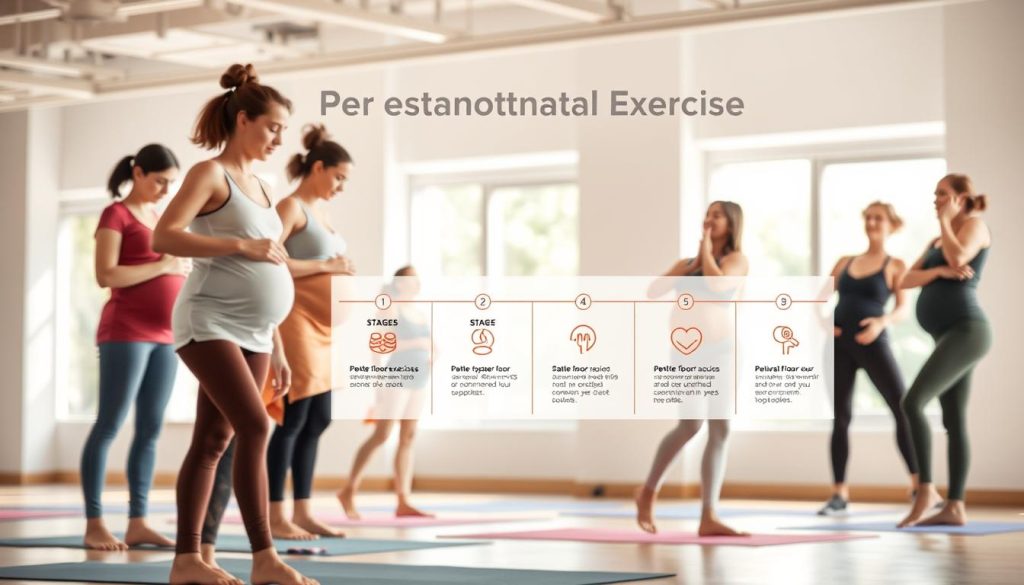
Core and pelvic floor first: deep breathing, bridges, bird dogs, and Kegels

First, breathe deeply for 5–10 minutes, 2–3 times a day. Pull in your lower abs when you breathe out. Then try bridges, bird dogs, pelvic tilts, and leg stretches. Pair these with Kegels after having a baby: tighten for 3 seconds, relax for 3, and do 10–15 reps in 3 sets every day.

Make sure you’re comfortable and in control with each exercise. This foundation helps with daily activities and future workouts.

Diastasis recti basics and when to seek PT

A gap in your belly muscles might pop up. Treat it gently. Many parents see it get better in the first year. If it doesn’t improve, or if your belly sticks out, see a therapist. They can offer a specific workout plan. In some cases, you might need surgery, as advised by your doctor.

Focus on doing each move correctly. Avoid anything that makes your belly poke out or makes you hold your breath.

From low impact to more: swimming after bleeding stops (4–6 weeks)

Start with walking and gentle yoga. After the bleeding stops, usually in 4–6 weeks, and with doctor’s okay, try swimming or water aerobics. These are good for your joints. If you had a C-section, wait until your cut has healed and your doctor says it’s okay.

Keep a pace where talking is easy. Slowly do more over time.

Target: 150 minutes/week moderate aerobic activity when cleared

Aim for 150 minutes of exercises like walking fast, biking, or swimming each week, as the CDC suggests. Combine this with short strength workouts twice a week. This helps keep your muscles strong. Have lighter days for rest. Change your plan based on how much sleep and energy you have.

Being regular is more important than hard workouts. You can split workouts into 10-minute parts. Fit them into your baby’s sleep or feeding times.

Nutrition That Fuels Recovery, Milk Supply, and Weight Loss

Postpartum nutrition should be easy, rewarding, and steady. Meals should boost energy, help with milk supply, and promote gentle weight loss. The Mediterranean eating style is perfect for busy days and suits everyone in the family.

Balanced plate: lean protein, high-fiber carbs, produce with high water content

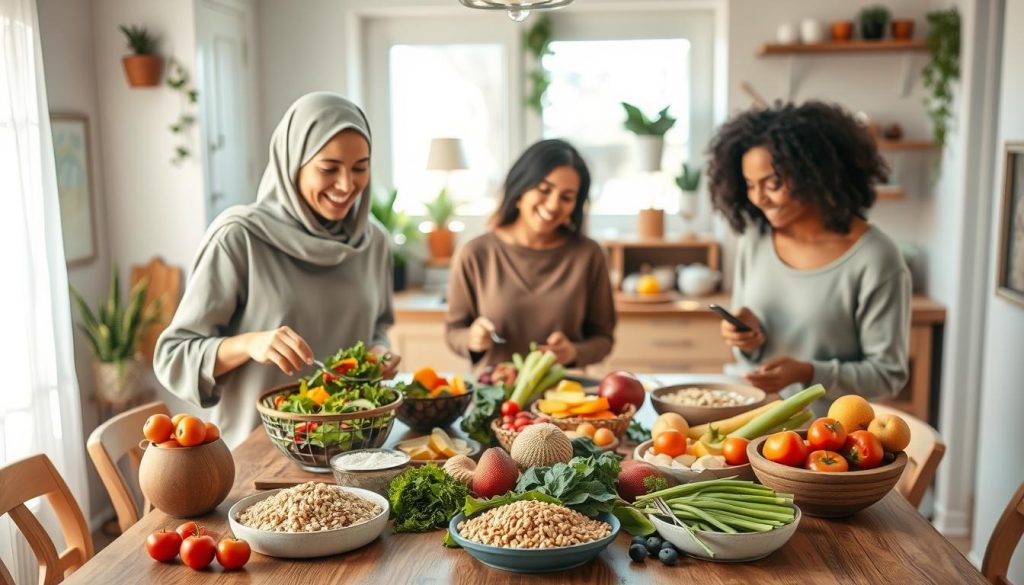
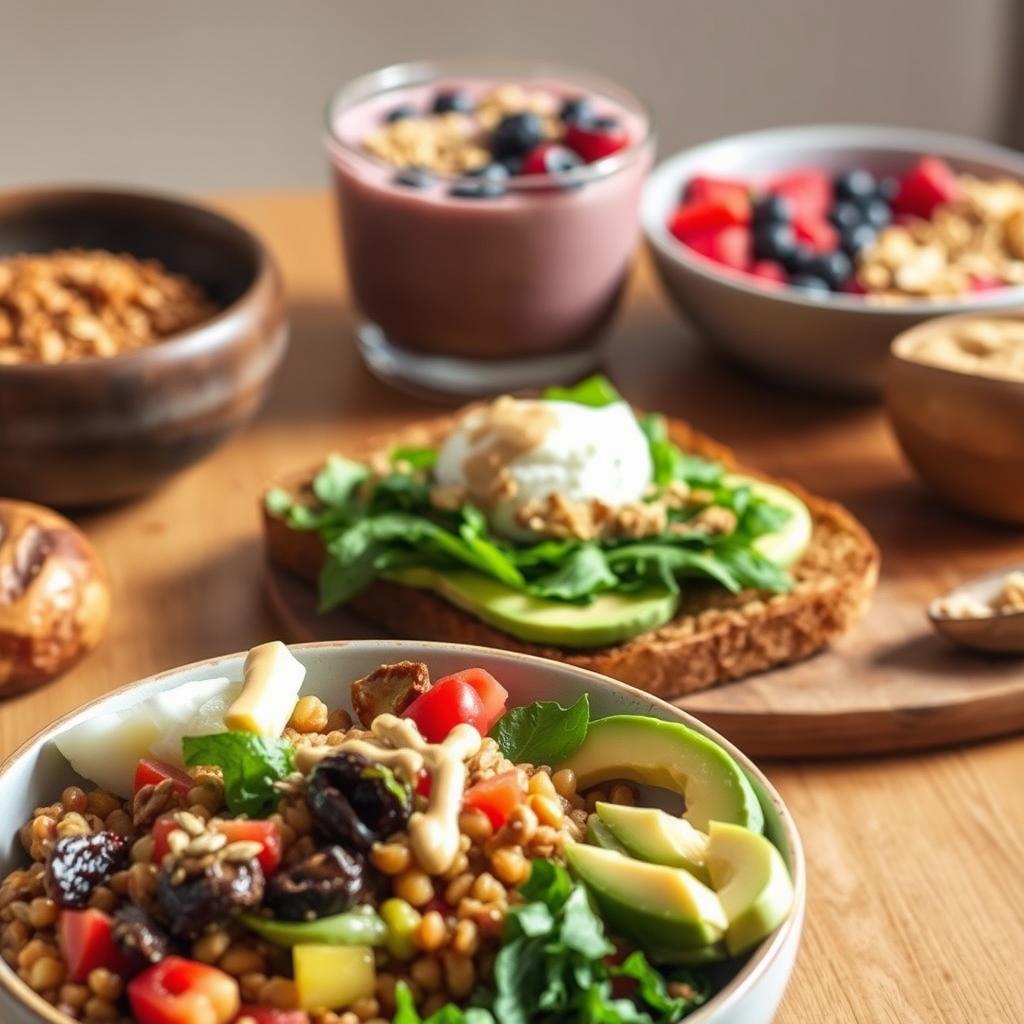
Make every plate with lean protein, high-fiber carbs, and colorful veggies. Foods like eggs, chicken, salmon, beans, Greek yogurt, and nuts repair tissue and fill you up. Including high-fiber options like oats, quinoa, whole-wheat pasta, berries, and greens helps with digestion and keeps appetite in check.

Eat foods with a lot of water, such as cucumbers, oranges, and watermelon, to stay hydrated and full. The Mediterranean diet includes olive oil, beans, fish twice a week, and lots of veggies. It’s affordable and simple to prepare meals in advance.

Breastfeeding needs: +300–500 calories and extra fluids

While breastfeeding, you might burn about 500 calories a day. Adding roughly 300 calories daily can help keep your milk supply steady. In the beginning, hunger may increase, and weight loss can be slow.

Focus on eating foods packed with nutrients. Keep snacks like string cheese, mixed nuts, hummus and carrots, Greek yogurt with granola, air-popped popcorn, and fruit within reach.

Hydration strategy: “drink when you nurse” and the 8×8 guideline

Remember to drink whenever you nurse. Following the 8×8 rule, which means eight 8-ounce glasses of water per day, is a good start. You may need more water if you’re breastfeeding or active, especially on hot days.

Switching a 20-ounce sugary drink for water cuts about 240 calories effortlessly. Try adding lemon, mint, or sliced berries to water for extra flavor.

What to limit: added sugar, refined carbs, highly processed foods, and alcohol

Avoid added sugars found in sodas, juices, pastries, and candy postpartum. Refined carbs, like white bread and crackers, can make you hungry soon after eating. Highly processed foods often have too much salt, sugar, and fats.

If you drink alcohol, think about the calories and plan your breastfeeding accordingly. Many parents find it simpler to skip alcohol or save it for special occasions.

Calorie deficits that work without crashing: about 500/day when appropriate

When you’re ready, reducing your daily calories by about 500 can help you lose about a pound each week. Combine eating fewer calories with some exercise. Keep protein, fiber, and water intake high to maintain energy.

Don’t miss meals. Prepare meals like sheet-pan chicken, roasted veggies, and quinoa ahead of time. Eat similar dishes twice. Adjust your food amount as you breastfeed less and listen to your body’s hunger signals.

Try to balance your plates, watch your portions, and drink lots of water throughout the week. These practices help make postpartum nutrition easier and support both you and your baby.

Stick-With-It Strategies When You’re Sleep-Deprived

First, focus on protecting your sleep. Taking short naps, splitting nighttime feeding duties, and cutting down on late-day caffeine can help your body recover and manage hunger better. These small changes can boost your motivation after having a baby and keep stress hormones low. Aim for bedtime routines that encourage sleep, such as dimming the lights and keeping nighttime feedings quiet.

Set achievable goals for yourself as a new mom. Choose a weekly exercise goal that you can hit even when you’re exhausted. You could do three quick workouts of 10 minutes each throughout the day. Options include walking with the stroller, doing a short yoga video, or using light resistance bands while the baby is nearby. Focus on counting the minutes rather than aiming for perfection to accumulate successes.

Try adding exercise into your daily tasks. Do squats while you’re heating up a bottle, calf raises when you brush your teeth, or lunges while doing laundry. When you need to get something upstairs, take an extra flight of stairs. These small steps can help you keep moving forward without using up too much energy or time.

Getting support is crucial. Some parents find motivation in group weight loss programs offered by hospitals, YMCA gatherings, or online groups on Facebook and Reddit. Others might prefer working out alone with a friend to check in with. Pick the approach that works best with your lifestyle and personality. This will help you look forward to being active.

Keep your diet simple. If you’re unsure about what to eat, consider taking photos of your meals, keeping a food diary, or using an app to track calories and nutrition, making sure it doesn’t affect your ability to produce milk. Eat regular meals, drink water with every feeding, and choose snacks that are high in protein and fiber. Taking small steps is better than trying to do everything perfectly.

Always listen to your body. If an exercise causes sharp pain, makes you dizzy, or leaves you feeling very tired, stop and take it easy instead. It’s okay to have days when you’re gentler with yourself. If you start feeling overwhelmed, anxious, or suspect you might be experiencing postpartum depression, get in touch with a healthcare provider, a dietitian, or a therapist for support. You can also contact Postpartum Support International at 800-944-4773 for assistance.

Ignore unrealistic expectations. Avoid posts about quickly losing baby weight or celebrity workout timelines. Choose activities that you enjoy, like going for walks with your baby, taking short Pilates classes, or joining mom-and-baby workout sessions. Enjoying what you do helps you stick with it, and that consistency will lead to results, even when you’re short on sleep and life is chaotic.

Conclusion

Let’s simplify the postpartum routine: aim for realistic goals, make sure you’re cleared by a doctor, and start slow. You’ll likely see a quick decrease in weight from childbirth due to losing fluids. Then, you’ll slowly get better day by day. Begin with easy exercises like deep breaths, bridges, bird dogs, and Kegels. These will help look after your core and lower body, which is crucial after a C-section. Stay away from jumping and tough stomach exercises until your doctor says it’s okay. Use the 10% rule to gently increase how long and hard you exercise.

A smart workout plan for new moms is all about short, doable sessions. You should try for 150 minutes of not-too-hard exercise every week, once your doctor agrees. Plus, add in some strength training and stretches. You can break this into three 10-minute parts, go for walks with the stroller, and keep your movements correct and safe. If you feel any bulging, pain, or leaking, stop and talk to your doctor or a physical therapist. They can check if you have diastasis recti or something else going on.

Good eating habits and daily routine are also key after having a baby. Choose foods high in lean protein, fiber, and water. If you’re breastfeeding and want to lose weight, drink a lot of water. A good tip is to drink whenever you nurse, plus follow the 8×8 rule. Only think about eating less—about 500 calories less—if your diet is full of nutrients. Try to eat less added sugar, white bread, processed food, and alcohol. This helps your recovery and keeps your energy up.

Losing weight after baby takes time, it’s more of a marathon than a sprint. Fit in short workouts, get as much sleep as you can, and ask for help from friends and family. Keep your goals realistic and focus on gaining strength, feeling good, and having more energy. With a little patience and the right approach, you’ll gradually get back on track. Your progress will lead to a strong and happy return to activity and overall health.


FAQ

What does “baby weight” include, and how much is typically lost right after birth?

“Baby weight” is the total of your baby, the placenta, the water around your baby, blood, extra breast tissue, a bigger uterus, and fat stores for birth and feeding. After birth, most people lose 10–13 pounds right away. This includes the weight of the baby, the placenta, and water. In the first week, you lose more weight as your body gets rid of extra fluid.

How long does it usually take to return to pre-pregnancy weight?

It can take up to a year to get back to your pre-pregnancy weight. In the beginning, you lose weight from less swelling and fluid loss. Then, you slowly lose fat. It’s normal to weigh more at one year. Focus on healthy habits, not speed.

What is a safe weekly rate of postpartum weight loss?

Losing 1–2 pounds a week is safe after having a baby. Losing too fast can affect your energy and milk for breastfeeding. Eating 500 calories less every day, with meals full of nutrients, helps you slowly but steadily lose weight.

How do recovery needs differ after a vaginal birth vs. a C-section?

After a vaginal birth, you might start moving gently within a few days if you feel okay. But a C-section is major surgery, so you’ll need more time to start being active again. Early on, avoid lifting anything heavier than 10 pounds and doing things that strain your belly until a doctor says it’s safe.

When should I start exercising after delivery?

Many wait for the six-week checkup before doing more exercise. If you had an uncomplicated vaginal delivery, you might start easy exercises sooner. Always listen to your healthcare provider’s advice, especially after a C-section or if there were complications.

What are good early low-impact exercises?

Begin with short walks, light stretching, breathing exercises, and simple yoga or tai chi. After 4–6 weeks, when bleeding has stopped and you have the okay from your doctor, try swimming or water aerobics. These are good for your joints and heart.

What symptoms mean I should stop and rest or call my clinician?

Stop if you have sharp pain in your belly or pelvis, heavy bleeding, feel dizzy, have discomfort from a wound, see your belly bulging, have worsening urine leaks, or feel very tired. Trust your body. If something feels wrong, take a break and get medical advice.

Which exercises should I avoid in the first weeks?

Don’t do crunches, sit-ups, lifting heavy things, running, deep backbends, pushups, or hard yard or house work that makes your belly strain. This helps your body heal and reduces pressure on your muscles.

How can I fit workouts in when I’m exhausted?

Break your workout into three 10-minute parts when your baby naps or you have help. Keep the intensity so you can still talk. Short workouts can be effective and are easier to keep up with when you’re tired.

Can I exercise with my baby?

Yes. Walking with a stroller is great cardio. You can also do floor exercises like bridges and gentle core moves with your baby close by. Some community centers and gyms have classes for moms with babies or childcare.

What is the 10% rule for safe progression?

Safely add to your workout by increasing time or distance by about 10% each week. For example, if you walked for 90 minutes this week, add 9–10 minutes next week. Always think about how you feel, how much you’ve slept, and how you’re healing.

What does a sample postpartum workout week look like after clearance?

Go for brisk walks most days, do strength training twice a week with light weights or body movements, and stretch or do yoga every day. Keep your effort moderate, checking that you can still talk while working out.

Which core and pelvic floor exercises should I start with?

Start with deep breathing, bridges, gentle stretching of your back and sides, small leg moves, and Kegels. Do these exercises three times a day. They help build strength for daily activities.

What is diastasis recti, and when should I see a physical therapist?

It’s when your belly muscles split apart and cause a bulge. Starting with gentle core exercises can help. If the gap doesn’t close by about a year, or if you feel pain or can’t do normal activities, ask your doctor about seeing a physical therapist.

When is swimming okay after birth?

You can start swimming about 4–6 weeks after giving birth, once bleeding has stopped and your doctor says it’s okay. Swimming is gentle on your body. If you had a C-section, you might need to wait longer.

What is the CDC’s exercise target for postpartum adults?

Try to do at least 150 minutes of activities like fast walking every week. Also, add some strength training. This helps your muscles and metabolism. Spread your exercise throughout the week.

What should my plate look like for recovery and weight loss?

Make sure your meals have lean protein like fish and chicken, high-fiber carbs like whole grains and fruits, and a lot of vegetables. Eating like this helps you feel full and energized.

How many extra calories and fluids do I need if I’m breastfeeding?

Breastfeeding uses about 500 calories a day. You might need 300 more calories than before to keep up your milk. Also, drink 5–8 cups more water a day. Remember to drink when you breastfeed.

What’s a simple hydration plan?

Drink eight 8-ounce glasses of water a day. Also, drink a full glass each time you nurse. Choose water over sweet drinks. Avoiding one sweet drink can save you about 240 calories.

Which foods and drinks should I limit?

Eat less sugar, white bread, and processed foods. These foods aren’t good for weight loss. Drinking alcohol can add calories and might affect your body fat. If breastfeeding, it’s safest not to drink alcohol. If you do, wait a couple of hours before breastfeeding.

What calorie deficit is safe without hurting my milk supply?

A 500-calorie deficit each day is okay. This might mean eating 300 fewer calories and burning 200 through exercise. This can help you lose about 1 pound a week without affecting your milk, as long as you eat nutritious food.

How can I eat well when I’m too tired to cook?

Make sure not to skip meals. Stock up on easy foods like yogurt with granola, nuts, veggies with hummus, and fresh fruit. Meal kits and online grocery shopping can also make things easier.

Does sleep really affect postpartum weight loss?

Yes, not getting enough sleep can make it harder to lose weight. Try to sleep when your baby sleeps. Share nighttime baby care if possible and avoid caffeine later in the day. Good sleep helps you recover, boosts your mood, and keeps your appetite in check.

Are group programs or apps helpful?

Many find that being part of a group, like a walking group or mom-and-baby class, helps them stay on track. Apps for tracking what you eat can also be useful. They help you see your food habits while making sure you eat enough, especially if you’re breastfeeding.

What mental health resources are available postpartum?

If you’re feeling down, anxious, or overwhelmed, talk to your doctor or a therapist. Postpartum Support International can also help at 800-944-4773. Taking care of your mental health is important and there’s help available.
Why Baby Weight Is So Hard to Lose

Why Baby Weight Is So Hard to Lose (And What Actually Helps Instead)

Struggling with postpartum pounds? Discover why baby weight is so hard to lose and

Losing baby weight isn’t just about willpower. It has more to do with biology and our new daily lives. Many new moms still wear maternity clothes for months after birth. This isn’t a sign of failure, but a normal part of losing weight after having a baby. It involves hormones, healing, and adjusting to a completely new routine.

The idea of quickly getting back to how we looked before is popular online. But, it doesn’t tell the whole story. Despite breastfeeding and setting weight loss goals, dropping pounds can be slow. Many women take around nine months or even longer to feel close to their pre-baby shape. A healthy weight loss rate is 1–2 pounds per week, not rushing with crash diets.

Here’s what I’ve discovered: hormones, sleep, and how we feed our baby are all connected. Stress can increase cortisol levels, and a lack of sleep can mess with how hungry we feel. Also, nursing might make us hungrier. While these factors can slow progress, they don’t prevent it. Yes, sleep and losing weight after baby are connected. Yet, small achievements are still progress.

So, I’m following a science-supported way to safely lose the baby weight. I pay attention to eating foods that are good for me, watching how much I eat, and drinking plenty of water (about two liters daily). I gently increase my exercise with walks, using the stroller, and slowly getting back into core and pelvic floor exercises. I make sure to get help so I can sleep better. Good sleep helps with recovery and keeps me motivated.

This series reveals what actually works: calm and sustainable habits that support healing, help maintain milk production if breastfeeding, and keep me feeling balanced. No tricks. Just simple, effective steps that I can stick with every day.

Postpartum Reality Check: My Friendly, Science-Backed Starting Point

I started with a postpartum reality check. My body just did something huge, and it needs time, fuel, and care now. The idea of snapping back quickly is common on Instagram, but it’s not what most people go through.

I’m letting myself take it easy and I’m following a realistic timeline. This timeline respects the healing process, sleep needs, and the stress of daily life.

Why “snapping back” is the exception, not the rule

It’s rare for someone to shrink overnight, although it might seem common. The whole snap back idea doesn’t consider genetics, recovery after giving birth, lack of sleep, or the demands of feeding. And while some think breastfeeding burns fat, it often just makes you hungrier and retain water.

I care more about how much energy I have, how my clothes fit, and if I’m getting stronger. I’m not focusing on looking perfect in photos.

How long healthy postpartum weight loss can realistically take

A postpartum timeline could take up to a year or more, which is fine. After six weeks, it makes sense to lose weight slowly rather than quickly. Safe weight loss after having a baby is about losing 1–2 pounds each week. This can be done by eating a little less and moving more, once it’s safe to do so.

I’m eating foods full of nutrients, making sure I get at least 1,600 calories. If I’m breastfeeding, I’ll need 300–400 extra calories. This way, I can lose weight without losing my milk. I’m not aiming for perfection, but looking for patterns and learning from them.

Why I’m focusing on gentle, sustainable changes (not crash diets)

Crash diets can make you lose energy and muscle and slow down your metabolism. They might even affect your milk and how you’re feeling. A better approach is to lift weights, go for walks, and get enough sleep, then slowly change what I eat.

My plan is straightforward: eat protein with every meal, lots of fruits and veggies, drink plenty of water, and walk every day. After I get the okay from my doctor, I’ll start to add more exercise. This way, I can lose weight slowly and still feel good.

Why Baby Weight Is So Hard to Lose

My expectations for a steady weight loss didn’t pan out the way I thought. The changes in my postpartum metabolism and daily routines took me by surprise. Now, I’m learning to adjust and be kind to myself without quitting.

The interplay of hormones, sleep loss, and breastfeeding

Dealing with postpartum hormones, not getting enough sleep, feeling hungrier, and breastfeeding can be tough. When I don’t sleep well, my body wants more food, even if I just ate. Because of breastfeeding, I might use more calories but still keep extra fat.

Even though prolactin helps with breastfeeding, it also makes me want to eat more. This, along with other changes, slows down losing fat while I look after my baby.

How stress and life changes shift my habits and metabolism

Taking care of a baby changes my eating habits, leading me to choose quick, energy-rich snacks. I’m also moving less and sitting more, which affects how many calories I burn. High stress increases my appetite, making it easier to snack than prep meals.

Lack of sleep really adds up, making me too tired to prepare healthy foods. This cycle keeps me hungrier and slows any progress in weight loss.

Why timelines differ and comparison steals motivation

Everyone’s experience with recovery is unique, depending on many factors like the type of delivery and available support. How we handle sleep loss, appetite changes, and breastfeeding differs for each of us.

Trying to match others’ weight loss seen on social media isn’t helpful. My focus should be on understanding my own body, allowing for healing at my own pace.

Hormones After Birth: Cortisol, Ghrelin, Leptin, and Prolactin Explained

After giving birth, my body handles a mix of hormones from breastfeeding and stress. This can make me feel hungrier and my energy levels more up and down. Knowing about these hunger hormones helps me understand my body’s needs without feeling bad.

Stress and cortisol: why feeling overwhelmed can drive hunger

On tough days, my body’s cortisol levels go up with each problem and task. This stress response makes me hungrier. Feeling both energetic and exhausted, I often choose quick energy foods. That’s a typical way to react to stress.

To manage, I take a moment to breathe and eat a snack with protein and fiber. This helps me feel more balanced throughout the day.

Ghrelin and leptin: sleep loss and appetite cues gone haywire

Lack of sleep messes with my hormones: my ghrelin increases and leptin decreases. This makes me feel hungrier and less full, even if I eat the same amount. I end up wanting more food but not feeling satisfied.

By starting my day with foods like Greek yogurt and oats, I don’t feel as hungry. This makes my mornings easier and I snack less.

Prolactin’s role in milk supply—and why my body may hold extra fat

When breastfeeding, prolactin helps make milk and may cause my body to store energy. This can lead to extra fat storage, slow weight loss, and increased hunger. If I stop nursing, these effects usually lessen in a few weeks.

Understanding this, I eat regular meals and drink plenty of water. This approach helps me deal with breastfeeding hormones. It also explains weight plateaus despite being active and eating right.

Sleep Deprivation and Weight Loss: What I Can Control

I can’t fix every early wake-up, but I decide how to react. Postpartum sleep affects weight, so I notice patterns and ease the idea of perfect. These small changes keep me balanced through the nights and mornings.

Sleep Deprivation and Weight Loss: What I Can Control

How fragmented sleep nudges me toward calorie-dense foods

Broken sleep brings on a quick hunger. Ghrelin goes up, leptin goes down, and suddenly I want snacks—nuts, sweets, and sugary drinks. When I’m tired, I eat more, which doesn’t help with losing weight from night feedings. It also makes me lose track of my true hunger.

Getting just a bit more sleep helps control cravings. This extra rest stops me from snacking all the time. It makes choosing healthier meals easier.

Small sleep upgrades that make a big difference

I try to go to bed 20–30 minutes earlier if possible. I dim lights, avoid my phone, and don’t worry about chores too much. These small actions support my sleep and weight goals after having a baby.

My partner and I take turns with feeding, or I pump early for a good sleep start. I also fit in short naps to boost energy. With a little more rest, I find it easier to eat well, choose water, and go for walks. These are sleep tips that can really help new moms.

Support systems that help me protect rest

I seek help for nighttime or early-morning wake-ups to sleep more. Help from family, sleep experts, or a night nurse for a short time can improve sleep. This support is essential after giving birth.

When I rest better, I feel happier and more active. This helps with losing weight from night feedings in a healthy way. The aim is steady, manageable progress that fights off sleep-deprived hunger and keeps me going.

Breastfeeding, Appetite, and Calorie Needs

Nursing makes me feel hungrier and changes what my body craves. My calorie needs change every day, just like my breastfeeding hunger. To stay energized, I focus on balanced meals without overthinking the calorie count.

How many extra calories I likely need when nursing

I usually add 300–400 extra calories a day for breastfeeding. On days when my baby feeds more, I need around 400–500 calories. I listen to my hunger and watch how much milk my baby drinks. Then, I adjust my meals to include protein, grains, fruits, veggies, and healthy fats.

Why dieting too hard can impact milk supply

Too much dieting can harm my milk production. When I eat too little, my milk supply drops. So, I make sure to eat enough carbs and drink plenty of fluids. I also snack if my baby feeds more often. This balanced approach doesn’t mess with my supply or make me too hungry.

Normalizing slower loss (and even plateaus) while breastfeeding

I remember that holding onto some weight is my body’s way of protecting milk production. It’s okay if my body keeps a few extra pounds. When weight loss slows down, I focus on eating nutrient-rich foods frequently. As my baby needs less milk, I slightly cut back on food to meet my new needs without worry.

Nutrition That Fuels Recovery (And Still Supports Loss)

I focus on simple and steady eating after giving birth. This helps me heal and feed my baby while still losing weight. I choose lean proteins, fruits, veggies, whole grains, and healthy fats. I then see how my body and energy levels react before changing anything.

Postpartum timing: when to stop “diet talk” and start gentle cuts

I wait six weeks before cutting calories. Then, I reduce my intake by no more than 500 calories a day, but never go below 1,600. If I’m breastfeeding, I add 300–400 calories. I focus on quality protein, fiber, and iron to maintain my milk supply.

As my routine changes, so does my diet. When night feedings become less frequent, I adjust my food portions and pay attention to hunger signals. Making changes slowly helps me maintain my energy and avoid overeating.

Portion control without deprivation

Controlling portions doesn’t mean eating less. Half of my plate is fruits or veggies, with a palm-sized portion of protein and a fist of grains or beans. I use less oil and creamy dressings, checking portions now and then to avoid mistakes.

To avoid snacking too much, I plan 3-4 meals and sit down to eat them. If I crave something, I choose healthy options like Greek yogurt, berries, nuts, or air-popped popcorn. These swaps help me stick to my nutrition plan.

Nutrient-dense meals, smart snacks, and hydration goals

I keep healthy foods like eggs, tuna, chicken, veggies, and grains at hand. This makes it easy to eat well and still cut calories gently. My kitchen setup supports my goal without feeling restrictive.

Drinking enough water is crucial for weight loss. I aim for 2-4 liters a day to keep my urine light yellow. Having water nearby stops me from eating when I’m actually thirsty, helping with portion control.

Movement That Works: From Incidental Activity to Strength Training

I plan my day with quick, easy movements. These help me stay energetic and reduce stress after having a baby. I remind myself to get up, stretch, or move every 45 minutes when sitting. This keeps my back in good shape and helps me burn calories.

Walking, stroller strides, and everyday “incidental” movement

I often walk, especially with the stroller. It turns simple errands into a workout. I also add more brisk walks when the path is flat. I find ways to move more at home, like dancing or walking rather than driving for close destinations. These small activities really add up.

I start with easy distances and then gradually push myself more. At home, I move around while on the phone and stand to do laundry. This keeps me active without feeling too tired.

Why lean muscle raises metabolism (without getting bulky)

Strength training after having a baby helps me strengthen my core and back. It increases my metabolism, so I burn calories even when resting. I use resistance bands, kettlebells, or just my body weight. I focus on doing each exercise slowly and correctly.

Doing strength exercises doesn’t mean I’ll get bulky. I aim for two to three short workouts a week. This includes exercises like squats and rows. As I get stronger, I slowly increase difficulty.

Mixing cardio, strength, and core to avoid plateaus

I mix up walking, intervals, and strength training to keep improving. If I repeat the same walk daily, it might stop being effective. So, I change how fast I go, the route, or how long I walk. Adding stairs or hills makes it more challenging.

Being consistent is key. Then, I gradually add in more challenging exercises. Mixing in different types of exercises keeps me moving forward. It helps me improve without overdoing it.

Safe Postnatal Exercise Timeline (With Pelvic Floor in Mind)

I map my postnatal exercise in phases to rebuild safely. I watch for warning signs, keep breath smooth, and progress at a good pace. This approach allows core rehabilitation postpartum to blend with daily life without rushing.

Safe postnatal exercise timeline with pelvic floor in mind

Weeks 6–8: doctor clearance and gentle, low-impact starts

After getting the 6-week clearance, I begin with short walks, diaphragmatic breathing, and activating my pelvic floor on exhales. Then, I carefully add heel slides, bridges, and side-lying clams with a focus on slow, controlled movements. Those who had a C-section should limit movement range and stop at any sign of discomfort.

Around 3 months: easing into resistance safely

By three months, I start using light dumbbells and bands. My goal is to keep reps crisp and free of pain. I link lifting with exhaling to increase stability and safeguard any stitches or scars. Core rehabilitation postpartum heads every set: I maintain tall posture, gently brace, and follow clean movement patterns.

Around 6 months: when HIIT may be appropriate—if foundations are solid

Near six months, I check for leaks, heaviness, or doming before trying anything. If all’s good, I test short interval sessions before fully engaging in postpartum HIIT. Any signs of distress, I go back to low impact and build strength until my foundation is reliable.

Pelvic floor and core activation cues I use every workout

I visualize a sling from tail to pubic bone. On exhaling, I lift inward and then forward, like stopping wind and urine flow, but without tightening my glutes or jaw. That gentle lift and a slight wrap of the lower belly are key cues. I use them in every rep to aid core rehabilitation postpartum and ensure steady progress.

Noticing pelvic pressure or leaks prompts me to lower impact and load. I go back to focusing on pelvic floor activation led by breath and only pick up the pace when symptoms improve. This way, my progress remains steady beyond the 6-week clearance and gears me up for any postpartum HIIT later.

Second (or Third) Baby Realities: What Changed for Me

Recovering from my first baby was one thing. My body reacted differently after more pregnancies. My abs and skin stretched out more, making jeans tight for longer. I relied on good habits—eating regularly, staying hydrated, and taking walks. And I gave myself extra time to heal.

Why recovery can feel slower after multiple pregnancies

The recovery journey was longer after my second child. The core muscles need more care after you’ve had more kids. I had to ease up on exercise when I saw bulging in my belly. I took deep breaths and let weight loss happen slowly.

Juggling kids, more incidental movement, and less sleep

Running after a toddler kept me on the move, which sometimes helped me lose weight. But I was getting less sleep, and finding time for formal exercise was hard. I celebrated small successes—walking with the stroller, playing on the floor, and carrying groceries. I kept snacks simple and water handy.

Core strength, pelvic stability, and delaying impact work

In the beginning, my pelvis and lower back were sore. I worked on keeping my pelvis stable with easy core exercises and strengthening my glutes. I waited to run or jump until I could tense my core without pain. This focus helps build a stronger core for any future pregnancies.

Mindset, Motivation, and Practical Tips I Lean On

I keep things simple and kind in my postpartum journey. I focus on small steps that fit my real-life needs, not perfect images. If I stray, I go back to basic activities that keep my day stable and make me feel strong.

Setting realistic goals and ditching celebrity “bounce back” myths

After giving birth, I set achievable goals, like slowly losing weight over months. I ignore stories of celebrities quickly getting back in shape. They often have help and coaches. I keep track of what I can manage—drinking water, walking, and eating protein. This way, my progress doesn’t stop, even if I don’t lose weight for a bit.

Cutting back on grazing and high-calorie snack traps

When I’m tired, avoiding snack traps is tough, so I plan. I choose fruits, veggies with hummus, Greek yogurt, turkey, or oats with chia. I watch the amount of oils, measure my nuts, and always have fiber-rich foods handy. Using a plate helps me not eat without thinking.

I try to have three to four balanced meals to keep hunger at bay. If I’m really hungry between meals, I eat something like cottage cheese with berries. This keeps my energy up and stops cravings.

Planning simple meals, staying hydrated, and moving often

I aim for meal plans that are easy, quick, and nourishing. I like to have eggs with toast, salmon and rice, beans with tortillas, and chicken with veggies. I prepare once, then use different combinations throughout the week.

Drinking enough water is key for me, so I always have a bottle close by. I aim for two liters a day and check if my pee is pale yellow. I fit in movement whenever I can: quick walks, using the stroller, doing chores, or just standing up more. If I stop seeing results, I add variety to my exercises, include my family for support, and make sure I go to bed on time.

Conclusion

Baby weight can be stubborn for many reasons. Stress can increase cortisol, while bad sleep affects our hunger hormones. Also, breastfeeding may cause our bodies to keep extra fat. This explains why losing weight while breastfeeding feels slow. Safe weight loss means dropping 1–2 pounds a week. For some, the weight sticks until they stop breastfeeding.

My plan after giving birth is simple yet effective. I focus on eating foods rich in nutrients, drinking plenty of water, and avoiding quick fixes. While breastfeeding, I make sure to eat a bit more, then cut back slightly later. I trust these methods because they keep me energized and healthy without risking my milk production.

I stay active in realistic ways. Starting with daily walks and stroller outings, I slowly add more challenging exercises. I only tackle high-intensity workouts when I feel fully prepared. This balance of exercise and good eating keeps me going without feeling overwhelmed.

Being patient and taking small steps every day are key. With help from my healthcare providers and family, I grow stronger and maintain my health while achieving my objectives. This method allows me to recover, enjoy time with my baby, and see lasting results.

How I Lost Baby Weight Without Dieting

How I Lost Baby Weight Without Dieting: 7 Gentle Habits That Actually Worked

Discover my journey on how I lost baby weight without dieting, through 7 simple

I didn’t obsess over food or rely only on shakes. Instead, I found a way to lose weight that fit my new role as a mom. My strategy involved staying active, eating simple meals, sleeping when I could, and asking for help. Here’s my journey of losing baby weight without strict diets, while taking good care of myself.

I aimed for gentle weight loss, not a quick fix. Studies suggest many new parents don’t lose the extra weight within a year. So, I decided to go slow. Following advice from the CDC, I did moderate exercises for 150 minutes a week once I had the OK from my doctor. I also made healthier food choices, rather than drastic diet changes, to gradually lose the weight.

Breastfeeding helped, yet it wasn’t a cure-all. My focus was on foods rich in protein and fiber, with less sugar and processed carbs. By keeping healthy food within sight and junk food hidden, I made better choices. Following guidelines for a safe 500-calorie deficit daily, I took small, steady steps. This meant no exact calorie counting, just being mindful about my eating and drinking water first.

The seven habits I followed were simple and forgiving. They allowed me to lose baby weight gently, with no harsh dieting. For those looking for a gentle approach, this guide shows what helped me. It details how to lose baby weight in a safe, peaceful way, one small decision at a time.

My Postpartum Reality: What Baby Weight Really Is and Why It’s Okay

I often wondered about baby weight and if my body was permanently different. I found out baby weight is made up of the baby, placenta, amniotic fluid, extra breast tissue, more blood, a larger uterus, and extra fat for birth and breastfeeding. This knowledge helped me respect my body’s intelligence and protective nature.

Understanding normal pregnancy weight gain and “baby weight”

The CDC’s guidelines on pregnancy weight gain were helpful. If you start at a healthy BMI, you might gain about 25–35 pounds. I discussed my specific range with my doctor, learning why almost half of us gain more than expected. This understanding made my early postpartum days feel less fear-filled.

Once I grasped what my body had crafted, patience with myself came more easily. The body’s reserves shift slowly, influenced by hormone adjustments, changes in milk supply, and a return to activity. Some weight is lost quickly; other times, it takes longer.

Why returning to a healthy weight matters for long-term health

I aimed for a healthy weight postpartum to stay energetic and protect my health. Keeping a higher weight postpartum is linked to a higher risk of diabetes, heart disease, and issues in later pregnancies. Quick fixes weren’t the answer. Instead, I focused on supportive measures for sleep, mood, and energy during recovery.

My concern shifted from the scale to my overall well-being: energy, blood sugar levels, and physical strength. Listening to my body guided my recovery more effectively than any strict diet could.

Setting realistic expectations in the first year postpartum

I set realistic goals for the first year after giving birth. Many people end up heavier than they were pre-pregnancy, with some retaining 10–20 pounds. A slow, steady approach over one to two years seemed right for me, considering my initial weight gain, recovery pace, and lifestyle.

Focusing on small, consistent habits made a difference. I valued my body’s functionality over unrealistic ideals, trusted the journey, and embraced a human timeline. This mindset eased pressure and made my objectives achievable.

How I Lost Baby Weight Without Dieting

I chose a slow, kind path. I set simple goals during the newborn phase. Steady meals, movement, and giving my body time were key.

Why I skipped crash diets and focused on gentle, sustainable habits

I avoided crash diets after giving birth because my body needed proper nourishment. Low-calorie plans were tempting but left me feeling weak. Instead, I built sustainable habits: eating regularly, including protein, and walking when I could.

Research supported my approach. Exercise improved my mood, and smart nutrition alongside it made a real difference. Bit by bit, these small choices built up, avoiding extremes.

Listening to my body while honoring recovery and energy needs

I embraced intuitive eating to tune into my hunger, fullness, and cravings. If progress stalled, I’d snap a pic of my food for portion control and kept healthy snacks handy. This gentle method ensured I ate well without strict dieting.

To safely lose weight while breastfeeding, I aimed for a slight calorie deficit. I made simple swaps to cut about 300 calories and relied on activity for the rest. Some months, my weight didn’t change, but that was fine. My focus was on healing and maintaining a good milk supply.

Working with my healthcare provider for timing and safety

I waited for my doctor’s okay before increasing exercise post-birth. They considered my health and postpartum recovery before approving longer walks and some strength training. This plan matched my fitness level and helped me avoid injuries.

We settled on a realistic pace for losing weight. A modest cut in calories and regular exercise felt right. If I ever felt too tired, we’d reassess. This teamwork made me feel supported and helped me recover properly.

Habit One: Gentle Movement That Fits Postpartum Life

I waited to start exercising until my doctor said it was okay. This is because safe exercise depends on how well you’ve healed. Once I could, I chose simple activities. Doing a little each day made a big difference for me.

Starting with walks and low-impact cardio after medical clearance

I planned walks that I could take with a stroller close to home. I included easy exercises like walking fast, cycling gently, or doing light exercises. These activities helped me get fit without hurting my joints. I watched out for any signs that I was pushing too hard and slowed down if needed.

If I didn’t sleep well, I’d exercise less but still keep it up. Even 10 to 20 minutes improved my mood and heart health. For me, being consistent was more important than going fast or far.

Layering in short resistance sessions to protect muscle and metabolism

Then, I started doing exercises like squats, bridges, and modified push-ups. I did these for short periods, maybe when my baby was napping. Even light weights or resistance bands were effective without being too much.

These quick workouts helped me maintain muscle and keep my metabolism up. They also made daily tasks and caring for my baby easier.

My weekly rhythm aligned with CDC guidance for postpartum activity

I aimed to meet the CDC’s recommendation of 150 minutes of exercise per week. I mostly walked and added a few short strength training sessions. This plan was safe after both C-sections and natural births, as long as I had medical approval.

When I felt more energetic, I added more walks or a longer bike ride. During tough weeks, I broke the sessions into smaller parts. This approach was gentle and suited my recovery process.

Habit Two: Nourishing Without Dieting

I changed my meal-building approach, focusing more on whole foods for postpartum nutrition. This helped me heal, maintain energy, and still enjoy eating with my family. Simple changes and smart meal timing made everything easier, even on the busiest days.

Habit Two Nourishing Without Dieting

Prioritizing protein to stay full and support recovery

My meals focused on protein first. High-protein foods like eggs, Greek yogurt, and salmon were my go-tos. This approach helped control hunger and support my recovery.

Breakfast often was a veggie omelet with avocado. Lunch could be turkey on sprouted grain bread and a side of edamame. Dinner varied between fish, lean beef, or bean chili. Sticking to this principle made me feel full without any strict diet rules.

Adding fiber-rich foods to naturally tame hunger

I added colorful and crunchy fiber-rich foods. Foods like berries, leafy greens, and oats kept me full longer. They slowed down digestion, which let me feel more comfortable between meals.

Making small changes made a big difference. Adding chia to yogurt or oats to smoothies worked well. Increasing fiber daily complemented the protein in my diet and made me snack less.

Keeping healthy snacks visible and processed foods out of sight

The snacks I saw first were the ones I ate. I made healthy options like cut veggies and roasted chickpeas easily accessible. Unhealthy snacks like chips were kept out of sight, or I didn’t buy them at all.

To eat less sugar and refined carbs, I made simple swaps. Soda became sparkling water, and I chose plain yogurt instead of sweetened ones. Picking whole grains over refined options helped me stick to a healthy, whole-foods diet without feeling restricted.

Habit Three: Breastfeeding, Hydration, and Energy Balance

I built my routine around simple habits, not tough rules. I watched my diet and how it connected with breastfeeding. Experts like WHO and the CDC suggest feeding babies this way for at least half a year. That advice helped me set a good speed for losing weight after birth.

How breastfeeding supported my loss after the early months

The first few months didn’t show much weight change. I needed more calories, moved less, and focused on recovery. But over time, breastfeeding began to aid my weight loss, fitting into my slow and steady plan.

Staying hydrated to feel better and avoid sugary drinks

Drinking enough water made a big difference while I was breastfeeding. I followed the 8×8 rule for water intake and drank more when I was very active or nursing a lot. Choosing water over a sugary drink once saved me about 240 calories. This helped me steer clear of sweet drinks without missing them.

Even though studies on water boosting metabolism are varied, staying hydrated is key during breastfeeding. I always kept water close, enjoyed unsweetened sparkling water for a change, and established a drinking routine that was easy to follow.

Gently adjusting calories without strict tracking

To manage my energy levels, I aimed for a small calorie reduction—around 500—while still feeding my baby. I didn’t obsess over every meal. When I needed to get back on track, taking food photos or briefly noting what I ate helped me adjust without stress.

This method felt gentle and fair. It kept my milk production stable, let me listen to my body, and helped me progress at a reasonable pace every day.

Habit Four: Sleep, Stress, and Support Systems

I quickly realized rest isn’t just nice to have—it’s essential. Not enough sleep can lead to keeping on weight, so I saw sleep as my medicine. Whenever possible, I took naps and had family help with chores. If I felt down or anxious, I talked to my doctor. I also kept the number for Postpartum Support International, 800-944-4773, saved in my phone. I made a rule: sleep first, everything else second.

Habit Four: Sleep, Stress, and Support Systems

I cut down on using my phone before bed and didn’t stick to a strict bedtime. Having a dark room, using a fan, and keeping feeding supplies close saved time. These steps helped, and I soon felt more energized.

I always had water close by to stay hydrated without really waking up.

Drinking alcohol slowed my recovery. I decided to drink less while breastfeeding because, according to the CDC, not drinking at all is safest. Not having alcohol cut out empty calories and improved my sleep. I also ate less refined carbs and more oats, beans, fruits, and yogurt. This helped control my hunger and reduced tiredness in the afternoon.

Changing my food wasn’t about being strict. I ate proteins with fiber to feel full longer, like eggs and avocado or yogurt and berries. On busy days, I had ready-to-eat veggies and nuts. Paying attention to how food affected me helped me choose what to eat.

Support was key, just like changing what I ate. I joined groups for moms to share advice and laugh off tough moments. For losing weight, easy-going support worked best for me—like texts with a friend or sharing updates in a private group online. Studies show groups can be as good as going it alone, and I found that true. Feeling connected helped me stick with it without adding stress.

I also got help at home. My partner would take over feeding in the morning, letting me sleep a bit more. Walking with a neighbor twice a week provided mild exercise and a chance to chat. All these efforts created a routine that valued rest, minimized stress, and encouraged gradual improvement.

Putting It Together: A Day-in-the-Life of These Seven Gentle Habits

I begin my day after giving birth with a big glass of water, then coffee. I aim for eight glasses of water a day. For breakfast, I eat something simple and rich in protein. I might have eggs with oats and berries or Greek yogurt with fruit. After getting the okay from my doctor, I take a stroller walk. It’s a great way for me to do some light cardio and get fresh air.

By mid-morning, I make sure to have a healthy snack ready. I choose veggies with hummus or a few almonds. I avoid drinks with sugar and pick water or unsweetened sparkling water. This schedule of gentle habits helps me keep on track without obsessing over food.

Lunch is all about protein and fiber for me. I might have a chicken and bean salad, tuna with quinoa, or quick lentil soup. I try to eat fewer refined carbs to keep my energy up. I use olive oil, lemon, and herbs to make everything tasty.

In the afternoon, I fit in short exercise sessions. I do a mini workout with bodyweight squats, counter pushups, and band rows. I can do these during naptime or playtime. These short workouts help me meet the CDC’s goal of 150 minutes of activity a week.

Late in the day, I check how hungry I am. Keeping a photo diary on my phone helps me watch portion sizes. I drink water and take a moment to see if I’m actually hungry or just tired.

For dinner, I make sure my plate is balanced. I choose salmon or black beans, lots of veggies, and a whole grain or something like sweet potato. I limit my alcohol intake and plan snacks for the next day. This helps me avoid processed snacks.

At night, I make sure to get enough sleep by asking for help with feeding or dishes. If I’m nursing, I remind myself to be patient with changes in my body. I reach out to a friend or an online group for support. This makes sticking to my gentle habits easier.

The routine can change, which is normal with a new baby. I focus on staying hydrated, eating whole foods, and doing short, easy exercises. This approach helps me adapt without stress and includes both the stroller walks and some strength training.

Conclusion

My journey after having a baby taught me patience is key. Many parents still have extra weight after a year. Learning this from the CDC took some stress away. It let me take my time to slowly lose the baby weight.

Crash diets were a no-go for me. I focused on daily choices for weight loss without strict diets. I ate more protein and fiber. Kept healthy snacks around. And I cut down on sugar and processed foods, following NIH advice. Drinking more water helped cut down on sugary drinks too.

If I was breastfeeding, I followed the Academy of Nutrition and Dietetics’ advice. I didn’t cut calories too much, just about 500 a day. This helped even when milk production affected my weight.

I kept my workouts simple. After my doctor said it was okay, I started walking and doing low-impact exercises. I slowly added resistance workouts to keep my muscles strong, as the CDC suggests. Sleep was important, and I kept alcohol intake low. This is crucial when breastfeeding, according to the CDC. When stress got high, I asked for help. I also knew I could call Postpartum Support International at 800-944-4773 for mental health support.

Mixing good nutrition with exercise worked best. Studies show they’re better together than alone. I chose routines that matched my actual life, ones I could keep up with. With time and steady effort, I found a way to lose the baby weight gently. It became a normal part of my life, not a race. This way, I got back to a healthy weight and can keep it off.

FAQ

How much pregnancy weight is normal, and what exactly counts as “baby weight”?

Baby weight comes from the baby, placenta, amniotic fluid, plus more. These include extra breast tissue, more blood, a bigger uterus, and fat for energy. For a single baby, gaining 25–35 pounds is normal if you start at a healthy weight. My healthcare worker and special tools helped me find the right goal for me.

How long did it realistically take me to lose baby weight?

I gave myself 1–2 years to lose the weight gently. Most women were still heavier a year after giving birth. Knowing this made me stress less and focus on healthy habits over meeting a deadline.

Why did I avoid crash diets after birth?

My body needed good food to heal, especially with the extra calories needed for breastfeeding. Eating about 500 calories less each day was safe and helped me lose about a pound a week. This way, I felt good and could keep it up.

When did I start exercising, and what did I do first?

I waited for my doctor’s OK, then started with gentle cardio like brisk walking. I built up to 150 minutes of moderate exercise each week, as the CDC recommends. Even short walks helped me recover and stay active.

How did strength training fit into postpartum recovery?

I did short, easy workouts like squats, modified push-ups, and using light weights. This helped maintain muscle, boost my metabolism, and make me feel stronger. Combining this with healthy eating gave me even better results.

Did breastfeeding help me lose weight?

At the start, no, because I was hungrier and less active. But later on, breastfeeding did help with slow weight loss and brought health benefits for me and the baby. I listened to the CDC’s advice and kept my goals flexible.

What did I eat to stay full without strict dieting?

I focused on protein like eggs, chicken, and fish, and added plenty of fiber from veggies and whole grains. Eating protein and fiber helped me feel full longer and kept my energy up.

How did I handle added sugar, refined carbs, and ultra-processed foods?

I cut down on sugary drinks, pastries, and fast food to eat less calories. Eating more whole, barely processed foods helped me control hunger better and eat fewer calories.

What simple snack strategy worked best for me?

I kept healthy snacks like veggies and hummus, nuts, and Greek yogurt easy to grab, and hid the sweets. This trick helped me make better snack choices when I was too tired or hungry to think much about it.

How did I adjust calories without counting every bite?

By eating a bit less and moving more, I aimed for a ~500-calorie drop each day. If I hit a plateau, I’d check my food intake for a few days to adjust. This approach was easy to stick with.

What about hydration and alcohol while breastfeeding?

Drinking plenty of water and less sugary drinks was my goal, helping me cut about 240 calories daily. While breastfeeding, I barely drank alcohol, following the CDC’s advice for safety.

How did I manage sleep and stress with a newborn?

I tried to nap when I could, asked for help, and kept evenings quiet. Not enough sleep can make it hard to lose weight. When stress or sadness was too much, I talked to my doctor or a support group.

What weekly workout rhythm matched CDC guidance?

I mixed in stroller walks, biking, and short workouts to meet the 150-minute exercise goal. This plan was easy to fit into my busy days and got me moving regularly.

How did social support make a difference?

Talking with friends and joining a mom group online helped a lot. Being part of a group can really boost success. This support kept me going even on hard days.

What if I gained more than the CDC’s recommended range?

Many women gain more weight than recommended. I focused on slow, kind changes to my habits. Eating protein, getting enough sleep, and moving more helped me lose weight gradually without feeling overwhelmed.

Are there specific tools I used to personalize goals?

I used special tools and talked with my doctor to make a plan that fit me. This plan considered different factors like how I gave birth and whether I was breastfeeding.

What’s a simple day-in-the-life that worked for me?

I started with water and a protein-rich breakfast, then went for a walk. I snacked on fiber-rich foods and had a balanced lunch. I fit in a quick workout while the baby napped. Dinner was healthy, with less alcohol, and I prepped snacks for the next day. This routine was both doable and good for my new mom life.
Christmas Protein Doughnuts

Easy & Healthy Christmas Protein Doughnuts: Festive High-Protein Treats Anyone Can Make

Indulge in festive snacking with my easy recipe for Christmas Protein Doughnuts! Perfectly healthy,

I wanted to make a holiday treat that was cozy and rich yet healthy. So, I made Christmas Protein Doughnuts in two styles. One is a fruitcake-style that’s low in fat and full of spices. The other is a gluten-free chocolate doughnut that tastes like classic cake donuts. All without refined sugar and baked at 350°F for a soft bite.

The protein fruitcake doughnuts use Quest Nutrition Vanilla Whey-Casein or Multi-Purpose mix. They’re about 101 calories each with 7.4g of protein. With warm spices and dried fruit, they make the kitchen smell festive. They are great for sharing as high-protein or low-fat holiday treats.

For chocolate protein doughnuts, I use almond flour, whey, dutch cocoa, and Besti Monk Fruit Allulose Blend. They’re topped with a sugar-free milk chocolate glaze, coming to about 205 calories and 6.8g protein each. Both kinds should be mixed just right to keep them soft. They stay fresh on the counter for 2 days, in the fridge for 5, or frozen for 2 months.

This article will show you how to make these no-stress, sugar-free doughnuts at home. You’ll get tips, festive ideas, and easy steps. Whether it’s protein fruitcake or chocolate doughnuts, they’ll taste like a holiday celebration.

Why I’m Obsessed With Baking Protein Doughnuts For The Holidays

December mornings are special with healthy Christmas donuts that are tasty and fit my diet. Using protein powder in baking gives me a cozy treat minus the sugar crash. These donuts combine holiday flavor with nutrition, making me bake them over and over.

Christmas Protein Doughnuts (Two Festive Styles)

Yield

  • Fruitcake Protein Doughnuts: 12 doughnuts

  • Chocolate Protein Doughnuts: 8–10 doughnuts (depending on pan size)

Oven Temperature

  • 350°F (175°C) for both recipes

1️⃣ Fruitcake-Style Protein Doughnuts (Low-Fat, High-Protein)

how to bake protein donuts festive method

Soft, lightly sweet, and packed with warm holiday spices and dried fruit. These smell like Christmas while baking and make an easy high-protein breakfast or snack.

Ingredients

Wet Ingredients

  • ½ cup unsweetened applesauce

  • ⅓ cup unsweetened almond milk

  • ¼ cup non-fat Greek yogurt

  • 1 large egg

  • 1 tbsp melted butter (or light butter alternative)

  • 1 tsp vanilla extract

Dry Ingredients

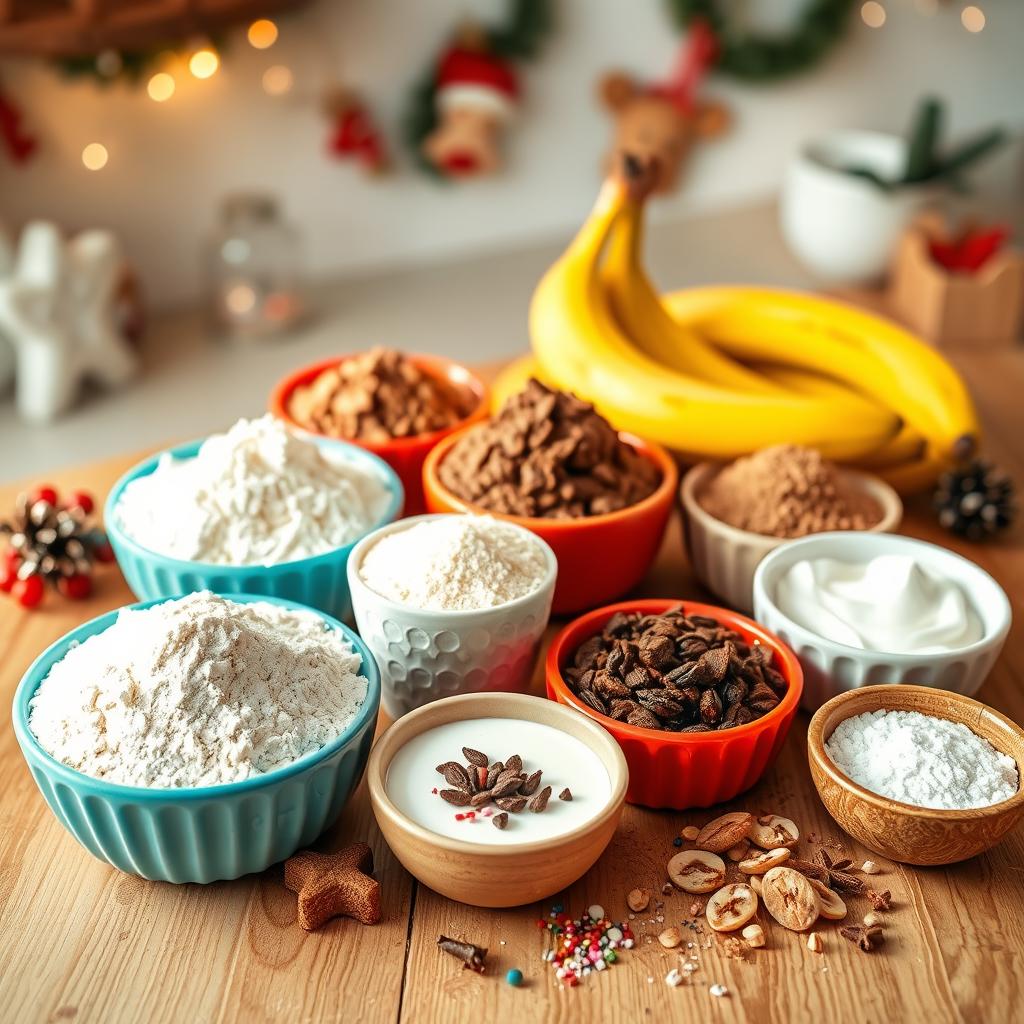
  • ½ cup whole wheat pastry flour

  • ½ cup Quest Vanilla Whey-Casein or Quest Multi-Purpose Protein

  • ½ tsp baking powder

  • ¼ tsp baking soda

  • 1½ tsp ground cinnamon

  • ¼ tsp ground nutmeg

  • ¼ tsp ground cloves

  • ¼ tsp ground ginger

  • Pinch of salt

Mix-Ins

  • 14g dried cherries, finely chopped

  • 14g dried cranberries, finely chopped

  • 14g dried apple rings, finely chopped

  • 14g dried pineapple, finely chopped

  • 1½ tbsp chopped pecans (reserve a little for topping)

Instructions

  1. Prep
    Preheat oven to 350°F. Lightly spray a 12-cavity donut pan with avocado or non-stick spray.

  2. Mix Wet Ingredients
    In a bowl, whisk applesauce, almond milk, Greek yogurt, egg, melted butter, and vanilla until smooth.

  3. Mix Dry Ingredients
    In a separate bowl, whisk flour, protein powder, baking powder, baking soda, spices, and salt.

  4. Combine
    Gently fold dry ingredients into wet ingredients until just combined. Do not overmix.

  5. Add Fruit & Nuts
    Fold most of the dried fruit into the batter. Sprinkle a little fruit and pecans into each donut cavity, then pipe or spoon batter over the top.

  6. Bake
    Bake for 12–14 minutes, or until a toothpick comes out clean or with a few moist crumbs.

  7. Cool & Flip
    Let cool in the pan for 5 minutes, then flip onto a rack so the fruit-and-nut side shows.

Nutrition (Approx. per doughnut)

  • Calories: ~101

  • Protein: ~7.4g

  • Low fat, no refined sugar

2️⃣ Gluten-Free Chocolate Protein Doughnuts (Cake-Style)

Rich, soft, and chocolatey — these taste like classic cake donuts but stay sugar-free and gluten-free.

Ingredients

Dry Ingredients

  • ¾ cup almond flour

  • ¼ cup whey protein (unflavored or chocolate)

  • ¼ cup Dutch-processed cocoa powder

  • ⅓ cup Besti Monk Fruit Allulose Blend

  • 1 tbsp psyllium husk powder

  • 1 tsp baking powder

  • Pinch of salt

Wet Ingredients

  • 2 large egg whites

  • 1 tbsp melted butter or coconut oil

  • 1 tsp vanilla extract

  • ½ cup boiling water

Instructions

  1. Prep
    Preheat oven to 350°F. Spray donut pan lightly.

  2. Combine Dry Ingredients
    Whisk almond flour, whey protein, cocoa powder, sweetener, psyllium, baking powder, and salt.

  3. Add Wet Ingredients
    Stir in egg whites, melted butter, and vanilla. Slowly add boiling water while mixing until a thick batter forms.

  4. Rest Batter
    Let batter sit for 5 minutes to thicken naturally.

  5. Pipe & Bake
    Pipe batter into donut cavities (about ¾ full).
    Bake for 15–18 minutes, until set.

  6. Cool
    Cool in pan for 5 minutes, then transfer to rack.

Optional Sugar-Free Chocolate Glaze

  • ¼ cup sugar-free milk chocolate chips

  • 1 tsp coconut oil

Melt together gently and dip cooled doughnuts. Let set before serving.

Nutrition (Approx. per doughnut)

  • Calories: ~205

  • Protein: ~6.8g

  • Gluten-free, sugar-free

Storage & Make-Ahead Tips

  • Counter: 2 days (covered)

  • Fridge: Up to 5 days

  • Freezer: Up to 2 months

Freeze doughnuts individually first, then store in freezer bags. Thaw at room temperature for best texture.

Conclusion

I’ve got two great ideas for Christmas Protein Doughnuts that really fit our lives and health goals. Let’s start with the no-sugar-added fruitcake donuts. They’re only 101 calories and pack 7.4g of protein each. To make them, I use whole wheat pastry flour, a whey–casein blend from Quest Nutrition, applesauce, Greek yogurt, and tasty spices. We add dried cherries, cranberries, apples, pineapple, and pecans for flavor. Mixing gently keeps the dough soft, and they taste just like the holidays, but healthier.

Next up are my gluten-free chocolate donuts, at 205 calories and 6.8g protein each. For these, almond flour, whey protein, cocoa, psyllium, and Besti Monk Fruit Allulose Blend are my go-tos. Then, I top them with a sugar-free milk chocolate glaze. You can bake both types at 350°F. They stay fresh for days—or even months—making them perfect for prep ahead of time.

These high-protein desserts fit perfectly into my daily routine—be it for breakfast, dessert, or after a workout. They offer the rich flavors of fruitcake or classic chocolate donuts without a sugar crash. The texture remains consistent, the ingredients clean, and they store well. My Christmas Protein Doughnuts make balance feel like a treat during the holidays.

Whether I’m in the mood for fruitcake or chocolate doughnuts, making them is simple. The flavors are authentic, and I always end up with delicious results. They’re a key part of my holiday baking each year. Plus, having them ready means I’m set for both busy mornings and relaxing evenings.

Christmas Protein Doughnuts Recipe

Quick Christmas Protein Doughnuts Recipe: Guilt-Free, Healthy Holiday Snack

Indulge in a festive treat with my quick Christmas Protein Doughnuts Recipe! Perfect for

I’m excited to share my Christmas Protein Doughnuts Recipe. It’s a festive treat that’s cozy and tastes sweet. Plus, it fits my healthy lifestyle. These doughnuts have a chocolatey, cake-like feel with a shiny, low-sugar chocolate topping. They’re easy to make, great for gifting, and ideal after being out in the cold.

This recipe is inspired by low-carb experts and uses healthy ingredients. It includes almond flour, whey protein, special cocoa, and a low-sugar mix. They’re baked, not fried, giving all the holiday cheer with less mess and no guilt.

These doughnuts are also gluten-free, thanks to almond flour and other wholesome ingredients. They’re topped with a low-sugar chocolate glaze and optional decorations like chocolate or crushed berries. Expect a soft texture, plenty of protein, and a delicious chocolate taste.

Perfect for any last-minute gathering or a relaxing movie night at home. I’ll guide you through the recipe, offer substitute tips, and baking advice for the best results. Enjoy creating and sharing these festive treats.

Why I Love Protein Doughnuts for the Holidays

I love healthy Christmas donuts because they are both festive and help keep me energized. They bake up light and tender at 350°F, and they’re not oily. They taste like a warm, cozy cake donut and have simple ingredients I trust.

Christmas Protein Doughnuts Recipe (Gluten-Free & Low Sugar)

Ingredients That Make These Doughnuts Guilt-Free

These baked chocolate protein doughnuts are soft, cake-like, and finished with a shiny low-sugar chocolate glaze. They’re gluten-free, high in protein, and perfect for holiday baking without the sugar crash.

Yield

  • 6 doughnuts

Oven Temperature

  • 350°F (175°C)

Ingredients

Doughnuts

  • ½ cup blanched almond flour

  • ½ cup Besti Monk Fruit Allulose Blend

  • ¼ cup whey protein powder (unflavored or chocolate)

  • 3 tbsp Dutch-processed cocoa powder

  • 2½ tbsp psyllium husk powder

  • 1½ tsp baking powder

  • ¼ tsp sea salt

  • 3 tbsp unsalted butter, melted (or avocado oil)

  • 2 large egg whites, room temperature

  • ½ tsp vanilla extract

  • ¼ cup boiling water

Chocolate Glaze

  • ⅓ cup sugar-free milk chocolate chips

  • 1 tbsp coconut oil

Instructions

  1. Prep the Oven & Pan
    Preheat oven to 350°F. Lightly grease a metal donut pan with non-stick spray or avocado oil.

  2. Mix Dry Ingredients
    In a large bowl, whisk together almond flour, sweetener, whey protein, cocoa powder, psyllium husk, baking powder, and salt.

  3. Add Wet Ingredients
    Stir in melted butter, egg whites, and vanilla until combined.

  4. Add Boiling Water
    Slowly pour in boiling water while mixing on low speed or by hand. Mix just until a thick, smooth batter forms.

  5. Rest the Batter
    Let the batter rest for 5 minutes. This allows the psyllium to thicken the dough naturally.

  6. Shape the Doughnuts
    Divide batter into 6 portions. With lightly oiled hands, roll each portion into a short log and place into the donut pan, connecting the ends to form rings. Smooth tops gently.

  7. Bake
    Bake for 15–18 minutes, until doughnuts are dark golden and a toothpick comes out clean.

  8. Cool
    Cool in the pan for 10–15 minutes, then carefully remove and cool completely on a rack before glazing.

Chocolate Glaze & Toppings

Christmas Protein Doughnuts Recipe

  1. Melt chocolate chips and coconut oil together until smooth and glossy.

  2. Let glaze cool slightly so it thickens.

  3. Dip cooled doughnuts into glaze and place back on rack to set.

Optional Toppings

  • Crushed freeze-dried berries

  • Toasted coconut flakes

  • Chopped nuts

  • Extra dark chocolate drizzle

  • Powdered monk fruit sweetener for a “snowy” look

Nutrition (Approx. Per Glazed Doughnut)

  • Calories: ~205

  • Protein: ~6.8g

  • Fat: ~16.4g

  • Total Carbs: ~11.4g

  • Fiber: ~7.9g

  • Net Carbs: ~3.5g

  • Sugar: ~1.2g

Storage Tips

  • Room temperature: 1–2 days

  • Refrigerator: Up to 5 days

  • Freezer: Up to 2 months

Freeze unglazed doughnuts individually, then glaze after thawing for best texture.

Conclusion

My Christmas Protein Doughnuts Recipe is all about healthy holiday treats. It gives the rich taste of chocolate cake using almond flour, whey protein, and monk fruit allulose. It’s topped with a shiny chocolate-coconut oil glaze. Each doughnut has about 205 calories, 6.8g protein, 3.5g net carbs, and just 1.2g sugar. This makes it a great high-protein treat without the sugar crash.

Compared to a regular glazed donut, which has around 280 calories, 3g protein, and 20g sugar, this is a better choice. It’s perfect for busy mornings in December and for adding to party trays.

The baking process is simple: bake at 350°F, let them cool, then glaze for a nice shine. This simplicity allows me to create a DIY station. I have low-carb chocolate donuts, berries, toasted coconut, and dark chocolate for drizzling. My guests love adding their favorite toppings, and I can still keep an eye on the nutrition. It’s a clever way to turn a regular treat into something healthier.

These doughnuts are also great for various dietary needs. The almond flour makes them soft, and the glaze is made with healthier fats. This means I can offer gluten-free Christmas desserts without losing any of the flavor. With wholesome ingredients and a quick baking time, this recipe is a must-have for the holidays. It’s festive, easy to make, and a sure hit for health-conscious baking during the festive season.

Easy Christmas Recipes

5 Easy & Delicious Christmas Recipes for Busy Moms

Whip up festive joy with my 5 easy Christmas recipes! Perfect for busy moms

December is a time for joy, not for being stuck cooking all day. This year, I’ve picked five Easy Christmas Recipes. They are fast but still packed with taste. You’ll find quick holiday desserts, no-bake treats, and simple cookies. This means more time for holiday fun. My menu’s designed to keep holiday vibes without the stress.

I choose recipes that are quick and reliable. Like three-ingredient shortbread from Taste of Home, using rich European-style butter. Plus, a surefire Christmas fudge with evaporated milk. It makes up to 96 squares. And their 15-minute peanut butter snowballs are perfect for busy nights. For something familiar, Southern Living’s cake-mix crinkle cookies and no-bake oat cookies hit the spot.

The main meal is easy yet comforting, thanks to Simply2Moms. A pork tenderloin with caramelized apples and rosemary is the star. Served with baked potato soup and toasted walnut topped roasted carrots. And for dessert, an indoor s’mores board with up to 18 combinations. It’s a festive feast that’s simple to make.

I aim for recipes with minimal prep time, often under 20 minutes. By planning and doing some steps ahead, I save even more time. Fudge and bark can be made early and kept for weeks. This way, my quick desserts are always a go-to. With these recipes, I can enjoy the holidays fully.

Why I Love Stress-Free Holiday Cooking for a Cozy Christmas

I lean into stress-free holiday cooking because the season races by, and simple wins help me slow down with my family. A cozy Christmas menu shines when I skip fussy steps and focus on flavor. Taste of Home reminds me that peppermint, cocoa, cranberries, and white chocolate pop even in simple holiday desserts. I can pull a batch of no-bake fudge or quick truffles in about 20 minutes and still make it to the tree-lighting.

I also reach for Southern Living’s cookie playbook when I want easy entertaining without chaos. Eggnog snickerdoodles drizzled with white chocolate taste like nostalgia. Walnut crescents rolled in powdered sugar while warm feel special with zero stress. Jam thumbprints land on Santa’s plate every year, and cookie-press spritz come out perfect on ungreased sheets—classic low-prep Christmas ideas that never fail.

For dinner, I follow the Simply2Moms blueprint to keep a cozy Christmas menu on track. An antipasto charcuterie wreath with rosemary looks festive with no extra work. I mix a cranberry pear martini as my signature sip, then roast pork tenderloin with caramelized apples and rosemary. Baked potato soup with crusty bread and roasted carrots finished with gremolata, dill, and toasted walnuts round out the spread. It’s easy entertaining that feels polished, not pressured.

When dessert doubles as an activity, everyone relaxes. A Christmas s’mores board lets guests build their own treats, so I’m not stuck at the stove. I set out grahams, marshmallows, peppermint bark, and cranberry-studded chocolate for mix-and-match fun. With these low-prep Christmas ideas and simple holiday desserts on hand, the night stays warm, bright, and delightfully manageable.

Easy No-Bake Dessert Magic for the Holidays

When my oven’s full, I love no-bake Christmas treats that are still holiday-perfect. Just a little prep and a chill, and you’ve got dessert ready. They’re great for gifts, quick snacks, or last-minute gatherings.

No-Bake Fudge and Truffles for Instant Cheer

First, I make creamy fudge that sets perfectly. It uses evaporated milk for just the right sweetness. One pan creates plenty to share, making a great base for a variety of truffles.

The peanut butter snowballs are next, easy to fix up and chill. I dress them in cocoa or candy cane pieces for a festive look and taste.

Oreo Balls and Sugarplums for Crowd-Pleasing Bites

Oreo balls are simple: Oreos, cream cheese, and chocolate. Topping them with nuts or cookie pieces, as Susan Bronson suggests, adds a perfect crunch.

For classic charm, I turn to sugarplums. Blending dried fruits and nuts, then rolling them in sugar, makes them ideal for any time.

Festive Holiday Bark Variations

Christmas bark is my go-to quick treat. Just pour white chocolate, add nuts and fruit, and freeze. The pistachio and cranberry mix is ready in 20 minutes, looking festive.

I get creative with pretzel strawberry bark using ruby or white chocolate. It’s a sweet and salty treat that’s freezer-friendly. A mix of bark, Oreo balls, and fudge makes a joyful holiday assortment.

Cookies That Practically Bake Themselves

I have a list of easy Christmas cookies that make everyone happy with less stress. I mix, scoop, and bake as the kids decorate. Smart swaps and cool steps help the dough and boost the flavors.

Hot Cocoa, Ginger, and Peppermint Cookie Favorites

For hot cocoa cookies, I use a recipe from Taste of Home. It’s quick with instant cocoa. I add a marshmallow on top for a special touch. Southern Living’s chewy chocolate cookies get extra rich with milk chocolate chips. And for mint lovers, I make peppermint sandwich cookies. I chill the dough, bake, fill, and chill again for neat layers.

I love ginger cookies for a spicy treat. Southern Living’s version is a crowd-pleaser that’s easy to make in big batches. Molasses crinkles are another quick option. They mix in cinnamon, ginger, and cloves for a cozy taste.

Shortbread, Snowballs, and Walnut Crescents

For shortbread, I trust a Taste of Home recipe. Using good butter like Kerrygold makes them tender and crisp. I add cranberries to shortbread for a festive twist.

Snowball cookies are perfect for parties. A cherry version from Taste of Home hides a maraschino cherry inside. Southern Living’s pecan snowballs are a hit, and they make a lot. Walnut crescents dusted in sugar while warm taste amazing.

Jam Thumbprints and Cranberry Butter Cookies

Jam thumbprints add color and fun to my baking. They are buttery, sturdy, and easy to make fancy. Adding sprinkles or a glossy center makes them stand out.

Cranberry butter cookies bring a festive mood. I use orange zest for a fresh scent. If no cranberries, dried cherries work. Swedish butter cookies from Taste of Home have maple syrup for extra flavor, perfect beside other cookies.

Easy Christmas Recipes for the Main Event

I start planning my Christmas dinner with a simple idea. I want to have fun too. I take inspiration from Simply2Moms’ Cozy Cabin Dinner. This way, everyone can eat, drink, and feel at ease.

Simple, Cozy Dinner Party Menu Ideas

At the table’s heart, I place a charcuterie wreath. Made of antipasto skewers and fresh rosemary, it looks festive. It keeps guests happy while I get the main course ready.

The main dish is pork tenderloin with apples. Rosemary helps the slices get a caramelized taste. It’s quick, delicious, and perfect for any dinner.

Soup and Sides That Warm the Table

A baked potato soup is ready on the stove. It’s creamy with cheddar, bacon, and scallions. We share warm bread so nothing is wasted.

I roast carrots for a pop of color and crunch. I add a mix of parsley, garlic, lemon, and walnuts. It’s a bright and nutty side dish.

Drinks are prepared ahead: cranberry pear martini, beer, wine, and sodas. This selection feels fancy. I don’t have to mix drinks all night.

My Favorite Indoor S’mores Dessert Board

For dessert, there’s an indoor s’mores board. Guests can make their own, choosing from many treats. There are peppermint bark, peanut butter cups, strawberries, and cinnamon grahams. Everyone can pick their favorite.

This no-bake option lets me stay with my guests. A fire pit or safe burner helps. It’s easy, fun, and a perfect way to end the evening.

Easy Christmas Recipes

When December gets busy, I turn to quick Christmas recipes. My strategy includes 20-minute desserts, make-ahead treats, and freezer-friendly sweets. With smart kitchen shortcuts, hosting a festive gathering is a breeze.

5 Fast Favorites I Make on Repeat

I make a lot of Taste of Home’s Christmas fudge using evaporated milk; it’s great for gifting. Oreo balls just need three ingredients, then I add either crushed cookies or nuts.

Peanut butter snowballs are ready in about 15 minutes, plus cooling time. My shortbread, made with three ingredients and rich butter, is a hit. I spend about 20 minutes on pistachio cranberry bark, then let it chill.

On hectic evenings, I go for Southern Living’s quick recipes. No-bake chocolate peanut butter oat cookies and cake-mix Cool Whip crinkles are ready in no time. They’re perfect for when I need fast Christmas treats.

Time-Saving Tips for Busy Moms

I use frozen puff pastry for quick, impressive pastries. A candy thermometer ensures my peanut brittle snaps just right. Cinnamon bagel bread pudding tastes best after resting an hour before baking.

To avoid sticking, I grease Bundt pans well. I freeze barks for up to three months, making them dependable treats. Fudge and bark stay fresh in the fridge for two weeks, perfect for preparing ahead of time.

While still warm, I coat walnut crescents and snowballs in powdered sugar. I also follow chilling times for doughs, like for spritz cookies. These shortcuts let me get a head start, ensuring I have platters ready for the party.

Giftable Treats and Make-Ahead Ideas

I make edible holiday gifts that are sturdy, travel well, and look nice. Taste of Home’s English toffee has three melted chips and walnuts. It looks great in cookie tins. Classic Christmas fudge is easy to make in large amounts. Maple pralines only need five ingredients, store easily, and are great for last-minute gifts.

Giftable Treats and Make-Ahead Ideas

Pack-and-Go Sweets for Neighbors and Teachers

Pistachio cranberry bark and white chocolate bark are elegant and keep well in the freezer. Pretzel strawberry bark can be made with either ruby or white chocolate. It remains fresh in the freezer for three months and in the fridge for two weeks. Oreo balls and sugarplums don’t crumble in gift boxes. Walnut crescents and pecan snowballs fit perfectly in parchment-lined cookie tins.

Shortbread stars with cranberries make cheerful no-bake and bake-ahead gifts. I mix up the candies in each tin. This way, everyone gets a variety of chewy, crisp, and creamy treats that travel well.

Prep, Chill, Freeze

I make bark by spreading it on sheets and freezing it. This makes it easy to break into clean pieces. I freeze truffles before dipping them for a smooth shell. Doughs like spritz or crackle get chilled too. According to Southern Living, crackle dough can stay in the fridge for up to five days.

No-bake treats last up to five days if they’re kept airtight. I label cookie tins with what’s inside, including any allergens like nuts or dairy. I also note if there’s alcohol in the treats, like in bourbon balls. This keeps the holiday gifts organized, safe, and ready to give.

Pro Tips for Foolproof Holiday Baking

I keep my holiday baking tips easy and fun. This way, I can enjoy the holiday season more. I use simple ingredient swaps and time-saving baking shortcuts. Plus, I rely on a few smart equipment tricks. This keeps the flavors delicious and cozy.

Ingredient and Equipment Shortcuts

I choose European-style butter for super soft shortbread. Frozen puff pastry helps make flaky pastries easily. For quick Bundts and crinkles, I use boxed cake mix. I love adding a twist to them, like Taste of Home’s banana Bundt with yellow cake mix and Chinese five-spice. When I’m in a hurry, I use Cool Whip in Southern Living’s 5-ingredient cake-mix cookies.

To make sure my peanut brittle is just right, I use a candy thermometer. For perfect cookies, I don’t grease the sheets for spritz cookies so the dough sticks better. I chill dough for peppermint sandwich cookies before baking, and again after filling. I roll warm walnut crescents and snowballs in powdered sugar. To stop Bundt cakes from sticking, I use solid shortening on the pans. To quickly set bark and fudge, I use the freezer for about 20 minutes.

These equipment tricks go great with easy ingredient swaps. That’s why these baking tips are perfect for both busy nights and big parties.

Flavor Twists That Feel Festive

To make flavors more festive, I add peppermint to a flourless chocolate torte. I also add whipped cream and crushed candy canes on top. For a cool mint flavor in Bundts, I mix in crème de menthe. Cranberry butter cookies become special with a bit of orange zest. And for a richer taste, I use dried cherries.

Using white chocolate chunks instead of chips keeps my cranberry cookies perfect. Bourbon balls taste better with toasted pecans. To balance the sweet and savory, I add gremolata, dill, and toasted walnuts to roasted carrots. I pair pork tenderloin with caramelized apples and rosemary. For a tasty touch, I top baked potato soup with bacon and cheese.

With these tips, I keep the holiday flavors exciting. I use simple ingredient changes and handy shortcuts. Along with my trusted equipment hacks, these make every treat easy and full of joy.

Conclusion

I make Christmas cooking simple to enjoy the magic, not the hard work. I choose Easy Christmas Recipes for a holiday menu that feels special without being complicated. Favorites include no-bake fudge, Oreo balls, sugarplums, and colorful festive bark. Plus, quick cookies that are easy to make. The main course features a juicy pork tenderloin with caramelized apples, creamy baked potato soup, and gremolata-roasted carrots. This menu, inspired by Simply2Moms’ cozy dinner club, makes the meal warm and welcoming.

I follow smart cooking tips to keep things smooth. Using evaporated milk in fudge makes it creamy. I bake spritz cookies on ungreased sheets and always chill doughs as advised. I freeze bark immediately, and it lasts up to three months. This strategy lets me prepare desserts ahead of time. So, I can wrap gifts early and still have time for movies or seeing holiday lights.

When friends come over, I prepare a charcuterie wreath and mix cranberry pear martinis. The evening ends with an indoor s’mores board for a fun, hands-on dessert. This setup is cozy and stress-free. With Easy Christmas Recipes, a straightforward menu, no-bake treats, and quick cookies, I have more time for laughter and music, not dishes.

Finding that balance is key. By planning make-ahead holiday desserts and a simple cooking strategy, I cook less and host more. This allows me to cherish the meaningful moments even more.

Festive Meals

5 Festive Meals That Won’t Break Your Diet

Discover 5 festive meals that keep your health goals in check! Enjoy celebrations without

I love December’s food, but it’s possible to eat well without losing control. This guide offers five festive meals that are both traditional and healthy. They’re inspired by Taste of Home, Downshiftology, and Good Housekeeping for a happy, cozy holiday menu that’s simple to make.

We focus on healthier holiday recipes featuring lean meats, veggies, and light sauces. Imagine a tender turkey breast for Christmas, quick shrimp scampi, and vibrant roasted veggies. These choices cut down on fat and sugar but keep the festive spirit alive.

This guide includes light main dishes, fresh salads, and cozy soups that remind you of Good Housekeeping and Delish favorites without the heaviness. You’ll find low-calorie festive dishes, healthy party snacks, and satisfying portions. All these options ensure you stick to your health goals while making everyone happy.

Next, I’ll reveal my easy tips to make tasty, low-stress holiday meals. Then, I’ll show you five dishes that are light, festive, and truly delicious.

Smart Holiday Strategy: How I Keep Celebrations Light without Losing Flavor

I always plan my holiday meals with nutrition in mind. I choose my favorite foods in the right amounts. This way, I enjoy the party without overdoing it. Making healthy choices and controlling portions help me stay on track.

My plate formula: lean protein, high-volume veggies, and smarter carbs

My holiday plate starts with a simple formula. I pick a protein, like roasted turkey or grilled lamb chops. I find great recipes from Downshiftology and Taste of Home.

Then, I fill half my plate with veggies like green beans or Brussels sprouts. I complete my meal with a small portion of carbs, such as baked sweet potato. This mix keeps meals balanced and tasty.

Holiday swaps I love: creamy taste, lighter macros

I choose healthier dips like Downshiftology‘s vegan artichoke dip. Instead of heavy soups, I enjoy roasted cauliflower or butternut squash soup. Adding kale or Brussels sprouts salad helps balance rich foods.

Instead of sugary dishes, I prefer baked sweet potatoes or roasted squash. I replace high-calorie sides with lighter versions, like sautéed green beans. These swaps keep holiday meals delicious and healthy.

Portion cues and plating tips that feel festive, not restrictive

I cut lean meat into thin slices, using a 5-ounce portion as a guide. Starting with snacks like deviled eggs helps me control portion sizes. I serve drinks in small glasses to drink mindfully.

When serving, I focus on colorful and textured foods. Adding pomegranate to Brussels sprouts makes the dish vibrant. Salads with fruits and nuts make meals look festive and keep them healthy.

Festive Meals: Lighter Mains that Still Steal the Show

I make my holiday table stand out with lighter mains. They’re easy to eat but look amazing. These dishes are quick to make, even after work. They’re full of bright herbs and have clean sauces.

Garlic-herb roasted turkey breast for smaller gatherings

I choose a turkey breast for smaller get-togethers, inspired by Downshiftology and Taste of Home. I season it with garlic, sage, and thyme. Then, I roast it until it’s perfectly crispy outside and juicy inside. Instead of basting, I make a light sauce with vegetable stock.

Peppercorn top loin roast with red wine sauce, served lean

To keep beef roast light but festive, I prep a top loin with peppercorns and a bit of brown sugar. Then, I slice it thin and add a smooth red wine sauce. It keeps the dish rich but not too heavy, keeping that fancy steakhouse feel.

Garlic rosemary grilled lamb chops in 25 minutes

For lamb chops, I use olive oil, garlic, and rosemary for marinating. Then, I grill it quickly for a tender center. It takes about 25 minutes, so I’m not stuck cooking all day. I serve it with roasted carrots or easy potatoes for a full meal.

Shrimp scampi as a quick, lighter seafood centerpiece

For a lighter shrimp scampi, I cook shrimp with lemon, garlic, and a mix of butter and olive oil. I either pair it with a small amount of pasta or over a large salad. It’s a great choice for a light, seafood-themed meal.

Vegetable-Forward Sides That Shine on the Holiday Table

I plan my veggie sides with as much thought as the main dish. They bring color, crunch, and comfort without being too heavy. I use fresh herbs, citrus, and roast them to keep the taste bright and filling.

I begin with lemon green beans and shallots. Following Downshiftology’s sauté style, I skip the casserole to keep the beans crisp. Lemon and shallots add a lively taste and smell. This is lighter than creamy dishes you often find in Taste of Home.

Then, I make roasted Brussels sprouts with pomegranate and orange. I take the idea from Taste of Home—adding citrus, pomegranate seeds, and nuts. I serve a small amount next to turkey or fish. It looks festive and feels light.

I also roast butternut squash and serve sweet potatoes with herb butter. Downshiftology’s roasting makes them caramelize and turn golden. This choice limits sugar while still feeling like a holiday dish.

I add winter salads to complete the menu. A kale salad becomes soft with garlic-infused oil, lemon, and sea salt. Or, I mix shaved Brussels sprouts with apples, cranberries, and a light dressing. Walnuts give a nice texture, and the dressing lightly coats the greens.

On special nights, I start with a cup of vegetable soup. It could be roasted cauliflower or butternut squash. It sets a relaxing start, helps me enjoy slowly, and saves space for those bright sides and a lean main dish.

Five Lighter Holiday Plates I Actually Make

I go for lighter holiday dishes that still scream celebration. These recipes are easy to make, perfect for a big group, and are delicious. Everything is well-measured, from sauces to sides, keeping the mood merry.

lighter holiday plates

Maple-mustard turkey meatballs with rosemary and thyme (about 315 calories)

I use Downshiftology’s recipe with ground turkey, an egg, onion, almond flour, and spices. After browning the meatballs in olive oil, I simmer them in a savory sauce. This makes thirty small bites that are both easy to serve and keep the meal healthy.

Apple-cider sage pork chops paired with roasted carrots

Following Downshiftology, the pork chops marinate for flavor, then cook with apples and sage for a rich taste. Served with veggies or a crisp salad, the dish stays light yet fulfilling.

Lemon garlic spatchcock chicken with crispy skin and juicy meat

With Downshiftology’s method, the chicken cooks evenly and tastes fresh. A small serving of the crispy skin adds a satisfying crunch. Steamed greens as a side keep the dish within my health goals.

Vegetable tian with a light cheese-breadcrumb finish

Taste of Home’s vegetable tian recipe brings brightness to the table. A light topping of cheese and breadcrumbs adds texture. This dish is full of comfort yet doesn’t feel heavy.

Crab cakes with fresh tartar, served over a big winter salad

Downshiftology’s crab cakes come out crispy. Topped with tartar sauce and placed on a hearty salad, they feel special. It’s a luxurious addition that still fits my healthier holiday menu.

These dishes balance skilled cooking with vibrant tastes. From juicy pork chops to elegant vegetable tian, every dish is a favorite during the holidays.

Starters, Drinks, and Sweet Finishes That Respect Your Goals

I start the night with healthy holiday appetizers. They’re bold but keep us on track. The spread is simple, colorful, and easy to grab. This lets guests mingle and lets me relax.

Deviled eggs and stuffed mushrooms as protein-forward bites

Deviled eggs from Downshiftology are a main part of my starters. I also serve baked stuffed mushrooms, adding crab for flair. Savory fennel pork meatballs on toothpicks add a savory taste without being too heavy.

Both Good Housekeeping and Delish praise deviled eggs. They’re popular and control hunger before the main meal.

Pomegranate guacamole, shrimp cocktail, and smoked salmon cheese ball

Pomegranate guacamole adds sweet fruit and color. I also offer a smoked salmon cheese ball rolled in nuts and herbs. A homemade shrimp cocktail with sauce is better than store-bought and keeps things lean.

I use more vegetables and pickled items on boards with just enough cheese and meats. This keeps appetizers healthy without compromising the table’s abundance.

Warming soups: lentil, roasted cauliflower, or butternut squash

I serve holiday soups to set the evening’s pace. Choices include Downshiftology’s lentil soup or roasted cauliflower soup with garlic. A silky butternut squash soup adds comfort and fiber.

For more variety, I use split pea with ham or hearty vegetable soup. They fit well and help manage portion sizes.

Lighter sips: homemade eggnog tweaks, pomegranate margarita, chai latte

I make low-sugar festive cocktails like homemade eggnog with smaller servings. A pomegranate margarita adds tartness; I lighten sangria with sparkling water. This keeps drinks festive but lighter.

A stovetop chai latte with black tea and spices is perfect for cozy nights. It’s a dessert-like drink without the sugar crash.

Better-for-you desserts: baked apples, flourless chocolate cake, chia mousse

I finish with low-sugar desserts that still indulge the taste buds. Baked apples with vanilla ice cream bring out the cinnamon. A slim slice of dense flourless chocolate cake provides rich cocoa flavor.

A chocolate chia “mousse” with fresh berries is a light yet festive finish. These desserts are special and keep us goal-focused.

Conclusion

I end the season remembering that festive feasts can be both joyous and clever with a good eating plan. I create a Christmas menu focused on lean proteins like turkey breast and garlic rosemary lamb chops. I add lots of vegetables to keep things light but satisfying.

My holiday meals are tasty and practical for everyday life. I love making low-calorie turkey meatballs and lemon garlic chicken. These dishes help keep holiday eating fun and healthy, as recommended by Taste of Home and Good Housekeeping.

To start, I choose protein-packed snacks like deviled eggs and shrimp cocktail. I also serve warm soups like roasted cauliflower to add comfort. To end the night, I opt for light drinks and desserts such as a chai latte and chocolate chia “mousse.”

Thanks to ideas from Taste of Home, Downshiftology, and Good Housekeeping, I can prepare beloved flavors while sticking to my diet. With a well-planned menu, I enjoy holiday feasts that are both festive and health-conscious.

Holiday Meals 1600-Calorie

5 Holiday Meals That Fit Your 1600-Calorie ReshapeMama Plan

Discover 5 delightful holiday meals that perfectly match your 1600-Calorie ReshapeMama plan, ensuring a

I love the holidays and feeling steady and strong. This year, I’m following a 1600-calorie meal plan. It keeps my calories between 1400–1600 a day without losing flavor. My ReshapeMama plan uses festive cooking and smart leftovers. This means I spend less time in the kitchen and more time having fun.

Here is my weekly menu: Creamy Pumpkin Chicken Enchiladas at 308 calories each, and Slow Cooker Turkey Breast at 292. Then, Twice-Baked Butternut Squash at 313. I add Smoked Salmon with Asparagus and Egg Salad at 312, with lighter sides. Cauliflower Holiday Stuffing is just 55 and Vegetable Skewer Cocktails are 151. These recipes make it easy to keep track of portions and choices.

Breakfast helps start my day right. I make Instant Pot Apple Cinnamon Oatmeal at 264 calories per serving, or 132 for a smaller portion. Then I switch it up. Sweet Potato Breakfast at 391, Peanut Butter Banana Overnight Oats at 227, and Avocado and Poached Egg Quinoa Bowl at 450. Keeping my 1600-Calorie goal in mind, these choices help me control holiday weight without missing out.

I eat some meals more than once a week to reduce waste, save money, and satisfy cravings. This plan fits real life well—office parties, family meals, and holiday feasts. Based on U.S. nutrition advice from Dr. Rachel Paul, PhD, RD, I use tips from the Mediterranean diet and leftovers. So, I stick to 1400–1600 calories daily while still enjoying seasonal flavors.

How I Celebrate the Season While Staying on My 1600-Calorie ReshapeMama Plan

I make my holidays happy and simple by planning ahead. I eat what I love within a flexible calorie range. I follow a steady eating plan and have tips for enjoying treats without worry.

My holiday eating mindset for weight-loss success

I treat meals seriously and prepare ahead, so I’m never hungry at a party. Portion control means enjoying my meal once without overdoing it. If I want a cookie, I find a way to include it without skipping meals.

This method keeps me focused and adaptable during the holidays.

I track my calories daily to stay on target. One day, I ate 1,462 calories with all meals and snacks listed. Other days I kept close to my goal, adjusting as needed.

Why 1,400–1,600 daily calories support steady results

Staying between 1,400 and 1,600 calories works well for adults who want to lose weight slowly. It lets me enjoy holiday foods while still losing weight. On busy days, I pick lighter dishes to stay within my calorie range.

To stay on track, I combine protein with fiber and drink water first. I enjoy treats during meals. I use Cauliflower Holiday Stuffing and Vegetable Skewers to balance my meals without feeling left out.

Using leftovers to save time, money, and calories

Using leftovers smartly saves money and reduces snacking. I plan meals to have leftovers like smoked salmon salad and twice-baked butternut squash. I portion out leftovers right away for easy lunches the next day.

Good breakfasts start my day strong. Instant Pot Apple Cinnamon Oatmeal and Peanut Butter Banana Overnight Oats are some of my go-to’s. These breakfasts help me stay focused and make preparing meals easier.

I also look to experts like Dr. Rachel Paul for tips on using leftovers. Her advice helps me stay on track throughout the holiday season.

Holiday Meals 1600-Calorie

I make holidays fun while sticking to a weight-loss plan that includes comfort food. My 1600-Calorie Holiday Meals approach creates a routine. It’s easy to follow, even with travel and parties. I use healthy swaps and keep a regular pattern. This helps me stay on track without feeling overwhelmed.

Targeting a daily sweet spot between 1,400–1,600 calories

I aim for 1400–1600 calories daily because it suits my appetite and schedule well. My week’s calories often look like this: 1,462; 1,623; 1,628; 1,372; 1,623; 1,423; 1,446. Planning ahead makes hitting my target easy. I even plan treats and meals in advance, keeping my days balanced.

On busy days, I go for meals that are easy to measure. For example, Instant Pot Apple Cinnamon Oatmeal at 264 calories or egg salad with smoked salmon at 312 calories. This way, I can still enjoy a nice snack but stay within the 1600-Calorie plan.

Balancing festive flavors with protein, fiber, and healthy fats

I plan meals with a good mix of macros: lean protein, colorful fruits or veggies, and healthy fats. Options like slow cooker turkey breast at 292 calories or pumpkin chicken enchiladas at 308 calories start my meals. I add sides like Cauliflower Holiday Stuffing at 55 calories or Vegetable Skewers at 151 calories for extra fiber.

Whole grains and veggies complete my meals. A Sweet Potato Breakfast at 391 calories and quinoa with eggs and avocado at 450 calories fill me up. These choices let me enjoy tasty meals while staying within my 1400–1600 calorie goal.

Portion strategies for parties and family gatherings

At parties, I stick to a simple portion control plan. I pick one main dish—like turkey at 292 calories or enchiladas at 308 calories. Then, I add one hearty veg or starch, such as butternut squash at 313 calories, and a lighter veg like cauliflower stuffing at 55 calories or skewers at 151 calories. If desserts or breads arrive, I log a 578-calorie treat in advance.

Leftovers help me stay on track. I pack them in single servings for easy reheating. This approach, supported by dietitians like Dr. Rachel Paul, keeps my diet consistent through all holiday events.

Creamy Pumpkin Chicken Enchiladas With Seasonal Sides

I love meals that feel like a festival but keep within my 1,600-calorie goal. A single serving of creamy pumpkin chicken enchiladas is only 308 calories. This lets me enjoy rich taste with no worry. Adding smart sides keeps the whole meal under 600 calories. It feels like a holiday treat done right.

Why pumpkin enchiladas feel festive yet fit

Pumpkin adds a smooth texture and warm spice but skips the heavy cream. That’s how pumpkin chicken enchiladas stay low in calories yet taste luxurious. They give me the festive, cozy dinner I crave without breaking my calorie count.

Pairing ideas: Cauliflower holiday stuffing and veggie skewers

I like to add cauliflower holiday stuffing, just 55 calories, and two veggie skewers for 151 calories. Keeping track of calories for both the stuffing and skewers makes my meal colorful yet disciplined. With the enchiladas, these sides create a vibrant, festive dinner that’s also low in calories.

Leftover plan to keep portions on track

I divide leftovers into single-serve containers, each marked with 308 calories for the pumpkin chicken enchiladas. This keeps my calorie count accurate. I also prepare extra stuffing and skewers for meal variety. When my calendar gets busy, I swap sides to save space for sweets. This way, my holiday enchiladas remain a treat without going over my calorie limit.

Slow Cooker Turkey Breast and Twice-Baked Butternut Squash

I plan my meals around a 1,400–1,600-calorie day. The turkey has 292 calories per serving, and the squash adds 313. This means I enjoy a filling 605-calorie dinner, leaving room for a light side. I watch the calories of slow cooker turkey breast and butternut squash to keep the math easy.

Batch cooking makes my week easier. I prepare both dishes on Sunday and set aside portions for meals throughout the week. Following Dr. Rachel Paul’s advice, I mimic smart Thanksgiving leftovers tips for simple meal prep. Labeled containers of turkey and squash keep me organized.

On busy days, I swap squash for Cauliflower Holiday Stuffing to reduce calories. If I want the squash, I just skip a snack to stay within my calorie goal. This way, I enjoy a festive, low-calorie dinner that’s still hearty.

This combo is comforting and simple. Keeping track of the calories for the turkey and squash helps me plan easily. It allows me to enjoy tasty meals that meet my dietary goals without missing out.

Smoked Salmon With Asparagus and Egg Salad for Brunch-to-Lunch

On busy weekends, I go for this high-protein, festive brunch. It only has 312 calories per serving. This fits into my 1600-calorie brunch plan perfectly. The flavors are bright, and different textures keep it filling, yet light.

Protein-forward brunch that curbs snacking

Smoked salmon, chopped egg, and asparagus salad keep me full until the afternoon. Tracking calories from smoked salmon egg salad shows steady energy and less snacking. It’s perfect for holiday brunches and easy to serve in precise portions.

It’s great for meal prep. I start with a 312-calorie lunch and repeat it on Day Four and Day Seven. This keeps me on track all week.

How I plate it to stay within my calorie budget

I start with a lot of asparagus and greens. Then I add salmon and a chopped hard-boiled egg. A bit of lemon and a light olive oil drizzle make it tasty but keep calories in check.

If dinner is heavier, I stick to water or unsweetened tea at brunch. For guests, everything’s served on small plates to control calories. It’s a flexible approach that keeps holiday brunches special without excess.

Cozy Breakfasts That Anchor the Day

I begin my days with simple holiday breakfasts. They’re warm, full of fresh fruit, and keep me focused. A plan for make-ahead meals helps me stay within my calorie goal. I still get to enjoy festive foods later.

Cozy Breakfasts That Anchor the Day

Instant Pot apple cinnamon oatmeal for a warm start

My Instant Pot Apple Cinnamon Oatmeal starts at 264 calories. For lighter days, I eat half that amount. This method saves time and is flexible for days I eat more at lunch or have treats.

Peanut butter banana overnight oats for prep-ahead mornings

On hectic mornings, I choose Peanut Butter Banana Overnight Oats at 227 calories. It’s creamy and gives me lasting energy. Prepping it ahead saves my morning time and feels just right.

Sweet potato breakfast and quinoa egg bowls for staying power

I eat my Sweet Potato Breakfast at 391 calories for extra energy. Tracking the calories helps me balance my meals.

On other days, I enjoy the Perfect Avocado and Poached Egg Quinoa Bowl at 450 calories. It allows for tasty snacks by choosing lighter meals like the oatmeal. With these plans, I easily keep my meals satisfying and balanced.

Conclusion

I ended the week feeling peaceful, well-fed, and in charge. Following a structured plan helped me enjoy the holidays without guilt. Daily, I kept my calories between 1,400 and 1,600. Here’s a quick look: 1,462; 1,623; 1,628; 1,372; 1,623; 1,423; 1,446. This consistency was key to enjoying cozy holiday foods while sticking to my goals.

Certain dishes were lifesavers. For instance, Creamy Pumpkin Chicken Enchiladas at 308 calories were perfect for the season. Adding Smoked Salmon with Asparagus and Egg Salad at 312 calories kept me satisfied. Plus, Juicy Slow Cooker Turkey Breast at 292 calories and Twice-Baked Butternut Squash at 313 calories were great together. Healthy sides like Cauliflower Holiday Stuffing (55 calories) and Vegetable Skewers (151 calories) kept things balanced. Breakfast options like Instant Pot Apple Cinnamon Oatmeal and Peanut Butter Banana Overnight Oats started my days right.

Using leftovers smartly made a big difference. I prepped proteins and sides in advance, and ate repeat meals to save time and money. This trick, supported by dietitians like Dr. Rachel Paul, helps reduce waste and keeps holidays simple. It made transitioning from celebrations to regular days smooth.

I really enjoyed the holiday treats without overdoing it. By sticking to the 1600-Calorie plan and preparing some meals in advance, I managed to stay focused. The holidays still felt special and supported my health goals. It showed me that enjoying the festive season while losing weight is totally possible.

Guilt-Free Christmas Dishes

5 Guilt-Free Christmas Dishes – ReshapeMama Favourites

Discover 5 Guilt-Free Christmas Dishes that are both delicious and healthy – perfect for

I love a holiday table that sparkles and still feels light. This guide is my go-to for Guilt-Free Christmas Dishes made with real ingredients holiday baking in mind. I lean into healthy Christmas desserts, festive low-calorie treats, and plant-forward mains so I can enjoy every bite and keep my energy up all season.

Here’s the sweet news I’m starting with: under 300 calories desserts can taste like a celebration. From Taste of Home, the Air-Fryer Apple Fritters by Alyssa Castriotta land at about 145 calories each with a brown butter glaze. Molasses Crinkle Cookies by Jean L. Ecos hover near 77 calories, Vanilla Meringue Cookies by Jenni Sharp are 10-calorie wonders, and Diane Gruber’s Cranberry Pistachio Biscotti sit around 85 calories. Poached pears with orange cream come in at about 239 calories and pack 5 grams of fiber, while cinnamon baked pears can be about 115 calories per serving.

I balance those sweets with ideas from The Betty Rocker’s roundup and partners, like snickerdoodle hummus sweetened with dates and almond butter, plus bright sides and salads that make a lighter holiday menu feel abundant. From HurryTheFoodUp and partner sites, I lean on mushroom wellington, nut roast, and maple Dijon baked tempeh for mains that satisfy without the slump. The result is a calm, make-ahead plan that uses no-bake bars, cookies, and air-fryer tricks to save time and keep flavor front and center.

If you want festive low-calorie treats that favor real ingredients holiday baking, you’re in the right place. I’ve gathered only the hits—healthy Christmas desserts with clear nutrition notes, smart prep tips, and easy swaps—so you can build a lighter holiday menu that still feels cozy, generous, and fun.

My Healthy Holiday Game Plan for a Delicious, Lighter Feast

I plan my menu around satisfaction first, then the numbers. Healthy holiday desserts fit right in when I use real ingredients baking and simple techniques. I keep portions mindful and aim for under 300 calorie desserts that still taste rich and festive.

Why I don’t skip dessert: real ingredients, under-300-calorie sweet ideas

I keep dessert because flavor matters to morale. With under 300 calorie desserts, I can serve apple fritters from the air fryer, crisp biscotti, or light meringues without regret. Healthy holiday desserts made with spices, citrus, and vanilla feel special without heavy add-ons, proving that real ingredients baking delivers.

When I want something cozy, I lean on fruit-forward sweets like pears or cranberry tarts. A small slice or a single cookie keeps things balanced. I build the plate with color and texture so one treat feels complete.

Smart swaps I love: Greek yogurt, fruit purées, whole grains, and dark chocolate

The Greek yogurt swap gives tang and protein in cakes and frostings. Fruit puree baking with applesauce, mashed banana, or dates lets me cut added sugar while keeping moisture. I fold in whole grains for fiber and reach for dark chocolate to add depth with fewer chips.

These swaps make healthy holiday desserts taste luxe, not light. Warming spices like cinnamon and nutmeg let me trim sugar and still get that bakery finish.

No-stress approach: make-ahead, no-bake, and air-fryer options for busy days

To save time, I set up make-ahead treats that chill or freeze well. No-bake Christmas desserts—like nutty snowballs or bark—come together fast and hold up for parties. When I need a fresh warm bite, I turn to air-fryer holiday recipes for quick fritters or crisp cookies.

This rhythm keeps me out of the kitchen marathon. With a mix of make-ahead treats, no-bake Christmas desserts, and reliable air-fryer holiday recipes, I can serve a full spread and still enjoy the day.

Festive Starters and Sides with Better-For-You Twists

I lean on healthy Christmas appetizers that taste indulgent but feel light. Each dish brings color, crunch, and cozy comfort, and most can be prepped ahead so I can enjoy the day, too.

My sweet-savory opener is snickerdoodle hummus. I blend chickpeas with dates, almond butter, cinnamon, and vanilla for natural sweetness. It pairs well with crisp apple slices or seeded crackers and sets a warm holiday tone.

Festive Starters and Sides with Better-For-You Twists

Next, I serve charred green beans pomegranate for a bright crunch. Roasted beans meet garlic and jewel-like arils, which pop with tang and color. A squeeze of lemon ties it together and keeps the plate lively.

For something hearty and fresh, I prep a wild rice arugula salad. The mix of nutty rice, peppery greens, roasted pecans, green onions, and dried cherries feels balanced. A quick garlic-Dijon splash adds lift without heaviness.

I also bring out a roasted squash pecan pomegranate salad that looks stunning on the table. Sweet potatoes and butternut roast until caramelized, then tumble with arugula, pecans, and pomegranate. It’s nutrient-packed and crowd-friendly.

For cozy comfort, I round out the spread with vegan scalloped potatoes. Thin slices bake in a creamy, dairy-free sauce until the top turns golden. Alongside, balsamic Brussels sprouts crisp at the edges and finish tangy and sweet.

Together, these plates keep the menu plant-forward and festive. The mix of texture, natural sweetness, and bold seasoning lets the holiday shine without the slump.

Guilt-Free Christmas Dishes

I keep dessert on the menu with real ingredients and smart portions. These low-calorie Christmas desserts fit my busy schedule and still taste festive, thanks to warm spices and a light hand with sugar.

Air-fryer apple fritters with brown butter glaze around 145 calories each

I reach for air-fryer apple fritters when I want something hot and cozy without a deep-fried mess. The tender apple bites and a quick brown butter glaze make each fritter feel special, and the air fryer keeps things lighter.

Molasses crinkle cookies that are soft, spiced, and about 77 calories

These classics win me over with crackly tops and a gentle chew. I love tracking molasses crinkle cookies calories so I can plan two with tea. Ginger and cinnamon bring big flavor in a smaller, satisfying cookie.

Vanilla meringue cookies as a feather-light, 10-calorie sweet bite

When I’m full but still want a bite, I go for vanilla meringue cookies 10 calories each. They melt on the tongue, carry pure vanilla, and pair well with berries for a simple plate.

Cranberry pistachio biscotti perfect with coffee at about 85 calories

I bake a batch ahead and stash it for guests. The tart fruit and nutty crunch shine in cranberry pistachio biscotti 85 calories per piece, and they dunk like a dream in hot coffee or Earl Grey.

Cinnamon baked pears or poached pears for fruit-forward, fiber-rich treats

For a softer finish, I serve cinnamon baked pears with a spoon of Greek yogurt, or a poached pears dessert with citrus. Both bring gentle sweetness, plenty of fiber, and an elegant touch to a busy night.

With options like air-fryer apple fritters and crisp biscotti on hand, I can say yes to dessert and still feel balanced. These low-calorie Christmas desserts keep flavor first while staying weeknight friendly.

Plant-Forward Mains That Still Feel Like Celebration

I plan my vegan Christmas mains around bold flavor and texture, so the plate feels festive from the first slice. I love a plant-based holiday centerpiece that carves cleanly, pairs with gravy, and stands tall beside roast potatoes and bright salads.

Vegan mushroom wellington or nut roast for a show-stopping centerpiece

A mushroom wellington with whole roasted portobellos, a savory mushroom-and-nut filling, and a glossy puff pastry braid feels grand yet simple to serve. I brush on cranberry sauce for a tart sparkle. For a classic route, I turn to a nut roast recipe built from nuts, legumes, herbs, and breadcrumbs, finished with a tomato-forward sauce. Both options slice neatly and anchor the table as true vegan Christmas mains.

Lentil-mushroom loaf with sweet-smoky notes that satisfies everyone

My go-to lentil mushroom loaf is sturdy, deeply savory, and easy to portion. The sweet-smoky profile makes it a crowd-pleaser, and the protein keeps guests full. I pair it with vegan scalloped potatoes, balsamic Brussels sprouts, and a bright pomegranate wild rice salad to round out each plate.

Festive butternut roast with pistachios, cranberries, and herbs

For a jewel-toned star, I bake a festive butternut roast packed with pistachios, cranberries, puy lentils, rosemary, thyme, and a splash of red wine. It can be made ahead and reheated, which frees me up for gravy and sides. The color, aroma, and crunch make every bite feel like a celebration.

Maple-Dijon baked tempeh as a high-protein, gluten-free main

When I want a protein-forward centerpiece, I serve maple Dijon tempeh baked with tamari, apple juice, garlic, and tarragon. The sweet-savory glaze turns crisp at the edges and juicy inside. It pairs beautifully with proper roast potatoes and a sharp salad, proving a plant-based holiday centerpiece can be hearty and memorable.

Conclusion

I wrap up my healthy holiday menu with bold flavor and a light touch. I lean on Taste of Home’s low-calorie desserts like Air-Fryer Apple Fritters at 145 calories, Molasses Crinkle Cookies at 77, Vanilla Meringues at 10, Cranberry Pistachio Biscotti at 85, and fruit-forward Poached Pears at 239 or Cinnamon Baked Pears at 115. I also add naturally sweet, no-bake ideas I found in the Betty Rocker roundup. These Guilt-Free Christmas Dishes let me keep the joy of dessert without the sugar crash.

For starters and sides, I keep it fresh and bright. Snickerdoodle Hummus with dates and almond butter sets a cozy tone. Charred Green Beans with Garlic and Pomegranate Seeds bring snap and color. I love a Roasted Squash, Pecan, and Pomegranate Salad, plus a Pomegranate Wild Rice Christmas Salad. These lighter festive recipes feel special and stay weeknight simple.

When it comes to mains, I build a plant-based Christmas dinner that still feels grand. I reach for Mushroom Wellington, Nut Roast, a Lentil Mushroom Loaf, a Festive Butternut Roast with pistachios and cranberries, or high-protein Maple Dijon Baked Tempeh. Smart swaps—Greek yogurt, fruit purées, whole grains, and dark chocolate—help me reduce calories while keeping texture and depth.

To keep stress low, I mix make-ahead Christmas recipes with no-bake and air-fryer moves. This approach frees me to enjoy the table and the people around it. With real-ingredient cooking, these Guilt-Free Christmas Dishes prove a United States celebration can be colorful, satisfying, and crowd-pleasing. It’s a blueprint I’ll return to every year for lighter festive recipes that taste like a true holiday.

Healthy Holiday Recipes

5 Healthy Holiday Recipes You Can Make in 20 Minutes

Whip up festive joy with my top 5 healthy holiday recipes! Each delicious dish

I love December, but I hate spending all night cooking. I aim for quick, flavorful, colorful, and balanced holiday meals. These recipes are easy, fast, and make your holiday meals both healthy and delicious.

I use simple festive recipes a lot. Favorites include Ree Drummond’s Pan-Fried Pork Chops and Ribeye Steak, Pesto Feta Dip, and the Ultimate Winter Salad. Also, quick savories like my 10-minute Homemade Hummus and Air Fryer Buffalo Cauliflower Bites. Plus, a Winter Citrus Salad adds a fresh twist. These dishes are easy, tasty, and quick to make.

My basic rule: half the plate should be veggies and whole foods. Add some lean protein and healthy fats, then enjoy your favorite treat. This keeps me feeling good, avoids the crash, and maintains my energy. Simple swaps make a big difference, like Greek yogurt for sour cream, or using avocado oil.

Looking for healthy Christmas appetizers or quick dishes? You’ve found the right spot. Next, I’ll share my top picks for easy, tasty, and festive cooking this season.

Why I Keep My Holiday Cooking Fast, Festive, and Balanced

I love the sound of laughter and clinking glasses. Pecan pie is also a favorite treat. I don’t aim for perfection in holiday meals. Instead, I look for a healthy balance that feels right.

This approach makes holidays enjoyable without feeling too full afterwards. My goal is to have a vibrant table and feel energetic. This way, I can enjoy the holidays without any guilt.

My balance-first approach to celebrating without guilt

Half my plate is filled with produce like kale and apples. Then, I add something I really enjoy, like sausage stuffing. This keeps me energized and the mood festive. It’s how I enjoy the holidays without feeling bad later.

How protein, fiber, and healthy fats help you feel amazing all season

Protein, fiber, and fats are key for me. They keep me from feeling hungry. For protein, I enjoy whipped feta made with Greek yogurt or tasty hummus.

Fiber-rich salads are great for digestion and keeping blood sugar stable. Olive oil and nuts add flavor and keep me full. Adding fruits like pomegranate makes meals exciting and boosts my immune system.

Smart swaps I use to lighten classics without losing flavor

I like using simple substitutions in my recipes. Greek yogurt replaces sour cream for extra protein. Avocado oil is great for cooking at high temperatures.

To cut back on sugar, I prefer natural sweeteners like maple syrup. Quinoa or cauliflower rice are great sides. Choosing lean meats helps keep everything balanced. These tips make healthier dishes feel festive.

Whether it’s a quick Pesto Feta Dip or a big Winter Salad, these ideas show you can eat well and celebrate. This way, the holidays stay bright and delicious.

5 Healthy Holiday Recipes You Can Make in 20 Minutes

I reach for 20-minute holiday recipes when guests arrive early. I want the table to have color, crunch, and bright flavor. These dishes are quick healthy sides and easy holiday appetizers. They include festive salads and fun air fryer holiday snacks.

Winter Citrus Salad with Feta and Tahini Dressing

This dish is perfect when I need something fresh quickly. It’s inspired by Ree Drummond, with blood oranges, radicchio, pistachios, dates, and salty feta. A quick dressing of tahini, lemon, and honey tops it off. It’s one of my favorite festive salads.

Garlic Green Beans with Olive Oil and Toasted Almonds

I sauté green beans in extra-virgin olive oil until they’re crisp-tender. Then I add garlic and toasted almonds. This creates a sleek side dish full of fiber and vitamin E. It’s a quick healthy side that makes any meal better.

Black Bean Salad with Zesty Lime and Fresh Veggies

This 10-minute bowl features black beans, tomatoes, peppers, cilantro, and lime dressing. It’s great with chips or as a side. It also travels well. This dish helps keep balance on the buffet during the holidays.

Pesto Feta Dip or Whipped Feta Dip for a Crowd-Pleasing Appetizer

For a fast appetizer, I make a pesto feta dip with Greek yogurt and basil pesto. Or, I go for a whipped feta dip with olive oil and garlic. Both are easy holiday appetizers. They pair well with veggies, crackers, or warm pita.

Air Fryer Buffalo Cauliflower Bites for a Spicy, Better-For-You Snack

I mix cauliflower florets with hot sauce and avocado oil, then air-fry them until crispy. These snacks add a spicy, healthier option. Serve them with celery and a quick yogurt ranch for a hit at any party.

Together, these dishes provide quick solutions without sacrificing flavor. You get salads, sides, appetizers, and snacks—all easy and festive. Hosting becomes a breeze, and the food stays fresh and exciting.

Ingredient Swaps That Keep These Recipes Nourishing

I make small changes to keep meals healthy yet tasty. Apps, sides, and desserts stay light but keep their festive touch. It makes my 20-minute meals seem special.

Greek yogurt instead of sour cream for creamy dips

I swap sour cream for Greek yogurt in dips like whipped feta or artichoke. It keeps the tang, boosts protein, and gives a creamy texture. Perfect with chips, carrots, or warm pita.

Avocado oil for roasting and sautéing

Avocado oil is my go-to for high-heat cooking. It’s great for roasting green beans and frying cauliflower. It has a clean taste, withstands high heat, and browns veggies quickly.

Whole wheat or gluten-free breadcrumbs when you need crunch

For crunch, I use whole wheat or gluten-free breadcrumbs. They add a toasty touch to casseroles and veggie dishes. It keeps textures interesting and satisfying.

Natural sweeteners and cutting back sugar in quick desserts

I reduce sugar in quick desserts and opt for natural sweeteners. Maple syrup in chai panna cotta, dates in truffles, and honey in macaroons keep sweets feeling special.

Quinoa, cauliflower rice, and lean proteins to round out plates

I serve sides of quinoa or cauliflower rice, adding lean meats like turkey or chicken. This combo fills you up with fiber, protein, and energy. Perfect for keeping the party going.

Healthy Holiday Recipes: 20-Minute Mains, Sides, and Sips I Love

During a busy week, I choose 20-minute mains and lively sides that feel like a celebration. I seek tasty, colorful, and balanced dishes. Plus, I love quick holiday drinks that add to the festivity without taking too much time.

Healthy Holiday Recipes: 20-Minute Mains, Sides, and Sips I Love

Pan-Fried Pork Chops or Ribeye for a quick celebratory entrée. Following Ree Drummond’s method, Pan-Fried Pork Chops get crispy and remain moist in about 15 minutes. Her Pan-Fried Ribeye, cooked in butter with lemon and pepper, also takes 15 minutes. Both offer a steakhouse feel without needing the oven and add protein to your plate.

Citrusy, antioxidant-rich Christmas Punch or Cranberry Margarita. For drinks, I make a Christmas Punch with pomegranate, orange, and more, giving a bright, fizzy taste that’s good for all ages. For a tangy choice, a Cranberry Margarita comes together quickly with cranberry juice and lime. Both drinks are festive and refreshing.

Easy Artichoke Dip or Homemade Hummus for last-minute hosting. My quick artichoke dip combines marinated artichokes, spinach, and cheese—just stir, heat, and it’s ready to serve. Homemade hummus needs just 10 minutes: blend chickpeas, tahini, lemon, and garlic for a creamy dip. These snacks make guests happy while the main dish cooks.

Ultimate Winter Salad with kale, Brussels sprouts, apples, and pomegranate. I make a winter salad with Brussels sprouts, kale, apples, and more. Topped with a Dijon-tahini dressing, it’s full of fiber and antioxidants. This salad complements the mains and drinks perfectly.

Everything fits my quick-paced life: 20-minute mains for convenience, speedy holiday drinks for joy, an easy artichoke dip or hummus for guests, and a winter salad to complete the feast—simple steps, big excitement.

Time-Saving Tips to Get These Dishes on the Table Fast

I start planning for holiday cooking before the doorbell rings. Early planning lets me focus more on hosting. With these tricks, I keep stress away and still offer tasty dishes.

Pre-chop produce and lean on no-cook or air-fryer techniques

I chop kale, Brussels sprouts, radicchio, and carrots ahead of time. I store them dry in containers. They’re perfect for quick salads like Ultimate Winter Salad or Winter Citrus Salad with feta.

No-cook recipes save time too. Whipped feta and pesto feta are ready in five minutes. For crispy dishes without the fuss, air fryer recipes are my go-to. Air Fryer Buffalo Cauliflower Bites and sautéed garlic green beans are quick. They’re essential for holiday meal prep.

Make-ahead components: sauces, dressings, and dips

I make sauces and dips like tahini dressing and hummus the day before. This way, I plate dishes fast. Pesto Feta Dip and Homemade Hummus keep well in the fridge for quick serving.

I also get juices and garnishes ready for drinks beforehand. This lets me quickly mix Christmas Punch or Cranberry Margaritas. It’s all about quick, healthy hosting.

How I build a balanced holiday plate in minutes

My method for a quick, balanced plate is easy: half veggies or salad, one quarter protein, and a quarter carbs. I switch between citrus salad, a kale-pomegranate mix, or garlic green beans for veggies. Protein choices include pan-fried pork chops, ribeye, or rotisserie chicken.

For carbs, I choose quinoa or black bean salad. I keep essentials like Greek yogurt and avocado oil ready. This way, even with last-minute changes, my holiday meals are ready without stress.

Conclusion

My holiday kitchen philosophy is all about balance. I create a holiday menu with colorful, nutrient-rich dishes I love. Then, I enjoy the traditions that mean the most to me.

With 20-minute dishes like Winter Citrus Salad and Garlic Green Beans, holiday cooking is easy and fun. Air Fryer Buffalo Cauliflower Bites and Pesto Feta Dip make everything feel festive. This approach helps me stay focused, eat well, and keep spirits high.

I add skillet mains like quick Pan-Fried Pork Chops or Ribeye. Drinks like Christmas Punch or Cranberry Margarita are fast to make. Easy Artichoke Dip or quick Hummus is perfect for last-minute gatherings. I use smart swaps to keep meals light yet satisfying. Greek yogurt, avocado oil, and whole wheat breadcrumbs are my go-tos. Protein, fiber, and healthy fats keep me feeling good.

It’s not about being perfect, it’s about having intention. Starting with balance lets me enjoy every bite, dessert included, guilt-free. These 20-minute dishes simplify making a balanced holiday menu that’s quick, festive, and fulfilling.

If you try any of these healthy holiday ideas, share your favorites. Let’s celebrate the season with quick recipes, real connections, and feeling great at the table.

5-Minute Postpartum Snack Ideas

5-Minute Postpartum Snack Ideas for Moms Who Have Zero Time

Discover quick & nutritious 5-Minute Postpartum Snack Ideas that fit your busy new-mom schedule.

Being in the newborn phase means meals are what I can quickly grab. I rely on quick snack ideas that fit the U.S. kitchen norms. These snacks need to be easy, filling, and suitable for my busy day without requiring much clean-up.

Nutrition after having a baby is crucial. Breastfeeding makes me burn about 500 more calories a day, leaving me constantly hungry and thirsty. I focus on getting protein, complex carbs, healthy fats, fiber, and essential nutrients. Drinking about nine cups of water a day is my goal, as staying hydrated is key.

My main strategy is to keep it simple: no cooking, just assembling. I keep ready-to-eat foods like pre-cooked eggs, rotisserie chicken, and canned goods on hand. For snacks, I grab easy items like Babybel cheese and KIND bars. Products from Daily Harvest and Butcher Box also make snacking simpler.

I follow the FIT4 method to balance my snacks and prevent energy dips. Most of my snacks have 200–300 calories and are easy to eat with one hand. I’ve placed water bottles and electrolyte packets everywhere, and I use my Momcozy pump for efficiency. Kindred Bravely bras are a big help too, making snacking easier while caring for my baby.

Why I’m Always Hungry Postpartum and What My Body Actually Needs

After giving birth, my body starts to heal itself. That’s why I feel very hungry during the postpartum period. I eat simple, nutritious foods to help rebuild my tissue and provide enough energy for breastfeeding, in addition to my daily needs.

Recovery mode: extra calories, protein, and micronutrients to heal and, if I’m breastfeeding, make milk

While breastfeeding, I need around 500 extra calories each day. This is why a simple breakfast doesn’t cut it. Eggs, Greek yogurt, and nuts are some of the protein-rich foods I eat to help repair my body and support milk production. I also snack on oats and fruit for lasting energy.

I keep up with my micronutrient intake as well. Iron, iodine, and omega-3s are crucial for my recovery. Iron-rich foods like lentils, iodized salt, and seafood for iodine, plus omega-3 sources like salmon and chia seeds are my go-tos. These choices help me stay energized for the demanding days and nights of motherhood.

The FIT4 balance I aim for in snacks: protein, produce, fat, and fiber to steady energy

The FIT4 formula prevents energy crashes. It includes protein, produce, fat, and fiber. For instance, yogurt with berries and granola, or toast with peanut butter and apple, are great snacks. These combinations ensure I get nutritious snacks that fulfill my postpartum needs.

My snacks are around 200–300 calories, ideal for maintaining energy between meals. This calorie range is especially good for supporting the extra energy I need for breastfeeding. It’s a handy rule that helps me stay balanced while looking after my baby.

Key nutrients I try to include: choline, calcium, iron, iodine, omega-3s, vitamin D, complex carbs, and plenty of fluids

Choline is key for brain health, so I eat eggs, fish, and beans. Calcium and vitamin D are also important. I get them from dairy, fortified milks, and fish. These nutrients are essential for my recovery and overall health postpartum.

To ensure I’m getting enough iron, I combine meat with foods high in vitamin C for better absorption. I get my iodine from seafood and dairy. Omega-3 fatty acids come from fish and nuts. I also make sure to include complex carbs and drink lots of fluids to stay hydrated.

Gentle reminder to myself: this isn’t the time for restriction—regular meals plus 2–3 snacks keeps me fueled

I keep it simple: I eat whenever I’m hungry and drink when thirsty. I plan for three meals a day and include small snacks to meet my needs. This routine, along with the right balance of nutrients, keeps my energy levels stable. It makes sure I’m getting the nutrition I need without making it too complicated.

Setups That Save Me: One-Handed, Zero-Prep, and Fridge-to-Sofa Wins

I plan my day around snacks I can eat with one hand when I’m with the baby. I aim for snacks that need no prep and can be stored anywhere. I keep the pantry full for these moments, and my tote is always ready for outings.

one-handed snacks postpartum

One-handed must-haves: cheese sticks, protein or nut bars, yogurt cups, smoothie pouches

I have Babybel, Sargento sticks, and Chobani yogurt cups near my nursing spot. Perfect Bar, KIND, and Clif are in the diaper bag. Noka smoothie pouches wait in the fridge. These snacks are great for when I’m short on time and hands.

Stock-up staples: rotisserie chicken, pre-cooked eggs, microwave rice, canned beans and tuna, frozen smoothie packs

I always grab a rotisserie chicken from Costco for quick meals. I make eggs in advance on Sundays. Microwaveable rice helps me whip up quick dishes. Canned beans and tuna are essentials. Frozen smoothie packs and Daily Harvest bites are my go-to for drinks.

My “assemble, don’t cook” station: crackers, nut butters, hummus, whole-grain bread, rice cakes, pita

I have a snack tray ready with crackers, nut butters, hummus, and more. This setup lets me quickly put together a meal. It’s all about quick, easy bites.

Hydration on repeat: water bottles in every room, electrolytes, and easy-to-sip teas

Water bottles are everywhere to keep me hydrated while breastfeeding. I use electrolyte packets from Liquid I.V. or LMNT. Milkmaid tea is my choice between feeds. Fairlife milk boxes offer extra protein and vitamin D.

I rely on a few tools to keep everything smooth: a nursing pillow, a snack cart, and a bouncer help a lot. On busy nights, microwave rice, canned beans, and salsa are my quick fix. It’s ready before the baby wakes.

5-Minute Postpartum Snack Ideas

I look for quick snacks that are easy to eat with one hand. They have protein, fat, fiber, and fruits or veggies. This way, I’m not hungry and don’t need to cook.

5-Minute Postpartum Snack Ideas

Trail mix upgrade: My healthy trail mix includes roasted almonds, pumpkin seeds, dark chocolate, and more. I keep a bag in my tote for quick snacks in the car.

Greek yogurt bowl: I enjoy Greek yogurt with berries, granola, and chia seeds. It’s creamy, fast, and full of good nutrients.

Peanut butter on whole-grain toast or banana: Peanut butter toast or bananas are great for energy. They have healthy fats and carbs.

Cheese and whole-grain crackers: I like cheddar or mozzarella with crackers. It’s an easy snack that’s rich in calcium and protein.

Hard-boiled eggs with fruit or toast: Eggs are great for protein. I pair them with apple slices or toast for a quick snack.

Hummus with pita or veggie sticks: Hummus with pita or veggies is a tasty, healthy snack. It offers plant protein and fiber.

Avocado toast or rice cakes: Avocado provides healthy fats. I add chia seeds or top with salmon for more nutrients.

Smoothies I can sip while feeding: My favorite smoothies include milk, frozen banana, and peanut butter. I also add spinach or chia for extra health benefits.

Roasted chickpeas or popcorn mix: Roasted chickpeas are a crunchy alternative to chips. I mix popcorn with nuts and dried fruit for a savory snack.

Mini frittatas from the freezer: Mini frittatas with veggies are my go-to. I heat them up, add fruit, and I’m ready to relax again.

Snack Pairings That Keep Me Full Longer

I rely on snacks that have protein, produce, fat, and fiber. They help avoid energy crashes and support steady energy for milk production. They’re simple, no-chop snacks I can quickly grab during a brief break.

For a mix of protein, carb, and fat, I go for cottage cheese with peaches and granola. It’s creamy, sweet, and one of my top picks. Another quick choice is oatmeal with peanut butter and banana. It feels like a comforting treat in a bowl.

For savory options, I enjoy a tuna packet with cucumber slices and whole-grain toast. It provides protein, omega-3s, and a refreshing crunch. Another good choice is tuna with crackers when time is short. Hummus with crackers and carrots is also great. It offers plant protein and fiber to keep me going.

For sweet cravings, I make chia pudding with berries and nuts. It supports breastfeeding with its fiber and healthy fats. I also pack oat cookies with nuts and dried fruit for on-the-go snacks.

When I’m nearly hungry enough for a meal, I opt for microwave rice bowls. Just mix in canned beans, salsa, and shredded cheese. Or, I’ll heat leftover chicken over cauliflower rice with coconut aminos for a quick, filling dish.

I choose snacks based on fridge contents, aiming for variety. These snack combos keep me full and make snacking stress-free, even on hectic days.

Prep-Light, Freezer-Friendly, and Store-Bought Helpers I Rely On

I set myself up with freezer-friendly postpartum snacks to eat well on hectic days. I keep a list on the fridge and have a “mother’s cart” with water, napkins, and snacks. These can all be grabbed with one hand.

Batch once, eat often: energy/bliss balls, mini frittatas, whole-grain fruit muffins, overnight oats

I make snacks in batches that freeze well and are quick to thaw. Energy balls and mini frittatas are always ready to eat. Whole-grain muffins and overnight oats are perfect for breakfast or a late snack.

During a busy week, these snacks keep me from ordering takeout. I reheat frittatas, mix yogurt into oats, and pair muffins with milk for protein. This simple food strategy really works.

Grab-and-go support: protein bars (low added sugar), nut bars, jerky sticks, lactation cookies

I stock up on low-sugar protein and nut bars to keep hunger at bay. When nursing, specific protein bars are very helpful. Jerky sticks or edamame are great for a savory option. Lactation cookies are an easy, tasty choice that fits into my plan.

Some of my favorites include Perfect Bar, KIND, Clif, and Thrive Market selections, plus Rx Nut Butter for quick energy. I always look for low-sugar options to keep my energy balanced.

Smart freezer picks: pre-made smoothie packs, Daily Harvest-style bites, frozen veggie stir-fries

I prepare smoothie packs with fruit, spinach, and chia for quick blender use. Daily Harvest bites are great for a quick snack. Frozen veggie stir-fries go well with microwave rice or quinoa for a quick meal.

Adding rotisserie chicken, pre-cooked eggs, and canned beans makes these frozen meals complete. When I’m short on time, I focus on assembling meals rather than cooking them from scratch.

Before-baby gifts to myself: stash of freezer snacks and a printed snack list on the fridge for helpers

Before the baby arrives, I stock the freezer with frittatas, muffins, and smoothie packs for easier first weeks. I also leave a printed snack list for anyone who comes to help. It includes instructions for quick snacks like Daily Harvest bites or grabbing fruit and cheese.

This setup makes it easy for others to help and lets me rest and eat well. Having freezer-friendly snacks ready means I can take care of myself and the baby without any stress.

Make It Realistic: Schedules, Reminders, and Outsourcing Without Guilt

I have a snack plan for after I had my baby: three meals and a couple of snacks a day. I use my phone to set reminders for me and even on my partner’s phone. The reminders tell us when to eat. This helps us keep a stress-free routine.

I keep snacks where I feed my baby, like by the sofa, in the nursery, and in the car. I have snacks that I can eat with one hand, like yogurt and nut bars. I also keep drinks in many rooms to remind me to stay hydrated while breastfeeding.

At night, I have snacks that don’t spoil by my bed, like nut butter and bars. I use a small cart that moves with me so I always have snacks close by. Eating small meals often helps me stay balanced and heal.

Being practical is key. I get meals from outside when I can, like chicken from the store or frozen dinners. My friends and family also help by bringing food. Having a list of snacks on the fridge makes it easier for them to help me.

I try to eat meals that are just good enough, covering protein, veggies, fats, and fiber. Sometimes I include comfort food but add healthy sides. This keeps my energy up. Having things like snack bins and water close by helps a lot.

Even on busy days, I keep following my eating schedule. If I miss a time, I just eat later and keep going. I ask for help with meals without feeling bad. Sticking to simple eating tips and remembering to drink water is key. A well-fed me is best for everyone at home.

Conclusion

After having a baby, quick, nourishing snacks are a lifesaver. I need more food now, especially if I’m breastfeeding. I go for foods rich in protein, complex carbs, healthy fats, and important nutrients like choline and omega-3s. My goal is to balance protein, produce, fat, and fiber. It helps with milk production, keeps me from feeling too hungry, and aids in recovery. Staying hydrated is also key. That’s why easy postpartum nutrition is so vital.

I make it easy to keep winning. Snacks you can grab with one hand and meals you can pull from the freezer help a lot. Things like pre-cooked eggs, microwaveable grains, and smoothie packs are my go-tos. I can still enjoy comfort food, but I focus on getting carbs, protein, fats, and fiber. It’s all about keeping my energy up and feeling good.

My list of snacks is simple and quick to prepare: it’s all about assembling, not cooking. I pick products that are easy and healthy—like Perfect Bar, Clif bars, and Fairlife milk. When I need something more, I go for snacks from Thrive Market or Daily Harvest. These choices help me eat well throughout the day and focus on being a mom.

The key is to have a few plans in place, keep a list on the fridge, and accept help when it’s offered. My snacks are meant to help me recover, feed my baby, and maintain my mental health—without feeling guilty. With a few easy strategies and quick snacks, keeping up with nutrition becomes manageable.

Quick Postpartum Breakfasts

Quick Postpartum Breakfasts to Boost Energy and Help You Recover Faster

Discover nourishing quick postpartum breakfasts that'll give you the energy to recover and take

I follow a simple rule after giving birth: eat an early, balanced breakfast. This meal boosts healing and keeps my energy up. I focus on Quick Postpartum Breakfasts that are ready in 15 minutes or less. They’re packed with protein, fiber, and healthy fats to control blood sugar and keep hunger away.

For breastfeeding, I add 300 to 500 more calories daily. Eating within an hour of waking helps me manage energy and mood. Skipping coffee or exercise until after breakfast is key for feeling good.

I combine smart habits with nutritious choices. I prep meals like overnight oats, egg muffins, and protein balls to freeze. Easy-to-eat breakfasts include Greek yogurt with granola or chicken over grains. I also eat millet or amaranth porridge for iron, and drink golden milk for energy.

I’ve found success with grab-and-go meals, high-protein options, and beneficial extras like collagen. This guide offers quick, nutritious breakfast ideas for recovery. It’s all about easy, healthy breakfasts to help you feel great again.

Why Breakfast Matters for Postpartum Recovery and Energy

Eating right after I wake up makes my morning better. A hormone-friendly breakfast provides steady energy, curbs cravings, and aids healing. I see big benefits in my mood, energy, and milk production when I choose my foods wisely.

Protein, Fiber, and Healthy Fats to Stabilize Blood Sugar and Fullness

I focus on high-protein meals to keep my blood sugar stable and feel full longer. I try for 30 grams of protein if possible. For example, Greek yogurt offers up to 19 grams per 3/4 cup, and a cup of cottage cheese gives about 25 grams. Eggs also provide high-quality protein and nutrients for brain health.

To maintain energy, I add fiber and healthy fats. Foods like oats, chia, fruits, and nuts slow digestion and keep me satisfied. Fats from nuts, seeds, avocado, and coconut milk make my mornings smooth. I also get complex carbs and important minerals from millet or amaranth porridge.

Breastfeeding Calorie Needs and Smart Morning Fuel

I plan my breakfast considering the extra calories needed for breastfeeding. I add 300–500 calories to my diet to help with milk production and energy. A bowl of full-fat Greek yogurt with berries or toast with nut butter works well. Eggs, cottage cheese, or yogurt also provide the protein I need.

By following these caloric goals, I notice I have more energy and my baby feeds better. This method keeps my meal planning simple yet impactful.

Timing Tips: Breakfast Before Coffee and Workouts to Support Hormones

I make sure to eat within an hour of getting up to respect my body’s cortisol levels. Eating first helps reduce stress and supports a hormone-balanced breakfast. I also eat before exercising to avoid added stress.

My day starts with water, followed by gentle drinks if needed. Golden milk or herbal teas like chamomile soothe and provide nutrients. A smoothie with fruits and ginger offers hydration and vitamin C, complementing my high-protein breakfast.

Quick Postpartum Breakfasts

I keep breakfast simple and quick so I can eat with one hand and feel full. I rely on make-ahead meals, hydrating drinks, and protein-rich foods. They’re easy to mix and match every morning.

Make-Ahead and Freezer-Friendly Options I Rely On

Every Sunday, I prepare egg muffins that are freezer-friendly. They reheat in a minute and stay tender for three months. I make smoothie cubes with fruit, greens, protein, and fiber. I thaw them overnight for a quick morning smoothie.

I also use Better Oats pouches for instant oats. They double up as measuring cups. Other breakfasts include chia pudding, Greek yogurt parfaits, and cottage cheese bowls. These make-ahead breakfasts taste fresh and are simple to prepare.

One-Handed Meals for Busy New-Mom Mornings

For one-handed meals, I start with a smoothie, sipping it while rocking the baby. Protein balls are a quick, fridge-friendly option. I also pack mini bento boxes with snacks. This way, I can eat in stages throughout the morning.

For something warm, I reheat egg bites or a slice of frittata from the weekend. They don’t crumble and are easy to eat with one free hand.

High-Protein Staples: Eggs, Greek Yogurt, Cottage Cheese

Eggs are a key part of my morning for their protein and choline. I also enjoy high-protein Greek yogurt. I top it with honey, berries, and granola for a quick meal.

Cottage cheese offers about 25 grams of protein per cup. I enjoy it with tomatoes and balsamic or peaches and cinnamon. Sometimes, I add collagen to oats or coffee for more protein without changing my usual routine.

Hydrating, Healing Sips: Golden Milk, Herbal Teas, Smoothies

I drink before having coffee, often choosing golden milk for comfort. Herbal teas, like rooibos or chamomile, offer gentle hydration. I enjoy them warm in the morning.

On busy mornings, a citrus-ginger smoothie helps me rehydrate quickly. I make it light and easy to drink. Sometimes, I add collagen for extra protein without extra effort.

Grab-and-Go Ideas I Can Assemble in Minutes

I always have some basics ready so I can make a quick postpartum breakfast in less than five minutes. In my fridge, you’ll find full-fat Greek yogurt, cottage cheese, cooked grains, and pre-washed greens. Wearing a comfy carrier allows me to prepare and enjoy my meal while the baby sleeps on me.

grab-and-go postpartum breakfast

Pre-Made Smoothie Cubes and Overnight Oats Combos

I make smoothies packed with protein, fiber, fruits, and vegetables and then freeze them as cubes. In the evening, I put some cubes into a jar to thaw overnight, then add water in the morning. I love changing between tropical green mixtures and new overnight oats flavors to keep breakfast exciting.

I prepare jars with oats, chia seeds, milk, and yogurt, adding flavors like cocoa, banana, walnut, or vanilla, apple, cinnamon, pecan. These combinations provide lasting energy and are delicious cold—perfect for busy mornings.

Egg Bites, Egg Muffins, and Hard-Boiled Eggs

I cook egg bites in a silicone mold for a Starbucks-like feel without the cost. After baking a batch on Sunday, I can quickly reheat them throughout the week. My egg muffins can stay in the freezer for three months and are quick to reheat, going great with toast or fruit.

Keeping hard-boiled eggs ready to eat in the fridge means I can have a protein-packed snack anytime. I enjoy them with salt, pepper, and hot sauce, or mash them with avocado for a tasty spread.

Breakfast Bento Boxes with Fruit, Nuts, and Whole Grains

For breakfast, I create a simple bento box, inspired by “Lunchables.” I include hard-boiled eggs, berries, cucumber slices, and a couple of rice cakes with almond or peanut butter. I prep the fruit and portion out the nuts on Sunday, making it quick to pack my boxes each morning.

If I’m in the mood for something extra crunchy, I’ll toss in cooked quinoa or leftover farro. This combination of fruits, protein, and whole grains fuels me through the morning.

Protein Balls and Healthy Granola for Fast Energy

My go-to recipe for no-bake protein balls includes peanut butter, oats, protein powder, honey, and dark chocolate chips. It takes one bowl, eight ingredients, and about 10 minutes to make. I freeze half for days I don’t want to cook. A pair of these with coffee is a quick, mess-free snack.

I also make a granola that’s free of refined sugar, adding in seeds or unsweetened coconut for extra flavor. It’s great on top of yogurt, cottage cheese, or a smoothie bowl, adding fiber and keeping me full without a sugar crash.

Flavorful, Nourishing Bowls and Toasts That Keep Me Full

I love warm bowls and hearty toasts that are tasty and satisfying. They’re quick to make, comforting, and filled with protein, fiber, and healthy fats for lasting energy.

Flavorful, Nourishing Bowls and Toasts That Keep Me Full

Power Porridges: Oats, Millet, or Amaranth with Energizing Toppings

For a quick meal, I use Better Oats single-serve packs. I mix in collagen and add nuts, berries, maple syrup, and almond butter. It gives me a warm, satisfying meal that stays with me.

I enjoy millet porridge made with coconut milk, dates, almonds, and honey for extra minerals. If I need more iron, I make amaranth porridge with berbere spice, mango, and toasted coconut. Chia pudding is also great for its protein and fiber that fill me up.

Veggie Scrambles, Weekend Frittatas, and Leftover-Protein Bowls

I make a quick veggie scramble with eggs, spinach, tomatoes, onions, and a bit of berbere or curry for breakfast. On Sundays, I prepare a frittata with sweet potatoes, bell peppers, and herbs. It makes my weekday mornings easier.

When I have leftover steak or smoked fish, I create a breakfast bowl. I mix in veggies, a fried egg, or warm grains, and top it off with cucumber and tomatoes. Avocado egg salad on toast is my go-to when I need a quick meal.

Nut and Seed Butter Toasts with Fruit, Hemp or Chia Seeds

Whole grain toast with nut butter and fruit is always a hit. I opt for almond or cashew butter, add strawberries or banana, and drizzle honey on top. A sprinkle of chia or hemp seeds adds omega-3s and crunch.

For a lighter option, I use rice cakes instead of toast with the same delicious toppings. It’s quick, crunchy, and easy to take on the go, whether in the car or on a stroller walk.

Conclusion

In the newborn haze, my postpartum breakfast routine is simple. I never skip breakfast and I eat before coffee and workouts to protect my hormones. I make sure to include protein, fiber, and healthy fats in every meal. These energy-boosting breakfasts also help with postpartum healing. They’re perfect for busy mornings in the U.S.

I regularly eat eggs—scrambled, bites, and hard-boiled—along with Greek yogurt and cottage cheese for quick protein. I prepare overnight oats, healthy granola, and protein balls for easy breakfast options. When I have more time, I cook oats, millet, or amaranth and add toppings for an iron-rich start to the day.

Staying hydrated is important to me. I start with water, then enjoy golden milk, rooibos or chamomile tea, and smoothies with vitamin C and ginger. If I’m short on time, I go for smoothie cubes, egg muffins, or a breakfast bento box. This way, I always have breastfeeding-friendly breakfasts ready.

These choices help me stay nourished and focused. With a few good habits and my fridge stocked, healthy breakfasts are easy. One meal at a time, these postpartum foods lighten the early weeks. And my breakfast ideas for new moms are practical, nourishing, and easy to repeat.